


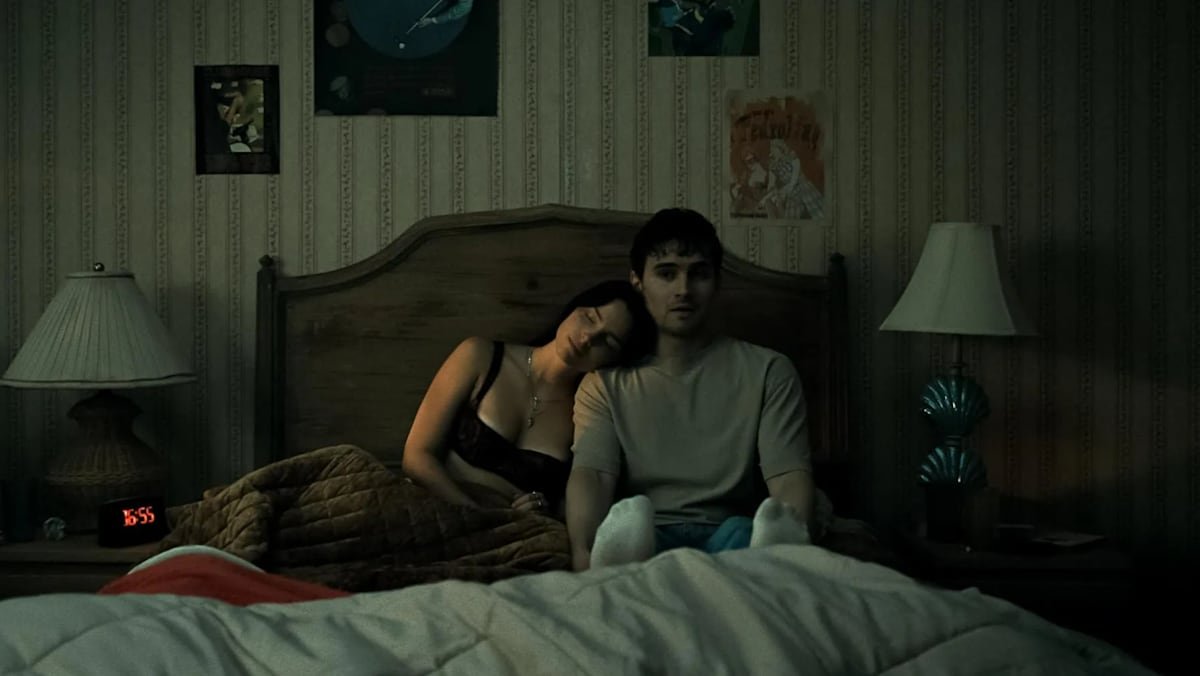
How the horror film Obsession turns the anxieties of modern dating into something terrifying
The horror hit Obsession isn’t just about an obsessive girlfriend or an entitled “nice guy”, says this writer. It’s also a chilling reflection of how dating today has made many of us crave certainty, shortcuts and imagined intimacy. Minor spoilers ahead.
The 2026 movie Obsession follows Bear, who uses a magical One Wish Willow to get his friend, Nikki, to fall in love with him. (Photo: Focus Features)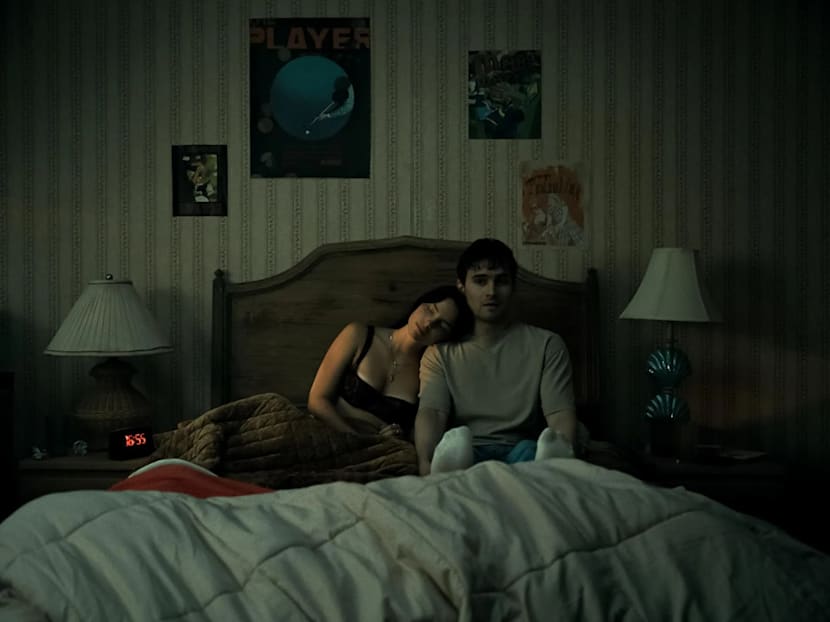
New: You can now listen to articles.

This audio is generated by an AI tool.

Read a summary of this article on FAST.
Get bite-sized news via a new
cards interface. Give it a try.
Click here to return to FAST
Tap here to return to FAST
FAST
It’s been a long time since this scaredy-cat watched a supernatural horror film either at home or in the cinema (so no thank you, Polong). But when I saw the headlines surrounding Obsession, I was intrigued.
The film was directed by Curry Barker, a 26-year-old comedy YouTuber turned feature filmmaker. Made on a modest budget of about US$750,000 and featuring a cast largely made up of newcomers, the film has grossed more than US$426 million worldwide.
I watched the film to find out what the hype was about. Instead, I walked out thinking about something I hadn’t expected at all: The fears and uncertainties of dating in the modern world.
On paper, Obsession sounds like a familiar psychological horror.
Bear has spent years harbouring feelings for his co-worker Nikki but has never found the courage to tell her. When the opportunity finally presents itself, he freezes. In a moment of frustration and panic, he makes a wish with a supernatural object, asking for Nikki to “love me more than anyone else in the f****** world”.
His wish comes true, just not in the way he imagined. Nikki does end up “loving” him, but she also turns into an obsessive, violent, possessive and downright crazy person who isn’t really her at all.
Much of the conversation surrounding the film has centred on its allegory for misogyny, incel culture and the entitled “nice guy” who believes affection is something he deserves. This is because Nikki completely loses her physical, emotional, and mental agency just to make Bear’s wish come true. Those are valid readings.
Beyond that, however, the film also speaks to the anxiety of putting yourself out there, not knowing who someone truly is, and desperately wishing there was a way to avoid all kinds of uncertainty, just to be with someone you think you really like.
SKIPPING UNCERTAINTY IN RELATIONSHIPS
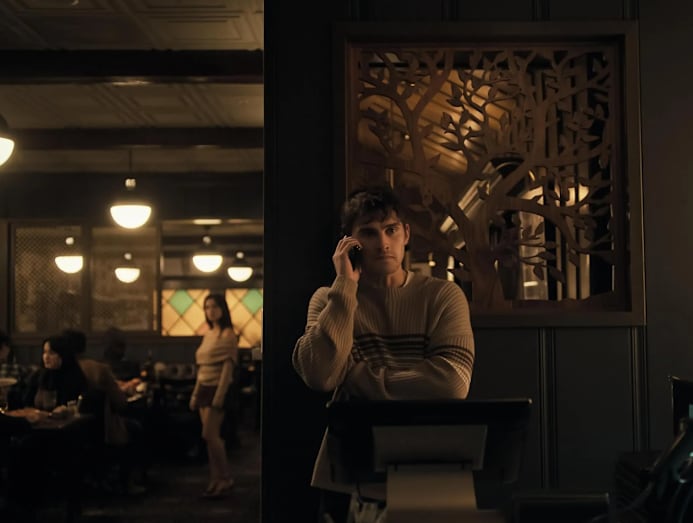
The first thing that struck me about Obsession was its portrayal of what many in relationships today feel but rarely admit: We want immediate certainty, even in love.
Bear, played by Michael Johnston, is introduced in the very first scene, rehearsing his confession to Nikki. He appears awkward, earnest and even adorable. He works at a music store, doesn’t quite know what his next step in life is, and the nervousness he feels around his crush is recognisable. Who hasn’t overthought a confession, rewritten a text message countless times or spent hours wondering over mixed signals?
It’s only when Bear makes his wish with the One Wish Willow, a stick that supposedly grants its users one wish, that things become unsettling. He doesn’t wish for more confidence, another opportunity to confess or even the possibility that Nikki might one day see him differently. He wishes for the final outcome: For Nikki to love him more than anyone else in the world.
With this, he bypasses everything that gives a relationship meaning in the first place. The awkward first conversations. The vulnerability of admitting your feelings. The possibility of hearing “no”. The slow, messy and bare process of discovering who another person really is, and allowing them to discover you in return.
These moments are where trust is built, compatibility is tested, and two people decide, freely, whether they want to keep choosing each other.
Bear’s wish removes that process entirely. Nikki doesn’t choose him because she has come to know him or because they’ve built something together. She chooses him because the wish leaves her with no other option.
We live in a culture increasingly designed to remove friction. Food is delivered in minutes. Algorithms decide for us what we might like to watch. AI drafts our emails and even personal messages. Dating apps promise the best matches through filters and even more algorithms.
Convenience has become an expected feature of modern life. And without realising it, people, especially youths just beginning to explore love, may begin approaching romance with the same mindset.
Most of us shy away from risking any vulnerability ourselves. And when it comes to dating, we immediately look for the ideal profile or the guaranteed sign that someone feels the same way.
MORE CONNECTED THAN EVER, BUT STILL STRANGERS
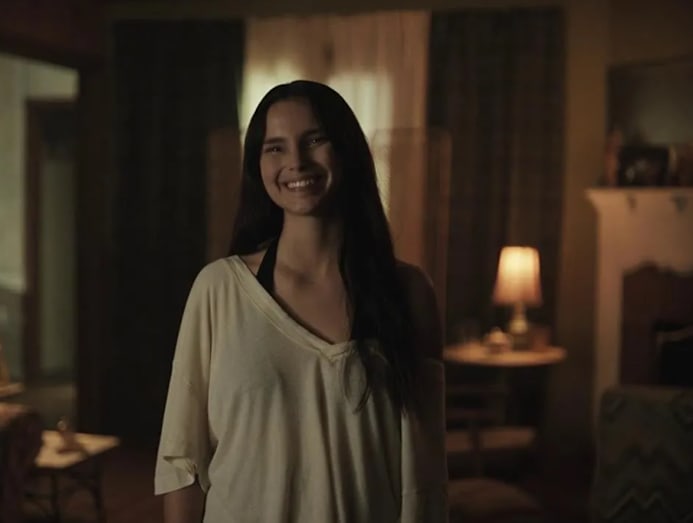
Another way the film reflects a problem in relationships today is how we mistakenly think we know someone just from being easily accessible or connected to them.
As the film progresses, it becomes clearer that Bear is more than willing to accept a version of Nikki that isn’t really her at all, so long as she continues loving him. In doing so, he never has to grapple with who she really is or whether the feelings he’s projected onto her are ever returned.
Bear has known of Nikki for years. They work together, joke during shifts and share several mutual friends. He scrolls through her social media, tries to notice little details about her life and speaks about her as though he understands her.
But seeing someone’s Instagram Stories or spending hours with them at work doesn’t mean we know how they think, what their anxieties are or what they’re really like in a relationship. It certainly doesn’t immediately tell us how they feel about us.
Bear refuses to confront that. Instead, he clings to the post-wish version of Nikki he’s already imagined.
When his friends point out that Nikki has been lying and is behaving “strange”, “weird”, and unlike herself, Bear brushes them off. Even as her behaviour becomes increasingly possessive and violent, he remains convinced that this is still the woman he’s wanted all along. Ironically, despite Bear spending years wanting Nikki, the moment she stops acting like herself, he barely notices.
Real Nikki is complicated. She might reject him. She might only ever see him as a friend. She might turn out to be different from the person he’s imagined after years of pining for her from afar.
The possessed post-wish Nikki demands none of that. She exists solely to validate Bear’s fantasy. She never disagrees with him, never leaves him and never exercises the very agency that makes her a person rather than a mere object of affection.
It’s an unsettling exaggeration of how relationships in the modern world can sometimes unfold.
With the internet and social media at our fingertips, we can learn someone’s interests before we meet them. We follow their daily routines online, and we can piece together a version of who they are from photos, videos and passing conversations. Sometimes, we fall for that carefully assembled picture instead of the person standing in front of us.
Real intimacy doesn’t work like that. It asks us to keep discovering another person, to accept that they’ll surprise – and even disappoint – us. It requires us to recognise that they’ll always remain more complex than the story we’ve written about them in our heads or our screens.
THE HORROR OF COMPLETE CERTAINTY
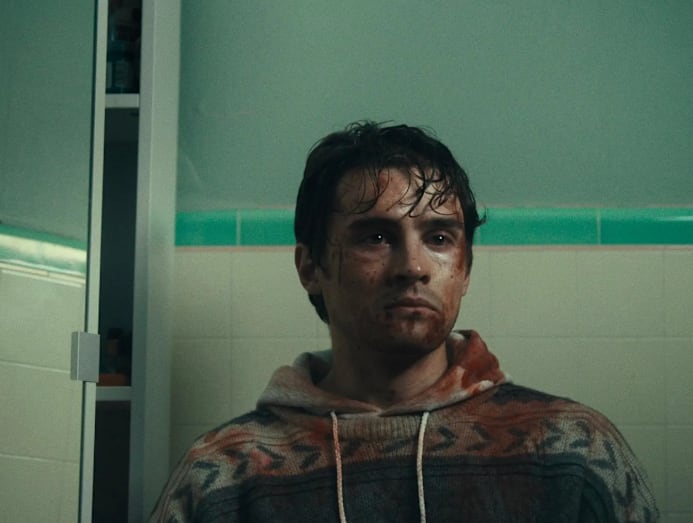
Obsession works so well as horror because while its premise is supernatural, the emotions driving it are painfully relatable among youths today.
Fear of rejection. The temptation to mistake familiarity for intimacy. The hope that, somehow, there might be a way to avoid the uncertainty that comes with letting another person choose and love us freely.
The film follows those impulses to their horrifyingly exaggerated yet logical conclusion – it’s what you get for wishing the easy ways out of a healthy, functioning relationship.
What Bear ultimately gets isn’t the romance he dreamed of. It’s complete certainty. Nikki never leaves him, never rejects him and never stops loving him.
Yet none of that brings him the connection he thought he wanted, because the very things that make a relationship meaningful have disappeared. She loves him more than anyone else in the world, and it’s precisely that which makes the film a horror, not a romance.
Source: CNA/iz
RECOMMENDED
Get bite-sized news via a new
cards interface. Give it a try.
Click here to return to FAST
Tap here to return to FAST
FAST







