Trained for the great farewell: The young Chinese betting their futures on a still-stigmatised trade
Long shadowed by taboo, funeral studies are drawing young people in China as an ageing population fuels demand – but the stable careers many are counting on are far from guaranteed.
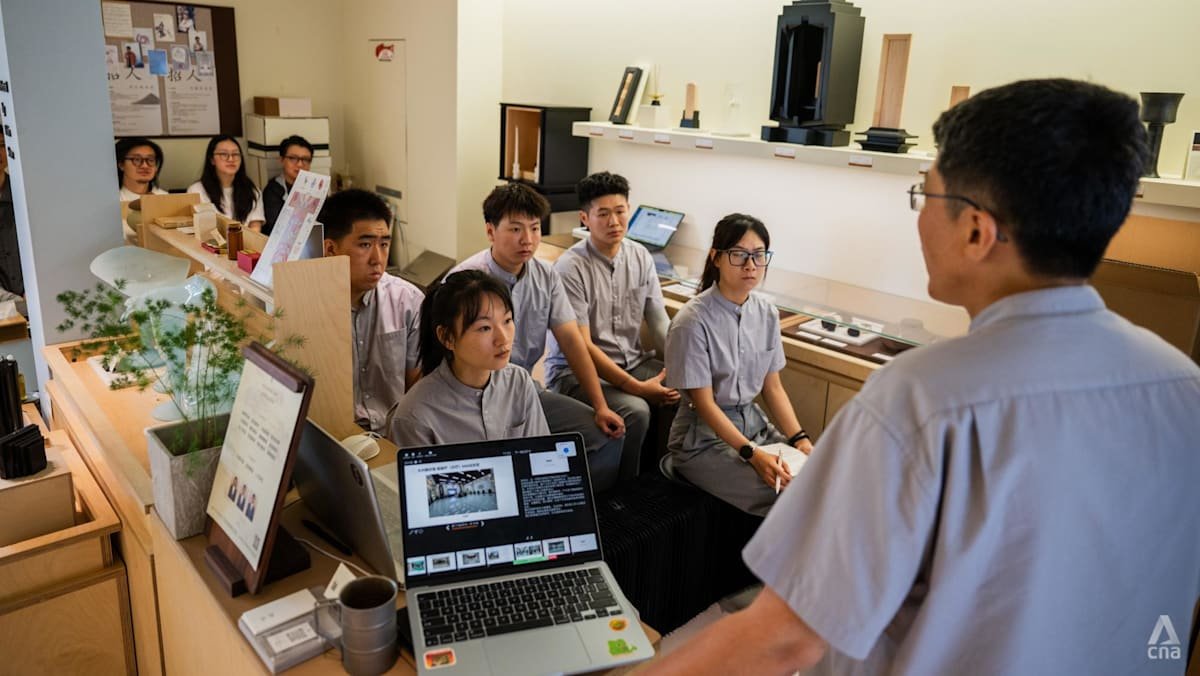
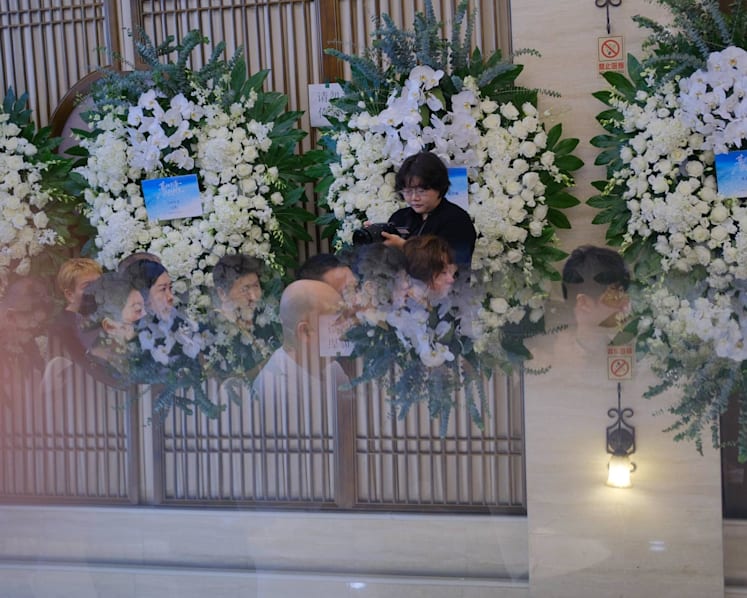
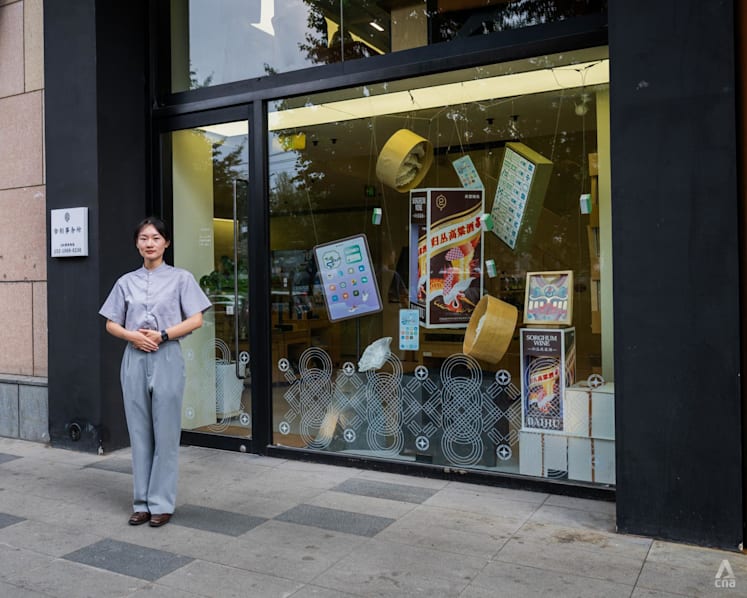
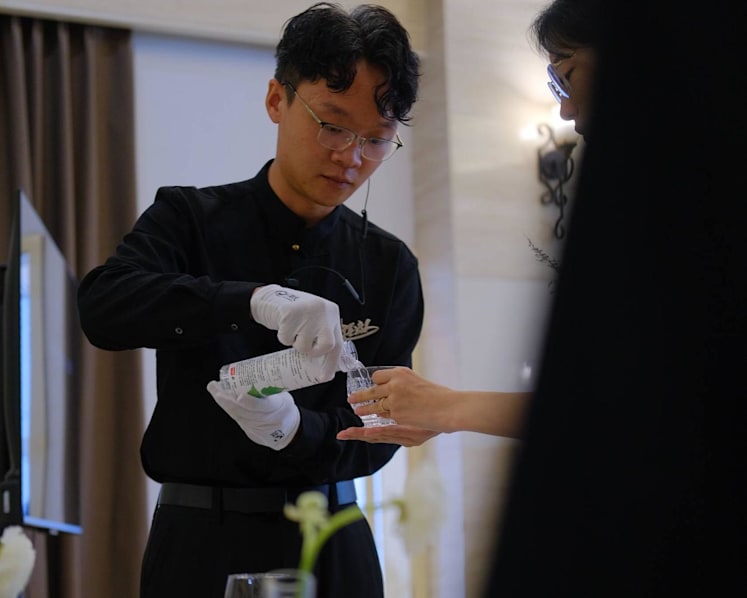
Staff at Greatroam in Beijing’s Sanlitun. Its founder trains newcomers to the trade, saying he values empathy over experience. (Photo: CNA/Hu Chushi)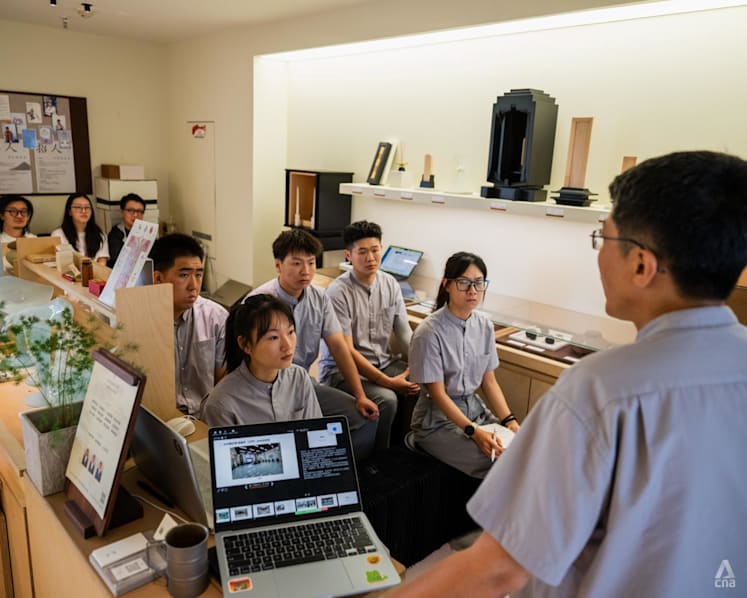
New: You can now listen to articles.

This audio is generated by an AI tool.

Read a summary of this article on FAST.
Get bite-sized news via a new
cards interface. Give it a try.
Click here to return to FAST
Tap here to return to FAST
FAST
SHANGHAI: Death has a curious way of cropping up in the numbers around Wei Binjie.
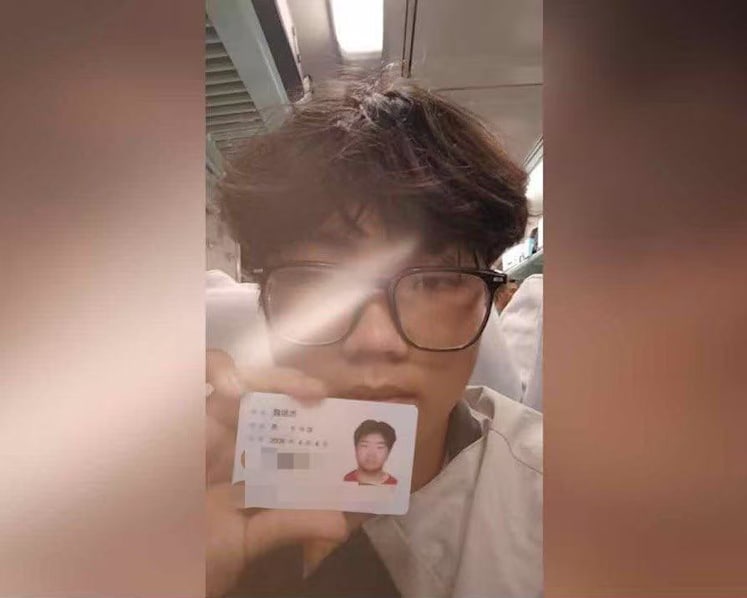
He was born on Apr 4, 2008, as families across China tended the graves of their ancestors for Qing Ming. This year, he scored 444 points in the gaokao, the national college entrance examination.
In Chinese, four and death share the sound “si”, separated only by a tone. The digit is widely regarded as unlucky – dropped from some buildings’ floor counts and shunned in phone numbers.
So when the 18-year-old from Henan put funeral studies at the top of his university wishlist, the coincidences made him an internet sensation – propelling him onto the hot search list of microblogging platform Weibo and into Chinese media headlines.
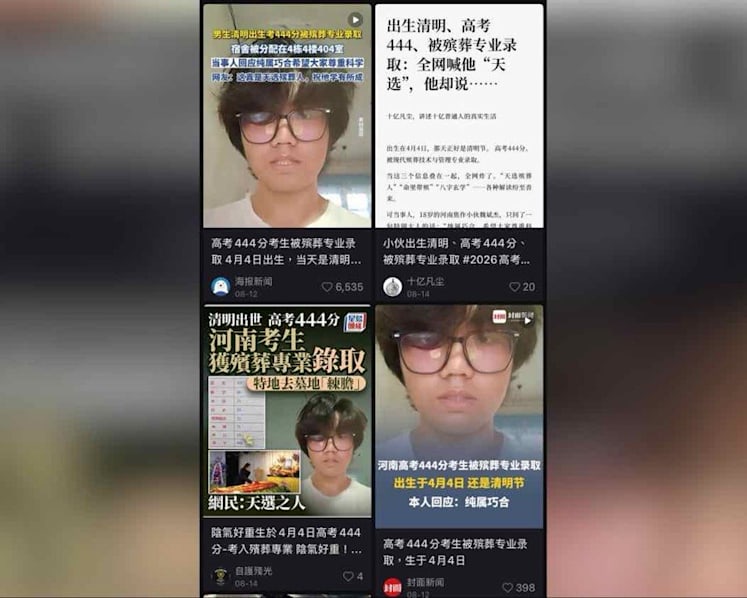
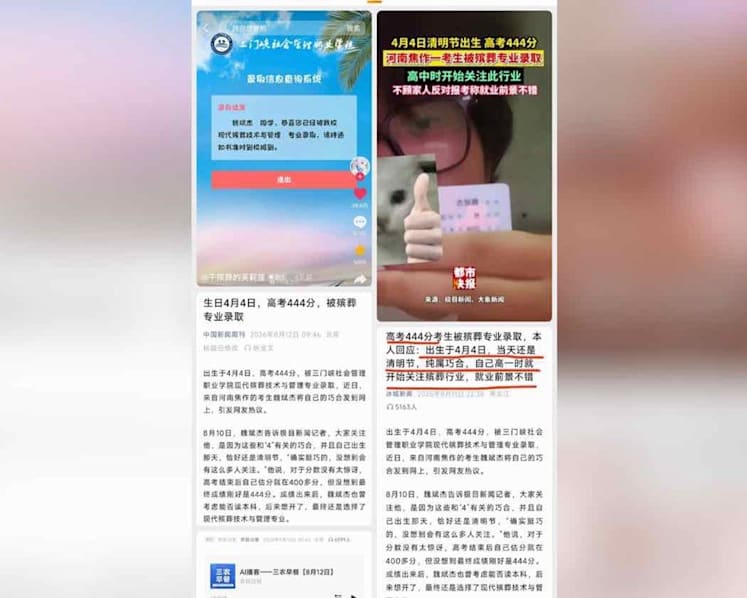
“Personally, I think it’s just a coincidence,” Wei told CNA. “Whatever score I’d get in the gaokao, whichever date my birthday fell on, I was always going to apply for this major.”
Next month, he starts at Sanmenxia College of Social Administration – his fourth choice – despite opposition from his family, who hopes he will switch majors. “But I definitely won’t,” he said.
And he is far from alone.
Funeral studies are drawing growing interest from young Chinese betting on strong job prospects in a sector facing a labour crunch, as a rapidly ageing population puts the country on course for rising deaths in the decades to come.
But they are entering an industry in flux.
New regulations that took effect in March are redrawing where profits can be made, while a new generation of deathcare businesses is challenging traditional ideas of what a Chinese funeral should look like – and the skills needed to deliver one.
For young people like Wei, that means the promise of a job caring for China’s dead may be strong – but the “iron rice bowl” of secure and stable employment many expect to find is far less certain.
BETTING ON THE INEVITABLE
China recorded 11.31 million deaths in 2025, roughly 31,000 a day. That’s the country’s highest toll since 1960, and the fourth straight year deaths outnumbered births.
With 23 per cent of the national population aged 60 and above, demographers expect the number to keep climbing for decades. A 2024 study by Fudan University projected that annual deaths would not peak until around 2061, at close to 19 million.
The workforce meant to handle that growing demand is small.
As of end-2024, China had 4,794 funeral service institutions – funeral parlours, columbaria and cemeteries – employing about 96,000 people, according to the Ministry of Civil Affairs.
Yet just 16 educational institutions offer funeral-related majors, according to the Ministry of Education’s programme registry – up from five in 2022.
Together, they produce about 1,000 graduates a year against an annual shortfall of around 10,000 workers, in skilled roles such as embalming and cosmetology, funeral planning and hosting, cemetery design and grief counselling, according to industry estimates cited by Chinese media.
For a field long burdened by social taboo, the courses are attracting striking interest.
The country’s first bachelor’s degree in funeral services, launched in 2024 at the ministry-run China Civil Affairs University (CCAU) in Beijing, filled every seat in its first year, with admission cut-off scores 20 to 30 points above the university’s other programmes.
The scores can rival those associated with more traditionally prestigious academic routes.
This year, the lowest score admitted to the funeral studies programme at Changsha Social Work College, a vocational institute, was 570 – above the admission threshold for many public universities offering bachelor’s degrees.
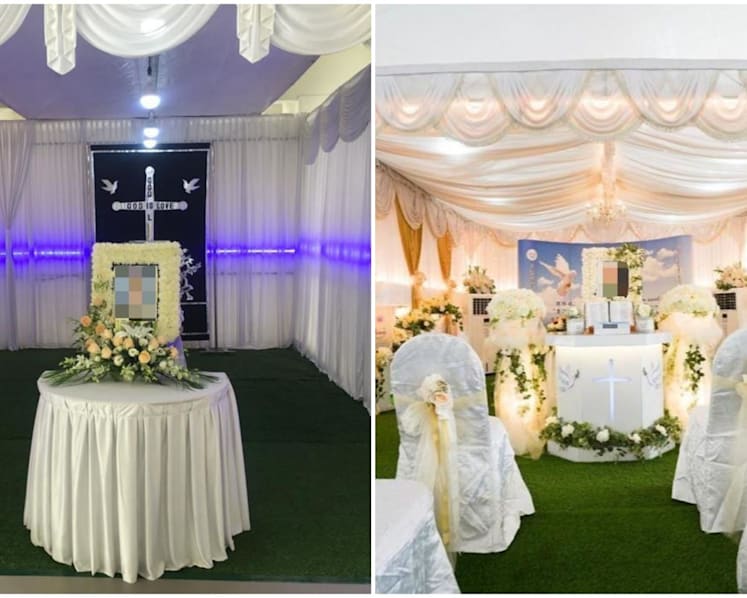

While their circumstances varied, the young Chinese CNA spoke to made similar calculations – that funeral services were a sound bet for steady employment.
Wei first learnt about the industry in his first year of senior high school through Douyin videos by popular funeral vlogger Tangmutanze. The algorithm soon began feeding him livestreams about the industry’s prospects.
“Watching those, I felt this industry had real promise – and I decided I wanted to work in it,” Wei said.
“When choosing a major, the first consideration is future employment.”
Chang Huanhuan, 22, from Shaanxi province, scored 466 in the 2023 gaokao. She came across modern funeral technology and management, a three-year programme offered by just five schools nationwide at that time, and enrolled at CCAU.
“My thinking was: in terms of graduate numbers, compared with other majors, employment probably wouldn’t be so hard – we all know scarcity makes things precious,” she told CNA.
“It certainly didn’t rise to ‘passion’ … it was simply, for me personally, the best choice available.”
Before applying, she asked herself one question. “If you truly study this, and one day you’re on the job and you see the deceased – will you be afraid?”
“And something in me felt – actually, (I’m) not that scared.”
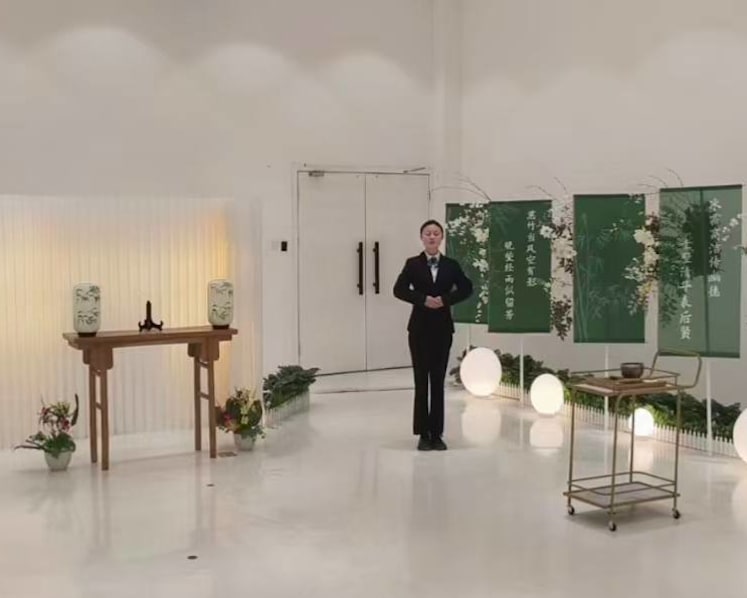
Ran Yixuan, 28, an undertaker at Greatroam, a Beijing-based funeral brand, took a similarly pragmatic route into the field.
A decade ago, she wanted to study photography – a lifelong hobby – but the school offering it in her hometown of Wanzhou, an outlying district of Chongqing, “wasn’t especially good”, she said. The funeral college, by contrast, was in the municipality’s main urban area and ranked among its top vocational institutions.
She picked what she saw as the better school.
“My classmates all felt this major would be in demand, with good prospects. Then my mum and dad also felt this industry was worth a try,” Ran told CNA.
“Then there’s the fact that I myself wasn’t that squeamish about the industry. I was also curious – I wanted to see what this industry was actually like.”
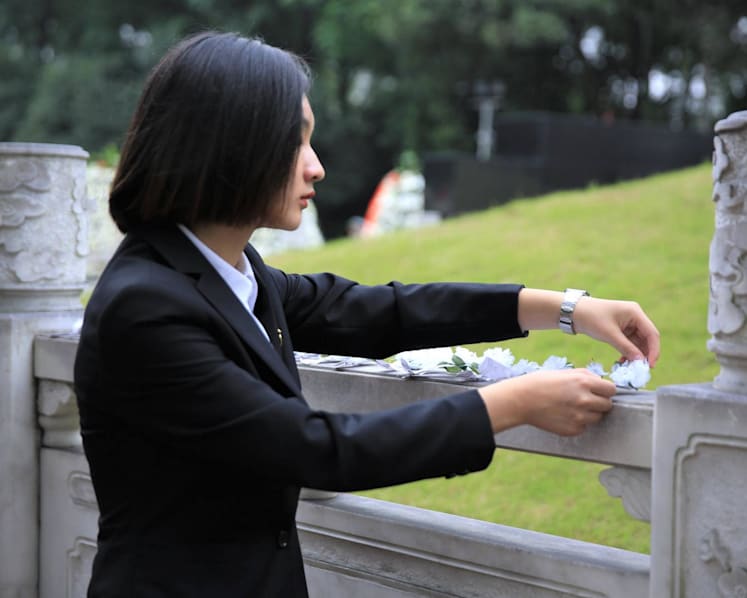
RETHINKING THE FINAL GOODBYE
At the same time, what a final goodbye should look like is itself being rethought.
Li Yu, 36, a farewell planner also at Greatroam, describes the conventional send-off.
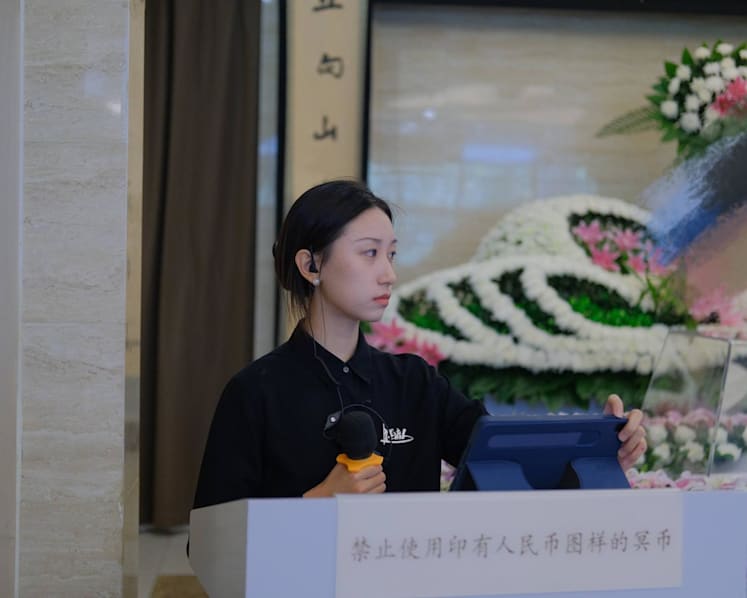
The body is taken to a funeral parlour, where families are typically given a half-hour slot in a farewell hall before cremation, she told CNA. During that period, an emcee delivers a formulaic eulogy in the practised tones of a broadcast announcer.
“Every single ceremony is basically identical – the only thing that changes is the person lying there,” she said.
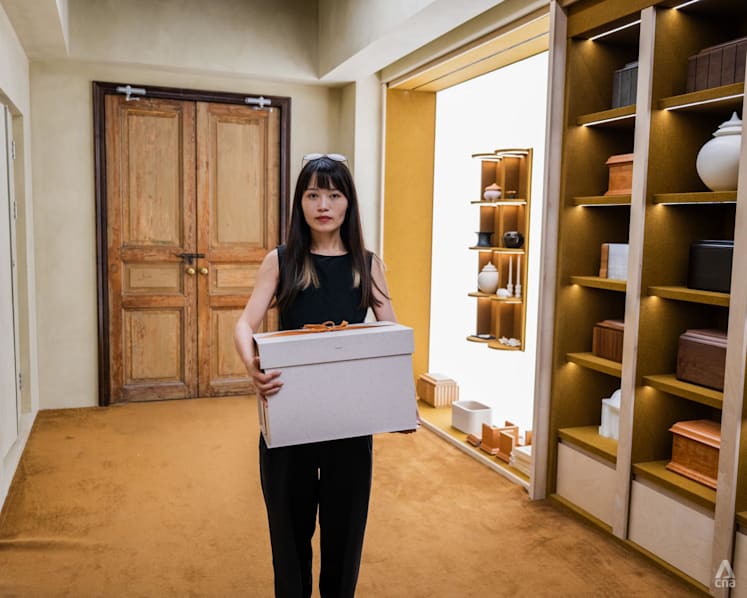
Shi Hui, 39, founder of Shanghai farewell company Baiduren, had an experience that left a similar impression.
She once walked into a stranger’s funeral in the city. After it ended, she could not even remember the deceased’s name.
“Ten minutes, and the funeral was over,” she told CNA. “My God – what if that were me in there? I’ve lived this whole desperate, striving life, and at the end I just … leave, unregarded, leaving nothing behind?”
She founded Baiduren – ferryman in English – in 2017 to change that.
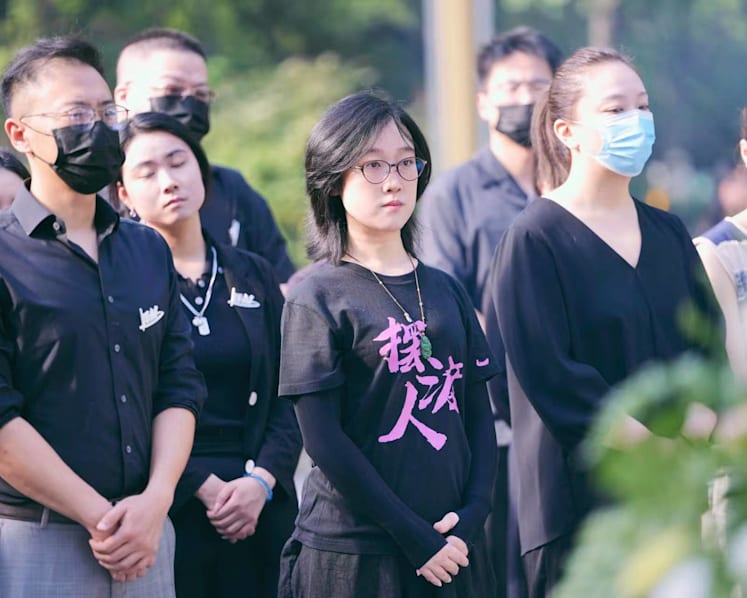
Greatroam founder Gao Guqi, 44, said he often hears friends describe funerals they have attended in similar terms.
“(It) felt absurd, like attending a retro pageant, a big show that forces you to weep … while you feel no actual emotional exchange at all,” he said.
To Gao, that gravely misses the mark.
“Our understanding of a person who has left us is actually extremely, extremely partial,” he said.
“Do we really know our own parents? You may feel you know them well, but all your memories date from their middle age onward.”
A farewell, he believes, “is an opportunity to write a person’s biography”.
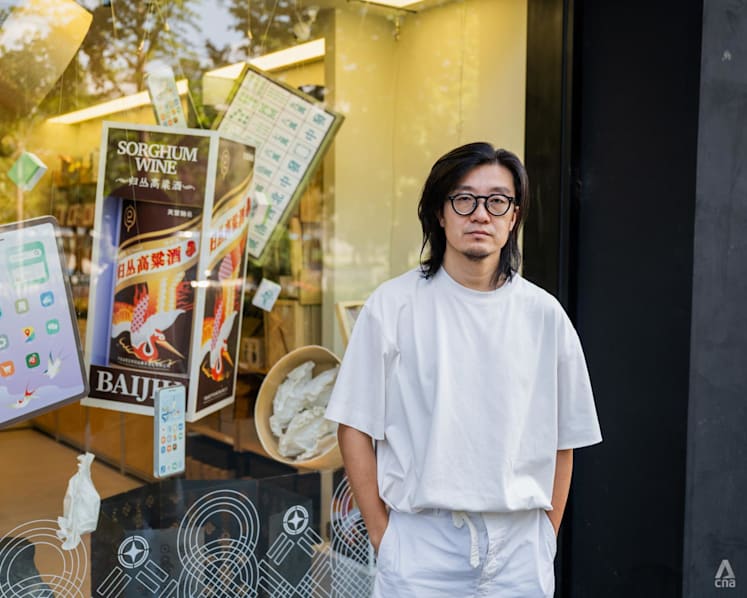
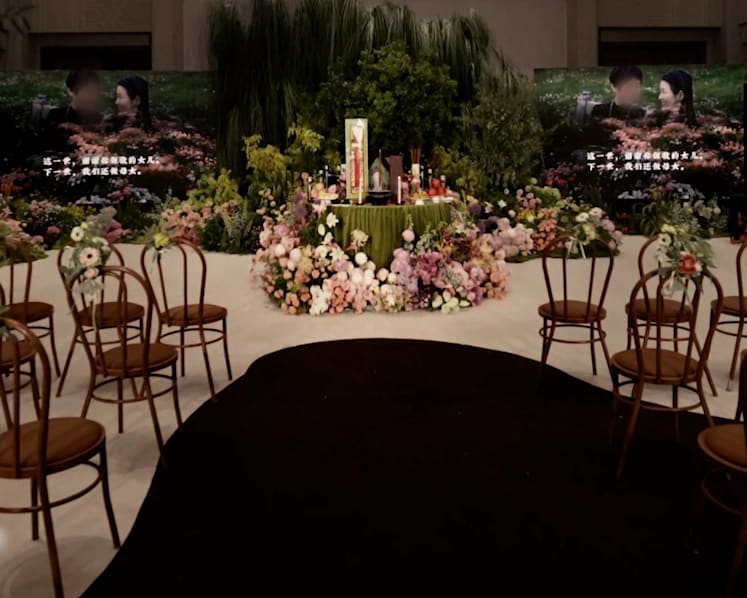
For a recent ceremony near Nantong, Jiangsu, Li’s team interviewed the deceased’s daughter, sister and business partners, then built a photo wall from what they shared – of his happy times in various cities – and played a video that used artificial intelligence to restore his old photographs.
The reinvention extends to the shopfronts too.
Greatroam’s store sits in Sanlitun, Beijing’s flagship shopping district. Upstairs, cremation urns designed as miniature works of classical Chinese architecture are displayed for sale alongside burial garments by one of China’s leading fashion designers.
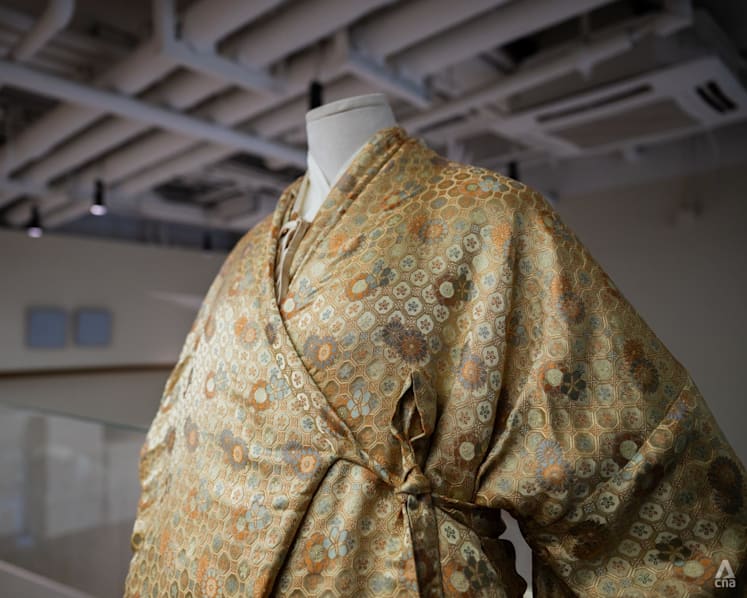
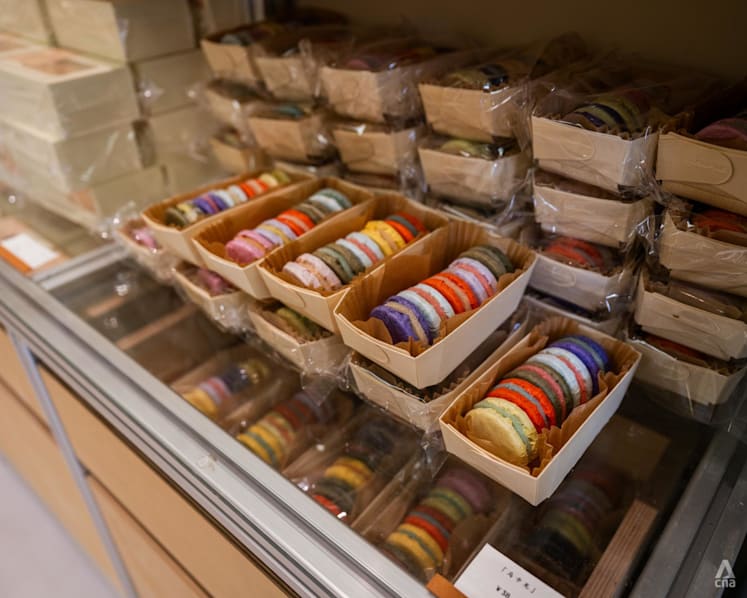
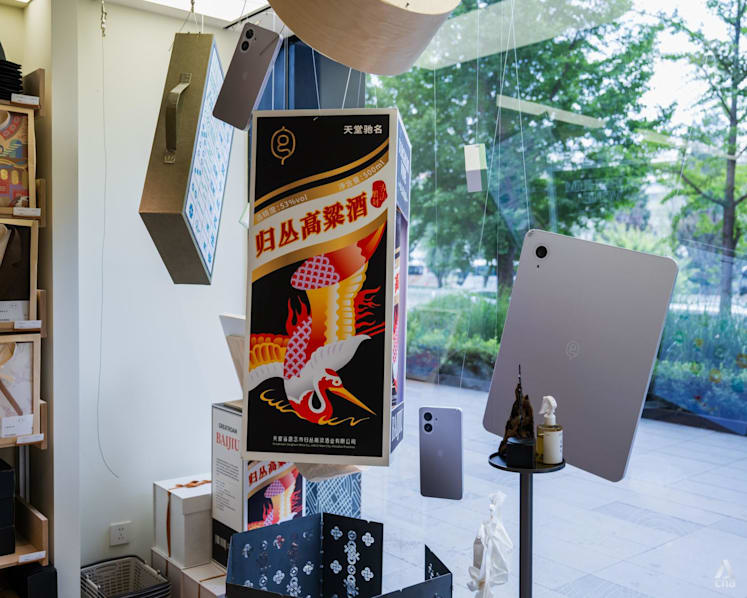
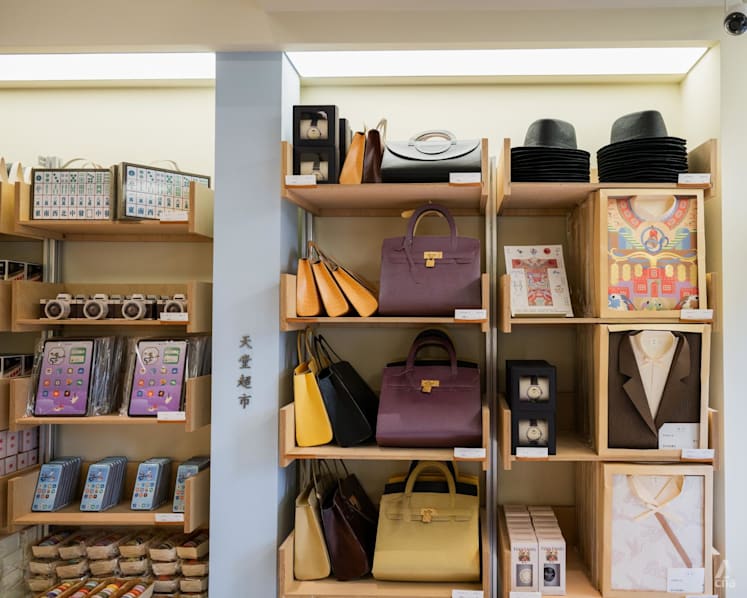
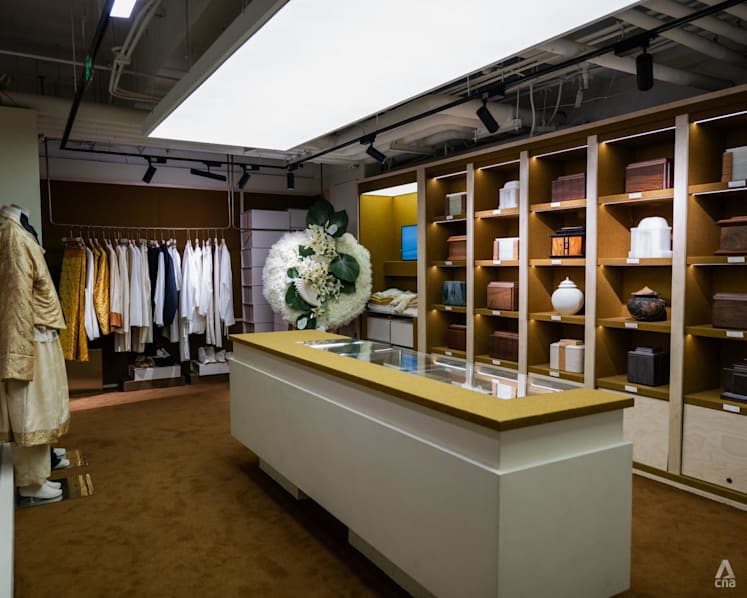
Downstairs, the company hosts bi-monthly “Death Cafe” gatherings – part of a global movement encouraging conversations about death and dying – at 158 yuan (US$23) a session, and a “Death Open Mic”, where guests tell stories about mortality, stand-up style.
“Step by step, I’m turning the topic of death into something socialised, something lighter,” Gao said.
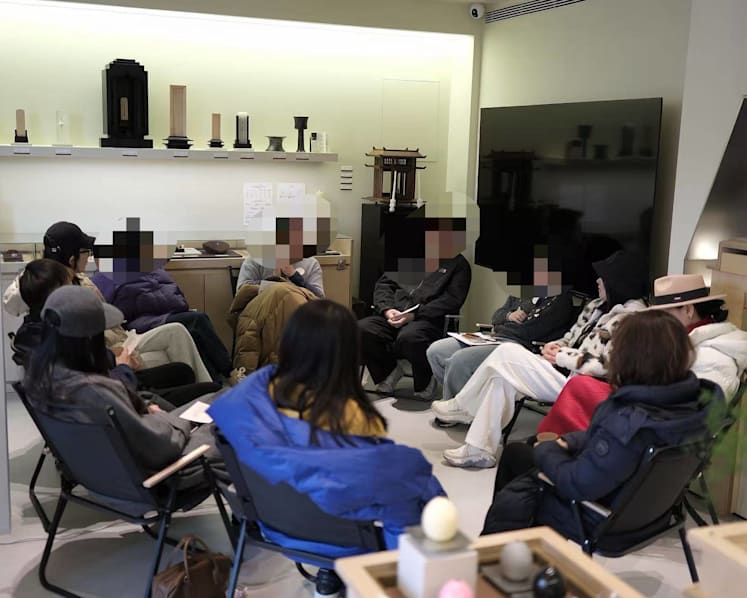
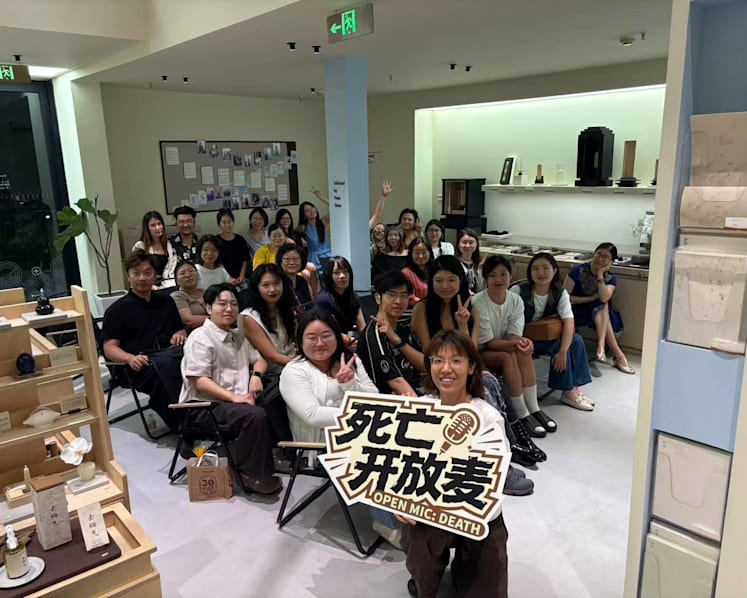
The people helping him do that are increasingly young.
“I used to think I was quite young; now the colleagues at our storefront were born in 2001, 2002, 2003,” said Ran, who joined Greatroam after five years at a traditional funeral company.
“It’s getting increasingly younger and younger.”
At her previous workplace, Ran said employees were rigidly assigned to individual tasks.
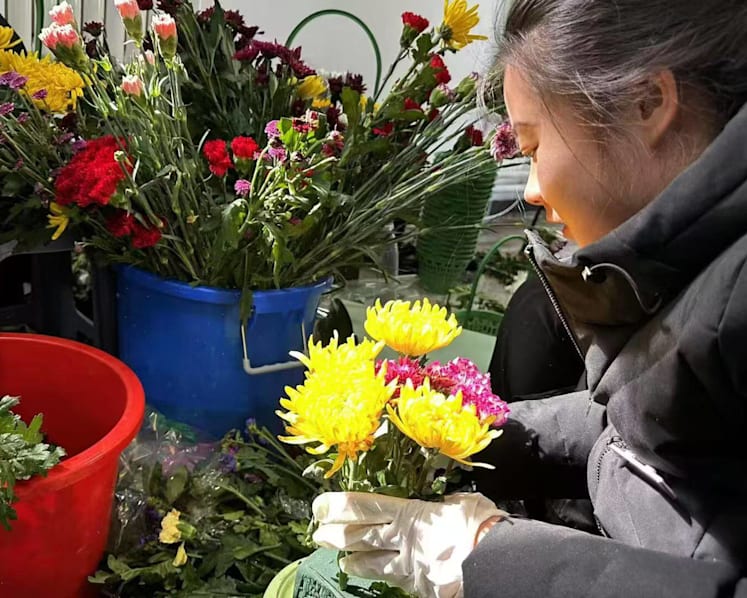
At Greatroam, she works across the entire funeral process – dressing and applying make-up to the deceased, emceeing ceremonies and guiding families through paperwork.
Shi from Baiduren sees something more than just a younger workforce. She believes attitudes towards death itself are shifting among a new generation.
“Adolescents genuinely burn to explore death … their light and heat are genuinely magnetic – and they’re brave,” she said.
She has seen that curiosity firsthand at the “Life Cafe” Baiduren runs – an actual coffee shop where people gather to discuss mortality and their experiences of death. Attendees are mostly aged around 15 to 30.
“I never expected to discover that in this age group’s hearts, death is virtually without taboo,” she added.
But that openness has limits. At home, the old taboos can prove much harder to shake.
Li, who comes from what she describes as a traditional family in Shandong province, has never told her parents what she does. They think she is still a designer.
When her grandfather died, her father spotted packaging from a Greatroam urn in her car, she recounted. “Throw it away, quickly,” he told her.
Meanwhile, Ran’s parents for years avoided telling relatives what she was studying, saying only that it was something related to “civil affairs”.
Chang has also encountered the stigma firsthand. During a half-year internship in 2025 at a funeral parlour in Inner Mongolia, ride-hailing drivers would sometimes demand a 200 to 500 yuan “bad luck” red packet upon learning her destination, or cancel the trip altogether.
Then there are the realities of the work itself.
Last November, Chang prepared the body of a 21-year-old woman – the same age she was then – who had died in a fall.
The parents pressed red envelopes on her and a colleague, and would not take no as an answer – a gesture Chang understood as reflecting their deep anxiety over whether their daughter would be treated with care.
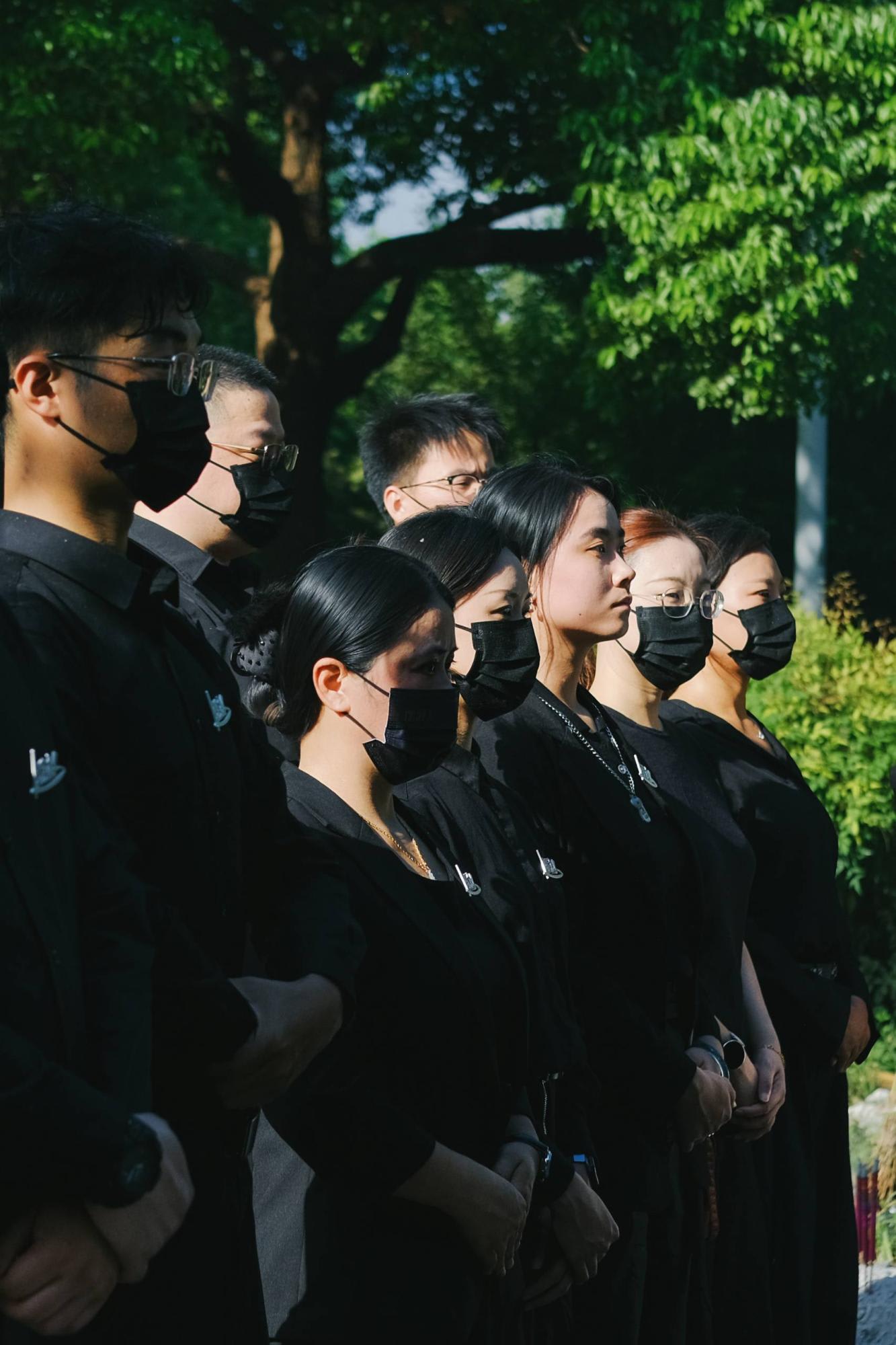
Rules forbade her from accepting the money. To reassure the mother, Chang took the woman’s hand and pulled down her own mask.
“Auntie, hear me out first. I am the same age as your daughter,” she said.
“We will do our absolute utmost to make your daughter beautiful and whole.”
Chang used a white hat and an angled lace veil to conceal the young woman’s facial injuries, leaving her lips – intact, carefully painted – visible. When she wheeled her out, the mother dropped to her knees.
“This is my daughter,” the mother cried out. “My daughter is so beautiful.”
But comforting the bereaved is only one side of the job.
On another shift, a mourner cursed at Chang for 40 minutes after she stopped him from throwing food into the offering incinerator, jabbing a finger at her face as she picked up what he had flung.
Chang recalled bending down to hide her tears from the mourner, before retreating to the corridor.
“Not every family is the kind that you were taught about, the kind you console,” she said.
“Sometimes the one who needs consoling is you.”
REWRITING THE BUSINESS OF DEATH
Beyond the emotional rigours of the work, the wider funeral industry is undergoing sweeping change.
In March, China’s revised funeral regulations took effect, the first comprehensive overhaul of rules introduced in 1997.
The rewrite seeks to curb excessive fees and anchors deathcare as a public-welfare undertaking.
It bars new for-profit funeral firms from being established, places seven basic services – from body collection and cremation to ash storage and eco-burial – on a price-controlled list, and prohibits hospital morgues from outsourcing or running funeral businesses.
The overhaul follows years of efforts to rein in funeral costs. More than 23,000 fee items at funeral institutions had already been scrapped, according to official commentary, amid public complaints that people “cannot afford to die”.
The rules stop short of shutting private players out: existing firms can continue operating, and everything outside the list – ceremony design, memorial goods, the personalised farewell itself – remains market-priced.
There is substantial business at stake. Research firms place China’s funeral services market at more than 400 billion yuan a year.
“Large numbers of funeral companies are closing down right now, because the new regulatory reforms mean many commercial brands can no longer operate,” said Gao, the Greatroam founder.
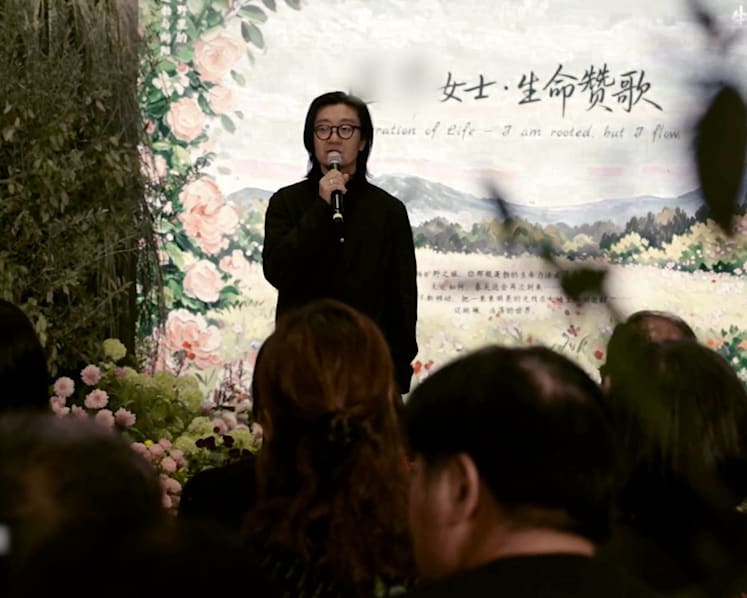
His own company has weathered that environment, he said, by using commercial means to become “an institution running on a positive cycle” – not the grey channels that exist, such as funnelling benefits to doctors for client referrals.
“We are strictly market-facing, customer-facing. And that has invisibly built a kind of moat around this new category of consumption.”
For Shi from Baiduren, the ban on hospital morgues running or outsourcing funeral businesses targets a system that once starved her of orders.
When her company launched, she said, virtually every Shanghai hospital mortuary was contracted to one-stop, end-to-end service – the middlemen who ran everything from body collection to burial.
“We weren’t losing money because families wouldn’t commission personalised farewells. We were losing money because we couldn’t get any orders at all,” she said of Baiduren’s first two years.
“Where we finally got orders was online, we set up on JD.com, on Taobao, on Pinduoduo, on Dianping.”


Technology is reshaping the business too.
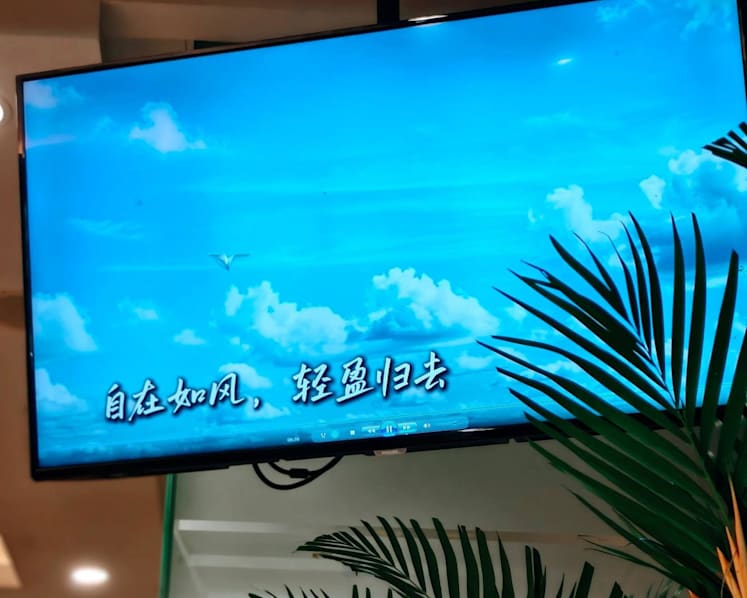
From a deceased person’s life story and audio recordings, Shi’s team can use AI to generate messages, recreating them in the person’s voice to be played at the memorial.
“Words that were never sent; things never done; apologies never completed,” she said.
Meanwhile, on the IT side of the business, AI has replaced the work of three or four employees, she said.
But for all the innovation, many families still arrive with little idea of what they want from a funeral.
Shi said families do not arrive asking for a farewell “in some strikingly original form”.
“(Most are) deeply unfamiliar with death, with funerals. A blank.”
Unlike birthdays or coming-of-age ceremonies, she said, few people know what a funeral should look like or how it should unfold. Even those open to doing things differently can worry about how older relatives will react.
“If I do it this way and my elders see it, what will they think I’m playing at … they’ll think I’ve gone mad,” she said, describing a typical concern.
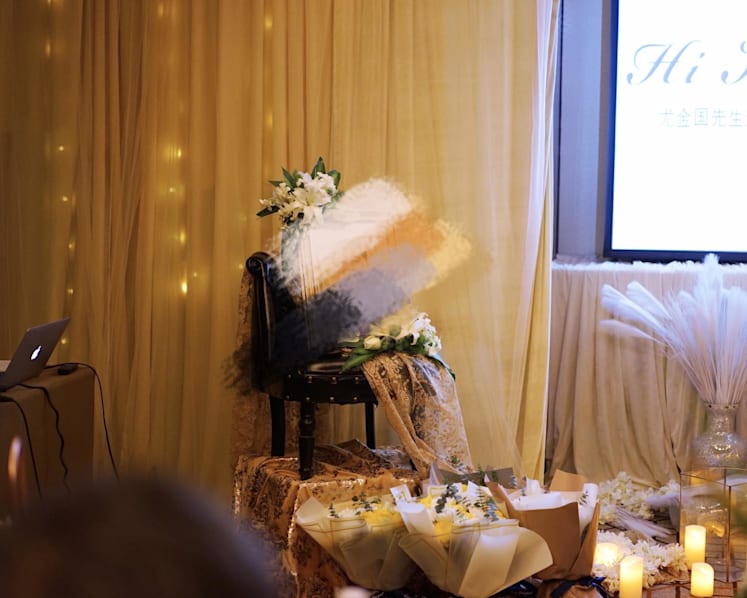
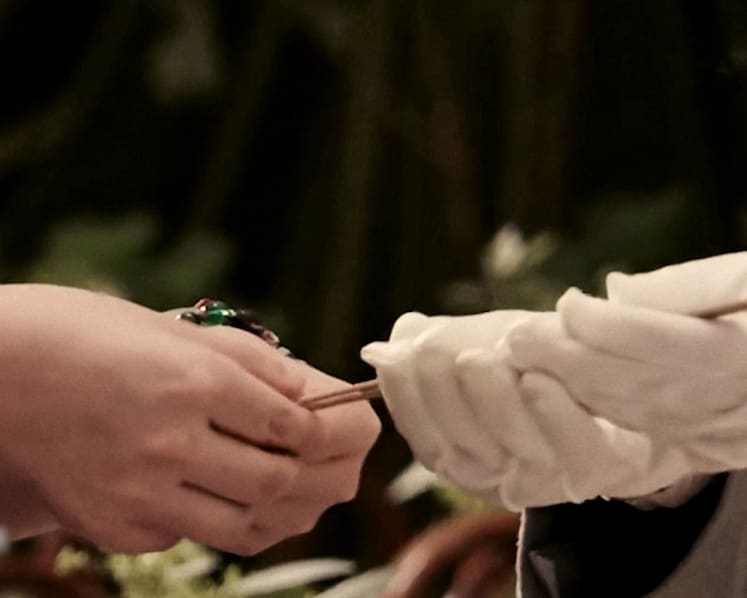
Helping families overcome that uncertainty requires a different kind of funeral worker, Gao and Shi argued – and not necessarily the kind specialist schools are producing.
For Gao, empathy matters above all – a different consideration from the practical factors he said draw many students to funeral studies.
“Most of them chose this field because they thought it was easy to get a job, (and) thought the pay was high,” he said.
Shi has stopped recruiting from funeral schools altogether. In a sector hungry for workers, many students are signed by employers as early as their first year of study, she said.
“(After which) the motivation to study, to practise, largely evaporates,” she said.
The rigours of the work, she argued, allow for no lapses.
“This work must be zero-error … if his mind isn’t in it, he cannot do this job.”
Greatroam’s staff are mostly born in the late 1990s and 2000s, their backgrounds “extremely diverse”, Gao said.
“Some studied funeral services; some studied tourism; some finance; some studied anthropology overseas,” he noted.
“Our kids are picked out one by one – they must pass that bar,” Gao said of his empathy screening.
At the same time, the perceived financial promise and stability drawing students to the field do not always match what awaits them after graduation.
According to Chang, monthly take-home salaries for funeral service roles come in at 7,000 to 8,000 yuan a month in first-tier cities like Beijing and Shanghai, and just over 4,000 yuan in smaller cities.
By comparison, average monthly salaries in Shanghai range from just over 10,000 yuan for low-level employees to more than 36,000 yuan for directors, according to a report published in January by recruitment platform 51job.
The industry norm is between 4,000 and 6,500 yuan, Chang said, citing funeral vlogger Tangmutanze, who has shared her payslips online.
Ran, the undertaker, thought it was an “extremely lucrative” profession before applying for the funeral major, only to discover after starting work that this was not the case.
“As for the iron rice bowl – that only applies to a minority, because when funeral parlours run public recruitments, it’s a collective exam, and the lucky ones are few,” she said. “Most people are working at small service companies.”
Greatroam’s Gao warned that the new industry rules enacted in March are further challenging assumptions that funeral work offers a stable career.
“These kids think this industry is stable – I can tell you, that too is a fantasy,” he said.
None of that has dissuaded Wei, the 18-year-old who put funeral studies at the top of his university wishlist.
He has seen current funeral students warning prospective applicants on Douyin and Xiaohongshu about the realities of the industry. He applied anyway.
“Setting aside the practical considerations – yes, I do (still) feel drawn to it,” Wei said of the work awaiting him.
“Seeing people off on their final journey – I feel that’s genuinely meaningful.”
Source: CNA/xy(ws)
Sign up for our newsletters

Get the CNA app
Stay updated with notifications for breaking news and our best stories
Get WhatsApp alerts
Join our channel for the top reads for the day on your preferred chat app

Get bite-sized news via a new
cards interface. Give it a try.
Click here to return to FAST
Tap here to return to FAST
FAST
About The Author