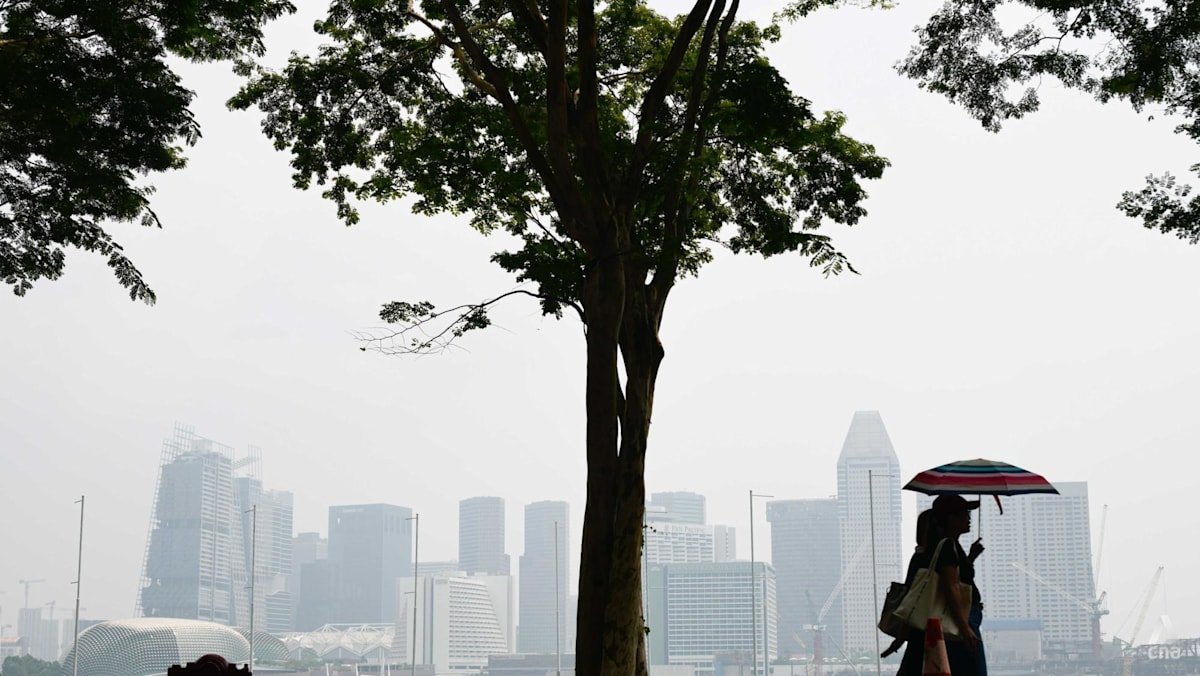
Haze in Singapore: Air quality at unhealthy range in central region
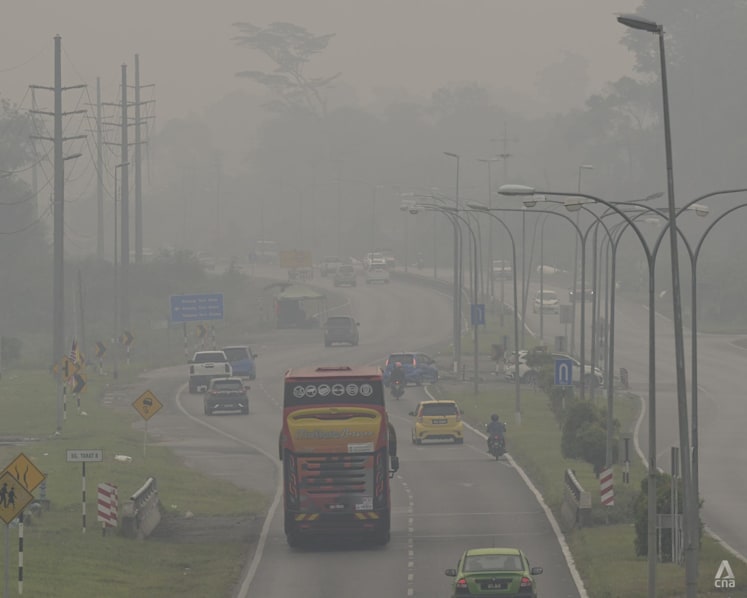
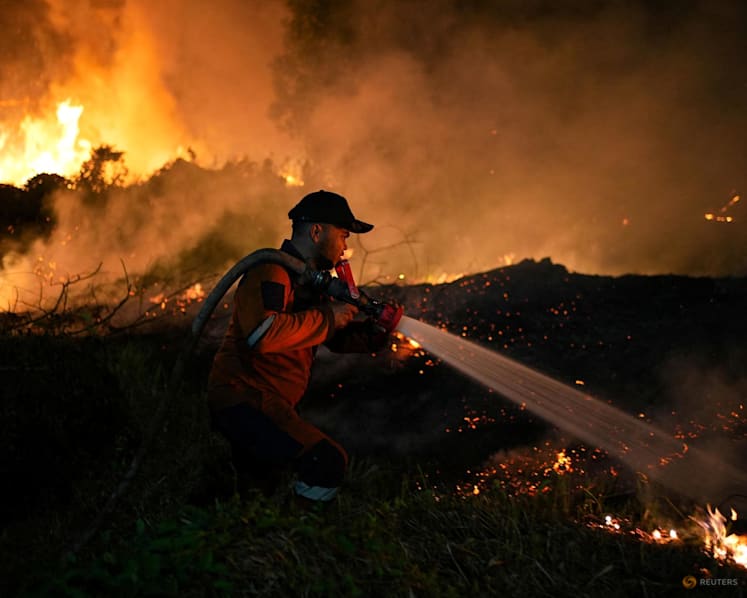
Air quality in three regions of Singapore started the day in the unhealthy range on Saturday (Sep 5), before improving later in the morning.
Pedestrians holding umbrellas silhouetted against a haze shrouded backdrop of buildings surrounding the Marina Bay, Sep 4, 2026. (Photo: CNA/Wallace Woon)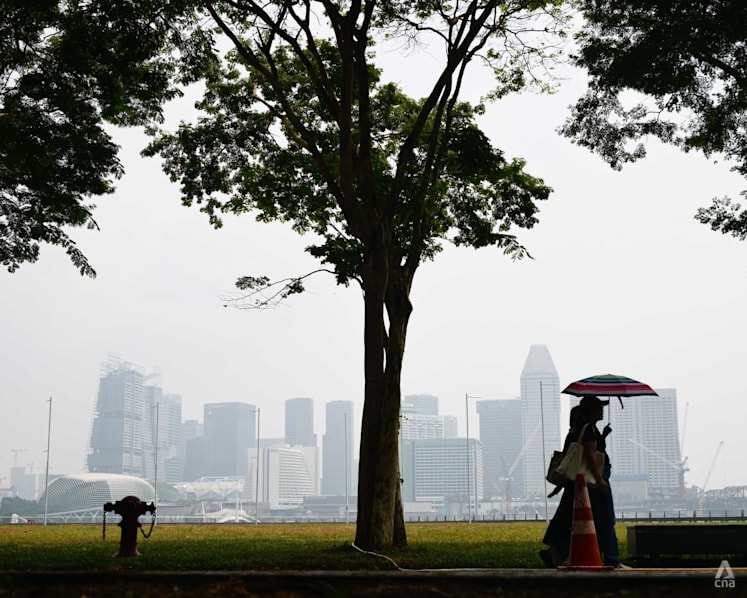
New: You can now listen to articles.

This audio is generated by an AI tool.
Read a summary of this article on FAST.
Get bite-sized news via a new
cards interface. Give it a try.
Click here to return to FAST
Tap here to return to FAST
FAST
SINGAPORE: Air quality in Singapore started the day in the unhealthy range in the west, central and east regions on Saturday (Sep 5), before improving somewhat later in the morning.
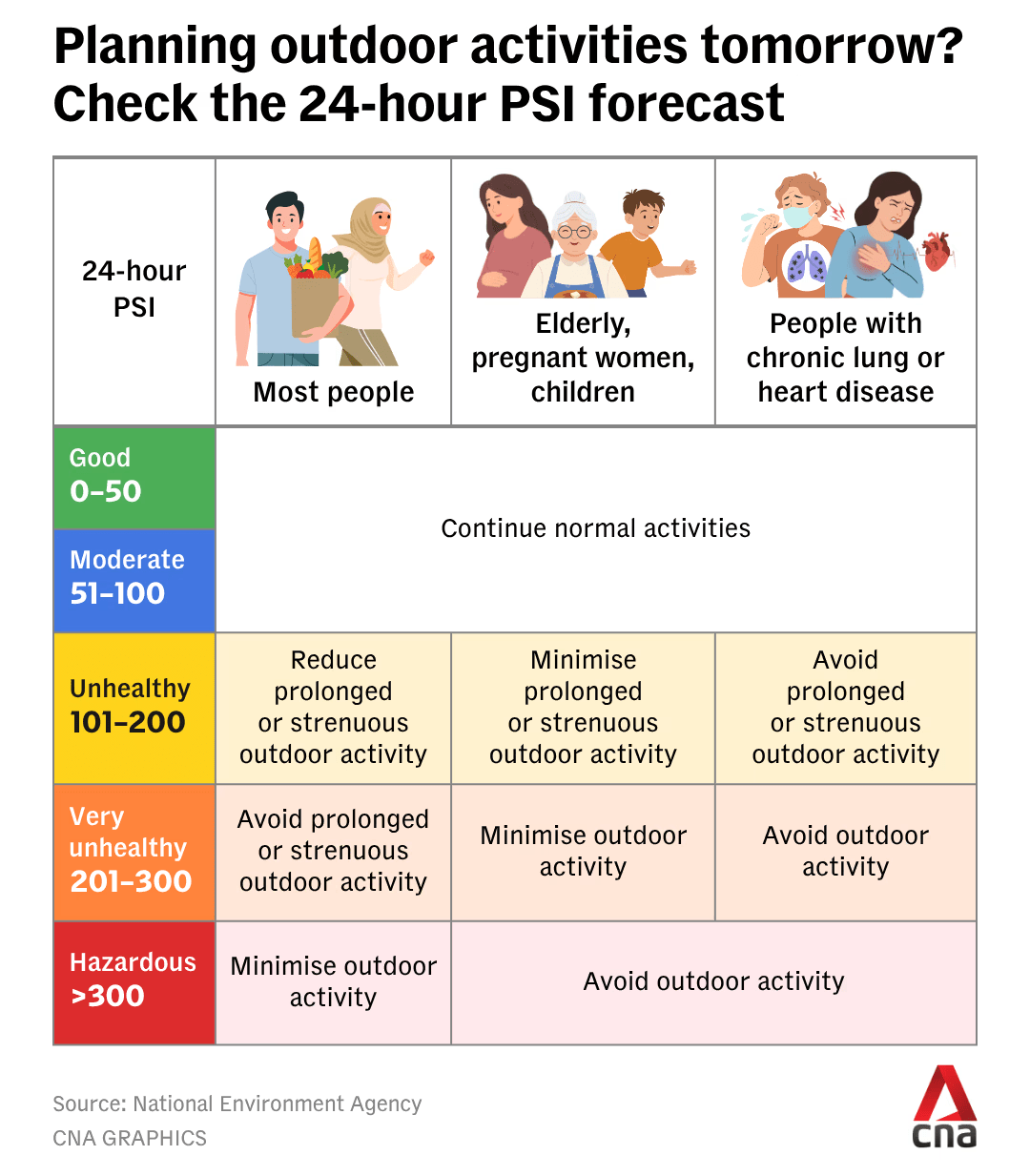
As of 9am, the 24-hour Pollutant Standards Index (PSI) was at 115 in the central region, according to the National Environment Agency (NEA).
Earlier at 6am, both the west and east regions were also in the unhealthy range, with a PSI of 103 and 102 respectively.
The west region dipped to 98 at 9am, as did the east region at 96.
The other regions remained in the moderate range, with the PSI at 83 in the north and 87 in the south.
The 24-hour PSI crossed into the unhealthy band of 101 to 200 at 7am on Friday, marking the first time the PSI had breached the level since Oct 8, 2023.
This prompted the NEA on Friday to start issuing daily haze advisories, including a 24-hour PSI forecast, to help the public plan activities and events for the following day.
In the first daily advisory on Friday evening, NEA said Singapore could continue to be affected by transboundary haze, with the 24-hour PSI forecast to be at the higher end of the moderate to the middle of the unhealthy range.
The 24-hour PSI is Singapore’s indicator of daily air quality and forms the basis of NEA’s daily health advisories. It is calculated using six air pollutants – PM2.5, PM10, ozone, sulphur dioxide, nitrogen dioxide and carbon monoxide.
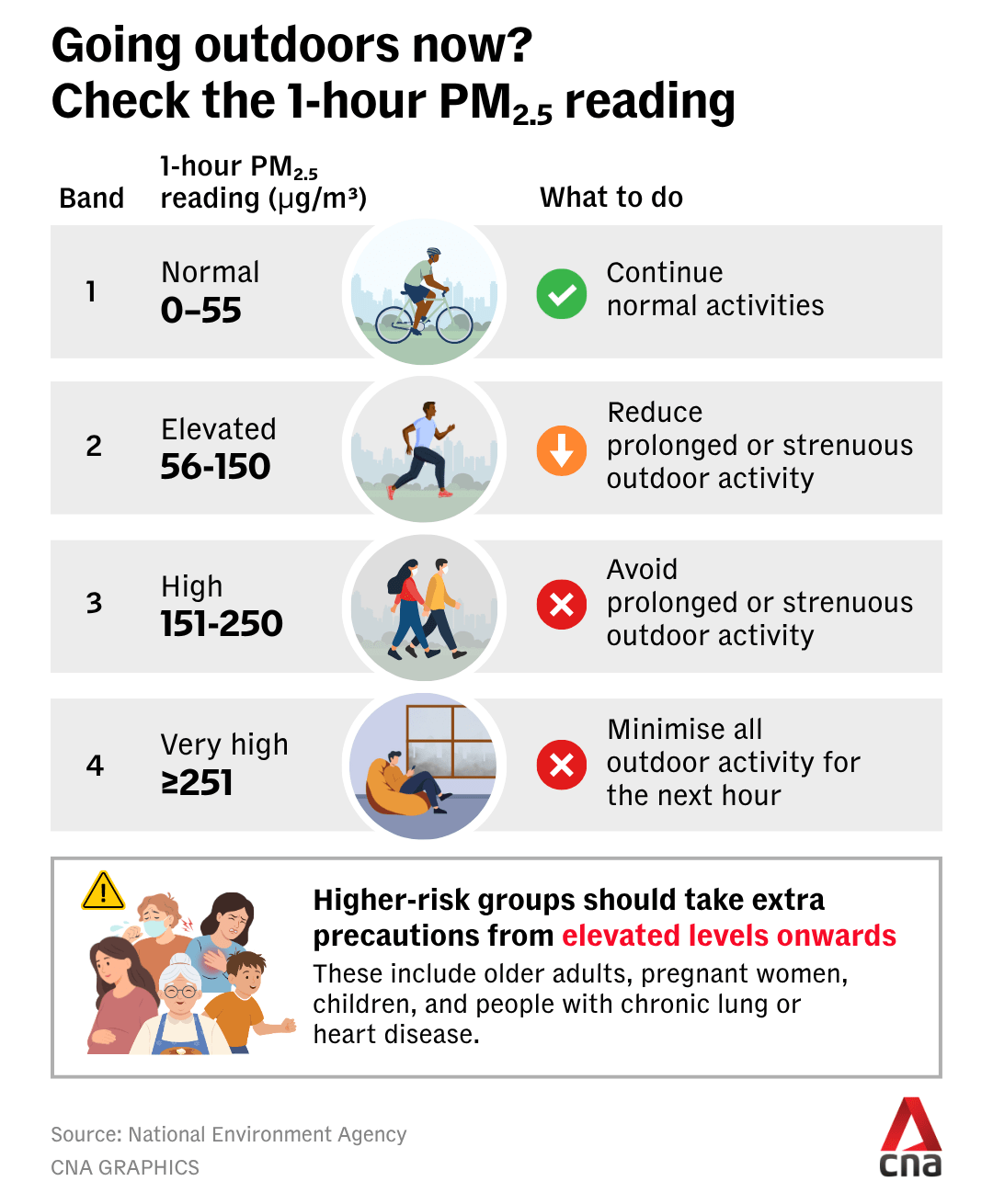
The 1-hour PM2.5 reading, on the other hand, is the hourly average of the PM2.5 pollutant levels. PM2.5 is fine particulate matter with a diameter of 2.5 micrometres or shorter, and is the dominant pollutant during haze that causes harm to health.
While the 24-hour PSI is an average of the past 24 hours, the one-hour PM2.5 reading reflects the air quality at a single point in time.
A 24-hour PSI reading is considered “very unhealthy” when it is within the 201-300 range, and “hazardous” when it goes over 300.
In an earlier joint media release issued on behalf of agencies in the Haze Task Force (HTF), NEA said those in the task force have implemented their respective action plans and advisories to protect public health and well-being.
NEA’s daily haze advisories will include the 24-hour PSI forecast, which can be used by the public to plan their activities and events for the next 24 hours.
Source: CNA/nh/aj
Sign up for our newsletters

Get the CNA app
Stay updated with notifications for breaking news and our best stories
Get WhatsApp alerts
Join our channel for the top reads for the day on your preferred chat app

Get bite-sized news via a new
cards interface. Give it a try.
Click here to return to FAST
Tap here to return to FAST
FAST