Skip NavigationMarketsBusinessInvestingTechPolitics & PolicyVideoWatchlistInvesting Club PRO
PRO LivestreamMenu
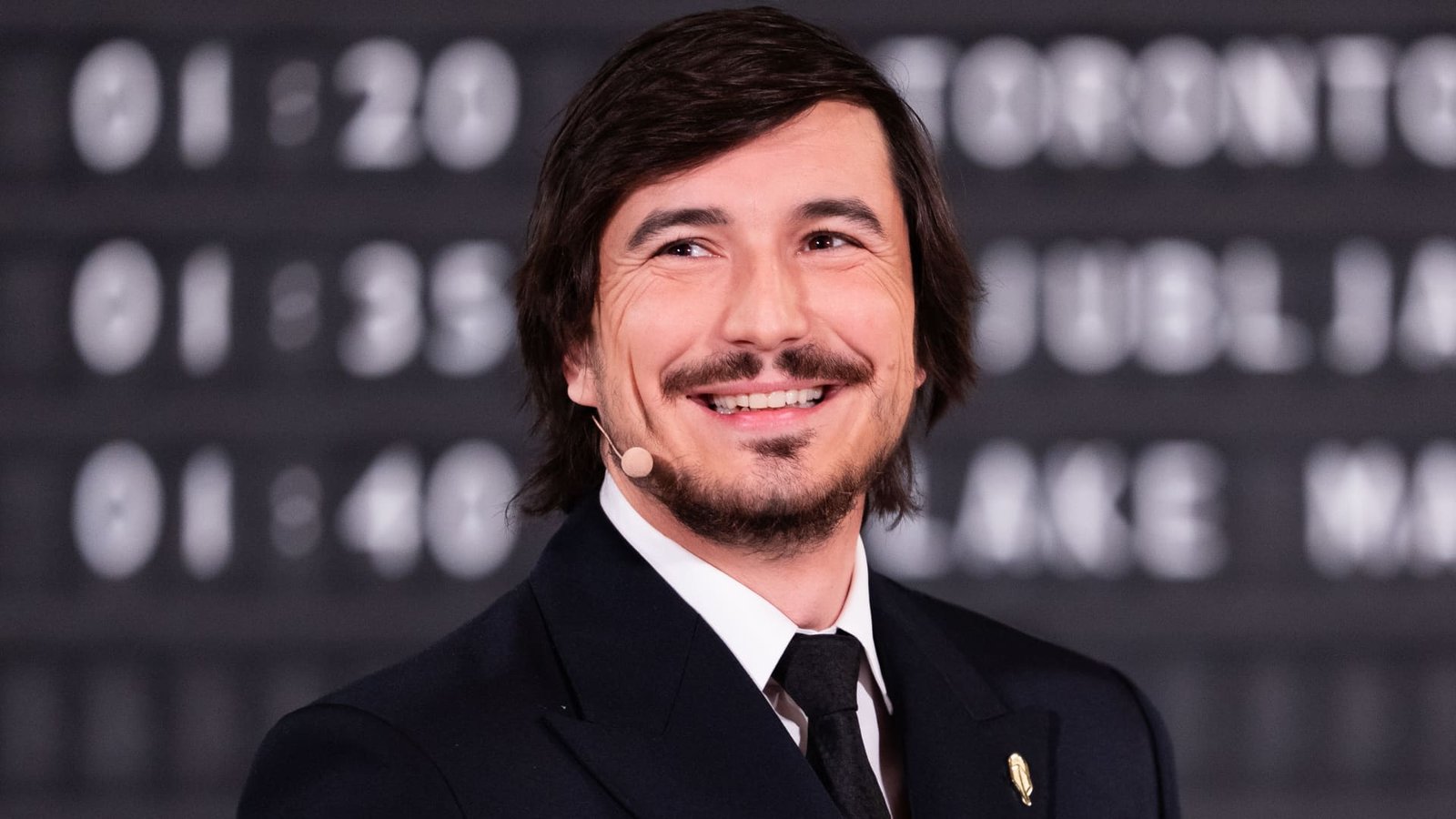
- Robinhood CEO Vlad Tenev wants to use trading as a way to acquire customers and then continue to manage their wealth throughout their lifetime.
- “If you think about active traders as a part of our business, it’s really the engine room and the foundation of our business,” Tenev said on CNBC’s “Mad Money.” “The products that we build to serve traders allow us to acquire customers and get them into products that you know are perhaps a little bit less sexy, but long-term more important.”
Robinhood made its name bringing commission-free stock trading to a generation of young investors. Now, it wants to manage their wealth as they get older and richer.
The strategy advances Robinhood’s goal of capturing more business from existing users, enabling the company to grow total revenue and profits faster than new users join its now-maturing platform. Wall Street is already seeing that strategy in action. While Robinhood’s 28 million funded accounts at the end of the June quarter represented 7% year over year, the company’s average revenue per user was up 24%.
CEO Vlad Tenev laid out that strategy in an interview on CNBC’s “Mad Money” that aired Friday, explaining how Robinhood uses trading to bring customers onto the platform before expanding those relationships into retirement accounts, financial advice and other wealth management services.
“If you think about active traders as a part of our business, it’s really the engine room and the foundation of our business,” Tenev said. “The products that we build to serve traders allow us to acquire customers and get them into products that are perhaps a little bit less sexy, but long-term more important.”
Tenev pointed to retirement accounts as one example. The company offers subscribers to Robinhood Gold, its paid membership tier, a 3% match on eligible IRA retirement contributions. He said these accounts are more portable and allow workers to keep the same retirement account as they move between jobs rather than relying on an employer-sponsored 401(k). But he said those accounts aren’t necessarily what bring customers to Robinhood in the first place.
“We actually get customers from a wide variety of different means, including prediction markets, stock trading, crypto, and once they come into Robinhood, we’ve actually seen that, at relatively high rates, they’re adopting all of our products and opening up retirement accounts and building a comprehensive financial relationship,” Tenev said.
Tenev sees the massive generational wealth transfer as an opportunity to deepen those relationships.
“Over $100 trillion in wealth is passing from older generations to younger,” Tenev said. “That’s an accelerating and very large asset transfer over the next several decades.”
As those customers accumulate wealth, Tenev said their needs can expand to trusts, estate planning, private wealth management and private banking.
Robinhood is already building out those capabilities through its expansion into managed investing, banking and credit cards. It also acquired portfolio management platform TradePMR in February 2025 and this year began rolling out an advisor network connecting customers with registered investment advisors.
“Our challenge … is how can we offer these high-net-worth quality products to the mass market at very low prices?” Tenev said.
Investors are starting to give Robinhood more credit for that opportunity. Shares are up about 6% this year, and have especially been making a comeback over the past few months. The stock has rallied roughly 38% since the start of August. Morgan Stanley also recently upgraded Robinhood to overweight and raised its price target to $150 from $124, arguing Robinhood’s newer businesses could support a longer growth runway.
“HOOD’s expanding product set gives customers more reasons to consolidate assets on the platform and reduces graduation risk as its largely Gen Y/Z customer base accumulates greater wealth and financial complexity,” analyst Michael Cyprys wrote.
For Tenev, the goal is for Robinhood to bring services traditionally reserved for wealthier clients to its much broader customer base.
“It used to be that you had to go into a building with big columns and talk to expensive people wearing suits in order to get some of these services,” Tenev said. “With technology we can make the front door much bigger and open it up to tens of millions.”
Sign up now for the CNBC Investing Club to follow Jim Cramer’s every move in the market.
Questions for Cramer?
Call Cramer: 1-800-743-CNBC
Want to take a deep dive into Cramer’s world? Hit him up!
Mad Money Twitter – Jim Cramer Twitter – Facebook – Instagram
Questions, comments, suggestions for the “Mad Money” website? madcap@cnbc.com