


Skip NavigationMarketsBusinessInvestingTechPolitics & PolicyVideoWatchlistInvesting Club PRO
PRO LivestreamMenu
- The Chamber of Commerce, Business Roundtable, National Association of Manufacturers and American Petroleum Institute warned against a diesel export ban.
- The industry groups told President Donald Trump in a letter that a ban would raise fuel prices, not lower them.
- Trump is facing growing political pressure from Republican lawmakers in farm states like Iowa to take action on fuel prices ahead of U.S. midterm elections.
 watch nowVIDEO02:00It’s not just diesel, Iowa farmers are facing higher costs across the board ahead of key midterm raceFast Money
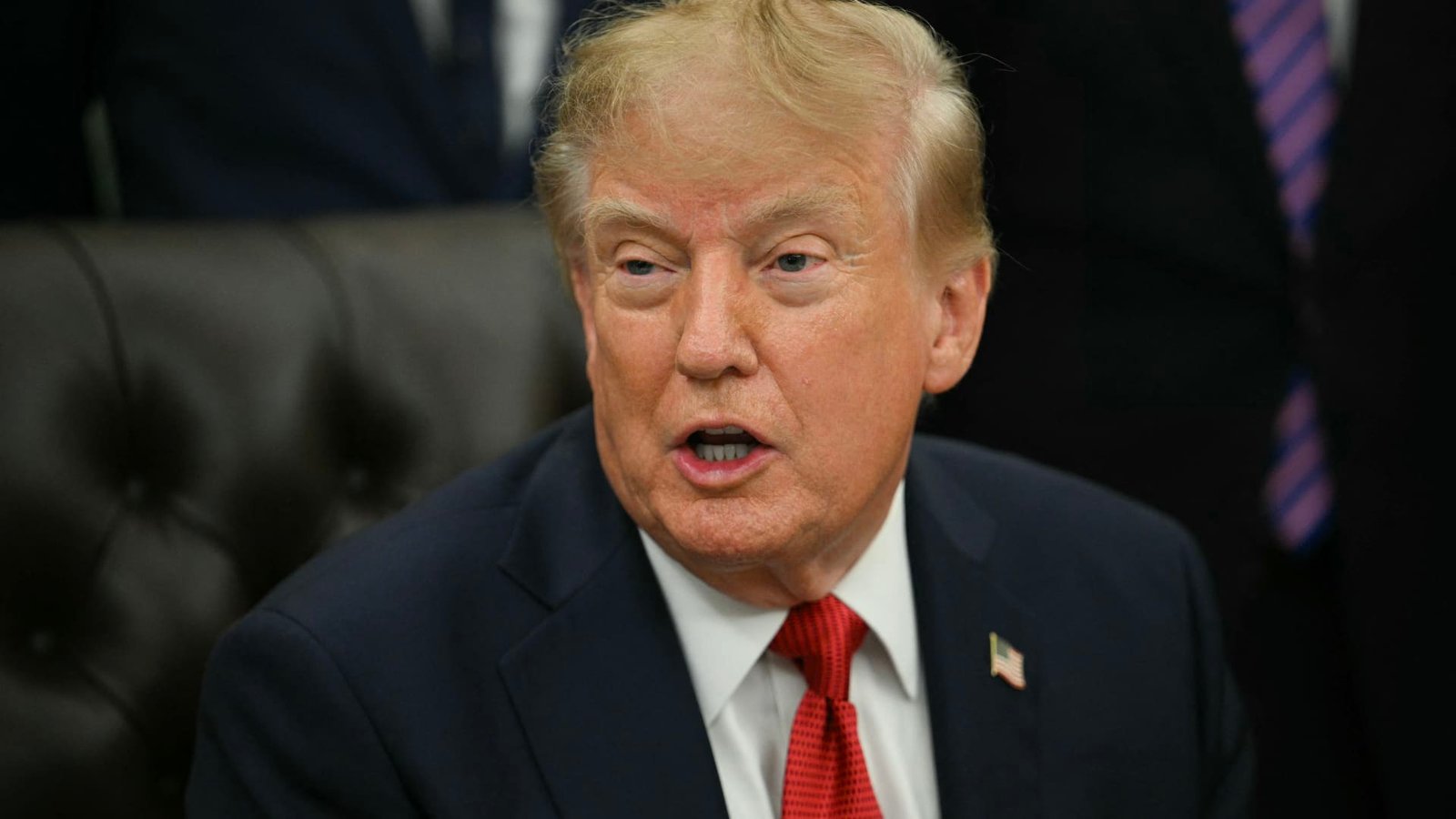
The biggest business groups in the U.S. warned President Trump against a diesel export ban this week, saying in a joint letter that such an action would prove counterproductive and raise fuel prices rather than lower them.
The U.S. Chamber of Commerce, Business Roundtable, National Association of Manufacturers, American Petroleum Institute and dozens of other groups told Trump that an export ban would “lead to less fuel production, tighter supplies and rising costs for American families, farmers and truckers.”
“You have been asked by some to ban or limit the export of diesel to help lower prices, when in fact the opposite would occur,” the groups warned in the letter sent to Trump on Wednesday.
You can download the letter here
Trump is facing growing political pressure from Republican lawmakers in farm states including Iowa to take action to lower fuel prices ahead of the U.S. midterm elections. Diesel cost a national average of $6.51 per gallon Thursday, $2.82 more expensive than the same period last year, according to data from AAA.
Trump said Tuesday that he has advocated for an export ban during deliberations within the administration. The remarks took the oil industry and business groups by surprise.
“I’ve said let’s not send out the diesel. We make a lot of diesel,” Trump told reporters on the sidelines of the U.N. General Assembly in New York. “I’ve called for it within my people. I’ve been talking about it.”
Feasibility study
Asked by Trump to explain the administration’s deliberations to the press, Treasury Secretary Scott Bessent said the White House was examining whether an export ban is “feasible in terms of the overall refining capacity and whether a full or partial ban would work.”
A report on Politico Wednesday citing unnamed sources that the administration was preparing a plan to ban diesel exports for 90 days drove down diesel futures and shares of U.S. oil refiners.
But U.S. Energy Secretary Chris Wright told The New York Times later Wednesday that “nobody wants a full blanket ban or zero exports of diesel.”
“That’s not being discussed,” Wright told the Times. “What’s being discussed is what’s the most efficient way to get more diesel into the United States of America and continue maximum flows of gasoline and jet fuel and all that.”
Wright, an oil industry veteran who previoulsy served as CEO of oilfield servicer Liberty Energy, has said a diesel export ban would raise U.S. gasoline prices.
Energy experts say an export ban would lead to a brief collapse in diesel prices in some U.S. regions but fuel prices would then shoot higher as refiners cut production in response to the restrictions.
Diesel prices have soared as Ukraine’s attacks on Russian refineries have forced Moscow to ban diesel exports. Russia was previously the second-largest diesel exporter in the world. A ban on U.S. diesel exports would remove the global market’s largest source of supply.
Iran and its Houthi allies have also attacked refineries in the Middle East, and exports through the Strait of Hormuz are constrained as Iran continues to threaten and attack tankers.







