https://p.dw.com/p/5Pp5TPrefer DW on Google
New HIV infections could rise next year for the first time in years, reversing a historic decline amid funding cuts and anti-rights campaigns, the United Nations (UN) warned on Tuesday.
“The world has moved closer towards controlling the HIV pandemic, but changes in funding and resulting service disruptions jeopardize this progress,” the UNAIDS agency said in its annual global update.
AIDS-related death numbers has fallen to its lowest in more than two decades. According to the organization, this was made possible by broader access to treatment and improvements in the quality of care programs.
The virus claimed roughly 570,000 lives globally in 2025. This means almost 1,600 people died everyday. In comparison, this figure was 600,000 in 2024 and 1.3 million in 2010.
Based on data from 172 countries, the agency estimated that 41 million people worldwide were living with HIV in 2025, of whom 32.1 million were receiving antiretroviral treatment.
The wider use of antiretroviral medication also reduces the risk of HIV transmission, the organization said. It estimates that 1.2 million people contracted HIV in 2025, down from 1.3 million the year before. The peak in 1994 saw 3.5 million.
“HIV, which was once a death sentence, has become a manageable health condition for millions of people thanks to life-saving HIV medicines,” said UNAIDS.
‘Dramatic impacts’ of US aid cuts
Despite the encouraging data so far, cuts to international funding have hampered efforts to fight HIV, the agency warned.
HIV programs faced an 18-percent decrease in international financing over the past year, said UNAIDS.
“Funding losses have destabilized HIV programs worldwide, coinciding with a wider contraction in official development assistance over the years,” it said.
Although the United States remains the largest international donor for HIV programs, its contributions dropped by 26% between 2024 and 2025.
To view this video please enable JavaScript, and consider upgrading to a web browser that supports HTML5 video
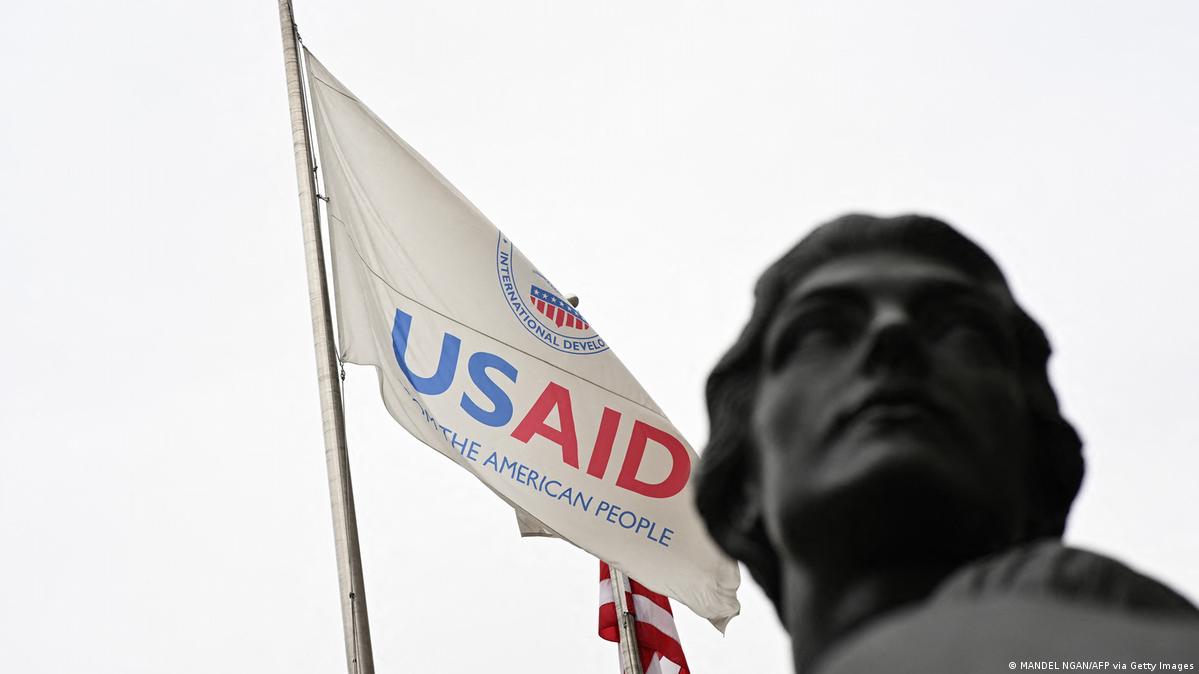
After dismantling USAID, the world’s largest foreign aid agency, last year, the Donald Trump administration has sought to replace decades of aid with new bilateral deals.
“The impact of the United States government funding cuts has been especially dramatic given the reliance of many countries on its support for core HIV programs,” said UNAIDS.
Meanwhile disbursements from the Global Fund to Fight AIDS, Tuberculosis and Malaria dropped by 13% in 2025.
Next year’s data may show rising infections
“We are on the cusp of ending AIDS – this has been the greatest story of global health – and just when we should finish it, cuts and the rolling back of human rights is threatening to take away our gains,” Winnie Byanyima, executive director of UNAIDS, told Reuters.
“We haven’t got the data yet, but we see the signs. We see all the signs of reversals,” she added.
Byanyima predicted that data released in 2027 would begin to reflect a rise in new HIV infections.
In 2015, the UN set a goal to end AIDS by 2030.
To view this video please enable JavaScript, and consider upgrading to a web browser that supports HTML5 video