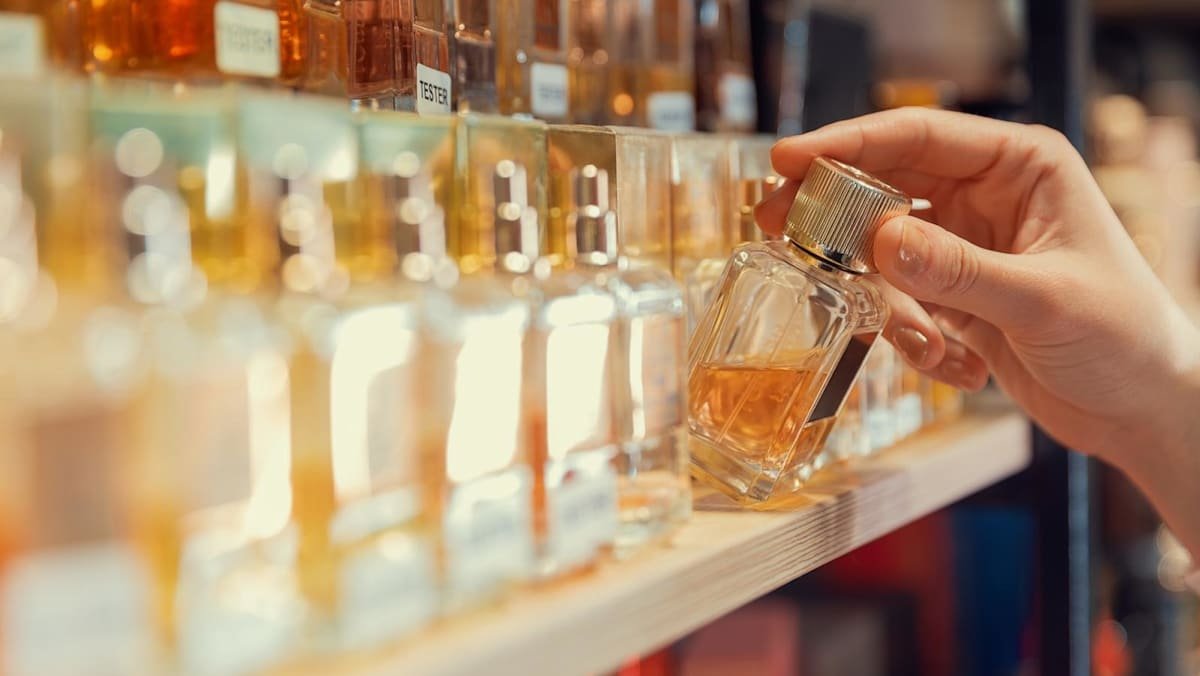
From Chanel to Dior, why perfume is becoming luxury’s bright spot
Fragrances are among the faster-growing areas of the beauty industry — though investing in them isn’t straightforward.
Perfume has become an increasingly important gateway product for luxury brands, even as the wider sector faces uneven demand. (Photo: iStock/Alexey DS)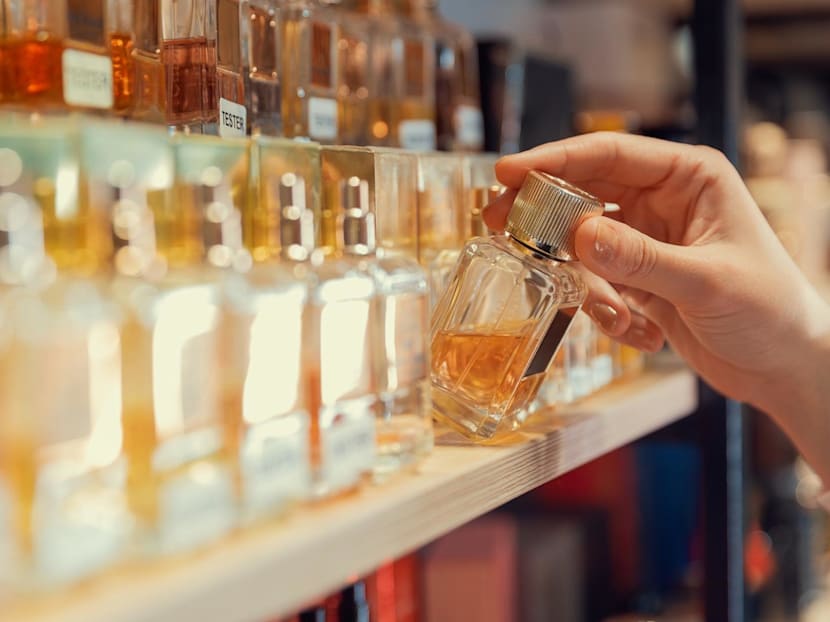
Read a summary of this article on FAST.
Get bite-sized news via a new
cards interface. Give it a try.
Click here to return to FAST
Tap here to return to FAST
FAST
When the beauty industry is transfixed by the age-defying properties of snail slime, the origin of luxury perfume — a sperm whale’s insides — seems positively pedestrian. Fragrances, though, are one of the faster-growing elements of the personal care world, helped by their position as a gateway product for prestige brands.
The global beauty market should grow at a 5 per cent annual clip through to 2030, McKinsey forecasts. Within that, fragrance is expected to grow the most consistently throughout the pricing spectrum, as sales steady after a boom period. That was driven by trends for layering multiple scents and for lighter formats such as body mists. By the end of the decade, fragrance will rival haircare as the second-biggest segment, the consultancy reckons, behind skincare but well ahead of colour cosmetics.
Investing in scents isn’t straightforward. Many of the best-known names such as Dior sit in luxury powerhouses such as LVMH, whose fortunes depend far more on handbags and champagne. Beauty brands too have proven problematic. Estee Lauder is in the middle of a broader restructuring. This year’s merger talks with Spain’s Puig, which would have added significantly to its fragrance portfolio, failed. Coty, licensee of Hugo Boss and Burberry among others, is also undergoing a turnaround after its shares halved in the past year.
Perhaps the sniffy attitude of many perfume leaders — self-styled world number one L’Oreal included — to breaking out their fragrance businesses for investor assessment is one reason US-listed, Paris-based Interparfums has outperformed them all so far this year. Holder of licences for Jimmy Choo, Longchamp, Coach and Montblanc, among many others, it is somewhat similar to eyewear specialist EssilorLuxottica, which is known for glasses for labels, ranging from Chanel to Miu Miu, alongside its own brands, including Oakley and Ray-Bans.
Interparfums’ asset-light model — unlike EssilorLuxottica, it outsources actual manufacturing to others — makes the 44-year-old company nimble when it comes to taking on new licences or developing its own luxury offering, as it is now doing with Solférino. While last year’s 2.5 per cent profit growth won’t set investor hearts aflame, it compares well against the flat or falling earnings reported by LVMH, L’Oreal, Estee Lauder and Coty. Interest in upcoming launches for Longchamp, a new win, should help.
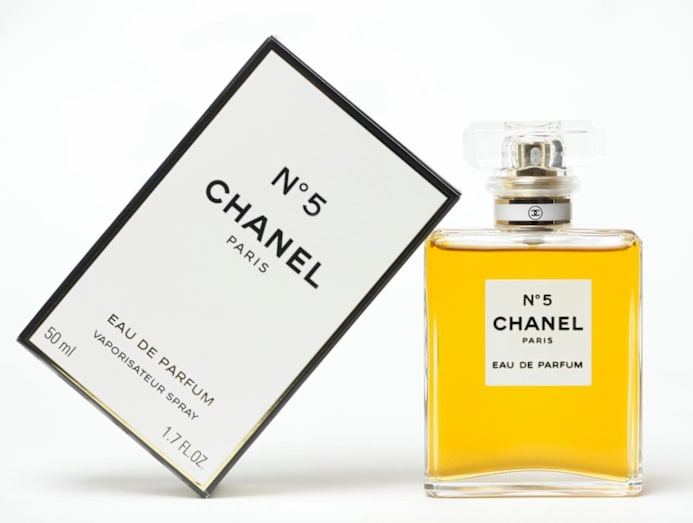
While Chanel No 5 may have made it to 105 years of age, most brands come nowhere near. Fragrance is a crowded market: two decades back, there were about 300 launches per year and now there are more than 2,000, reckon Berenberg analysts, which could limit profitability. Still, so long as humans desire to smell nice — something that will hopefully never fall from fashion — perfumes should provide the troubled luxury industry with a reassuringly buoyant base note.
This article originally appeared in The Financial Times
© 2026 The Financial Times
Source: Financial Times/bt
Get bite-sized news via a new
cards interface. Give it a try.
Click here to return to FAST
Tap here to return to FAST
FAST
About The Author