39 minutes agoShareSaveAdd as preferred on GoogleThomas NaadiAccra
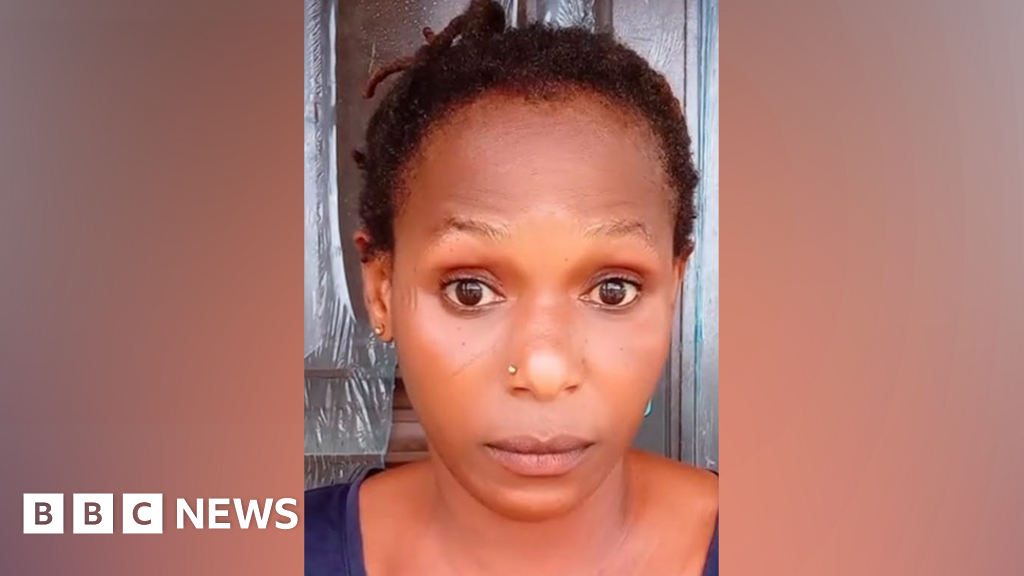
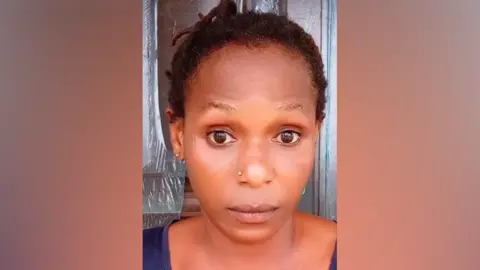 Camilla Alhassan/TikTok
A Ghanaian TikToker has been sentenced to a year in prison after pleading guilty to charges of offensive conduct and publication of false news over posts she had made about President John Mahama.
Last month and early this month, Camilla Alhassan shared a series of videos alleging, without providing evidence, that the president sacrificed 32 cows as part of a ritual to help him win the 2024 general election.
The 43-year-old also alleged that a government initiative to distribute sanitary pads to recent flood victims was an attempt to conceal what she claimed he had done.
The judge turned down an appeal for a lighter punishment, ruling that a custodial sentence would discourage similar conduct.
Prosecutors had argued that Alhassan, who has more than 70,000 followers on TikTok, had made a series of false and defamatory allegations against the president.
Her widely shared videos, which led to Alhassan’s arrest earlier this month, prompted renewed debate in Ghana about misinformation on social media and how to strike the balance between criminal sanctions and freedom of expression.
The judge said that the sentence was necessary to curb the spread of falsehood, which is becoming prevalent on social media.
This is not the first time an influencer has been jailed in Ghana.
Last September, popular TikToker David Kwodwo Prah Afful, known as Kwame Nkrumah II, was sentenced to seven months in prison after being found guilty of making a death threat and producing offensive conduct conducive to a breach of the peace.
He had threatened to kill Mahama and members of parliament in a viral video.
Last year, the president said that his government was considering ways to “sanitise” social media, instructing the authorities to track down and arrest those spreading misinformation and disinformation.
“I’m sending a signal to Ghanaians that if you peddle falsehood, hate speech and make utterances to cause fear and panic, we will find you,” he said at a press conference.
A year ago, Communications Minister Samuel Nartey George announced plans to introduce legislation to combat the issue.
The proposed law would create a legal framework for enforcement while seeking to safeguard free speech.
Ghana is widely regarded as one of West Africa’s strongest democracies, with constitutional protections for freedom of expression and a vibrant media landscape.
However, concerns have grown in recent years over the spread of false information on social media, prompting calls for stronger regulation while rights groups warn against measures that could restrict free speech.
Go to BBCAfrica.com for more news from the African continent.
Follow us on Twitter @BBCAfrica, on Facebook at BBC Africa or on Instagram at bbcafrica
BBC Africa podcastsAfricaGhana
About The Author