
Your body skin ages too: How to care for it through your 20s, 30s, 40s and beyond
These are the signs of ageing you could be missing.
How to keep your skin healthy and youthful. (Photo: iStock)
New: You can now listen to articles.

This audio is generated by an AI tool.

Read a summary of this article on FAST.
Get bite-sized news via a new
cards interface. Give it a try.
Click here to return to FAST
Tap here to return to FAST
FAST
Most of us have a skincare routine for our faces. We cleanse, moisturise, apply serums and never leave the house without sunscreen.
But what about skincare for the rest of our body?
If your body care routine begins and ends with a quick shower, you’re not alone. Yet according to dermatologists, the skin below our necks ages too – and while it may do so more gradually than facial skin, it is not immune to dryness, sagging, pigmentation and loss of elasticity.
So should we be treating body skin the same way we treat our faces?
The answer is yes – and no.
IS BODY SKIN REALLY THAT DIFFERENT FROM FACIAL SKIN?
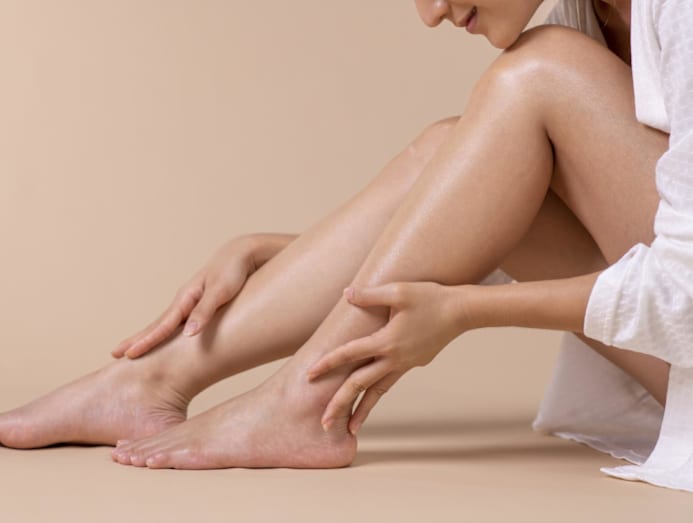
While the skin on the face and body is made up of the same basic layers, there are important differences.
“The skin on our body is generally thicker, contains fewer oil glands and is more resilient than facial skin,” said Dr Coni Liu, dermatologist at Dermally Specialist Skin Clinic & Surgery.
Facial skin, meanwhile, is constantly exposed to UV rays, pollution, temperature changes and repeated facial movements. Much of the skin on our body is protected by clothing, making it less reactive and less prone to moisture loss, explained Dr Lynn Chiam, dermatologist at Children & Adult Skin Hair Laser Clinic.
As a result, skin on the body usually requires less intensive care than facial skin – but that doesn’t mean it should be ignored.
TELLTALE SIGNS SKIN ON THE BODY IS AGEING

Just like facial skin, body skin undergoes the same biological ageing process. However, because it is thicker and often shielded from environmental stressors, the signs may appear more gradually.
According to Dr Chiam, here are five common signs to look out for:
1. Loss of firmness and elasticity
As collagen and elastin production declines, skin can start to feel less taut. This is often most noticeable on the upper arms, abdomen, thighs and buttocks.
2. Crepey skin
Thin, crinkled skin that resembles crepe paper can develop on the upper arms, above the knees, inner thighs, chest and forearms.
3. Persistent dryness
Ageing skin produces less oil and struggles to retain moisture. This can lead to rough texture, flaking and itchiness.
4. Uneven pigmentation
Sunspots can appear on the chest, shoulders, forearms and hands after years of UV exposure. White spots associated with long-term sun damage may also develop on the arms and legs.
5. Thinning skin and easy bruising
As the epidermis becomes thinner with age, blood vessels become more fragile and bruising occurs more easily, particularly on the hands and forearms.
THE 3-STEP BODY CARE ROUTINE DERMATOLOGISTS RECOMMEND
The good news? Body care doesn’t have to be complicated.

Both dermatologists agree that a simple routine built around three essentials is enough for most people:
- Gentle cleansing
- Daily moisturising
- Sun protection on exposed areas
“The biggest mistake people make is assuming body skin doesn’t need sunscreen,” said Dr Liu.
MOST OVERLOOKED AREAS OF THE BODY
Don’t neglect areas like the chest, hands and feet. These parts of the body are often exposed to the elements just as much as the face, yet many forget to include them in their body care routine which can result in them becoming drier and showing signs of ageing earlier.
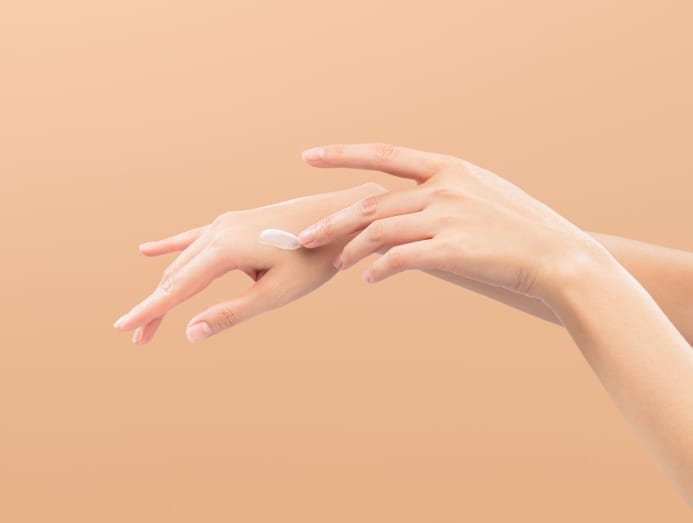
In particular, the hands can reveal your age just as quickly as your face. According to Dr Chiam, common signs of ageing include more visible veins and tendons, age spots, thinner skin, wrinkles and a loss of fullness.
The hands can reveal your age just as quickly as your face.
To keep hands looking their best, Dr Liu recommends using a gentle hand wash and applying hand cream regularly throughout the day, especially after washing your hands. If you do chores like washing dishes or cleaning, wear gloves to protect the hands from drying out.
The chest area deserves just as much attention. “The decolletage should be treated like facial skin,” said Dr Liu, explaining that it is frequently exposed to the sun and can be one of the first places to show signs of ageing.
Besides applying sunscreen daily, she suggests extending your facial skincare routine down to the neck and chest. Products containing ingredients such as retinoids can also help improve skin texture and address early signs of ageing.

Don’t forget your feet. Use a gentle cleanser and thoroughly dry them after showering – especially between the toes to keep fungal infections at bay.
If your heels tend to be rough or cracked, apply a rich foot cream regularly, focusing on the soles and heels. Avoid moisturising between the toes as excess moisture can encourage fungal growth.
HOW TO DO BODYCARE RIGHT FOR EVERY AGE
In your 20s: Focus on prevention
This is the decade to establish healthy habits and minimise future damage.
Prioritise:
- Daily sunscreen on exposed areas
- Avoiding excessive tanning and UV exposure
- Maintaining skin hydration
If you’re prone to body acne, consider a benzoyl peroxide or salicylic acid body wash a few times a week.
Benzoyl peroxide helps eliminate acne-causing bacteria and reduce inflammation, while salicylic acid dissolves excess oil and unclogs pores.
One habit to avoid? Over-cleansing.
While Singapore’s hot and humid weather may make multiple showers tempting, Dr Liu advises limiting showers to twice daily. Excessive washing can strip the skin of its natural oils, weaken the skin barrier and worsen dryness.
In your 30s: Protect collagen and maintain hydration
Collagen production starts slowing down in our late 20s and early 30s.
Continue using sunscreen consistently and pay extra attention to often-neglected areas such as the neck, chest and hands.
This is also a good time to introduce:
- Ceramide-rich body lotions
- Retinoid-based body products for early signs of ageing
- Barrier-repairing moisturisers
In your 40s: Address dryness and loss of firmness
As skin becomes drier and less elastic, hydration becomes increasingly important.
Look for ingredients such as:
- Retinoids
- Niacinamide
- Lactic acid

These ingredients can help boost cell turnover, support collagen production and improve uneven skin tone.
Lactic acid offers an added benefit by acting as a humectant, drawing moisture into the skin while gently exfoliating rough texture.
This is also the decade to pay attention to areas that tend to show ageing earlier, including the neck, hands, elbows and knees.
In your 50s and beyond: Strengthen and support the skin barrier
As skin becomes thinner and more fragile, the focus should shift to comfort, hydration and resilience.
Dermatologists recommend:
- Using cool rather than hot water
- Choosing fragrance-free cleansers
- Applying richer creams and ointments
- Avoiding products that strip or irritate the skin
Ingredients such as urea can be particularly beneficial because they provide intense hydration while gently smoothing rough, bumpy skin commonly found on the upper arms and thighs.
WHAT TO KNOW
Unlike facial skincare, body care doesn’t need to involve a cabinet full of products.
A gentle cleanser, a good moisturiser and consistent sun protection remain the foundation of healthy skin at every age.
The key is starting before signs of ageing become obvious – because just like the face, the skin on your body remembers every year of neglect.
Source: CNA/yy
RECOMMENDED
Get bite-sized news via a new
cards interface. Give it a try.
Click here to return to FAST
Tap here to return to FAST
FAST