Israel says Saudi recognition would be ‘historic’ for regional peace
“Saudi Arabia’s joining of the Abraham Accords would be a historic leap forward for peace in the Middle East,” Israeli Prime Minister Benjamin Netanyahu said after the US announced a civilian nuclear deal with Saudi Arabia.
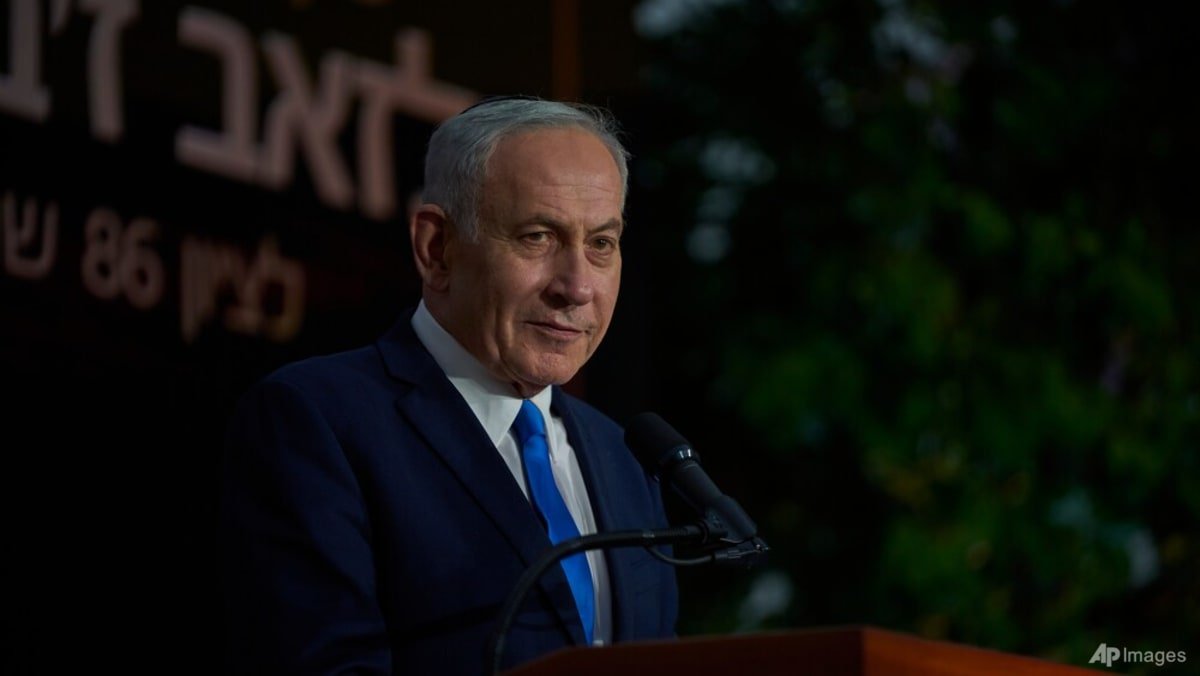
Israeli Prime Minister Benjamin Netanyahu speaks at the state memorial for Ze’ev Jabotinsky, at Mount Herzl Military Cemetery in Jerusalem, Tuesday, Jul 14, 2026. (Photo: AP/Ohad Zwigenberg)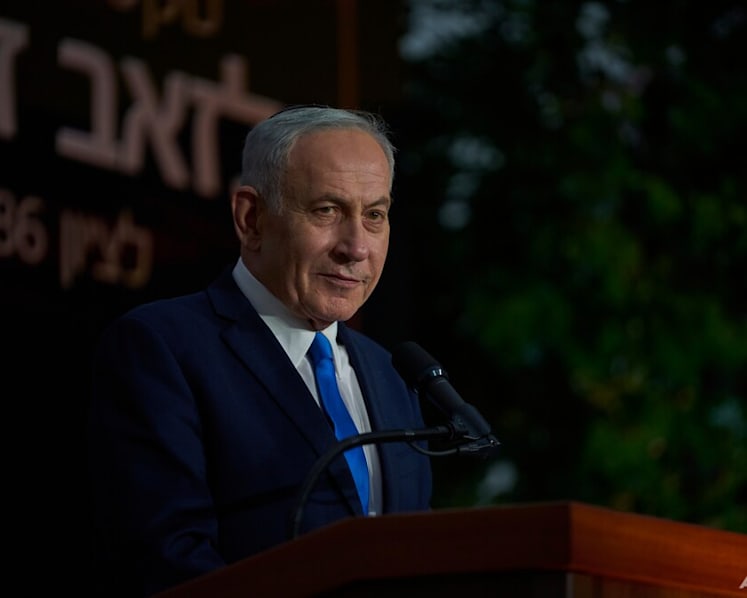
Read a summary of this article on FAST.
Get bite-sized news via a new
cards interface. Give it a try.
Click here to return to FAST
Tap here to return to FAST
FAST
JERUSALEM: Israeli Prime Minister Benjamin Netanyahu’s office said on Thursday (Jul 23) that Saudi recognition of Israel would be a significant step towards peace in the Middle East.
The United States and Saudi Arabia announced a landmark deal the previous day to establish a civilian nuclear programme in the kingdom, which US President Donald Trump said would be contingent on Riyadh normalising relations with Israel.
“Saudi Arabia’s joining of the Abraham Accords would be a historic leap forward for peace in the Middle East”, Netanyahu’s office said after Trump’s announcement.
“The joint American and Israeli military action against the genocidal regime in Tehran and Israel’s crushing of Iran’s terror axis have created the possibility to expand the circle of peace.”
The Abraham Accords are a series of US-brokered normalisation agreements signed during Trump’s first term, under which Israel established formal diplomatic relations with the United Arab Emirates and Bahrain for the first time, followed by Morocco.
Sudan also signed on to the accords, but later descended into civil war and has never ratified or implemented them.
The deal marked a break from the long-standing position in Arab countries that normalisation with Israel should wait until a Palestinian state was established.
The accords were widely framed as reshaping regional alignments around shared concerns about Iran rather than the Israeli-Palestinian conflict.
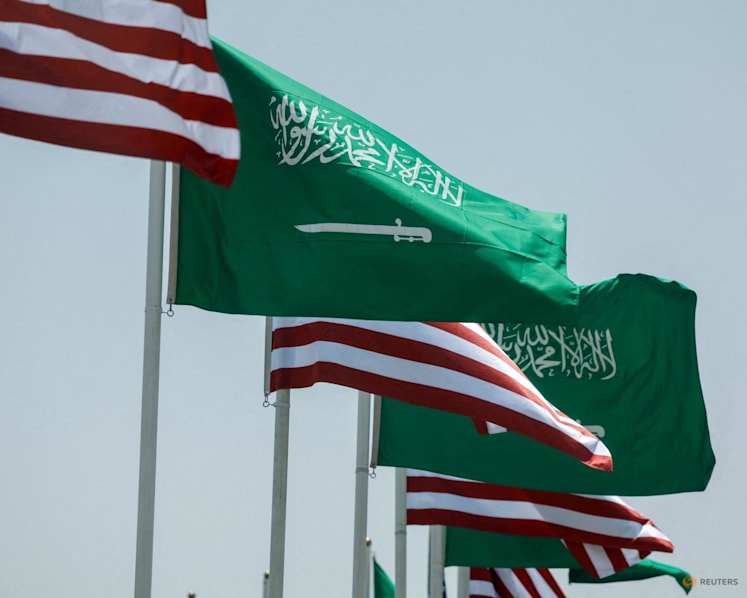

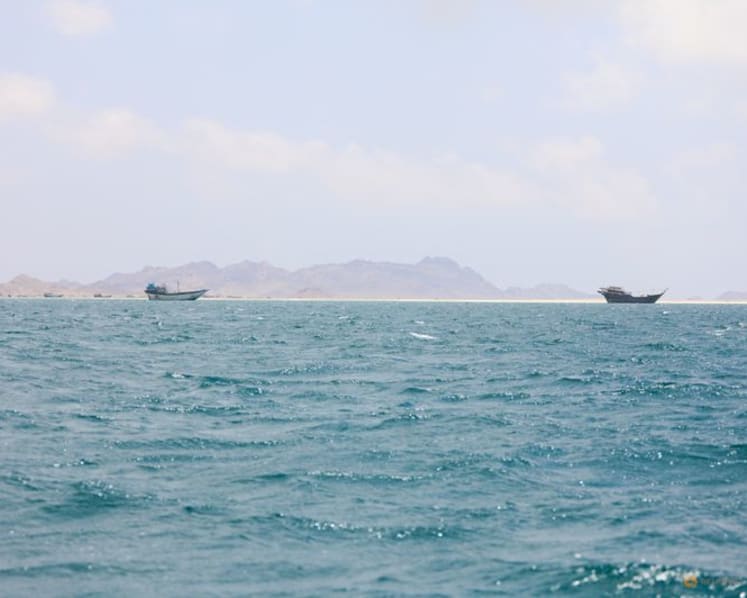
Saudi Arabia, the region’s largest economy and home to Islam’s two holiest sites, has so far stayed out of the accords.
Riyadh has maintained that it will not normalise relations with Israel without a clear path to Palestinian statehood.
But the kingdom has long been seen as the most consequential potential addition to the Abraham Accords, with negotiations advancing at various points before stalling.
Just days before Hamas’s Oct 7, 2023 attack on Israel, US officials said talks on Saudi-Israeli normalisation were making progress.
Some analysts argued the attack was intended, at least in part, to derail a prospective deal.
Source: AFP/fs
Sign up for our newsletters

Get the CNA app
Stay updated with notifications for breaking news and our best stories
Get WhatsApp alerts
Join our channel for the top reads for the day on your preferred chat app

Get bite-sized news via a new
cards interface. Give it a try.
Click here to return to FAST
Tap here to return to FAST
FAST