Dior and Louis Vuitton help their owner LVMH return to growth
LVMH, the luxury group behind Dior and Louis Vuitton, returned to growth in its biggest business for the first time in two years, helped by Dior’s recovery under Jonathan Anderson and resilient US demand.
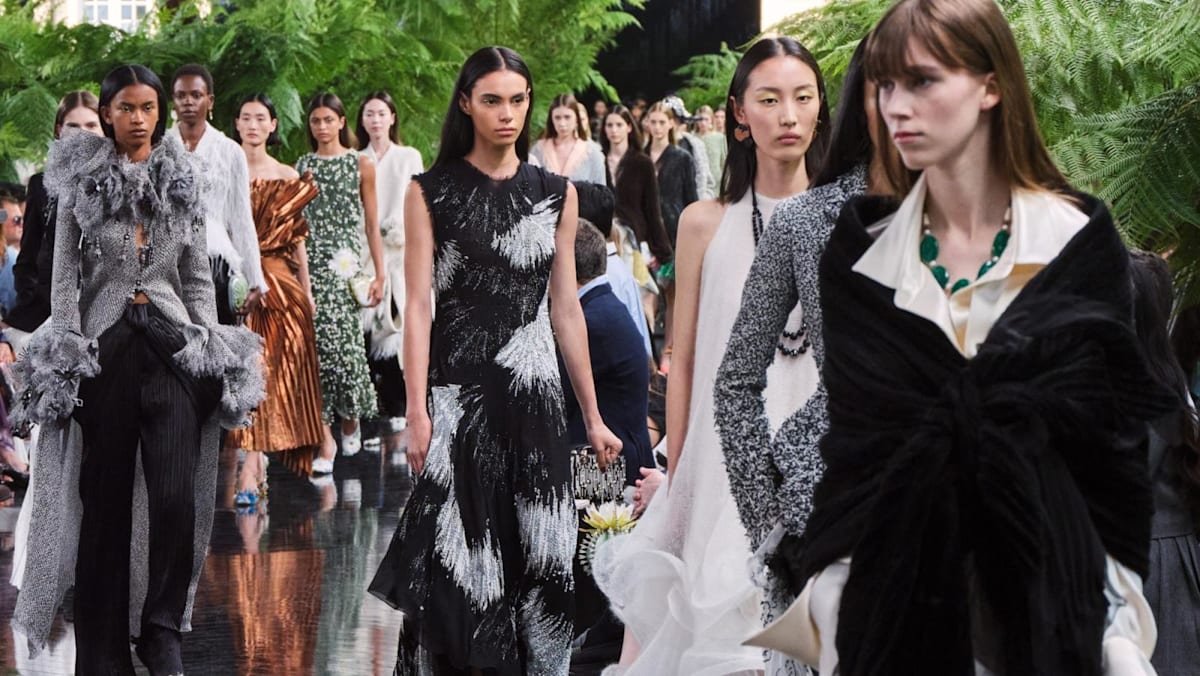
Dior creative director Jonathan Anderson has been under pressure to quickly gain traction with clients in the face of formidable competition from Chanel. (Photo: Dior/Adrien Dirand)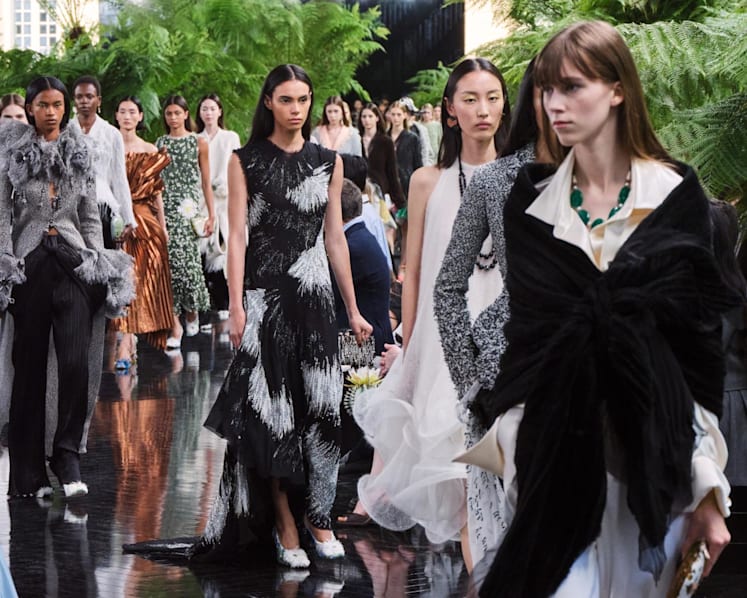
Read a summary of this article on FAST.
Get bite-sized news via a new
cards interface. Give it a try.
Click here to return to FAST
Tap here to return to FAST
FAST
Sales at LVMH’s key fashion and handbags division returned to growth for the first time in two years as the luxury leader benefited from strong US sales and a recovery in demand at Dior under new creative director Jonathan Anderson.
Revenue at the Paris-listed group’s fashion and leather goods business rose 1 per cent organically year-on-year to €8.9 billion (US$10.12 billion; S$13.08 billion) in the second quarter, slightly below consensus analyst estimates.
The increase ended a run of seven consecutive quarters of declines amid a luxury market weighed down by geopolitical turbulence and steep price rises by LVMH and other leading houses.
Sales at Louis Vuitton and Dior grew during the second quarter, with Vuitton increasing sales at a similar rate to the broader business and Dior “slightly above”, said LVMH chief financial officer Cecile Cabanis.
Anderson has been under pressure to quickly gain traction with clients in the face of formidable competition from Chanel. Cabanis said the arrival of Anderson’s new collections in stores had strengthened sales of Dior handbags and ready-to-wear fashion lines.
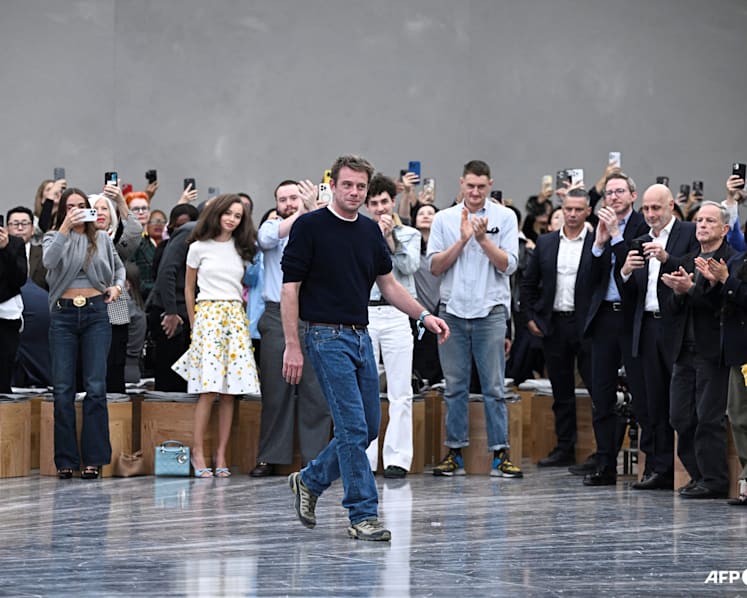
Cabanis pointed to a double-digit percentage increase in sales of Dior goods in the US and Japan as evidence that “theories” that luxury had become a zero-sum game between brands in the sector were not correct.
“Where there is wealth creation, there is an appetite for luxury goods,” said Cabanis, pointing to strong stock market performance in the US and South Korea, driven by the AI boom.
Group sales at LVMH rose 3 per cent on an organic basis to €19.5 billion in the second quarter, ahead of consensus estimates. Profit from recurring operations fell 4 per cent in the first half of the year to €8.7 billion because of currency fluctuations, but operating profit margins remained stable at 22.5 per cent.
LVMH’s latest results came as chief executive Bernard Arnault took to social media site X for the first time on Monday (Jul 27) to thank supporters for their messages following his acerbic rebuttal to a series of articles in Le Monde. The reports included allegations of disunity within the billionaire’s family and details of the power he wields within LVMH and beyond.
“It appears that I am the head of ‘the last royal family of France’,” he wrote in his response, adding that he hoped “to save energy for all those elsewhere who are betting on a family’s disintegration to sell papers. They’ll be waiting a long time.”
Cabanis said the Middle East conflict had reduced organic growth for the quarter by one percentage point as tourist traffic has been slow to return to shopping destinations in the Gulf.
LVMH’s jewellery and watch sales rose 11 per cent in the second quarter, driven by Tiffany and Bvlgari.
The wine and spirits division, previously the group’s laggard, also showed improvement, with sales growing by 5 per cent in the quarter, driven by demand for champagne and rosé. Cabanis said demand for cognac has improved in China, but remains subdued in the US.
Adrienne Klasa © 2026 The Financial Times.
This article originally appeared in The Financial Times.
Source: Financial Times/bt
Get bite-sized news via a new
cards interface. Give it a try.
Click here to return to FAST
Tap here to return to FAST
FAST
About The Author