14 minutes agoShareSaveAdd as preferred on GoogleOttilie Mitchell

 EPA/Shutterstock
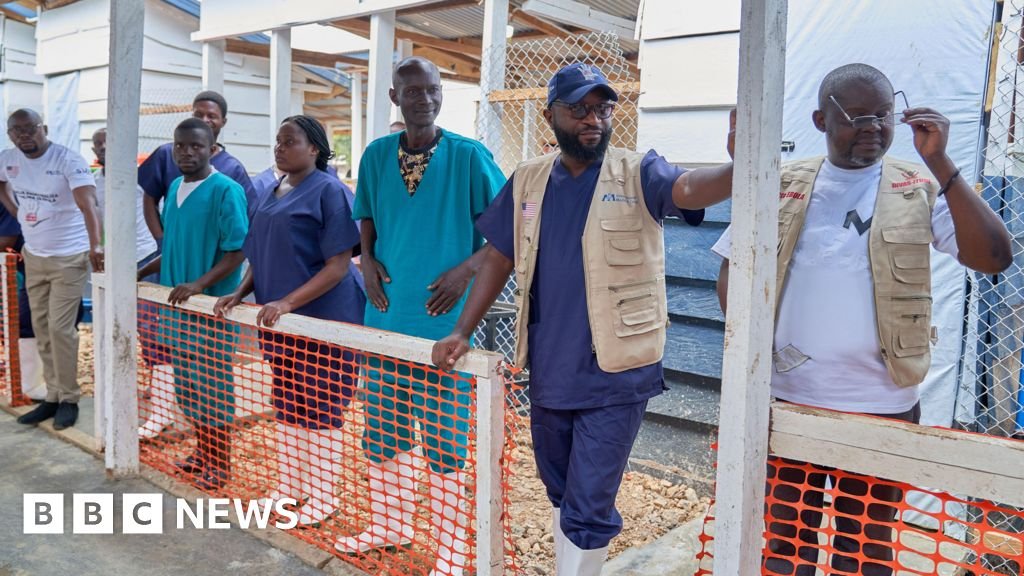
The Ebola outbreak in the Democratic Republic of Congo is now the deadliest in its history, according to public health officials.
A total of 2,325 people have been killed by the virus since it was declared on 15 May, surpassing the death toll of the country’s 2018-2020 outbreak.
The outbreak was already the fastest growing on record, UN humanitarian chief Tom Fletcher said last week, warning that “the epidemic is killing someone every 30 minutes”.
There is currently no approved vaccine available for the Bundibugyo species that has caused the current epidemic but several are in development, including one based on technology used to develop the AstraZeneca Covid-19 vaccine.
DR Congo’s Institute of Public Health on Sunday said it had recorded 4,945 confirmed cases, including 101 in the previous 24 hours.
Comparatively few cases have been identified outside the country: as of 12 August, 20 cases were confirmed in neighbouring Uganda, while two people were treated in Germany and one case was declared in France.
However, the pace of the virus’s transmission in Dr Congo, where it has spread to six of 26 provinces, has been described as “exceptional” by the World Health Organization.
According to Reuters, it took close to five months for the world’s deadliest outbreak of 2014-2016 in West Africa to reach 1,000 fatalities – the current outbreak reached 2,000 deaths in less than three months.
The outbreak is the 17th to have emerged in DR Congo since Ebola was discovered 50 years ago. Years of conflict and a highly mobile population have added to the country’s challenges in controlling the spread of the disease.
The WHO has said it hopes to reverse the spread of the disease within three months but warned that this meant bringing transmission under control and not ending the outbreak entirely.
Ebola is a rare but deadly viral disease and the Bundibugyo species is even rarer, with only two known prior outbreaks.
Symptoms of Ebola, which are similar to the flu or malaria, include fever, headache and tiredness, and can begin suddenly within two to 21 days of infection.
As the disease progresses, vomiting and diarrhoea can develop, leading to organ failure. Contact with infected bodily fluids such as blood or vomit causes the virus to spread.
The UK’s medicines regulator, the MHRA, has given permission for the first human trials of a vaccine for Bundibugyo to go ahead.
The jab is being created by a team from the University of Oxford based on the same technology used in the Oxford-AstraZeneca Covid vaccine. Three other groups are also developing different vaccines for Bundibugyo.
The WHO is also sponsoring a separate clinical trial in DR Congo to see whether two existing antiviral therapies can improve survival rates.
Democratic Republic of CongoEbola virus
About The Author