From punchline to plotline: Menopause is finally having its pop culture moment
From TV shows to pop music and manga, menopause is increasingly being portrayed honestly rather than for laughs. Experts say this shift is helping midlife women feel seen and society better understand this life stage.
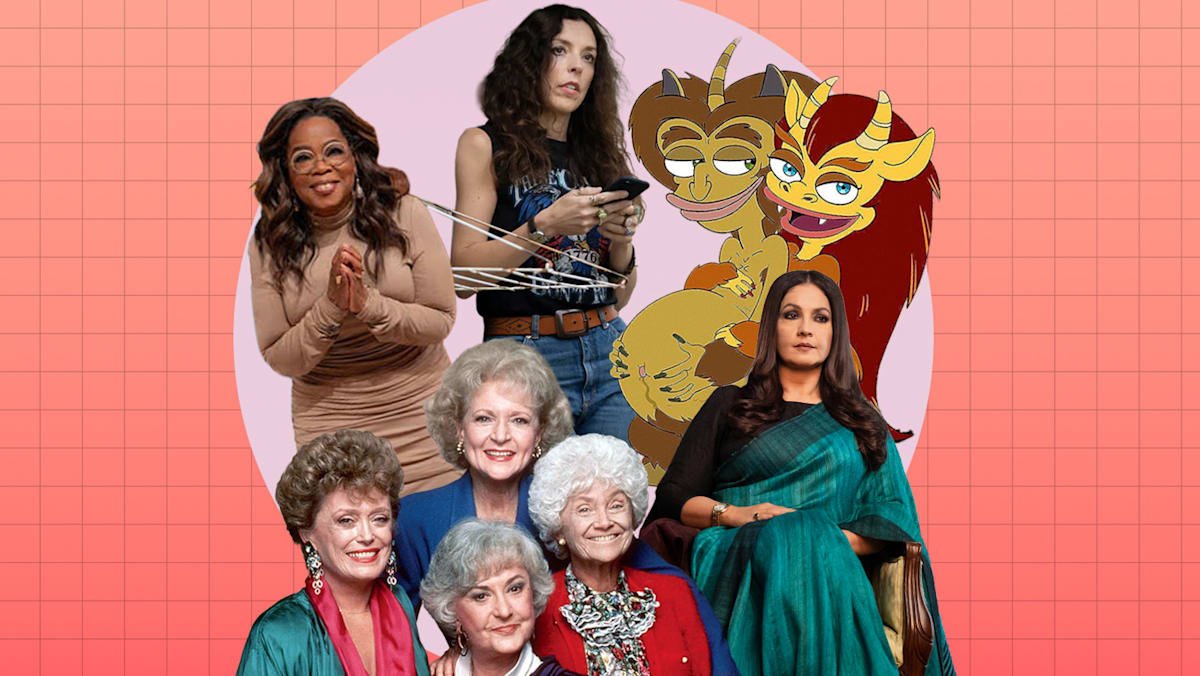
From TV sitcoms and K-dramas to animated series, menopause representation is increasing and becoming part of women’s storylines on screen, rather than simply being played for laughs. (Photos: Disney+, Disney/Eric McCandless, Jon Hall/Channel 4, Netflix, IMDb.com; Art: CNA/Jasper Loh)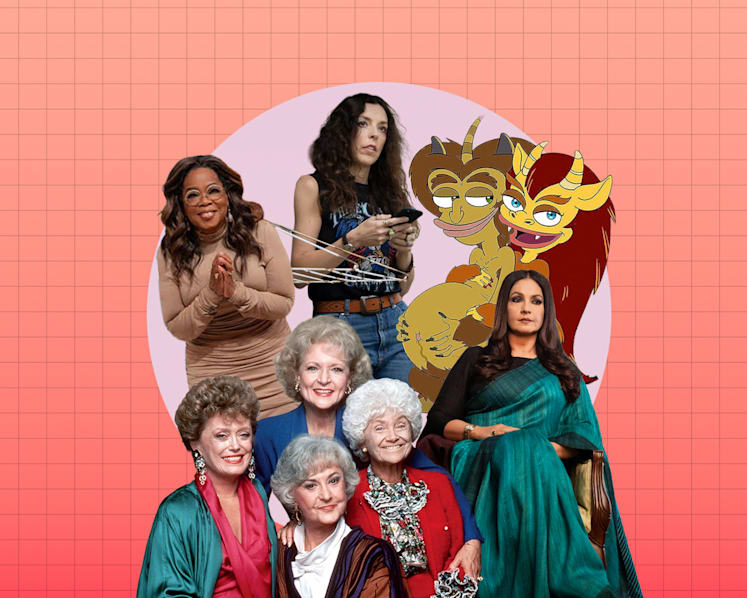
New: You can now listen to articles.

This audio is generated by an AI tool.

Read a summary of this article on FAST.
Get bite-sized news via a new
cards interface. Give it a try.
Click here to return to FAST
Tap here to return to FAST
FAST
Representation in the arts has been a hot topic in recent years, with calls for greater diversity in gender, race, disability and more, in TV shows and movies. But there’s another less-talked-about demographic gaining attention too – menopausal women.
Women going through the transition used to be shown on screen as being cranky and a little bit crazy. In That ’70s Show, the American teen sitcom that ran from 1998 to 2006, menopause was described as “that horrible thing that’s taken over your mother”, “the lady parts problem” and “a tricky enemy”.
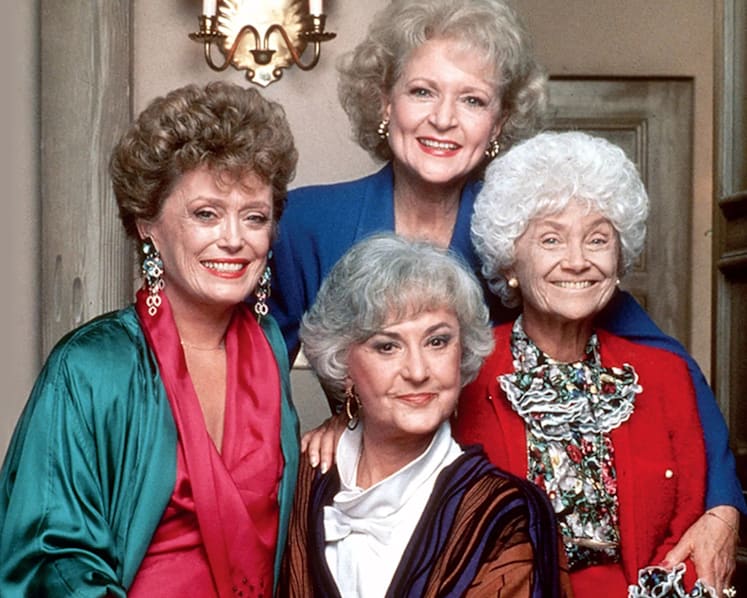
While the classic sitcom The Golden Girls did tackle menopause, the topic was played for laughs rather than to raise awareness or gain understanding.
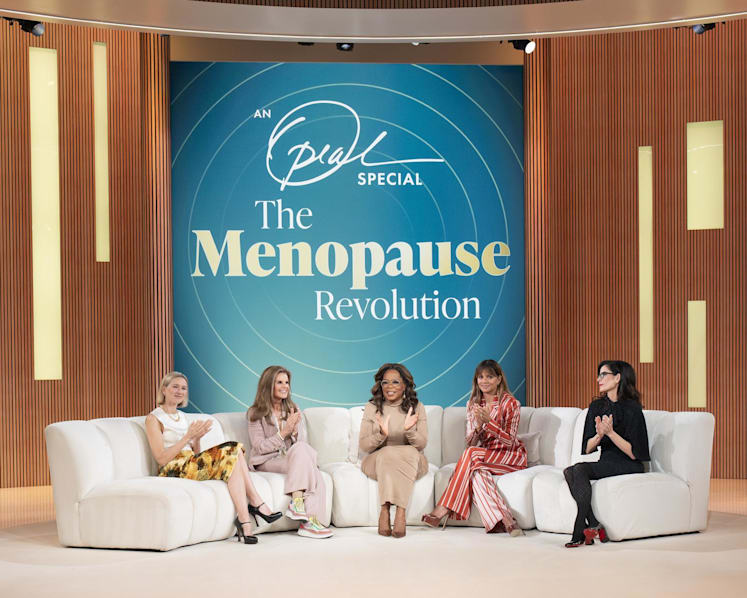
In recent years, conversations about menopause have moved into the mainstream, helped by celebrities such as actresses Naomi Watts and Halle Berry, and talkshow host Oprah Winfrey who have spoken openly about their experiences.
The 2024 documentary film The M Factor: Shredding The Silence On Menopause explored how menopause affects women’s careers and the gaps in medical education around women’s midlife health.
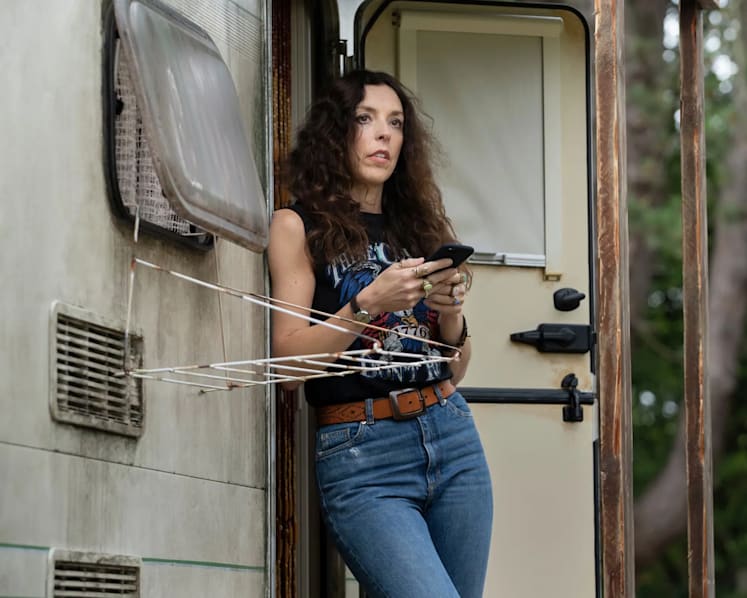
Menopause is also increasingly being addressed in TV shows that are not specifically about the life stage, bringing the conversation to audiences beyond menopausal women.
In 2019, British comedy drama Fleabag featured Kristin Scott Thomas as a 58-year-old woman whose monologue about ageing and menopause went viral. Her character described menopause as “horrendous”, but ultimately “magnificent”.
That same year, Netflix’s adult animated comedy Big Mouth, about three teenagers going through puberty, introduced the Menopause Banshee, who visits one of the teen’s mothers and warns her that “the change is coming”.
More recently, menopause has become the focus of two British TV series. In 2023’s The Change, a 50-year-old woman going through menopause sets out to find an identity beyond being a mother or wife.
In 2025’s Riot Women, five menopausal women form a punk rock band. They experience hot flushes, get an unexpected heavy period and even write a song about menopause.
Apple TV’s Your Friends & Neighbours wove menopause into its second season, with Amanda Peet’s character experiencing insomnia, brain fog and menopausal rage. While promoting the season earlier this year, Peet, 54, praised the show’s male creator for including this storyline for her 50-year-old character.
Menopause is also moving beyond the screen. English singer Sophie Ellis-Bextor, 47, released an album in 2025 titled Perimenopop. The title is a fun play on the stage of life she’s in as well as her love for making pop music.
MENOPAUSE-RELATED SHOWS TO WATCH
The Golden Girls
The American sitcom, which ran from 1985 to 1992, follows four older women who live together and find joy, comfort and laughs as they navigate ageing and daily life. Watch it on: Disney+
Big Mouth
The American adult animated series centres on a group of teenagers as they grapple with grown-up issues as they get older. Watch it on: Netflix
Your Friends & Neighbours
Starring Jon Hamm and Amanda Peet, this American dark comedy-drama is about a hedge fund manager who turns to a life of crime after he loses his job. Watch it on: Apple TV
Fleabag
An award-winning British comedy-drama about a free-spirited young woman living in London who is often angry and confused about life. Watch it on: Amazon Prime Video
Bombay Begums
Five ambitious women across generations in India navigate their careers, desires and personal vulnerabilities. Watch it on: Netflix
Painful Pride
The Hindi short film highlights the social stigma of menopause in Indian society. Watch it on: YouTube
Reply 1988
The third instalment in the Reply anthology, the K-drama follows five teenage friends and their families living in the same Seoul neighbourhood against the backdrop of a changing South Korea in the 80s.
Watch it on: Netflix and Viu Singapore
Mr Plankton
A man (Woo Do-hwan) who has only months to live sets out to find his biological father, gatecrashing his ex-girlfriend’s (Lee You-mi) wedding and taking her along on his journey.
Watch it on: Netflix
An Oprah Winfrey Special: The Menopause Revolution
Winfrey chats with medical experts about menopause, with celebrity guests such as Halle Berry and Naomi Watts. Watch it on: Disney+
The M Factor: Shredding The Silence On Menopause
A 2024 documentary that delves into the silent impact of menopause on women’s careers, health, and financial security. Available to buy here.
Davina McCall documentaries
The English TV presenter is a prominent menopause advocate. Her Davina McCall: Sex, Mind and the Menopause and Davina McCall: Sex, Myths and the Menopause address the taboos and realities of menopause. Watch them on: YouTube
That ’70s Show, The Change and Riot Women are currently not available on Singapore streaming sites.
Collapse
Expand
NORMALISING THE MENOPAUSE EXPERIENCE
Valery Tan, co-founder of local menopause platform Surety, said menopause representation is changing as more women in this phase of life create shows, and conversations around menopause become more open.
“The women who grew up watching television and consuming media in the 80s and 90s are now entering perimenopause themselves. They’re asking, ‘Why didn’t anyone tell me this was coming?’ That demand for better information is becoming harder to ignore,” she told CNA Women.
Plus, social media has given women a platform to share experiences directly, which has changed the conversation from ‘I’m the only one’ to ‘Why aren’t we talking about this?’, she said.
Tan added: “Pop culture often reflects conversations that society is already having and menopause is beginning to reach that tipping point.”
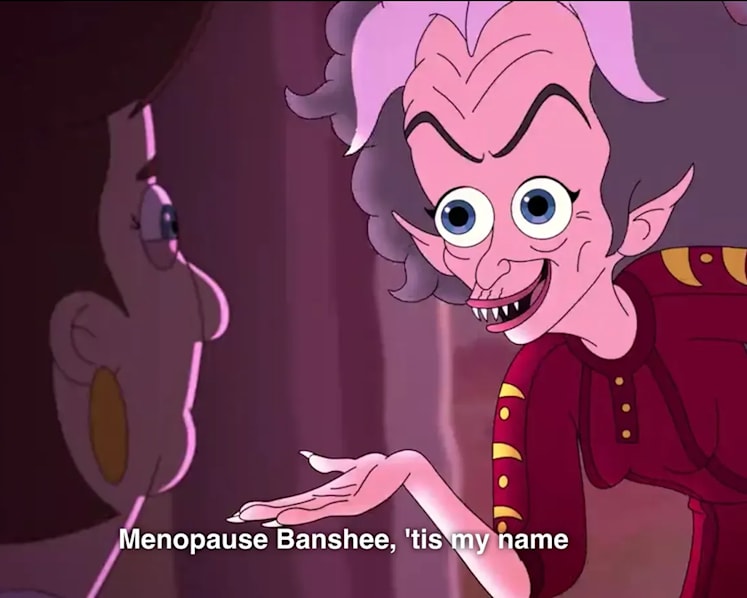
When audiences see a character openly saying, “I’m in perimenopause, menopause or midlife”, rather than simply being portrayed as irritable or emotional, it gives language to an experience that many women may not have been able to identify, she said.
“Representation doesn’t just educate women; it also educates partners, children, colleagues, employers – anyone around them,” Tan added. “It creates empathy across generations and helps people understand that menopause is a life stage, not a personality change.”
It also normalises the menopause experience. Grace Oh, founder of Asian menopause platform SOL (Spring of Life), said representation gives the experience a name and gives women permission to use it – in the same way mental health was brought to the forefront a decade ago.
“When a woman sees a character name brain fog or other symptoms as menopause, she has language to bring to her doctor and her workplace instead of blaming stress, burnout or ageing,” Oh told CNA Women. “You can’t normalise what people never see. Visibility is the first step to care.”
NO LONGER TREATED AS A JOKE
Associate Professor Deborah Shamoon from the Department of Japanese Studies at National University of Singapore’s Faculty of Arts and Social Sciences, said mentioning menopause in popular media can reduce shame and stigma.
This shift in how menopause is shown on screen humanises the experience.
“It’s only a joke if women’s bodies are treated as inherently shameful,” said Assoc Prof Shamoon, whose research has covered topics such as film and popular culture as well as female representation in Japanese media.
“When women are considered as full human beings worthy of respect, and when women have agency in how they are portrayed in popular media, menopause can be treated as a normal human experience.”
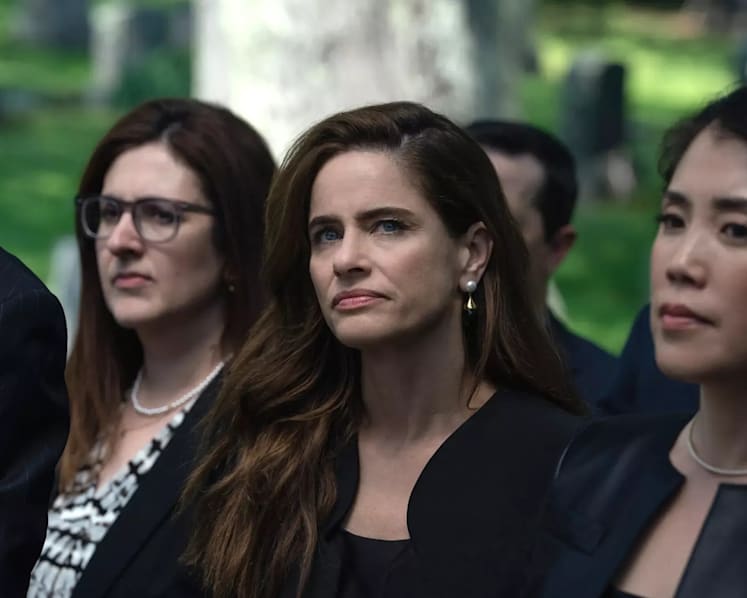
Representation certainly has real-world consequences. In the second season of Netflix’s Sex Education, Gillian Anderson’s character discusses menopause with her doctor. The actress revealed in a 2024 interview that women came up to her and thanked her “as they felt seen”.
THE ASIAN CONVERSATION
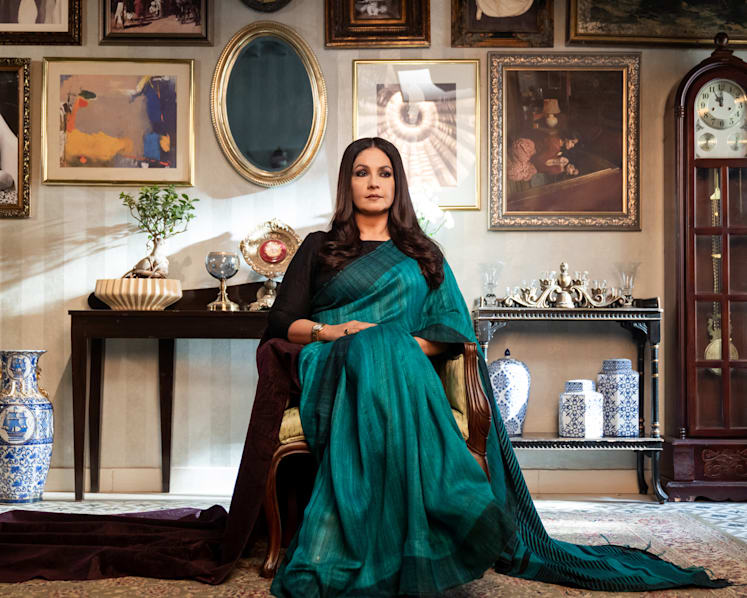
Asia is also waking up to menopause representation. The 2021 Indian drama series Bombay Begums – currently streaming on Netflix – features a 49-year-old female chief executive officer of a bank grappling with middle age.
In one scene, she walks out of a board meeting as she’s hit by perimenopause symptoms. She goes to the bathroom to splash cold water on her face and dry her sweaty armpits under the hand dryer, not wanting to show her colleagues what she’s going through for fear of sexism or ageism.
Two years before that, the Indian short film Painful Pride followed a woman and her family’s acceptance of menopause.
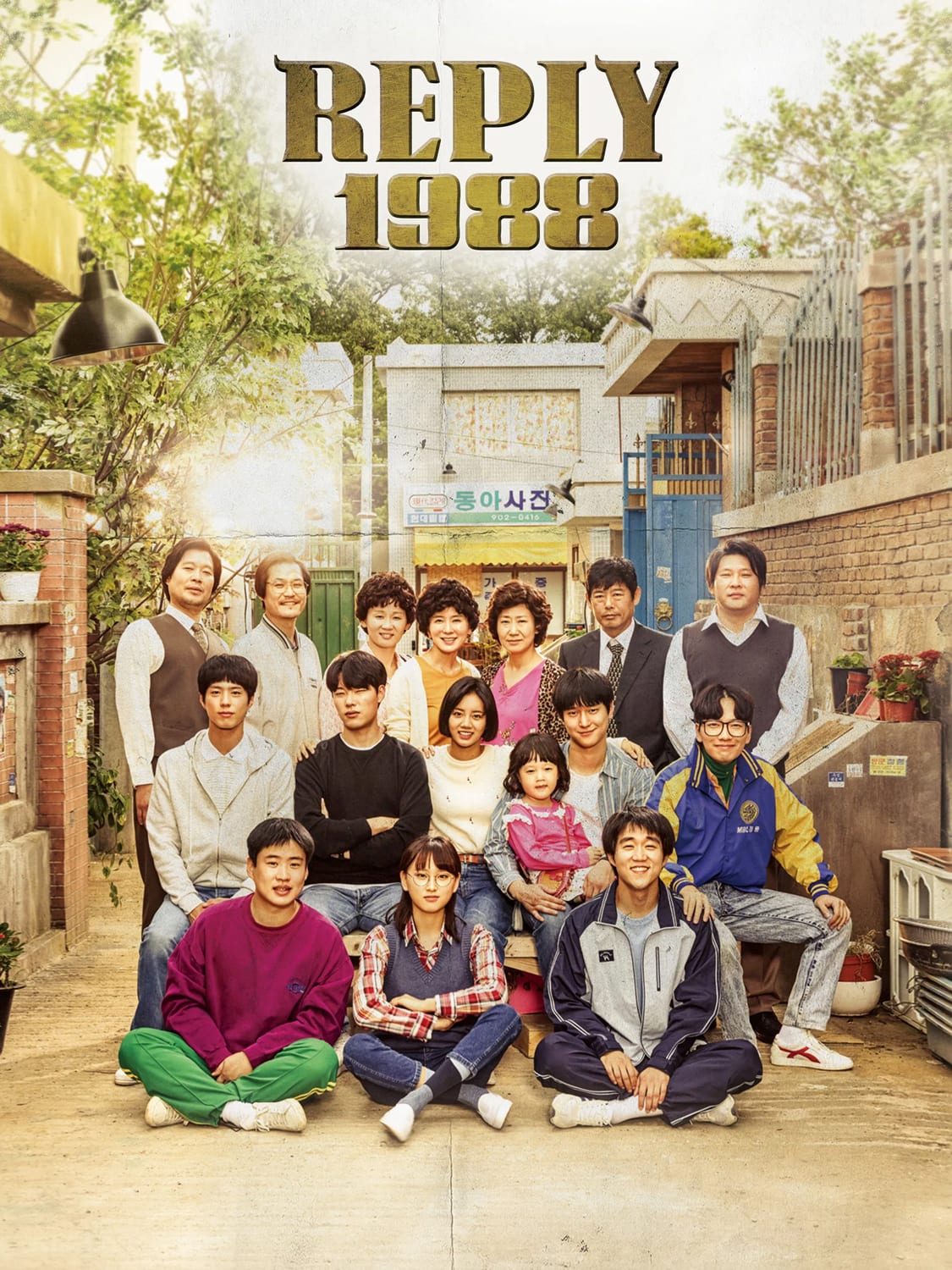
In the hit K-drama Reply 1988, a subplot involved one of the neighbourhood mothers, played by Ra Mi-ran, going through menopause – hot flushes, mood swings and depression – and how her family supported her through it.
In another K-drama, Mr Plankton, the protagonist Jo Jae-mi (Lee Yoo-mi) is diagnosed with premature menopause at 28, just as she is about to marry into wealth – with the condition that she produce a male heir.
Asian celebrities have been getting vocal about their menopause experiences too. Local actresses Xiang Yun and Zheng Wanling have discussed their menopause symptoms. At a public event in 2023, Taiwanese singer Ella Chen, then in her early 40s, said she was showing signs of early perimenopause.
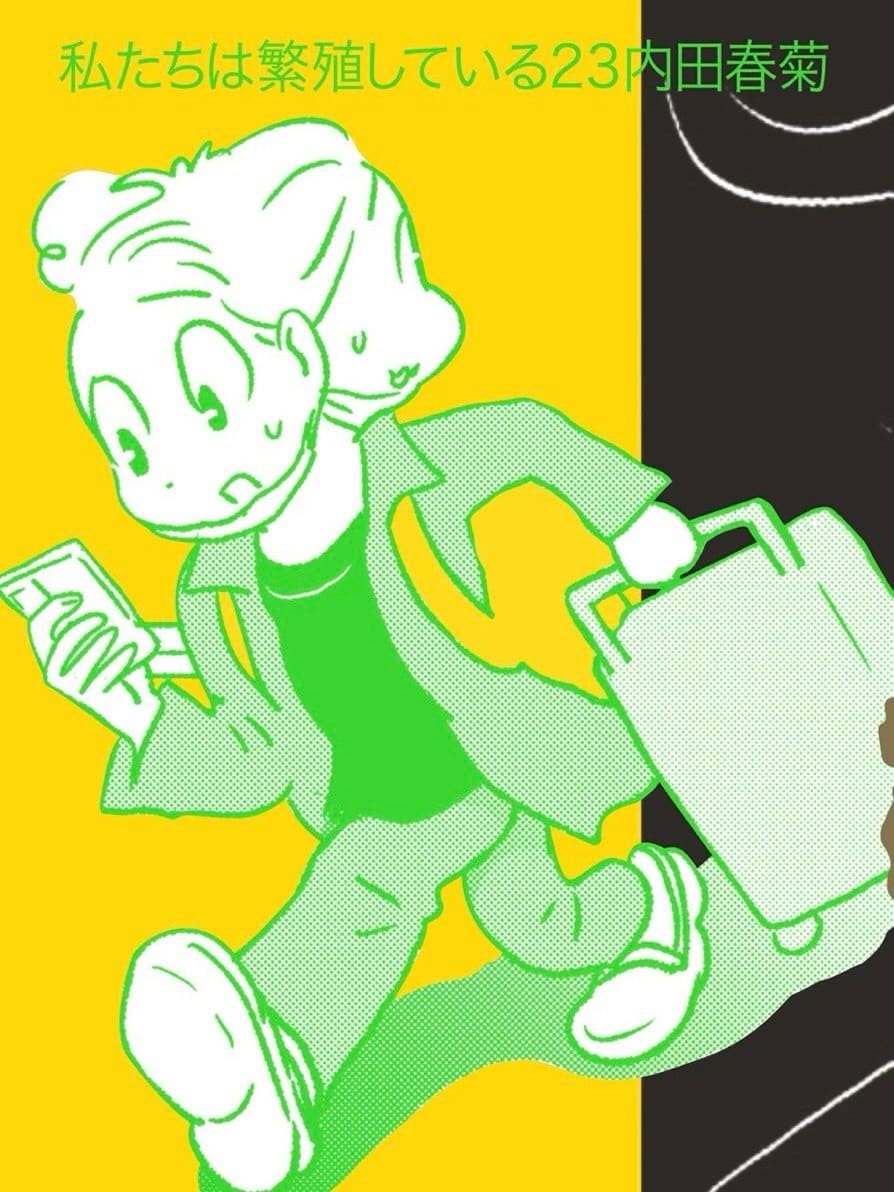
And in Japan, the manga series We Are Reproducing by Uchida Shungiku is helping to educate women about this transition, said Assoc Prof Shamoon.
The series started in 1994 to present the unvarnished truth about pregnancy, childbirth and infant care. As she ages, Uchida continues to present her experiences frankly, including menopause.
“Uchida is unusually candid and open about her sexuality and her body, and depicting her experiences with menopause is part of that,” Assoc Prof Shamoon said.
The series has not been translated into English but “it’s really important in Japan to have this example of a woman who shows the most intimate details of herself without shame”.
Assoc Prof Shamoon is collaborating with a team of multidisciplinary researchers to look at how comics can create awareness and normalise help-seeking for menopausal women in Singapore.
“We hope to learn from Japan’s example how we can localise informational manga for a Singapore context,” she said.
Experts agreed that representation in Asia will grow. Surety’s Tan said the key is telling these stories in ways that reflect Asian family dynamics, workplaces and cultural expectations, rather than simply adopting Western narratives.
If it seems like everyone is jumping on the menopause bandwagon, this might not be a bad thing. Oh said that, when you’re starting from silence, louder is better, even if commercial interest is part of the movement.
“The existing gap in research, investment, medical care and employer support for women tells you the conversation is still catching up to the need – so I’d rather it feel too loud than stay too quiet,” she added.
Assoc Prof Shamoon added: “It’s a sign of how little representation there has been so far that a few examples feel like a lot.”
“Popular media is just starting to reflect the full experiences of women. So far, the representation of menopause is only just beginning,” she added.
CNA Women is a section on CNA Lifestyle that seeks to inform, empower and inspire the modern woman. If you have women-related news, issues and ideas to share with us, email CNAWomen [at] mediacorp.com.sg.
Source: CNA/pc
RECOMMENDED
Get bite-sized news via a new
cards interface. Give it a try.
Click here to return to FAST
Tap here to return to FAST
FAST