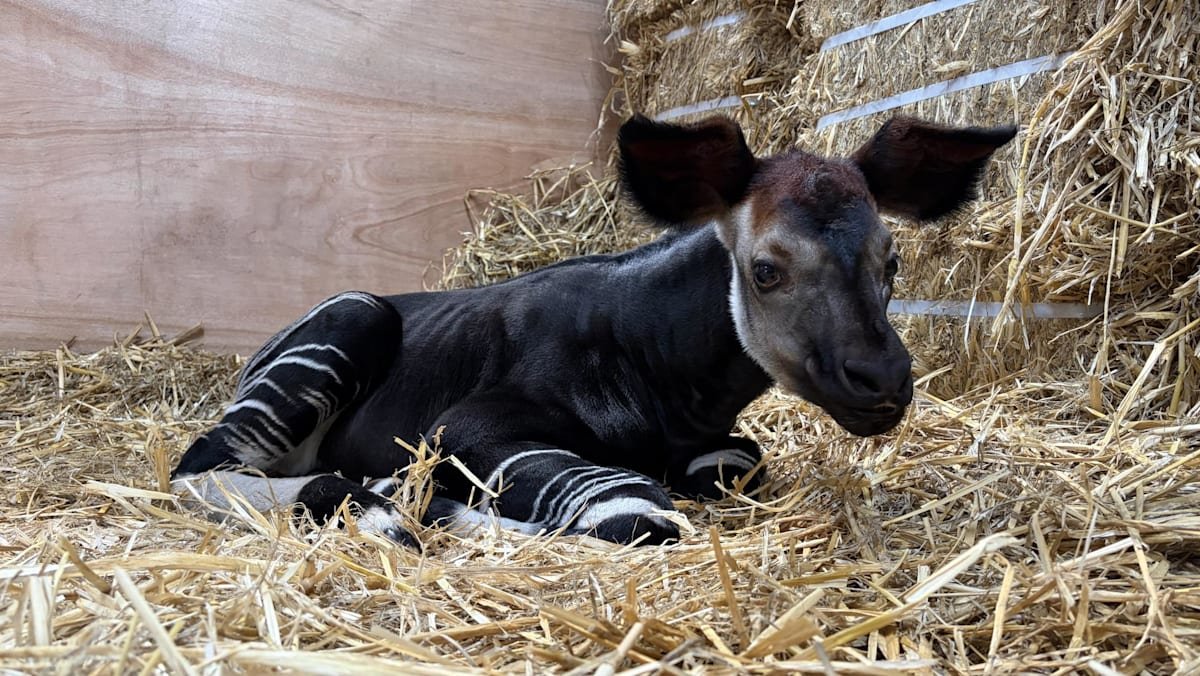
Meet Southeast Asia’s first okapi calf, born at Singapore’s Rainforest Wild Adventure
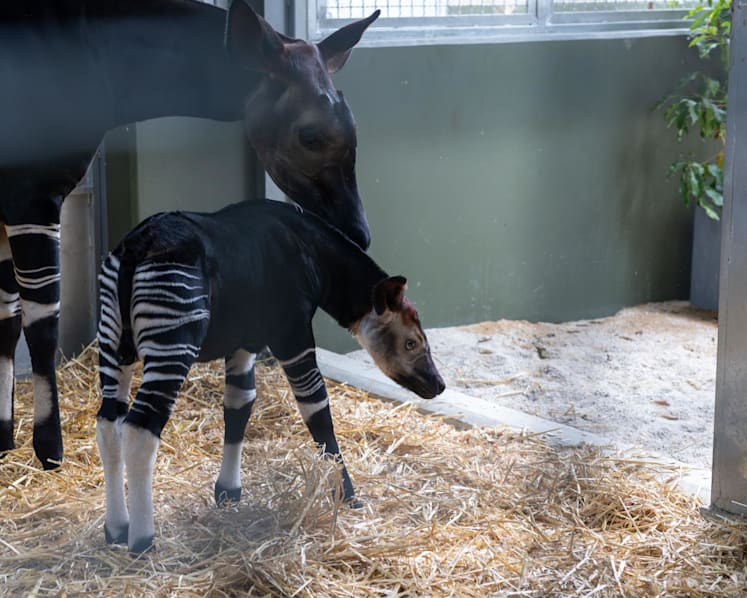
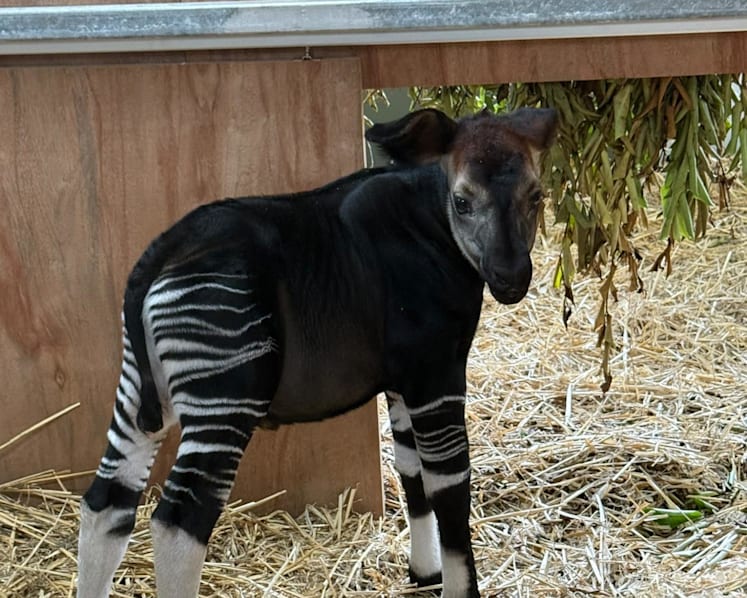
The male calf was born on the morning of Jul 27, 2026, to first-time okapi parents seven-year-old Kisala and four-year-old Xandor.
The male okapi calf was born on the morning of Jul 27, 2026. (Photo: Mandai Wildlife Group)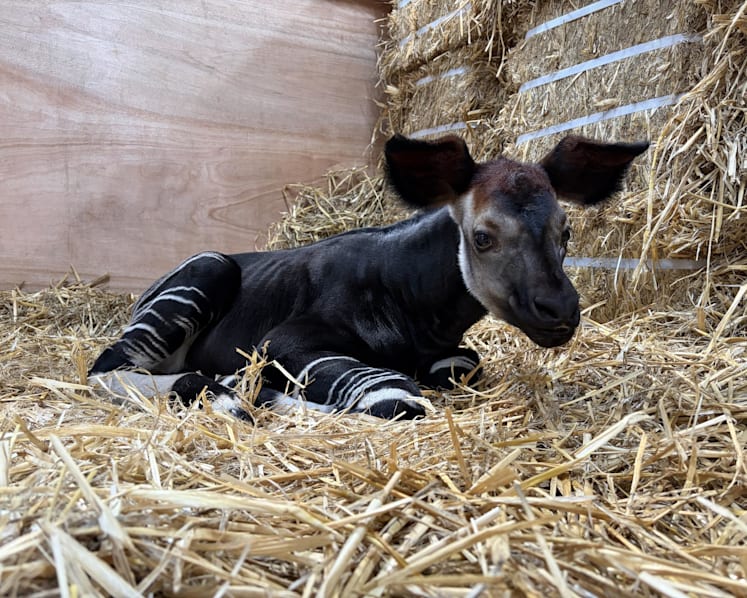
New: You can now listen to articles.

This audio is generated by an AI tool.

Read a summary of this article on FAST.
Get bite-sized news via a new
cards interface. Give it a try.
Click here to return to FAST
Tap here to return to FAST
FAST
Rainforest Wild Adventure has welcomed a new member of the family: The first okapi born in Southeast Asia.
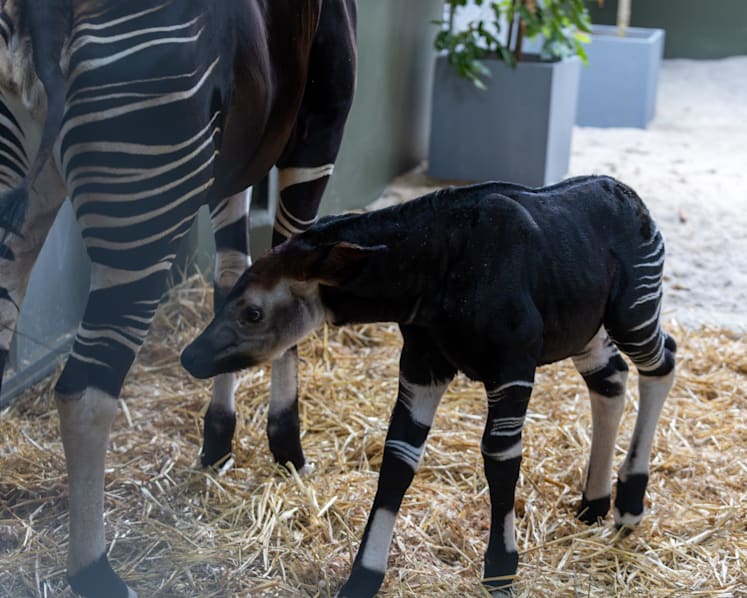
The male calf was born on Jul 27 to first-time parents Kisala, a seven-year-old female, and Xandor, a four-year-old male. Nearly two months later, he has more than doubled his birth weight, from about 20kg at his first weigh-in to 48kg. Details of his birth were announced by Mandai Wildlife Group on Thursday (Sep 24).
Kisala and Xandor came to Singapore under the EAZA Ex situ Programme, a coordinated breeding programme for threatened species.
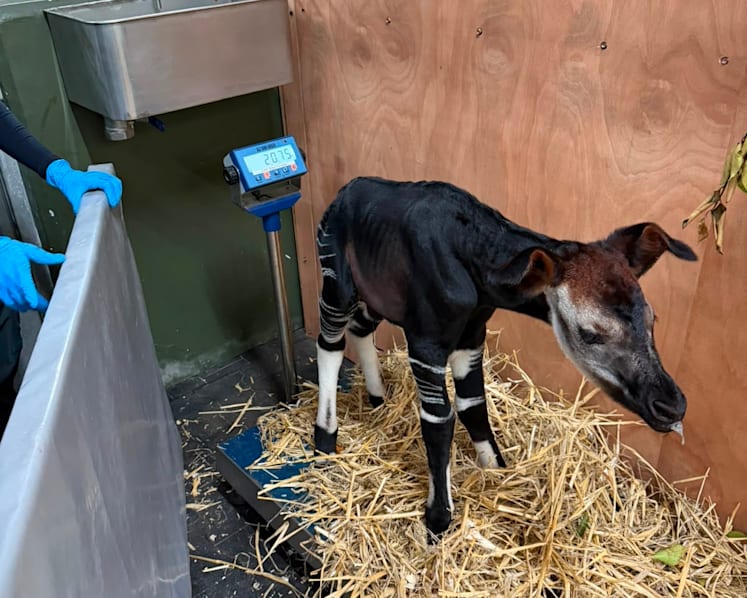
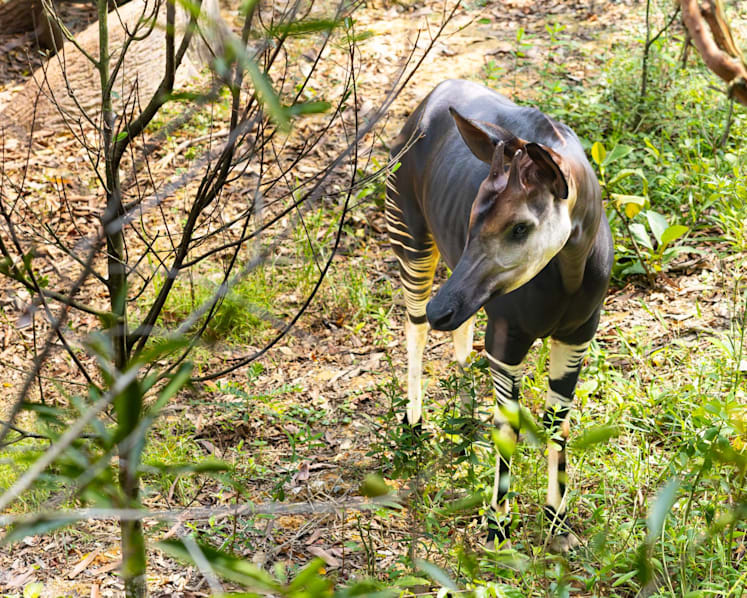
Okapis are native to the northeastern Democratic Republic of the Congo and are listed as Endangered on the International Union for Conservation of Nature (IUCN) Red List. They have zebra-like striped legs, but they’re the closest living relatives of giraffes. The two species share characteristics including long, flexible tongues and ossicones, the bony, horn-like structures found on the heads of male okapis.
Baby okapis are also known to shy away from attention. In the wild, calves spend much of their first few months hidden and still to avoid attracting predators, with their mothers returning only a few times each day to nurse them. Newborns are also believed to have very little scent, helping them stay undetected.
To give the new calf a similar hidden environment, his care team at Rainforest Wild Adventure created a quiet, secluded calving box where he can rest and feed undisturbed. The setup draws on practices used by other zoological institutions that have successfully bred okapis.
The species also takes its time arriving: An okapi pregnancy lasts about 440 days, or 14 to 15 months, one of the longest gestation periods among hoofed mammals.
Mandai Wildlife Group curator Cecilia Tang said Kisala’s care team began preparing for a possible pregnancy after noticing changes in her appetite and body condition. An ultrasound in July confirmed she was expecting.
“Kisala has been an excellent mother, and her calf is thriving, gaining nearly a kilogramme a day on average,” Tang said.
The mother-and-son pair have recently been given access to their outdoor habitat, although visitors shouldn’t necessarily expect the calf to make an appearance on cue.
“We’re allowing him to explore and build confidence at his own pace, so it may take some time before visitors see more of him,” Tang added.
WHAT’S HIS NAME?
That’s still to be decided. However, the public gets a say.
Mandai is currently asking members of the public to vote on their Facebook and Instagram pages for one of three names: Imara, meaning “strong” in Swahili; Mayaka, meaning “pearl” in Lingala; and Kiah, meaning “dawn”, “new beginnings” or “start of the season” in Swahili.
Those hoping to catch a glimpse of the calf can also visit Hidden Forest at Rainforest Wild Adventure East, where he shares a habitat with Kisala. Xandor lives separately nearby. But if the little one decides he’d rather stay out of sight, visitors can check a “baby monitor” showing a live feed from his off-exhibit den.
Daily Okapi Ranger Talks are also held at 10.30am and 3pm.
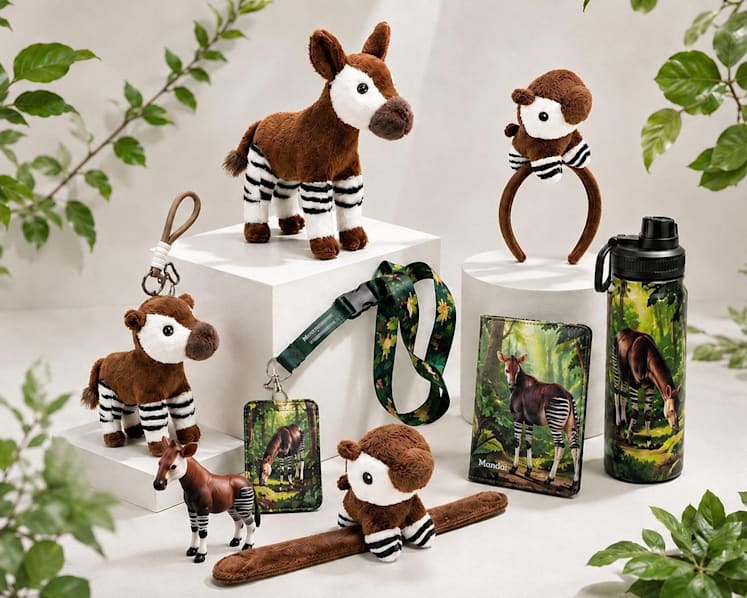
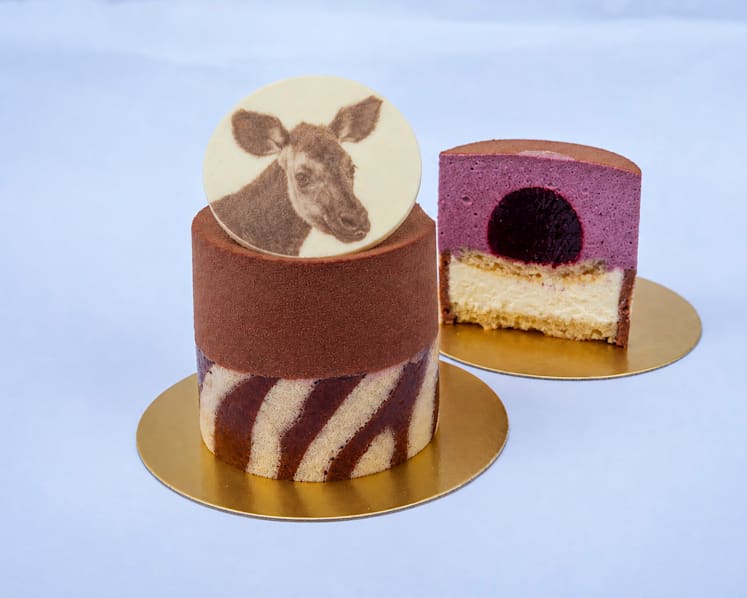
And because this historic okapi birth calls for celebration, an okapi-inspired dessert will be available from October at selected Mandai dining outlets, including Rangers Pitstop, Rangers Retreat and Owa Bistro. The entremet takes inspiration from the animal’s distinctive stripes and combines blueberry, mascarpone chantilly and cassis. Okapi-themed soft toys, tumblers, lanyards and other merchandise will also be available.
The calf isn’t Rainforest Wild Adventure’s only new arrival. The park has also welcomed sitatungas, a swamp-dwelling antelope species, while crowned lemurs and red-bellied lemurs are expected to make their debut at Lemur Land by November.
Source: CNA/iz
RECOMMENDED
Get bite-sized news via a new
cards interface. Give it a try.
Click here to return to FAST
Tap here to return to FAST
FAST