https://p.dw.com/p/5P33rPrefer DW on Google
Image: Marco Longari/AFP
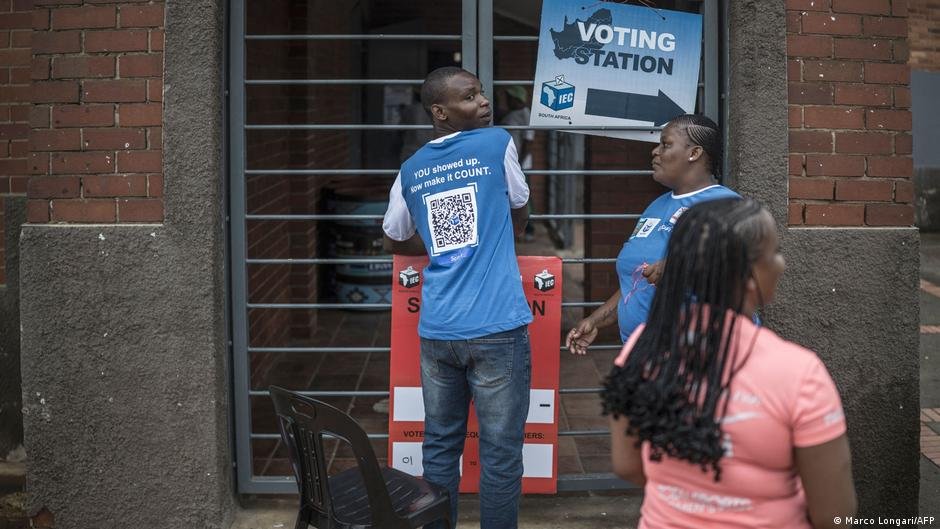
South Africans began voting Wednesday in municipal elections that could lead to fresh losses for the African National Congress (ANC).
The party of Nelson Mandela, which has led the country since the end of apartheid, has seen its popularity fall over the past decade.
In the previous local elections in 2021, it won less than 50% of the vote for the first time, and polls suggest it could drop below 40% this time.
Wednesday’s vote is taking place amid rising frustration over failing public services, including unreliable water and electricity supplies, high crime rates, unemployment, and affordable housing. Concerns about undocumented migration also featured prominently in some campaigns.
The elections — seen as a gauge of public mood before national polls in 2029 — will decide who leads South Africa‘s eight main cities as well as 44 district municipalities and 205 local councils.
To view this video please enable JavaScript, and consider upgrading to a web browser that supports HTML5 video
Battle for Johannesburg
A crucial battleground is the city of Johannesburg. The economic hub is currently governed by a fragile ANC-led coalition, but polls suggest the liberal Democratic Alliance (DA), South Africa’s second-biggest party, could win the most votes there.
The DA has put forward former national leader Helen Zille as candidate for Johannesburg mayor. The DA is also expected to retain control in the city of Cape Town.
Other closely watched areas include Tshwane, home to the administrative capital Pretoria, and the port city of Durban, where former President Jacob Zuma‘s MK party is mounting a strong challenge.
Voters do not directly elect mayors but choose municipal councillors, who then choose the mayors and form administrations that will run cities.
Declining ANC popularity
Although the ANC still has a loyal supporter base due to its role in ending apartheid, a growing number of South Africans are fed up with persisting problems such as high unemployment, power cuts and water shortages.
“Municipal failures have contributed to declining public trust and confidence in democratic governance,” said President Cyril Ramaphosa, who acknowledged failures within his party, but also voiced optimism: “This election is an opportunity to turn this around.”
The ANC lost its 30-year parliamentary majority in national elections in 2024, forcing it to enter into a national coalition with the DA and several other parties.
A further decline in the ANC’s popularity at a local level could mean several cities will be ruled by unstable coalition governments.
More than 29 million citizens are registered to vote. But in the last municipal elections in 2021 less than half of them cast ballots.
Polls close at 9 p.m. local time (1900 GMT) and results are expected on Sunday.
To view this video please enable JavaScript, and consider upgrading to a web browser that supports HTML5 video