As oceans warm and choke on plastic, can this year’s climate conference in the Turkish coastal city of Antalya finally put the world’s seas at the heart of climate action?
Image: Rafael Ben-Ari/Newscom/picture alliance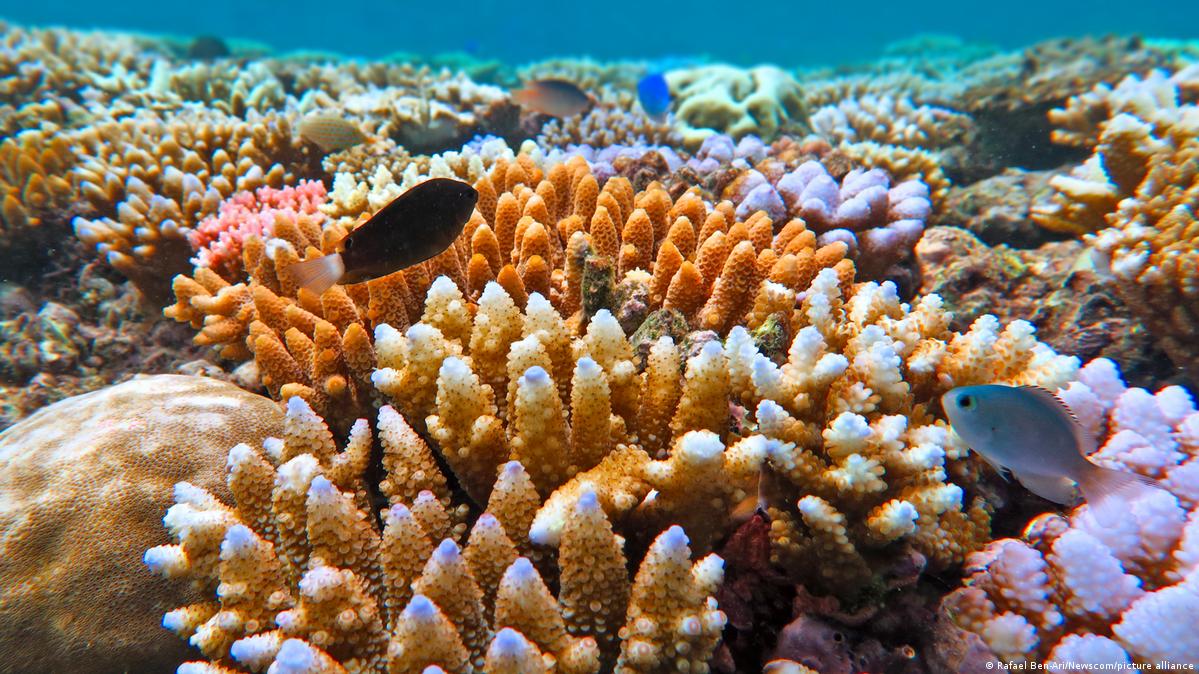
Oceans act as a buffer against global warming, having absorbed about 30% of human-made CO2 since the start of the Industrial Revolution in the 1700s and about 90% of excess heat. But intensifying climate change has weakened their ability to do that. Australia, Turkey and Pacific island countries are pushing to elevate ocean action at this year’s climate conference.
Image: Zdeněk Mal/Zoonar/picture alliance
Ahead of this year’s COP31, 105 countries called for stronger ocean-based climate action. “The ocean is not a special interest or a standalone issue — it is central to our economy, food and energy security, and to combating the climate crisis,” said Fatima Candace Vahlsing, Ocean Conservancy’s vice president for climate, a US-based NGO working to protect the seas.
Image: Rebecca Blackwell/AP Photo/picture alliance
In 2022, the world set out to protect at least 30% of the ocean by the end of the decade, at a cost of some $16 billion (€14.3 billion) per year. But current spending falls far short. Peter Thomson of Fiji, the UN secretary-general’s special ocean envoy, has said he will be watching to see “whether countries bring stronger ocean measures into their climate plans, and whether the finance follows.”
Image: LOREN ELLIOTT/REUTERS
About 90% of coastal and island countries have included at least one ocean-based climate measure in their climate action plans, also called Nationally Determined Contributions (NDCs). But more than 60% of new ocean-climate commitments are conditional on financial and technical support, underlining the gap between pledges and implementation. Less than 1% of climate finance reaches oceans.
Image: Lucas Mukasa/Anadolu/picture alliance
UN Secretary-General Antonio Guterres spoke of “a deepening crisis driven by climate change, overfishing, biodiversity loss and marine pollution,” when presenting a report on World Oceans Day this summer. Each year, about 52 million tons of plastic waste end up the ocean, exacerbating the microplastics crisis and hurting thousands of marine species.
Image: Pilar Olivares/REUTERS
“We cannot solve the climate crisis without saving the ocean, and we cannot solve the ocean crisis without cutting carbon pollution,” said John Kerry, former US special presidential envoy for climate, ahead of the conference. “The ocean has already absorbed more than 90% of the heat we’ve trapped, and it is paying the price,” he added, urging the global community to step up.
Image: Reinhard Dirscherl/picture alliance
Rising emissions are making oceans more acidic, which happens when seawater absorbs excess CO2. Oceans also getting hotter. Many marine species are losing the habitats they depend on to survive. COP31 is focusing on four priorities: protecting coastal ecosystems, making coastlines more resilient, improving data to better understand the ocean and helping coastal communities adapt to climate change.
Image: Ajeng Dinar Ulfiana/REUTERS
COP31 will encourage countries to integrate marine ecosystems that store carbon, such as seagrass meadows, salt marshes and mangroves, into national climate strategies and climate goals. This would give coastal ecosystems a bigger role in climate action, helping countries cut emissions and protect vital coastal habitats.
Image: Ardea/imago images
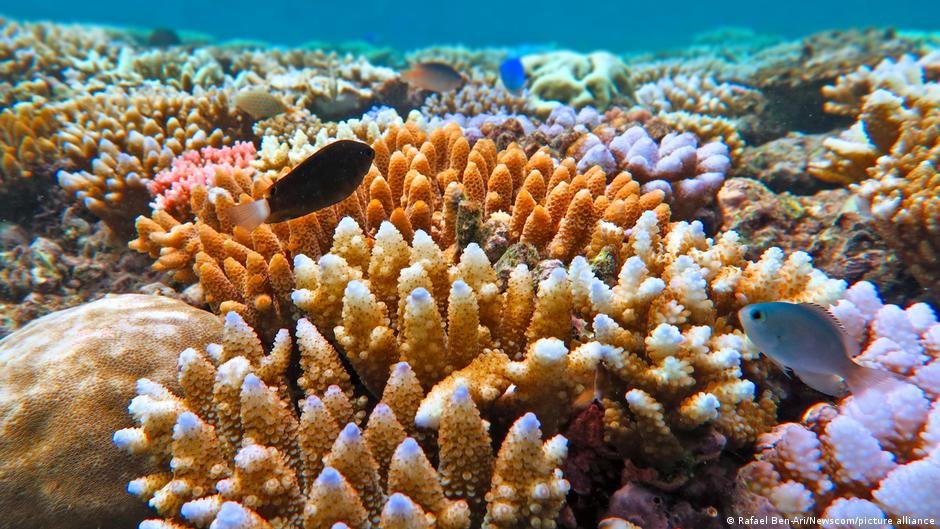
Ocean acidification harms marine life and threatens coastal communities by destroying their livelihoods. It affects local fisheries, thus endangering people’s food security, and weakens natural shoreline protection, including coral reefs, as acidic water erodes these important ecosystems.
Image: Markus Kammerer/CHROMORANGE/IMAGO
A growing global coalition of UNFCCC member states want ocean climate action embedded across every aspect of the Paris Agreement. “This is our moment to make sure the oceans are integrated across mitigation, adaptation, finance, and implementation objectives, not as a side theme, but as a key dimension of climate action,” said Inia Seruiratu, COP31 Pacific climate envoy for the ocean.
Image: Anton Raharjo/NurPhoto/picture alliance10 images1 | 1010 imageshttps://p.dw.com/p/5POFA