From sugar mills to monasteries: Luxury hotels that have given historic buildings a second life
By preserving architectural heritage while introducing contemporary comforts, luxury hotels across Asia and beyond demonstrate how the past can become an integral part of the modern hospitality experience.
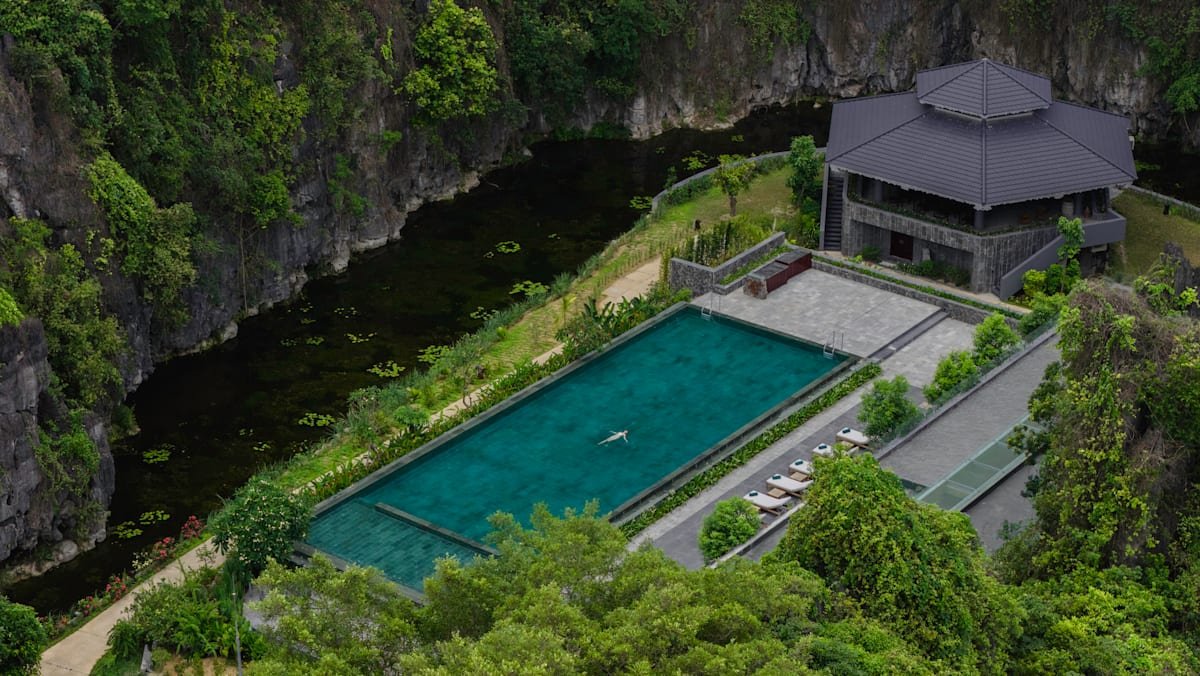
Through thoughtful restoration, these luxury hotels have turned historic buildings into distinctive retreats without erasing their past. (Photo: Jiva Hoa Lu Retreat)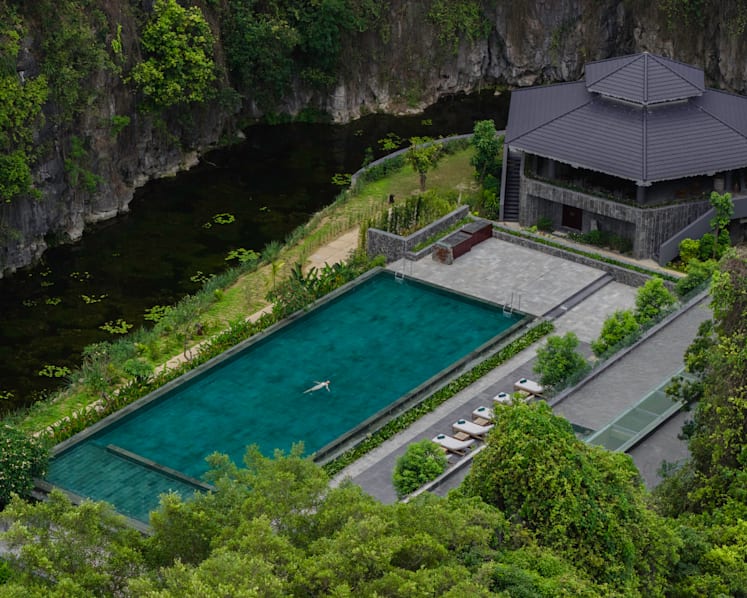
New: You can now listen to articles.

This audio is generated by an AI tool.

By
Read a summary of this article on FAST.
Get bite-sized news via a new
cards interface. Give it a try.
Click here to return to FAST
Tap here to return to FAST
FAST
Swanky new skyscrapers offer rooms with glitzy city views, but the most compelling hotels aren’t always built from the ground up. Some have found their identity in buildings that have lived several lives.
As the hospitality industry looks for new ways to create a sense of place and belonging, adaptive reuse – the process of repurposing an existing building while retaining its historic character – offers an approach to sustainability that goes beyond reusable water bottles and paper straws. Rather than erasing the past, hotel brands like Aman, InterContinental and Six Senses are transforming historic buildings into contemporary retreats that retain their architectural identity.
These properties also offer something that’s difficult to manufacture: a story. From industrial relics that tell of a village’s past to centuries-old fortresses, these hotels demonstrate that sometimes the most meaningful form of luxury lies not in building anew, but in seeing the potential of what already exists.
Yangshuo Sugar House – Guangxi, China
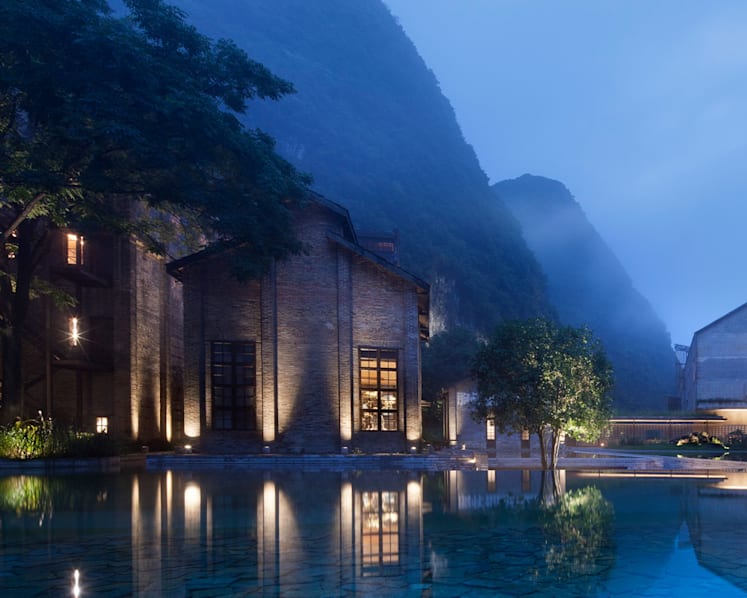
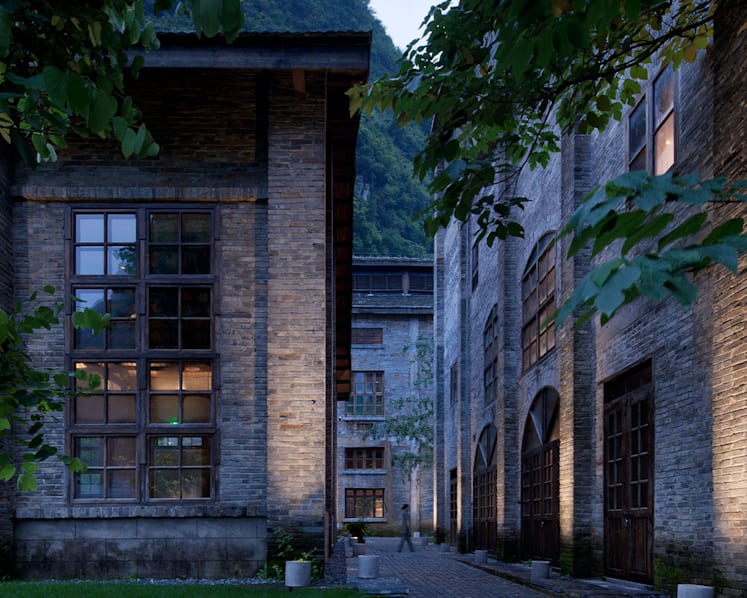
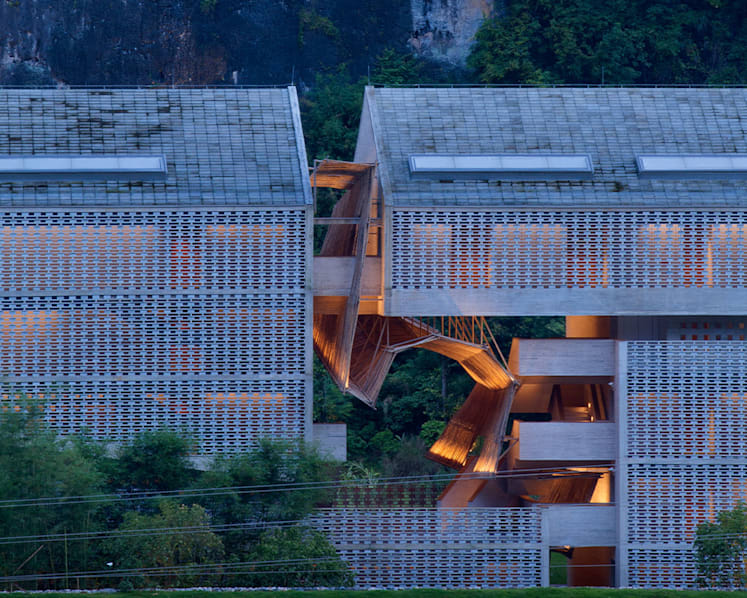
In China’s Guangxi region, amid dramatic limestone karst mountains, winding rivers, and traditional villages, Yangshuo Sugar House is a striking example of why architectural heritage should be preserved for generations. Once a sugar mill on the Li River, the factory ceased production in 2001 after 40 years and was left vacant before Beijing-based Vactor Architects took on its transformation. Today, the 113-room luxury resort preserves its imposing industrial structures while introducing minimalist concrete buildings, courtyards and open walkways.
Guests will find weathered brickwork, exposed concrete, and industrial steelwork throughout the property, and in a clever redesign, a cantilevered pool that was once the loading dock that received sugarcane. The rooms are an exercise in understated luxury, with a focus on simplicity, natural light and comfort, creating a calming retreat in the countryside.
Azumi Setoda – Hiroshima, Japan
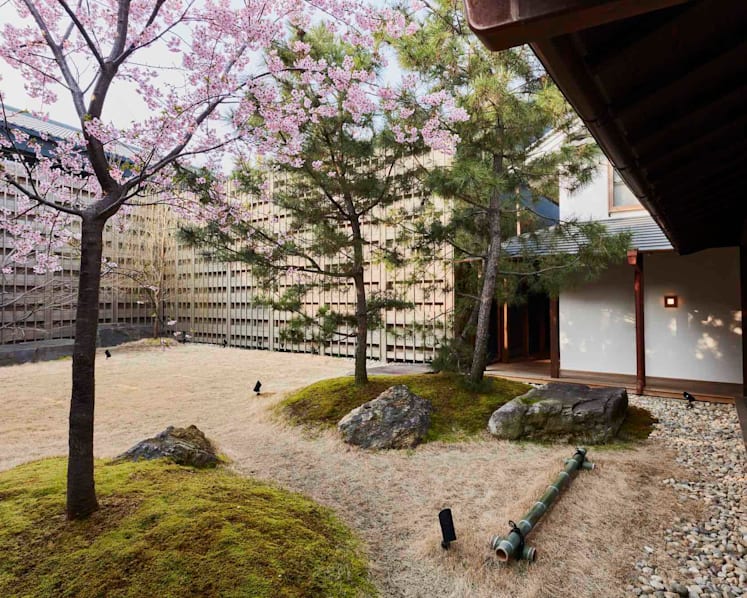
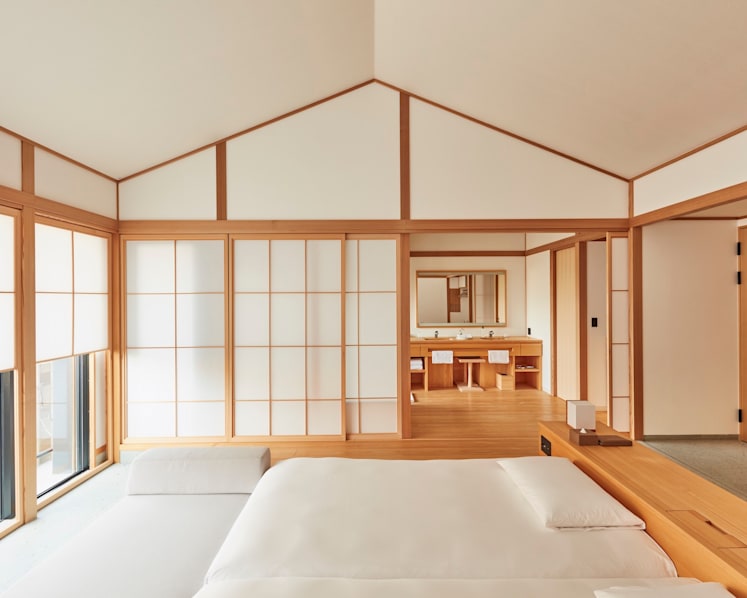
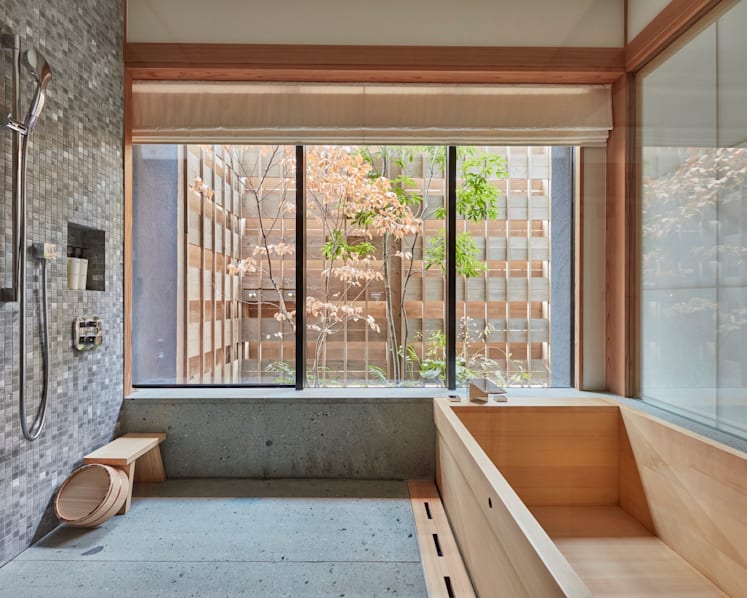
Housed in a merchant residence dating to 1876, Azumi Setoda on Ikuchijima is an example of how historic architecture can be given a new lease of life. The building – once home to the Horiuchi family, who built their fortune through salt production and maritime trade – was carefully restored and reimagined as a contemporary ryokan, co-founded by Aman founder Adrian Zecha.
Led by Kyoto-based architect Shiro Miura, the restoration has retained the building’s original timber structures and other architectural details. The design draws on sukiya-zukuri, a traditional Japanese architectural style rooted in tea ceremony culture. Guests will find timber beams, washi paper screens, stone surfaces and manicured gardens, alongside 22 guest rooms that offer a contemporary take on the traditional ryokan.
Amantaka – Luang Prabang, Laos
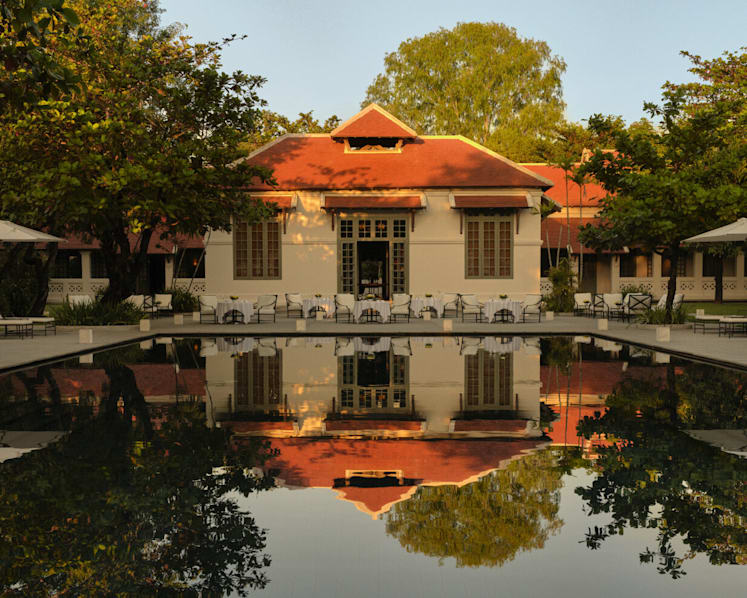
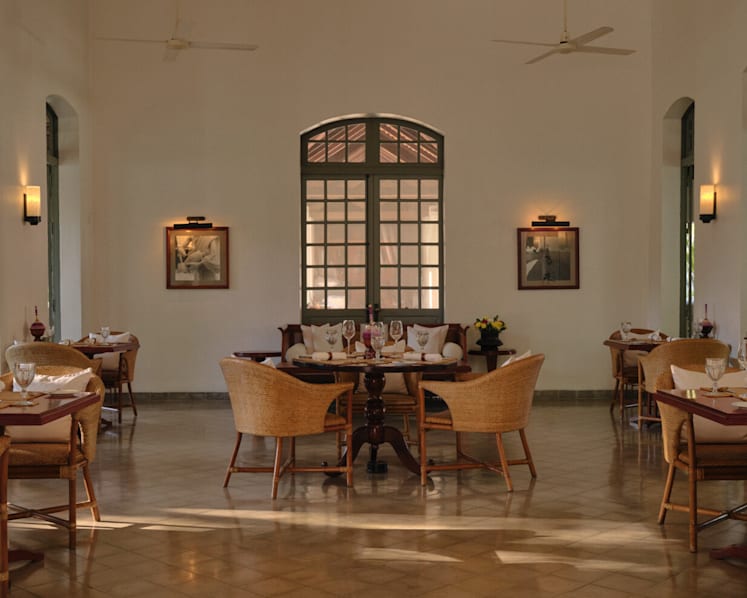
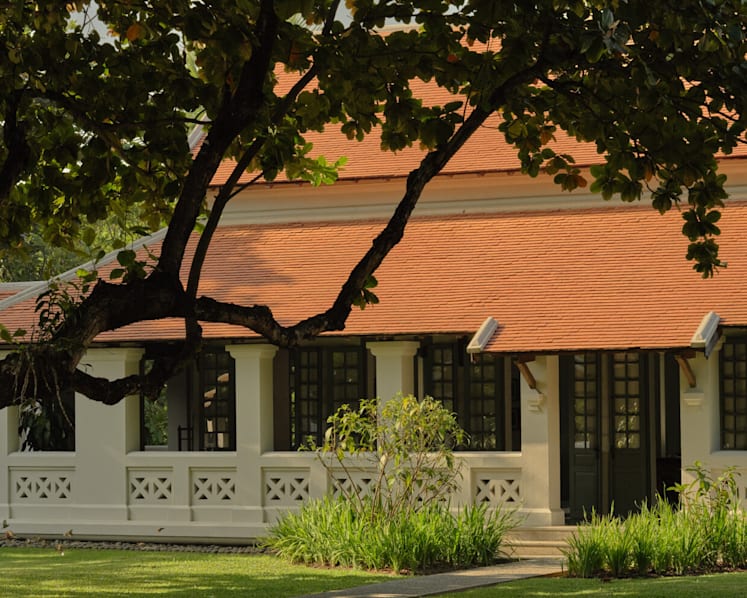
Unlike resorts that build their identity around elaborate designs, Amantaka’s appeal lies in restraint. Formerly a hospital during the French colonial period, the intimate luxury retreat in Luang Prabang has preserved much of its architectural identity, from high ceilings and timber shutters to whitewashed walls and shaded verandahs that provide relief from the tropical heat. Guests still enjoy the comforts of contemporary hospitality here. Private pools, a spa and expansive suites make it easy to forget that the property once housed patients for much of the 20th century before restoration began in 2007.
Located in a UNESCO World Heritage-listed town celebrated for its blend of Lao and French colonial architecture, Amantaka demonstrates how adaptive reuse can preserve a building’s history while giving it a renewed purpose.
Jiva Hoa Lu Retreat – Ninh Binh Province, Vietnam
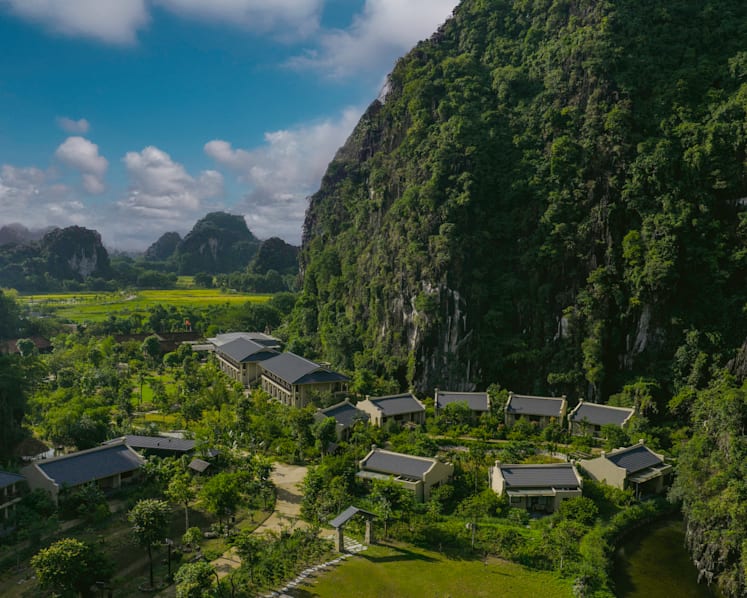
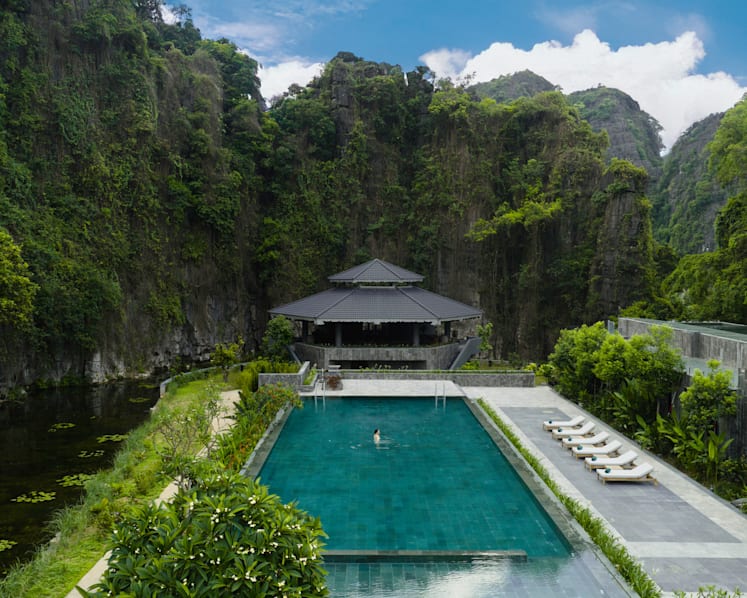
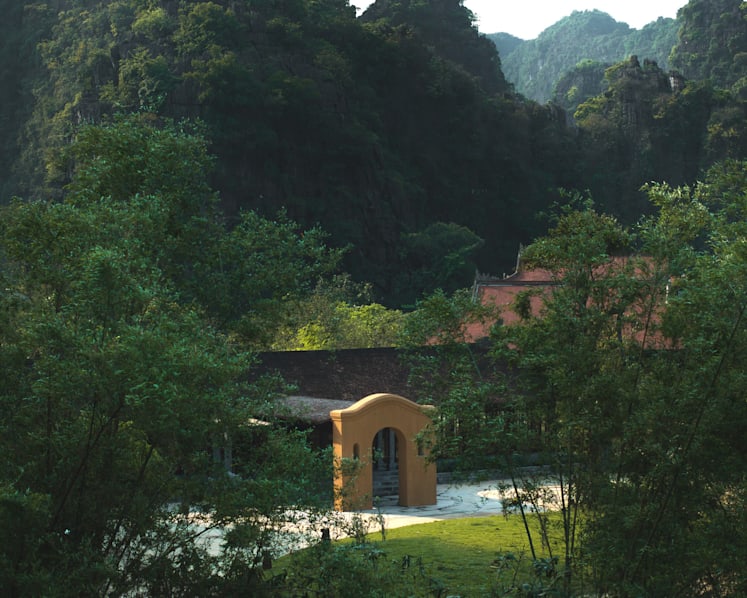
Nestled in a forested valley in the UNESCO-listed Trang An Scenic Landscape Complex, Jiva Hoa Lu Retreat reimagines the traditional northern Vietnamese village as a contemporary luxury hideaway. The retreat draws on the area’s rich cultural heritage, most notably by incorporating four restored traditional wooden houses and a 125-year-old church. Set among the dramatic limestone karsts of Ninh Binh, the property offers a tangible connection to the region’s architectural past without compromising on modern comfort.
Inside the rooms and private villas, natural materials and handcrafted details take centre stage, from locally made furniture and hand-embroidered pillows from Van Lam to locally sourced toiletries. Traditional timber and earth-plastered walls complement the modern comforts expected of a luxury retreat.
Heritage preservation extends to the rest of the resort. The church has been given a new purpose as the property’s Hat Gao Restaurant, while a grove of rare tra hoa vang tea trees – native to Ninh Binh and prized for their golden blossoms – still stands.
Six Senses Fort Barwara – Rajasthan, India
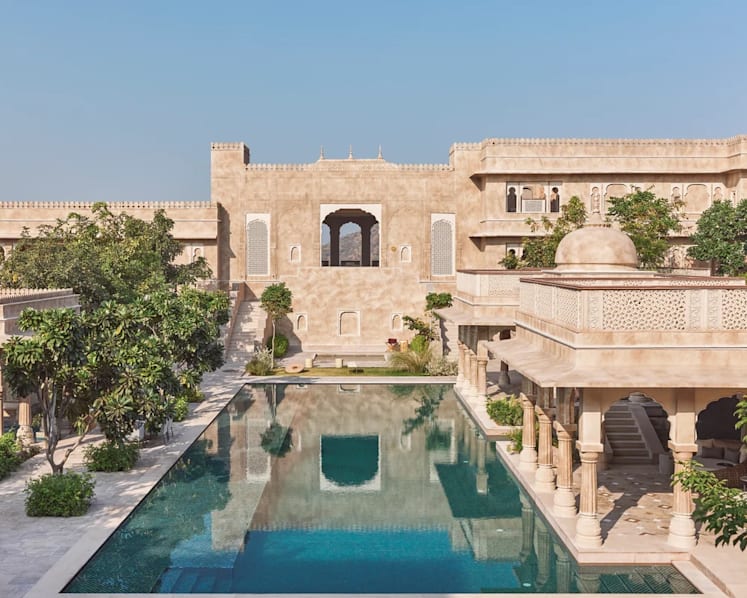
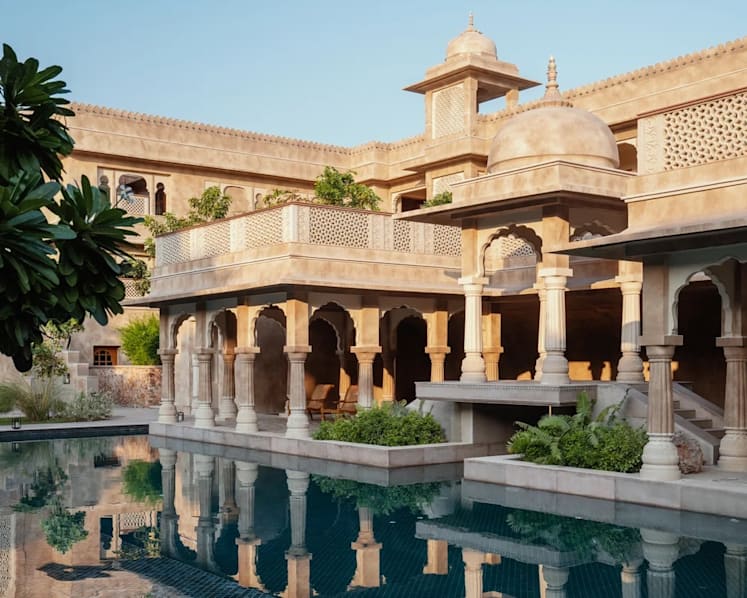
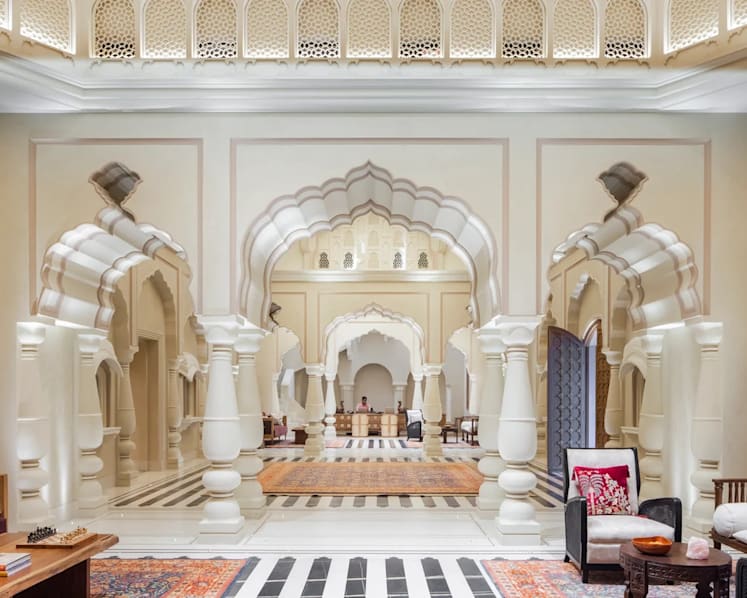
In Rajasthan, Six Senses Fort Barwara gives a 14th-century royal stronghold a new purpose as a 48-suite wellness retreat. Opened in 2021 after more than a decade of restoration, the resort, once home to Rajasthani royals, incorporates two historic palaces and two temples within the fort’s walls, preserving its medieval character while offering contemporary luxury.
Guests are treated like actual royalty, and the rooms – which range from large to downright palatial – continue to highlight traditional Rajasthani design with intricate latticework and locally inspired furnishings. Meanwhile, the wider property embraces the Six Senses philosophy of wellness and sustainability. The spa, a hallmark of Six Senses’ properties, is housed in the former Zenana Mahal (women’s palace), offering traditional Ayurvedic treatments, yoga sessions, and more to health-focused guests.
Marufukuro – Kyoto, Japan
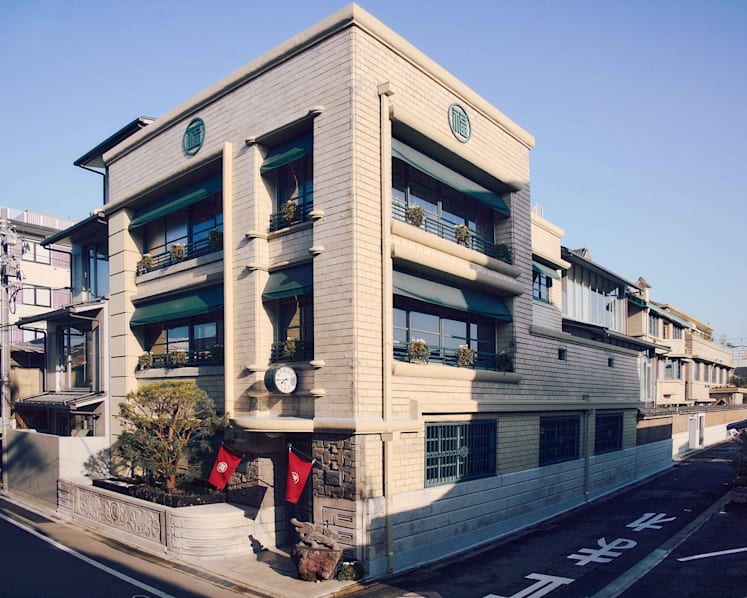
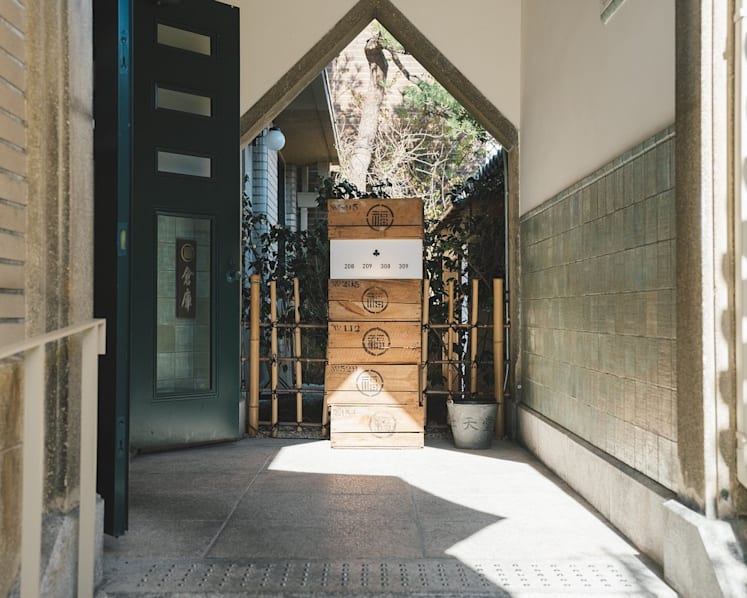
It’s Super Mario’s world and you’re just living in it – if you’ve booked yourself a room at Marufukuro, that is. Built in the 1930s and once home to Nintendo’s headquarters, the 18-room Kyoto hotel pays homage to its history while embracing modern design. Outside, the building retains its original brickwork and a Nintendo Playing Card Co. sign, along with Art Deco elements that reflect its architectural heritage.
The hotel’s contemporary annex was designed by architect Tadao Ando, complementing the Art Deco character of the original buildings. The property also retains period details, including an antique clock in the lobby, tiled fireplaces and an old cage-type freight elevator. Nintendo fans will be pleased to know that Marufukuro is a museum of sorts, housing items from the company’s history, from vintage game controllers to original leather chairs from its 1930s conference room.
InterContinental Khao Yai Resort by IHG – Khao Yai, Thailand
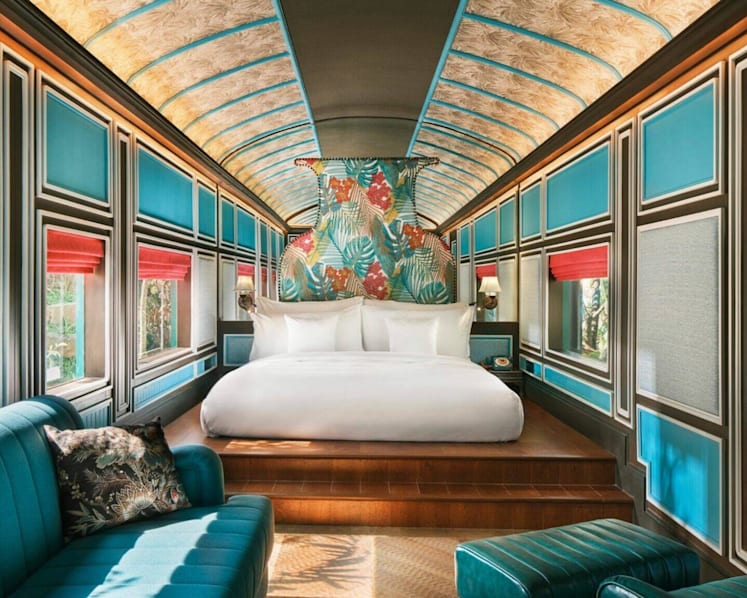
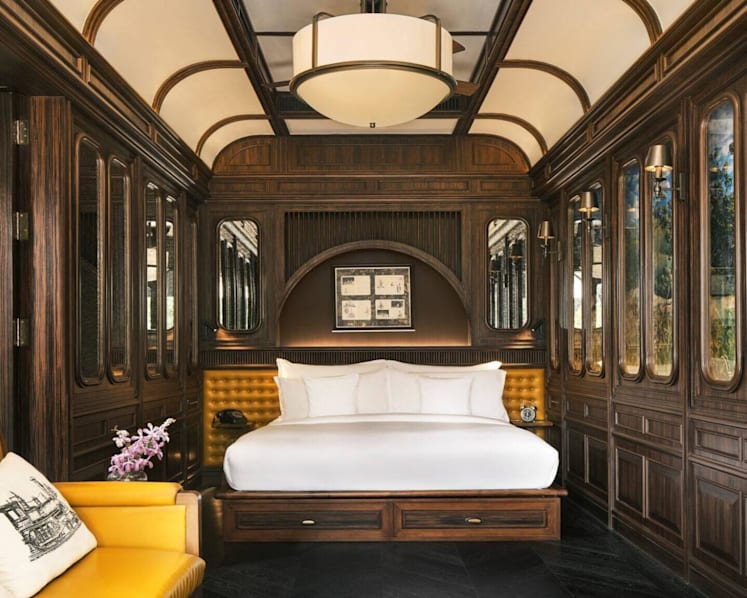
Who said adaptive reuse had to be limited to buildings? InterContinental Khao Yai Resort makes the case for train carriages instead of historic structures, with renowned architect Bill Bensley transforming heritage railway carriages into luxury suites and villas. Inspired by Thailand’s golden age of rail travel, the hotel is every train spotter’s dream. The lobby, styled like a train station, is furnished with vintage railway memorabilia. Meanwhile, the converted carriages – longer and narrower than traditional hotel rooms – offer luxurious accommodation, with some featuring outdoor dining areas, bathtubs and plunge pools.
Set amid lakes and the botanical gardens near Khao Yai National Park, each room is themed around famous train journeys around the world, and offers a step back in time to the bygone era of luxury rail travel – sans the motion sickness. The unique concept also proves that adaptive reuse can be more than an exercise in preservation; discarded structures can also be the centrepiece of an imaginative hospitality experience.
Cirqa by Andean – Arequipa, Peru
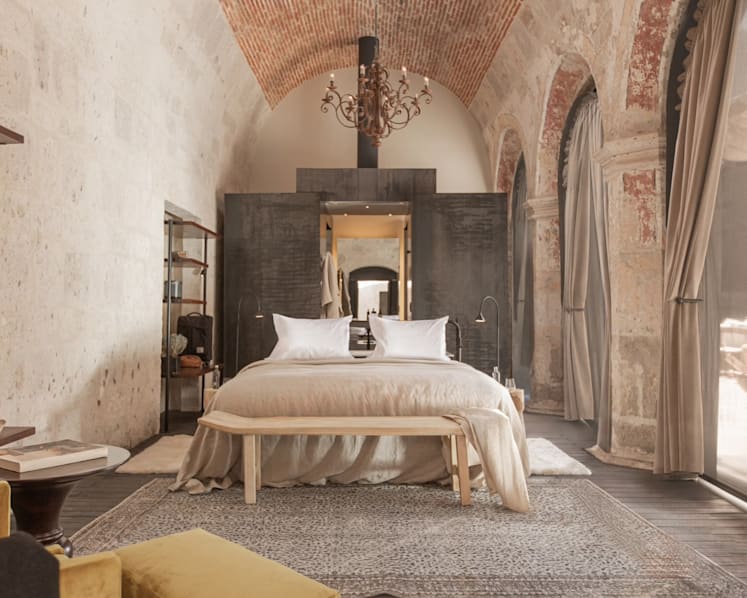
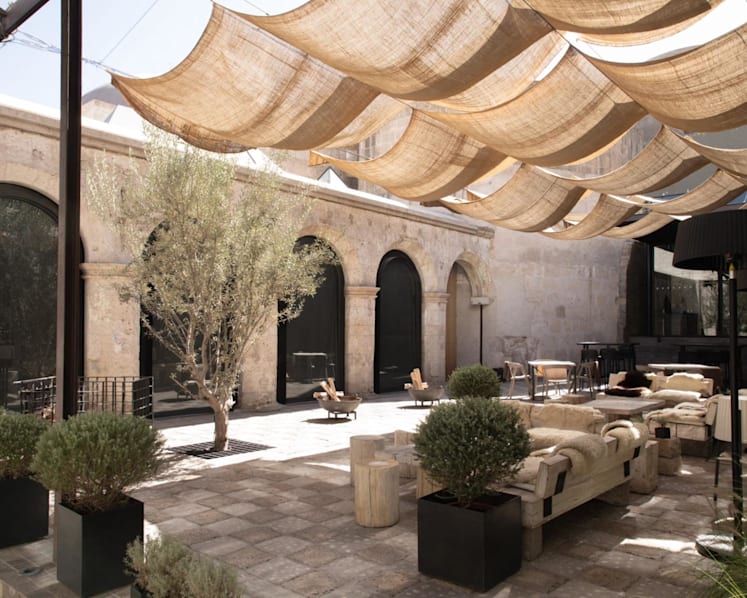
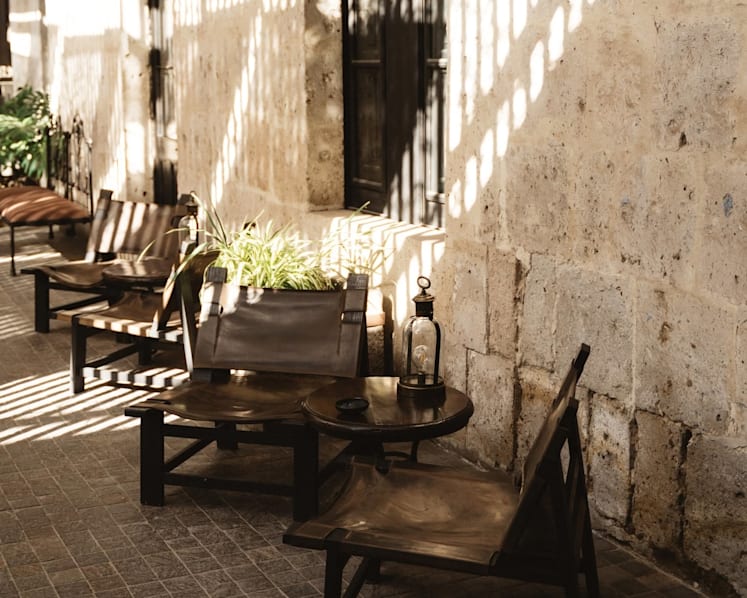
Arequipa may not get as much attention as the capital, Lima, but this Peruvian city is worth a visit for a stay at Cirqa. Set in a 16th-century former Augustinian monastery, this luxury boutique hotel preserves the revered site’s distinctive sillar volcanic-stone walls, vaulted ceilings, arches and columns, creating an intimate retreat that encourages calmness and reflection.
The 11 rooms at this two-Michelin-Key property are organised around a central courtyard, drawing inspiration from the tradition of the parador, an inn where monks once welcomed travellers. Expect minimalist interiors with eclectic, modernist influences, alongside the conveniences of a contemporary hotel that allow guests to enjoy the old-world tranquillity without hassle.
The Ned – London, UK
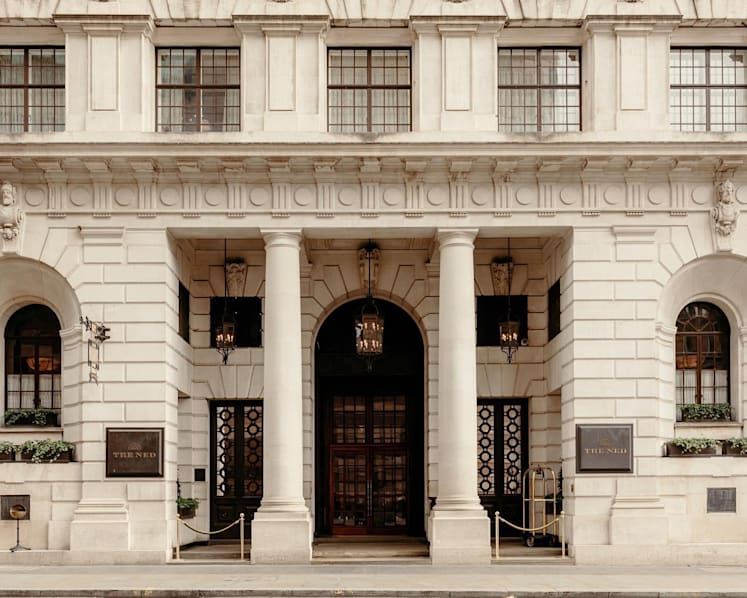
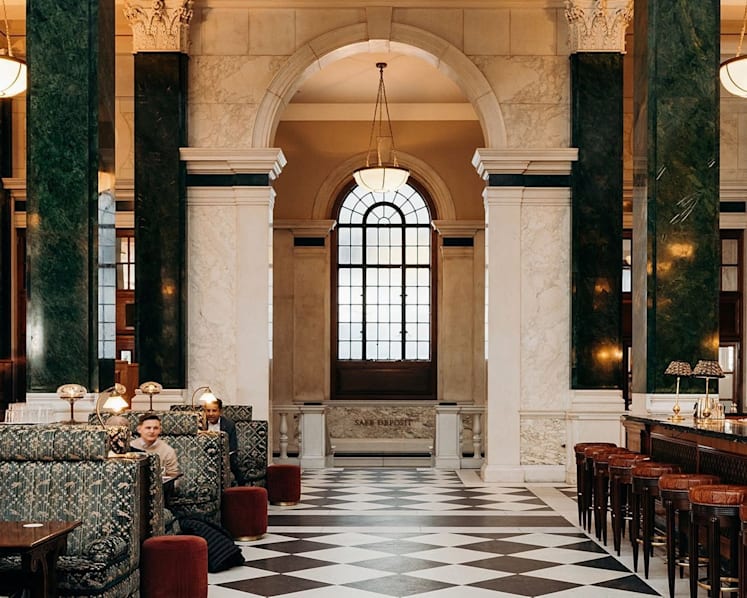
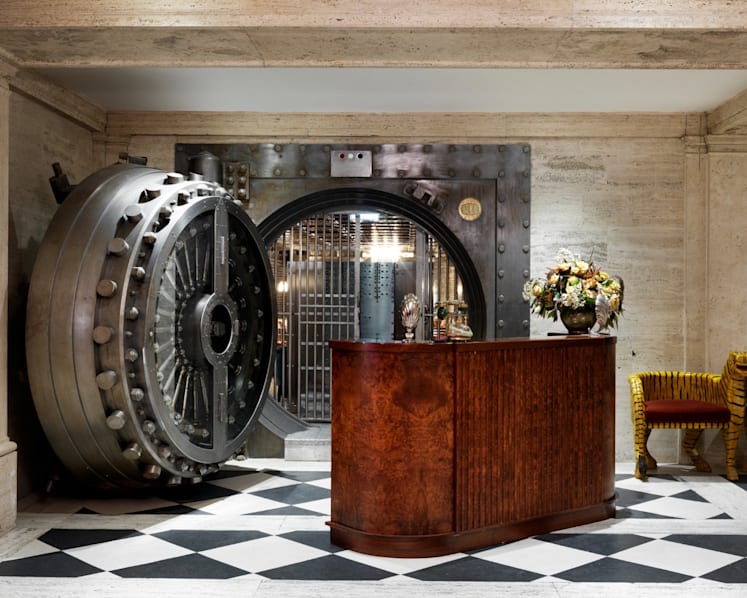
The Ned London might be known as a luxury five-star hotel and private members’ club today, but the grand Grade I-listed neoclassical Greek and Roman building was once the headquarters of Midland Bank when it was first constructed in 1924. Designed by British architect Sir Edwin “Ned” Lutyens, the building still retains key details like its 92 imposing green verdite-clad marble columns, grand archways, and symmetrical stone facade.
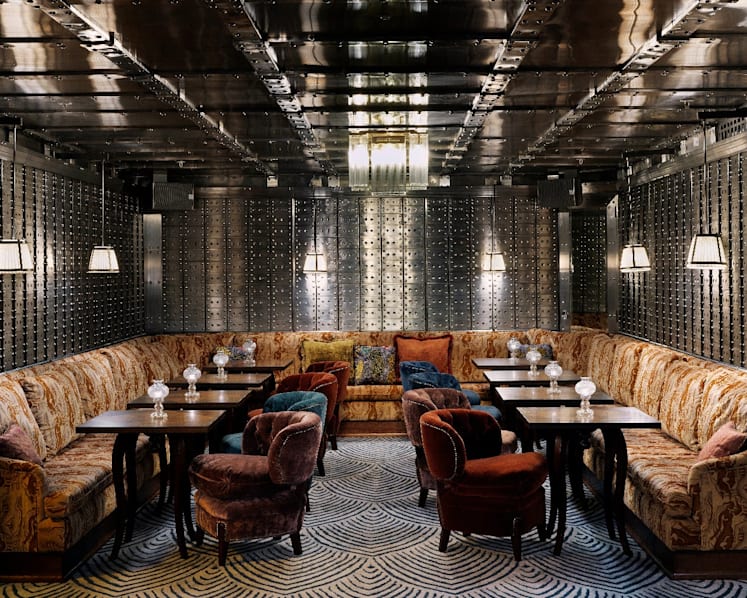
Today, the 248-room hotel continues to reflect the opulent style of the 1920s, taking aesthetic inspiration from ocean liners of that era and incorporating details like custom-made vintage pillows, aged brass lighting and bespoke floral wallpaper. One of the most striking examples of adaptive reuse however, lies beneath the building, where the former bank vault – lined with 3,800 original safety deposit boxes – has been transformed into a cocktail bar and members’ club space.
Source: CNA/sn
Get bite-sized news via a new
cards interface. Give it a try.
Click here to return to FAST
Tap here to return to FAST
FAST