https://p.dw.com/p/5PrucPrefer DW on Google
Skip next section What you need to know
What you need to know
- Poland hopes to establish a no-fly zone near its border with Ukraine by the end of the year
- Russia attacks have halted output at Ukrainian gas facilities as well as a thermal power plant
- Ukraine says it attacked Russian oil facilities in the Samara region
- France’s foreign minister defended Ukraine’s attacks on Russian shadow fleet ships off the Libyan coast, though Italy’s called the attack ‘a mistake’
- German Chancellor Friedrich Merz has warned against ending Ukraine support, saying ‘Russia wants more than Ukraine’
Keep reading for the latest news in Russia’s war in Ukraine on Wednesday, November 25:
Skip next section Ukraine says it attacked major Russian air base11/25/2026November 25, 2026
Ukraine says it attacked major Russian air base
The Ukrainian General Staff announced that Ukrainian forces had attacked a major Russian military air base, damaging five aircraft used to launch missiles and bombs at Ukraine.
According to the General Staff, three MiG-31 jets, which are used to fire hypersonic missiles, and two Su-34 fighter-bombers were knocked out of operation “for some time.”
The report stated that the Savasleyka air base, located east of Moscow in the Nizhny Novgorod region, had been hit in the latest long-range attacks aimed at crippling Moscow’s war effort.
Russia did not immediately comment on the announcement.
Edited by:Dmytro Hubenkohttps://p.dw.com/p/5PtTxSkip next section Russian sources say Europeans must take up Putin’s offer for Moscow talks11/25/2026November 25, 2026
Russian sources say Europeans must take up Putin’s offer for Moscow talks
Numerous sources inside Russian foreign policy circles on Wednesday underscored the Kremlin’s desire for European diplomats to travel to Moscow and explain their intentions before they be allowed to participate in any Russia-Ukraine peace negotiations.
Russian President Vladimir Putin originally extended the invitation last month. On Wednesday, Foreign Policy Advisor Yury Ushakov said the invitation stands but that no Europeans have so far agreed to embark on the diplomatic sojourn.
Russia’s Ambassador to Germany Sergei Nechayev on Wednesday told France’s AFP news agency that reaction to Putin’s invitation has been “restrained.”
Nechayev claimed that Moscow remains, “ready to continue the dialogue and carry on with negotiations.”
He also repeated the Kremlin claim that it is Europe that is the impediment to stopping the war, and that Russia — which launched and continues to execute its unprovoked years-long war of aggression in Ukraine — is the only party truly interested in peace.
Nechayev said the Kremlin doesn’t see the same “honesty” from the Europeans that it does from US President Donald Trump’s team — made up of his son-in-law Jared Kushner and his friend Steve Witkoff — and wants to “know precisely what their intentions are.”
Russia has been accused of foot dragging as a way to prolong attacks on Ukraine. On Wednesday, Nechayev continued in that vein, saying: “Our request to Europe is this: Decide what it is you want, determine whom you will appoint as negotiators, and, most importantly, clarify what you aim to achieve.”
To view this video please enable JavaScript, and consider upgrading to a web browser that supports HTML5 video
Edited by:Dmytro Hubenkohttps://p.dw.com/p/5PtNeSkip next section Poland to create no-fly zone at Ukraine border, urges others to do same11/25/2026November 25, 2026
Poland to create no-fly zone at Ukraine border, urges others to do same
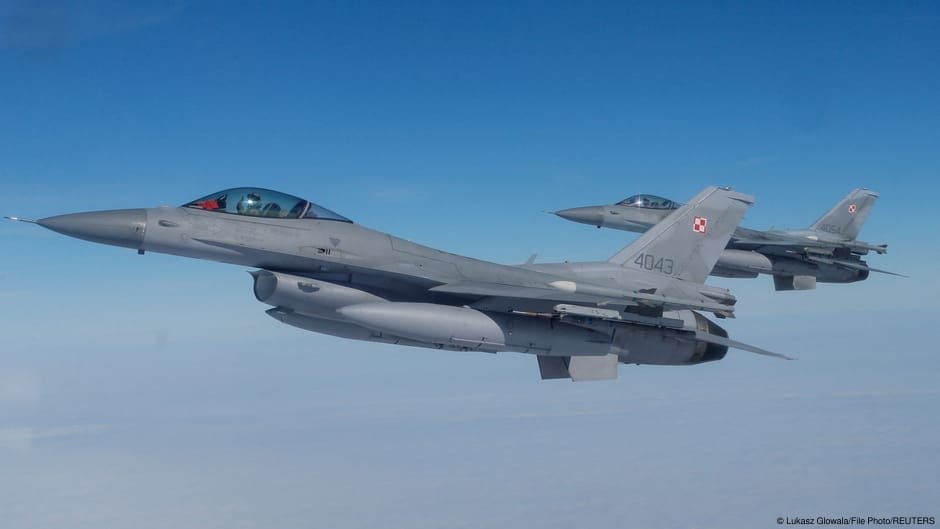
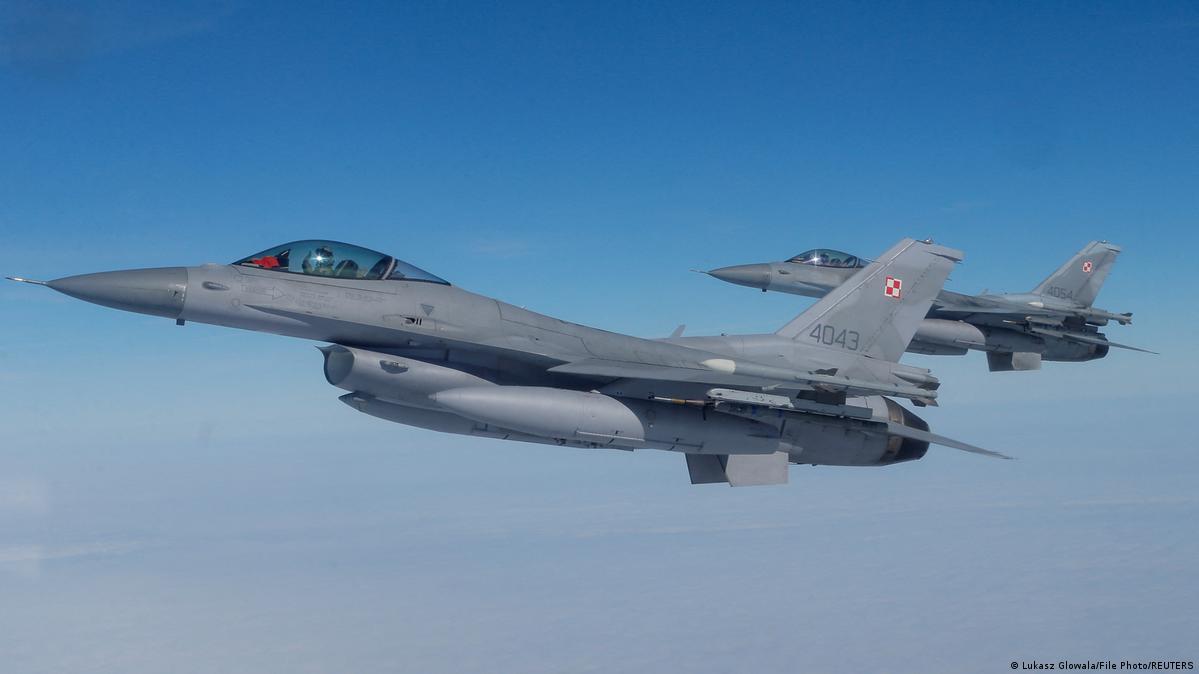
Poland‘s Deputy Defense Minister Cezary Tomczyk told reporters that Warsaw will set up a no-fly zone inside its border with Ukraine and suggested other regional allies do the same in the wake of repeated Russian incursions into NATO airspace as part of Moscow’s war of aggression.
“An ordinance is already being prepared by the government and should enter into force at the end of December or the beginning of January,” said Tomczyk.
“We will also urge our allies — the entire NATO alliance — to establish such a principle along the eastern flank,” he continued, “Poland was a pioneer in this regard, and the Baltic states have since followed our lead.”
Poland strictly limits air traffic at its border already.
On Wednesday, Tomczyk said the proposed no-fly zone will cover several dozen kilometers of territory from the border and provide added support for Poland’s armed forces.
Edited by:Dmytro Hubenkohttps://p.dw.com/p/5Pt8tSkip next section Merz defends Ukraine aid, says those opposed are lost or have other aims11/25/2026November 25, 2026
Merz defends Ukraine aid, says those opposed are lost or have other aims
German Chancellor Friedrich Merz defended his government’s expenditures on Ukraine aid during a budget debate in the Bundestag on Wednesday.
Merz tackled criticism from opposition parties on the left and right head on, saying “Russia knows exactly what it wants. And Russia wants more than Ukraine.”
“Russia is escalating in the Baltic region, in Poland, on the Black Sea. Russia is escalating in space. And Russia is now escalating massively here, in our own country, too, even at the risk of loss of life,” he added.
Merz said, “anyone who doesn’t see that, doesn’t understand the world around them, or they are pursuing entirely different aims.”
The Left Party and Alternative for Germany (AfD) have both called for an end to Ukraine aid and better relations with Moscow.
Among other things, Germany blames Russia for an explosive drone incident at Leipzig airport this summer as well as cyberattacks, sabotage and airspace incursions across the EU and NATO.
Merz said on Wednesday that by supporting Ukraine, Germany is protecting itself.
“We are learning from Ukraine,” said Merz, “technologically for civilian use but of course also in defense technology.”
To view this video please enable JavaScript, and consider upgrading to a web browser that supports HTML5 video
Edited by:Dmytro Hubenkohttps://p.dw.com/p/5PstUSkip next section Moscow, Kyiv exchange overnight attacks on energy infrastructure11/25/2026November 25, 2026
Moscow, Kyiv exchange overnight attacks on energy infrastructure
Kyiv and Moscow both assessed damage to energy infrastructure on Wednesday morning as both sides continued to inflict damage on one another amid Russia’s over four-and-a-half-year attempted invasion of neighboring Ukraine.
Russia again focused its attacks on Ukraine’s energy structure in an attempt to break the will of the country’s civilian population as the bitter cold of winter sets in.
Moscow’s troops attacked a thermal energy power plant, shutting it down; as well as targeting a gas production facility in Poltawa, where ensuing fires also shut down operations.
Ukraine’s acting energy minister said that power outages were reported in five regions as a result of the Russian attacks.
In Russia’s Samara region, Ukrainian drones hit at least two oil refineries, killing one person, sparking large fires and and causing energy blackouts.
Edited by:Jenipher Camino Gonzalezhttps://p.dw.com/p/5PryZSkip next section France, Italy offer different takes on Ukraine’s actions in Libya11/25/2026November 25, 2026
France, Italy offer different takes on Ukraine’s actions in Libya
Kyiv’s attacks on Russian ships in and off the coast of Libya over the past couple of days have ruffled feathers among Ukraine’s allies, with France and Italy, for instance, coming down on entirely different sides of the issue.
French Foreign Minister Jean-Noel Barrot said Kyiv was justified in its actions because it has an “absolute right to self-defense.” Libya on Wednesday announced that two of its soldiers had died from injuries sustained during a weekend drone attack that sank a Russian warship.
Speaking with French broadcaster TF1, Barrot said, “For nearly five years now, [Russian President] Vladimir Putin has not only been bombing Ukraine, but has also been constantly engaging in acts of aggression and harassing Europeans in an attempt to undermine our unity.”
Barrot said Russia alone is to blame for the war and its expansion, and then asked, “What would we do if we were being bombarded day and night by an enemy — an invader?”
Italy’s Foreign Minister Antonio Tajani on Wednesday criticized Kyiv’s actions, saying, “It was a mistake to violate Libya’s sovereignty” and warned against further similar activities in other regions.
Speaking with Italy’s Corriere della Sera newspaper on Wednesday, Tajani said, “Italy was absolutely unaware of Kyiv’s intentions to strike in Libyan territorial waters, even inside a port.”
Tajani said he had spoken with Ukraine Foreign Minister Andrii Sybihato and conveyed Italy’s concern over the matter, adding that Rome would continue its staunch support for Ukraine and its sovereignty while at the same time seeking to keep the conflict from spreading.
To view this video please enable JavaScript, and consider upgrading to a web browser that supports HTML5 video
Edited by:Jenipher Camino Gonzalezhttps://p.dw.com/p/5PsGoSkip next section Welcome to our coverage11/25/2026November 25, 2026
Welcome to our coverage
As Russia’s invasion of Ukraine creeps toward its fifth year, both sides continue to blast each other’s infrastructure.
Overnight attacks targeted gas, oil and thermal energy facilities on both sides of the conflict’s front lines.
While Moscow chided former UK Prime Minister Boris Johnson’s calls for a contingent of Western soldiers to be stationed in Ukraine, France’s foreign minister defended Kyiv’s recent attacks on Russian maritime vessels in far away Libya — something Italy’s foreign minister criticized.
In Berlin, Chancellor Friedrich Merz defended German support for Ukraine as opposition parties with sympathies for Moscow complain it’s too expensive.
Merz called out those wanting to curtail support as either “failing to grasp” the fact that “Russia wants more than Ukraine” or “pursuing entirely different aims with regard to our country’s freedom, openness and liberalism.”
Lastly, Poland’s defense minister on Wednesday expressed astonishment over the fact that the US has not yet condemned or even reacted to repeated Russian drone and missile incursions into Polish airspace in recent days.
Stay tuned to DW for these stories and all the latest news on the conflict in Ukraine….
Edited by:Jenipher Camino Gonzalezhttps://p.dw.com/p/5PrvTShow more posts