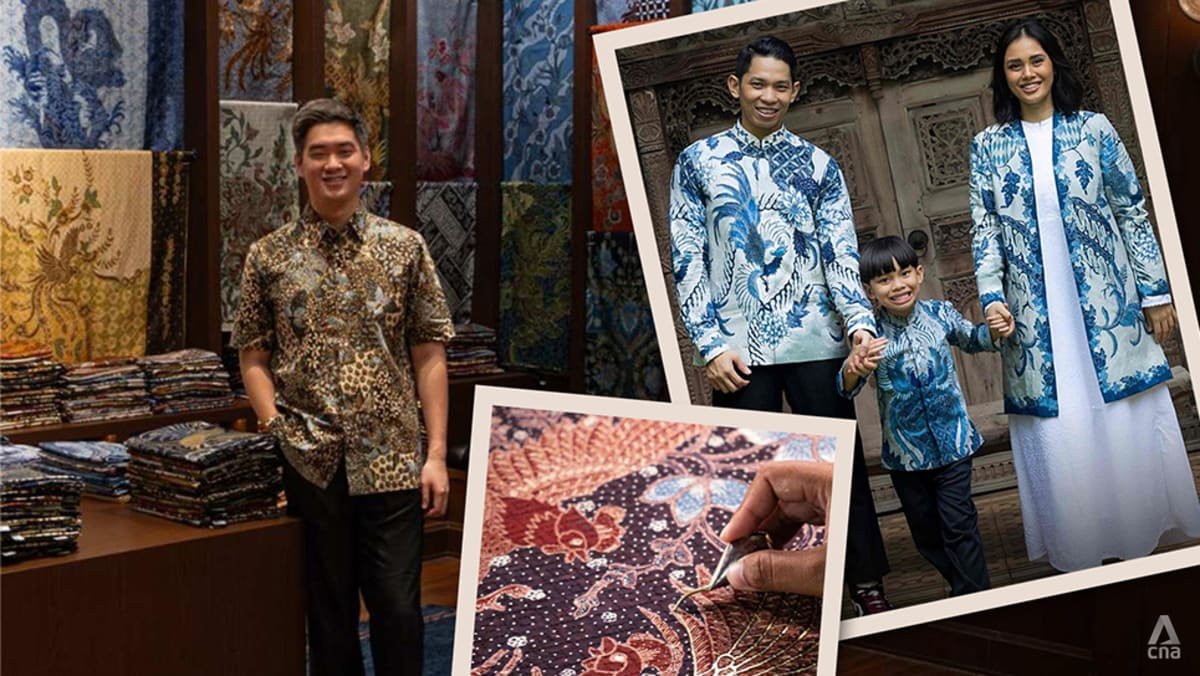
Not your regular batik: This Indonesian fashion brand is making hand-drawn batik for a new generation
Batik Wolter works with artisans across Indonesia to create hand-drawn batik pieces that blend traditional craftsmanship with contemporary design. Founder Abel Hesed Tandadjaja hopes the approach will keep the centuries-old craft relevant for younger generations.
Indonesian entrepreneur Abel Hesed Tandadjaja founded Batik Wolter to showcase hand-drawn batik tulis. (Photos: Batik Wolter; Art: CNA/Chern ling)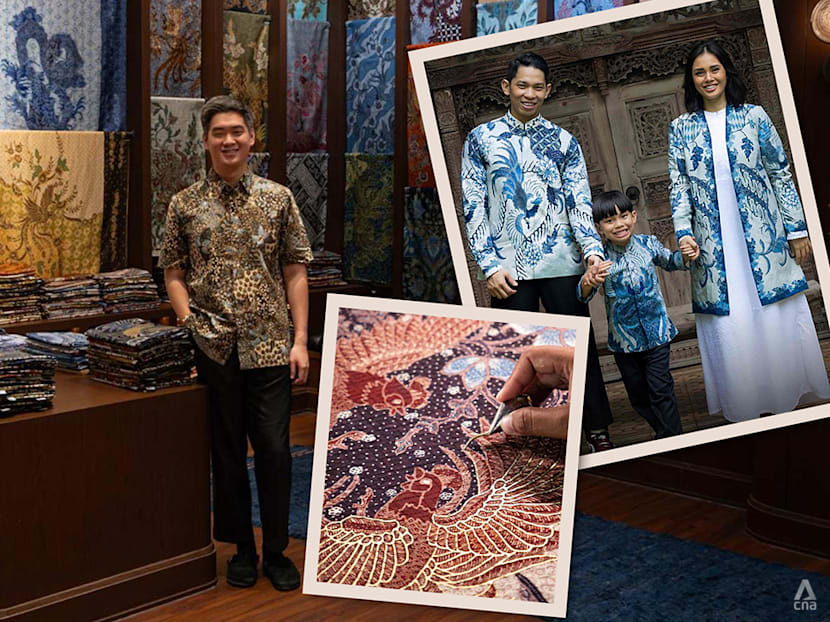
New: You can now listen to articles.

This audio is generated by an AI tool.
Read a summary of this article on FAST.
Get bite-sized news via a new
cards interface. Give it a try.
Click here to return to FAST
Tap here to return to FAST
FAST
For Abel Hesed Tandadjaja, batik is more than a textile tradition – it is part of Indonesia’s cultural identity and a craft he has known since childhood through his family’s fabric business.
That early exposure eventually inspired the 33-year-old to launch Batik Wolter, a Jakarta-based fashion brand specialising in batik tulis – a traditional handmade form of Indonesian batik created using a wax-resist dyeing technique, in 2019.
The Wolter name came from Robert Wolter Mongisidi, one of Indonesia’s national heroes. And coincidentally, on a personal note, Tandadjaja grew up on Wolter Monginsidi Street in Solo.
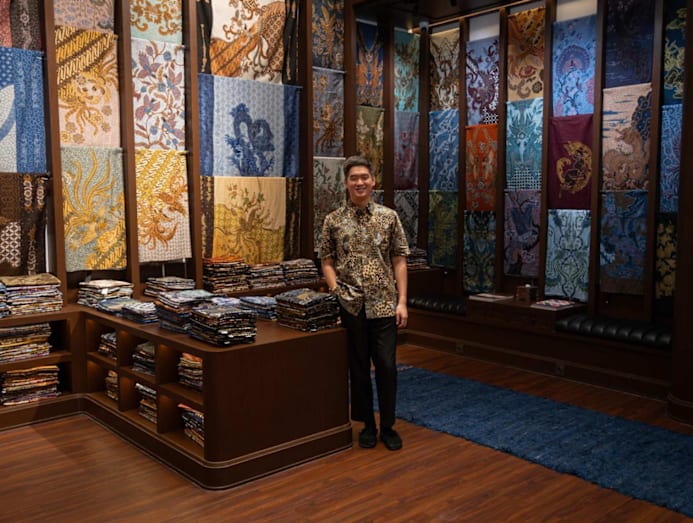
Tandadjaja’s fascination with batik tulis began while he was working in the corporate world. Required to wear batik regularly, he noticed that the pieces worn by senior executives looked noticeably more refined and distinctive than his. He later discovered that they were wearing hand-drawn batik tulis.
“The idea of owning a truly one-of-a-kind piece stayed with me,” he told CNA Lifestyle in an email interview. “That inspired me to create a brand that celebrates batik tulis while presenting it in a way that feels modern.”
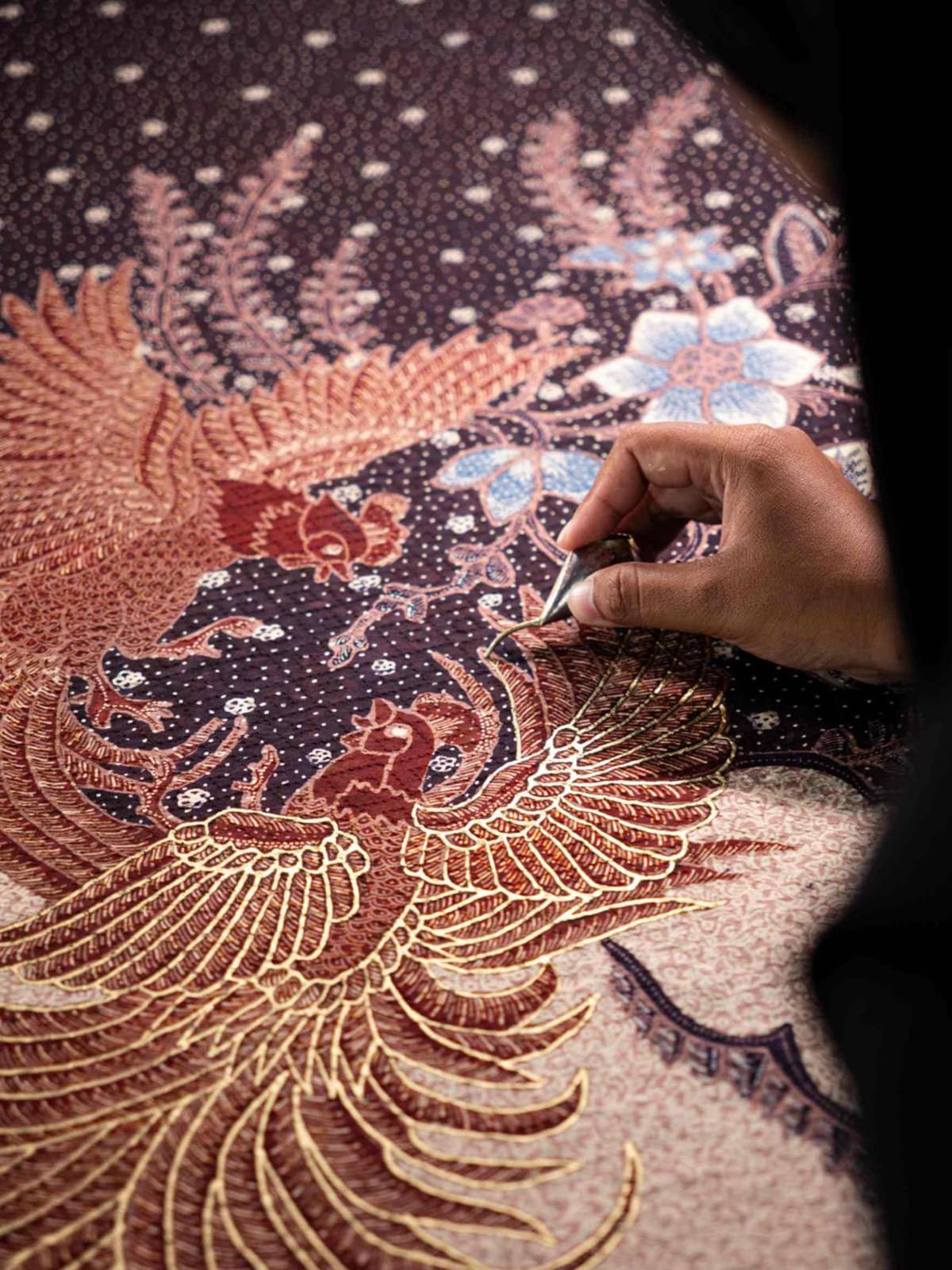
There are no shortcuts. Every piece is unique.
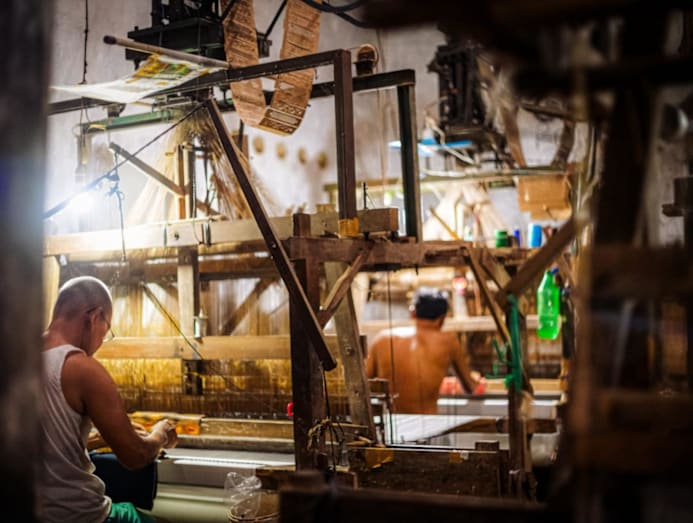
Unlike printed batik or batik cap, which uses stamps to create repeated motifs, batik tulis is entirely hand-drawn. Artisans apply wax to fabric using a pen-like tool called canting before dyeing the cloth through a painstaking wax-resist process.
“There are no shortcuts,” said Tandadjaja. “Every piece is unique.”
Creating batik tulis can take weeks or even months, depending on the complexity of the design. The slight variations in lines and motifs are part of its appeal, reflecting the human touch behind every piece.
“You can actually see and feel that it was made by someone, not something,” he added. “Those irregularities aren’t flaws – they’re what make the work authentic.”
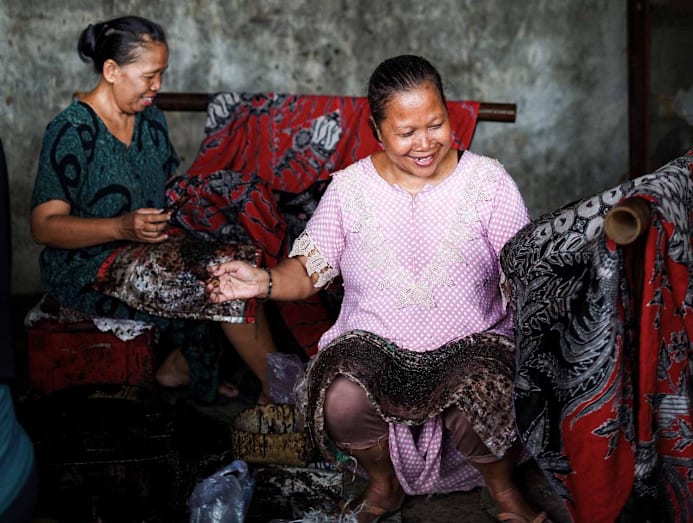
Many of the artisans Batik Wolter works with come from families where batik-making skills have been passed down through generations. The brand also collaborates with batik villages across Pekalongan, Yogyakarta, Solo, Cirebon and Lasem, giving it access to a rich variety of regional styles and techniques.
Today, Batik Wolter offers more than 1,000 designs, ranging from tailored shirts and jackets to full suits and bespoke pieces for both men and women.
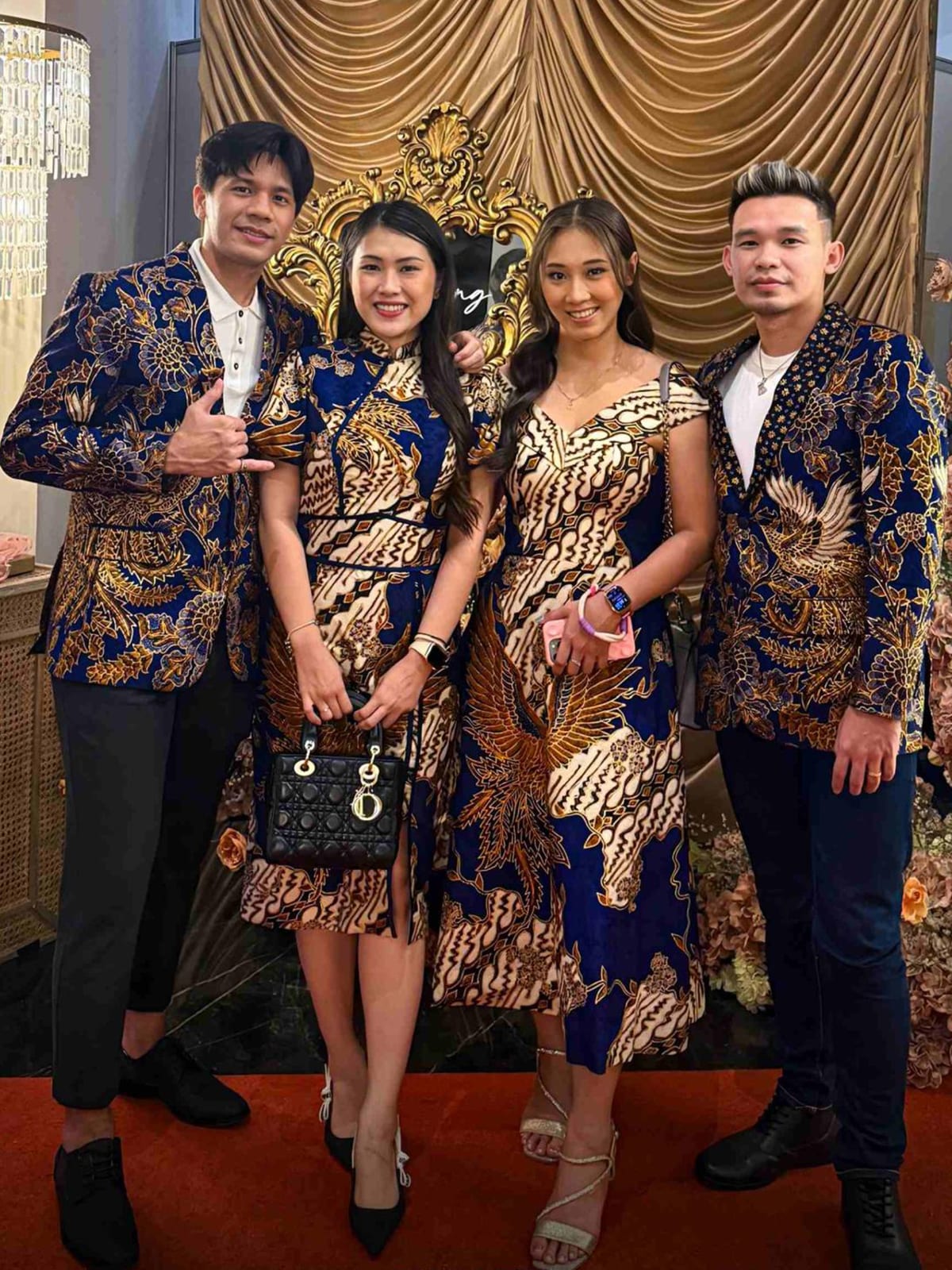
While the craftsmanship remains traditional, the brand takes a contemporary approach to design. Bold colours, modern silhouettes and fresh interpretations of classic motifs help make batik appealing to today’s consumers.
“We’re not replacing tradition,” said Tandadjaja. “We’re reinterpreting it in a way that feels relevant.”
The brand also offers a highly personalised service, including the creation of entirely custom batik patterns that incorporate a client’s chosen symbolism or personal story. Depending on the complexity of the design, the process can take between three and six months.
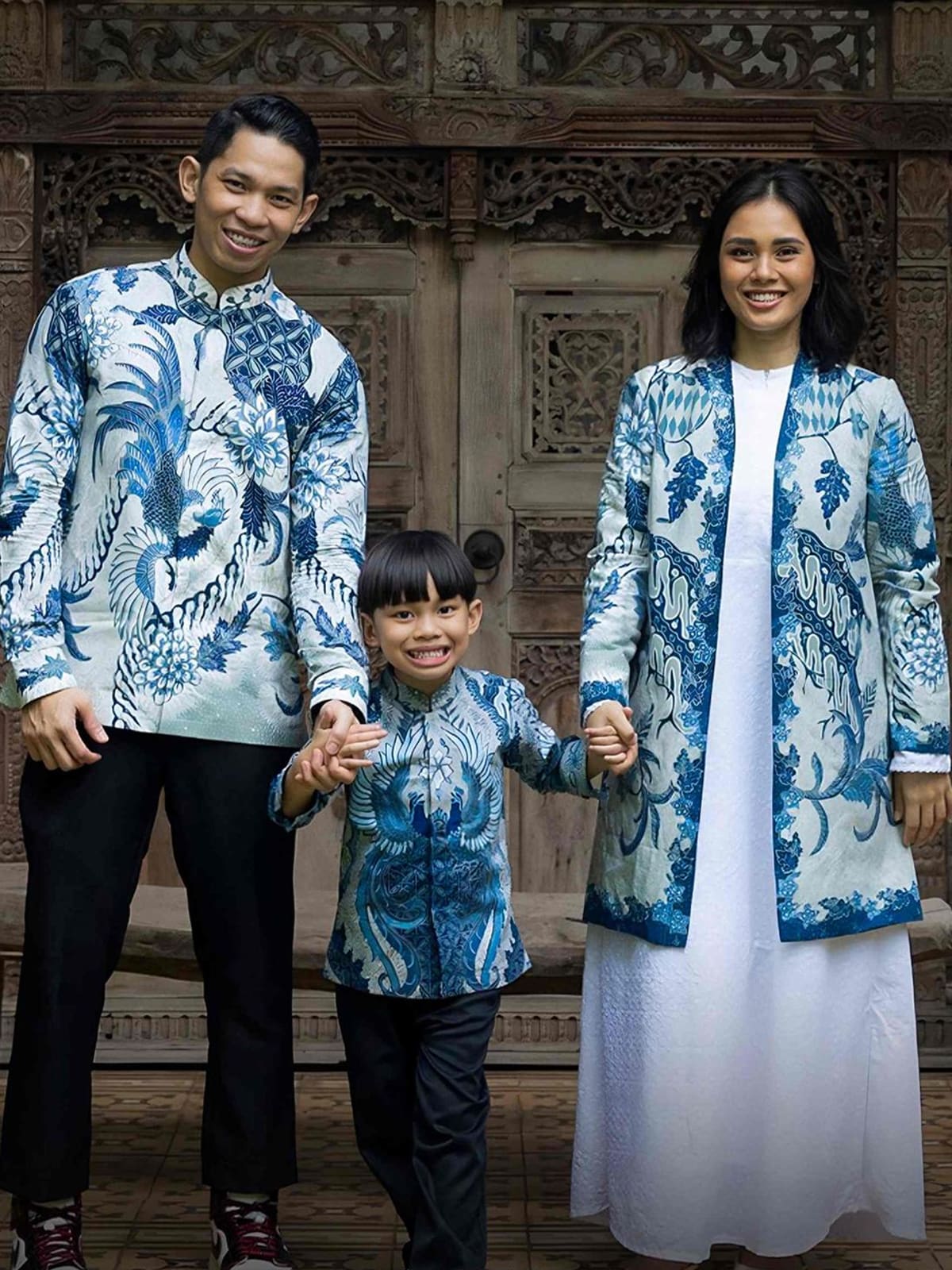
For Tandadjaja, modernisation is not a threat to batik’s heritage but a necessity for its survival.
“The bigger risk isn’t evolution – it’s becoming irrelevant,” he said. “We want younger people to see batik not just as a tradition, but as something they genuinely choose as part of their lifestyle.”
That approach appears to be working. Alongside a growing number of younger customers, Batik Wolter is attracting clients from neighbouring countries such as Singapore and Malaysia who travel to Jakarta specifically to commission batik pieces.
Looking ahead, Tandadjaja hopes to expand Batik Wolter across Southeast Asia and beyond. His mission, however, remains simple: To ensure that batik tulis continues to thrive by making it current, approachable and relevant for future generations.
Batik Wolter is located at Maqna Residence Ruko 18-21, Business Park, Kebon Jeruk, RT1/RW5, North Meruya, Kembangan, West Jakarta City, Jakarta 11610, Indonesia.
Source: CNA/yy
RECOMMENDED
Get bite-sized news via a new
cards interface. Give it a try.
Click here to return to FAST
Tap here to return to FAST
FAST