Dollar poised for best month in nearly a year; eyes on jobs data, Gulf tension
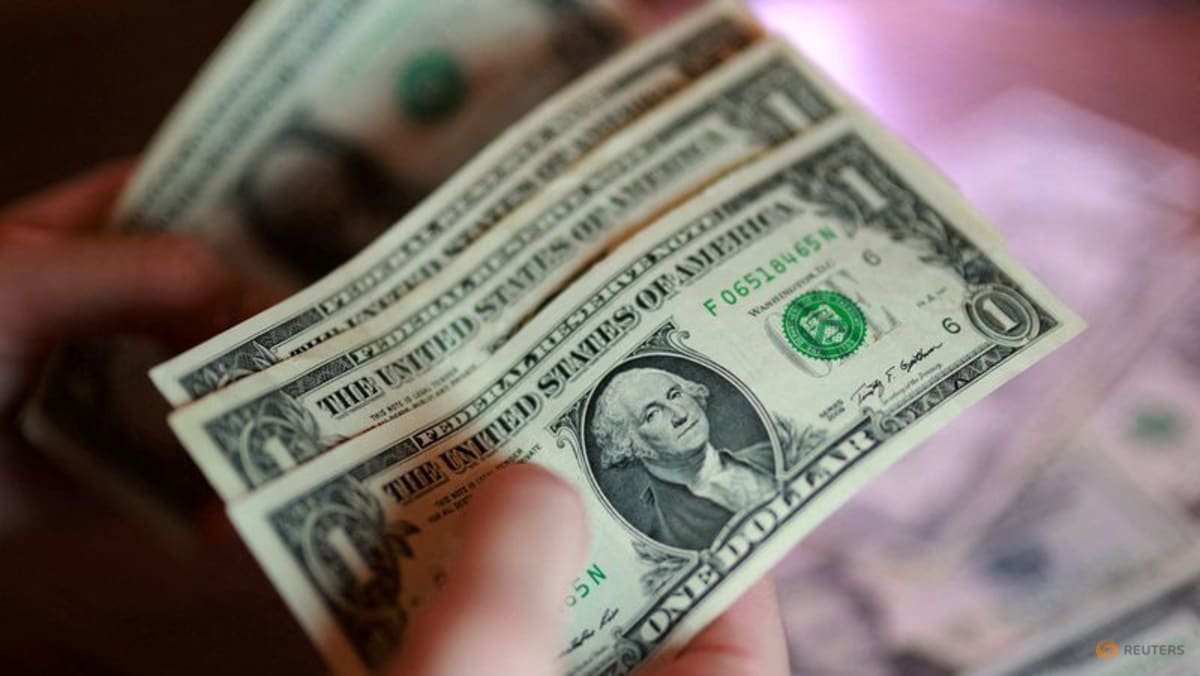
FILE PHOTO: U.S. dollar banknotes are seen in this illustration taken March 24, 2026. REUTERS/Dado Ruvic/Illustration/File Photo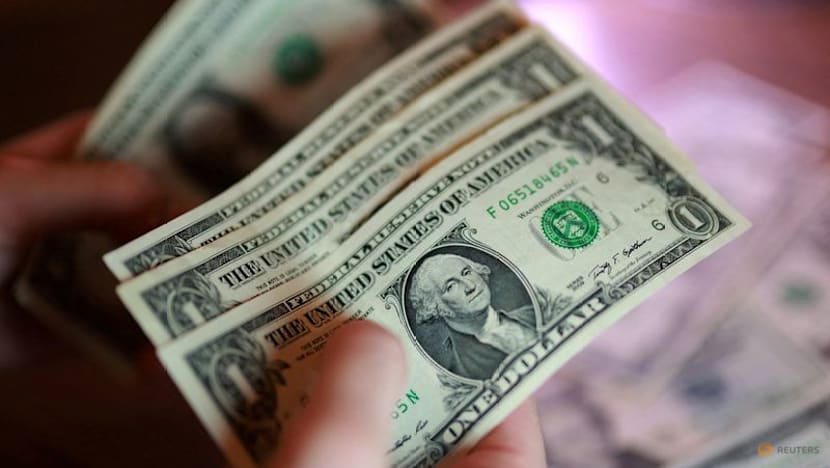
Read a summary of this article on FAST.
Get bite-sized news via a new
cards interface. Give it a try.
Click here to return to FAST
Tap here to return to FAST
FAST
HONG KONG, June 29 : The U.S. dollar was on the defensive on Monday but remained on track for its biggest monthly gain in nearly a year, due to tension in the Gulf and ahead of jobs data that could shape the Federal Reserve’s rate path.
The U.S. and Iran traded fresh barbs over the weekend before they agreed to stop tit-for-tat attacks and meet in Qatar on Tuesday, leaving investors nervous about a fragile ceasefire.
Oil prices rose on Monday following strikes that again slowed energy shipping in the Strait of Hormuz, supporting safe-haven demand for the greenback.
The euro was flat at $1.1387 after hitting a 13-month low against the dollar last week, and was on track for a 2.3 per cent monthly decline. Sterling traded 0.1 per cent lower at $1.3198 and was down 2 per cent for the month.

Guess Word
Crack the word, one row at a time

Buzzword
Create words using the given letters

Mini Sudoku
Tiny puzzle, mighty brain teaser

Mini Crossword
Small grid, big challenge

Word Search
Spot as many words as you can
The risk-sensitive Australian dollar fetched $0.6885, down 0.1 per cent in early trade and heading for a 4.1 per cent monthly decline. The New Zealand dollar was little changed at $0.5635, down 5.9 per cent for the month.
The Japanese yen last traded at 161.75, continuing to languish near a 40-year low.
The dollar index, which measures the greenback against a basket of currencies including the yen and the euro, was a shade higher at 101.36.
It is now on track for a 2.5 per cent gain for June, which marks the biggest monthly advance since July last year.
The conflict with Iran has continued to stoke inflation pressures, while a surprisingly hawkish debut from Kevin Warsh as Federal Reserve chair earlier in the month has reversed market expectations for U.S. rate cuts this year.
Meanwhile, a tech-led global equity selloff is also driving flows into the dollar as investors seek shelter.
Investors are now watching U.S. non-farm payroll and unemployment rates due this week, which could offer fresh clues on the strength of the labour market and the outlook for Fed policy.
“We expect the USD to grind higher in coming weeks because of the ‘US exceptionalism’ narrative,” Joseph Capurso, head of foreign exchange at Commonwealth Bank of Australia, said in a note.
A strong and improving labour market is a recipe for higher U.S. interest rates and the dollar, he said.
The European Central Bank’s annual forum this week is also under close watch as investors continue to monitor evolving central bank policies amid lower oil prices and stock market volatility.
ECB President Christine Lagarde opens the forum on Monday, followed by a key policy panel on Wednesday featuring Fed Chair Warsh, with markets looking for a clearer read on the new Fed chief.
Source: Reuters
Sign up for our newsletters

Get the CNA app
Stay updated with notifications for breaking news and our best stories
Get WhatsApp alerts
Join our channel for the top reads for the day on your preferred chat app

Get bite-sized news via a new
cards interface. Give it a try.
Click here to return to FAST
Tap here to return to FAST
FAST
About The Author