


AI could lift Sub-Saharan Africa economy 4% if power, internet improve, IMF says
Read a summary of this article on FAST.
Get bite-sized news via a new
cards interface. Give it a try.
Click here to return to FAST
Tap here to return to FAST
FAST
JOHANNESBURG, July 21 : Artificial intelligence could boost Sub-Saharan Africa’s economy by about 4 per cent over the next decade with better electricity supply, internet access and digital skills, an International Monetary Fund paper showed on Tuesday, but without such reforms the growth dividend could be negligible.
As countries and companies race to secure AI’s economic benefits, investment in data centres, energy infrastructure and digital networks is surging worldwide.
But Sub-Saharan Africa, which ranks lowest on the IMF’s AI Preparedness Index, risks capturing only a fraction of the potential gains if infrastructure bottlenecks remain unaddressed, the paper found.
“Policy changes will be key to whether further growth can be unlocked from AI,” said Martin Schindler, Deputy Division Chief and Mission Chief in the Fund’s African Department and lead author of the paper.

Guess Word
Crack the word, one row at a time

Buzzword
Create words using the given letters

Mini Sudoku
Tiny puzzle, mighty brain teaser

Mini Crossword
Small grid, big challenge

Word Search
Spot as many words as you can
Without decisive action, many sub-Saharan African countries may see productivity and growth gains of just 0.2 per cent over the next decade, he told Reuters.
“Frankly, that’s a rounding error,” he added.
AFRICA PLAYING CATCH-UP TO AI USE
Africa remains on the margins of the global AI boom, with Sub-Saharan Africa recording one of the lowest AI adoption rates of any region worldwide, behind every region except South Asia.
The IMF’s AI Preparedness Index attributes the gap to shortfalls in digital infrastructure, technical skills and regulatory capacity that limit both adoption and the region’s resilience to labor-market disruption.
“For Sub-Saharan Africa, the central concern is not the risk of technological disruption, but whether countries will be able to adopt, adapt, and scale AI quickly enough to capture its benefits and avoid falling further behind,” the paper says.
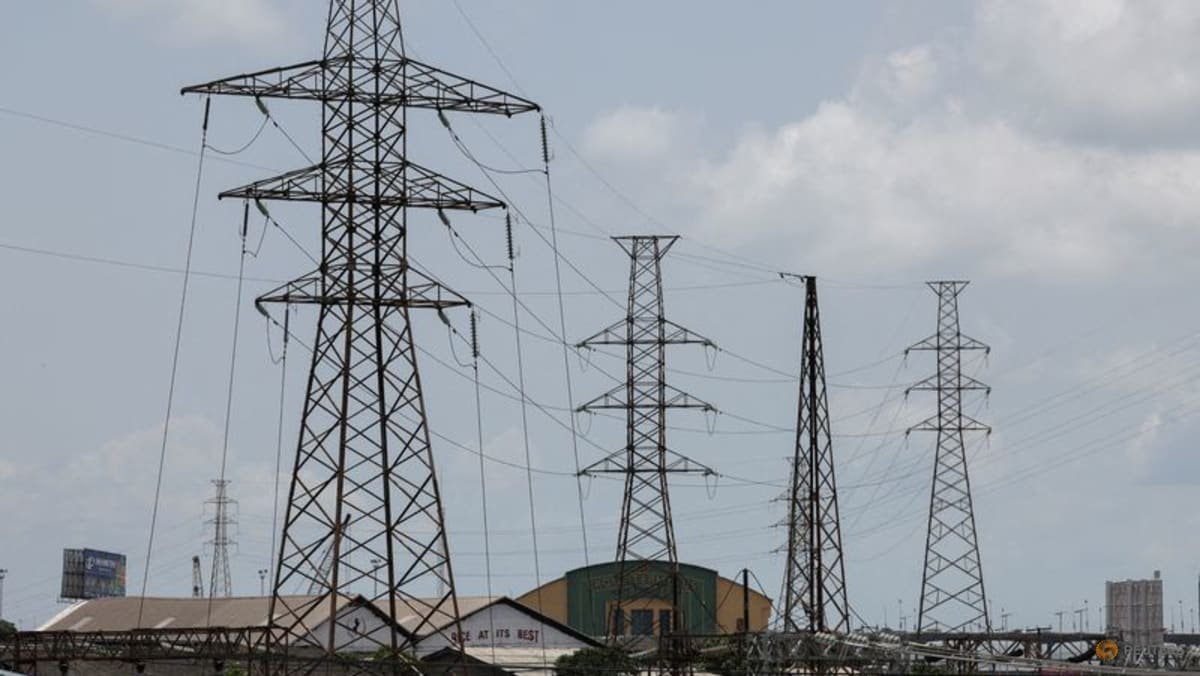
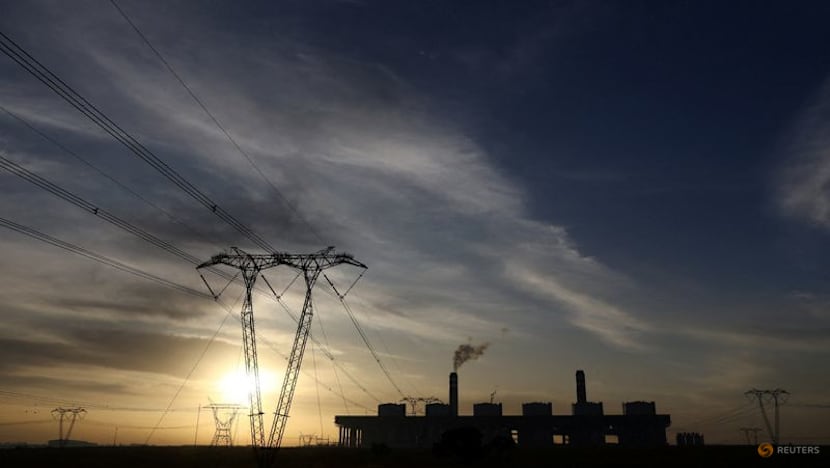
Around half the region’s population lacks reliable power.
The report said targeted grid and mini-grid investments around schools, clinics and other public facilities could help create local digital hubs.
“It’s hard to have anything without electricity,” said co-author Andrew Tiffin. The arrival of AI essentially added a new wrinkle to Africa’s longstanding electricity problem, he said, since data centers could also become new bankable projects that speed up electrification.
Connectivity is another constraint. Only 38 per cent of Africans used the internet in 2024, compared with 68 per cent globally. The paper said greater investment in fibre backbones and open-access networks could help lower costs and expand access.
Some private-sector investors are already betting on growing AI demand. Microsoft and G42 have announced a $1 billion, 100 MW geothermal-powered data center campus in Kenya; Cassava Technologies and NVIDIA have struck a $700 million deal to deploy 12,000 GPUs across South Africa, Nigeria, Kenya, Egypt, and Morocco.
Africa hosts only about 160 data centres, around 5.5 per cent of the global total, with nearly half located in South Africa, Nigeria and Kenya, highlighting the risk that AI investment could widen regional inequalities, the report said.
Source: Reuters
Sign up for our newsletters

Get the CNA app
Stay updated with notifications for breaking news and our best stories
Get WhatsApp alerts
Join our channel for the top reads for the day on your preferred chat app

Get bite-sized news via a new
cards interface. Give it a try.
Click here to return to FAST
Tap here to return to FAST
FAST
About The Author







