


Not all itchy bites are from mosquitoes: How to tell if a sandfly got you instead
Those tiny, intensely itchy bites after a trip to the beach or a coastal park may not be from mosquitoes. Here’s how to tell if a sandfly is the culprit, why its bites can itch more, what treatments help, and when you should see a doctor.
(Photo: iStock/lzf)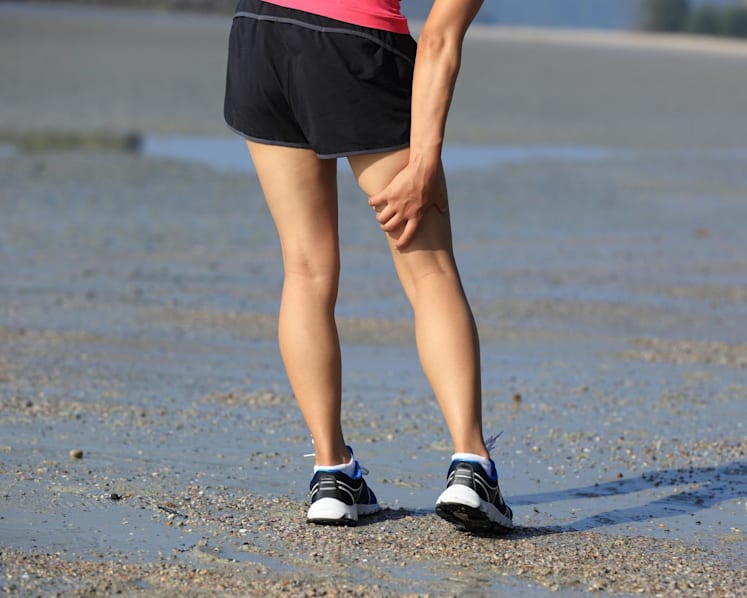
New: You can now listen to articles.

This audio is generated by an AI tool.

Read a summary of this article on FAST.
Get bite-sized news via a new
cards interface. Give it a try.
Click here to return to FAST
Tap here to return to FAST
FAST
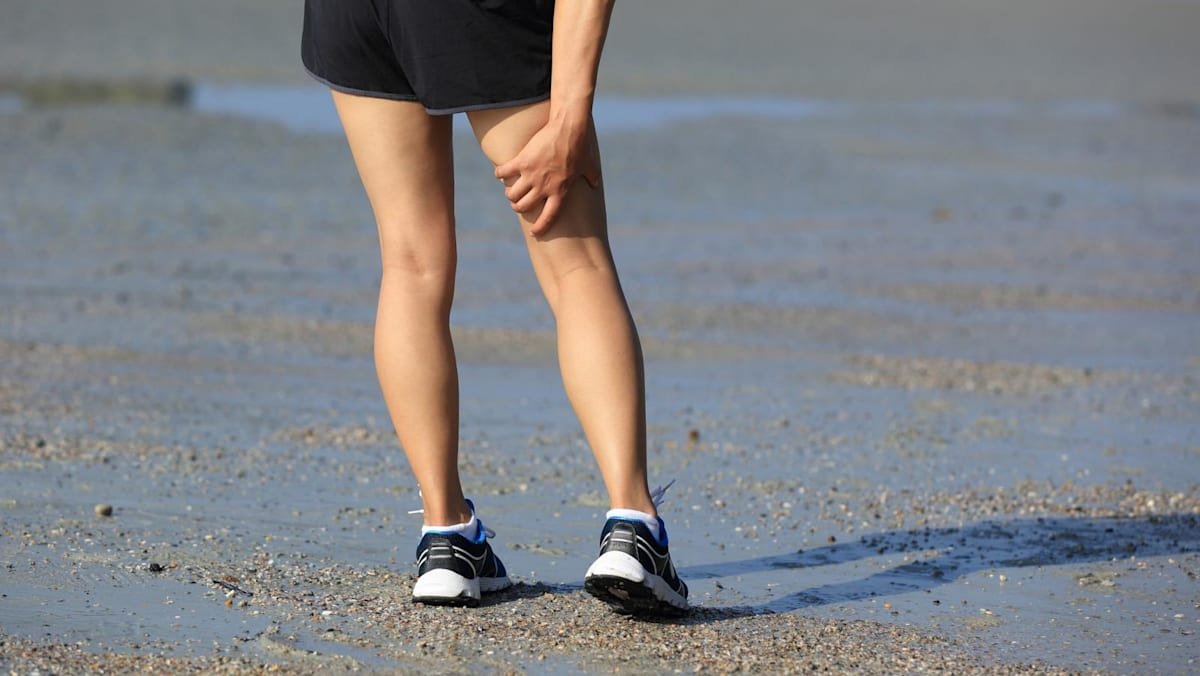
Got an itchy insect bite? It was probably courtesy of a mosquito. But if you’re somewhere with sandy shores, such as East Coast Park, Coney Island or Chek Jawa – and can’t spot the insect anywhere, it might have been a sandfly instead. Here’s how to tell and what’s the best way to ease the intense itch.
WHY ARE SANDFLIES SO DIFFICULT TO SPOT?
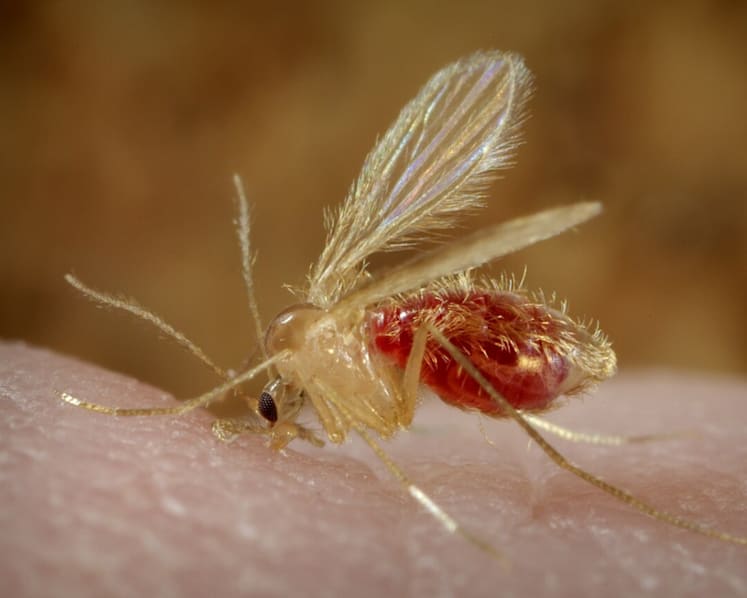
They are incredibly tiny, about 2mm to 3mm in length. By comparison, the average mosquito that you encounter in Singapore is about the length of a rice grain.
Sandflies tend to be the most active in the early morning and evening – and especially when it’s windless. They also don’t produce that high-pitched whine when flying – making them the perfect flying, blood-sucking cousins of mosquitoes.
ARE SANDFLIES A TYPE OF MOSQUITO?
No. “Sandfly” is a name that is ambiguously given to many species of biting insects that is not a mosquito, according to The Entomologist Lounge. So, it’s highly confusing when you’re trying to find out about the non-mosquito that bit you. “Here in Singapore, sandflies are known to bite humans at damp, sandy coastlines; hence its name,” wrote the website.
To further add to the confusion, “some bites from Singapore’s beaches may actually come from biting midges (different from the non-biting midges that converge at reservoirs)”, said Dr Scott Joel Heng, a general practitioner with Healthway Medical. Similarly, he’d also noted that “the term ‘sandfly’ is used loosely for several small biting insects”.
CAN SANDFLIES CARRY DISEASES?
True sandflies have a distinctive, humpbacked profile with hairy wings held in a “V” shape when resting – and there are about 60 species in Southeast Asia.
Like mosquitoes, some sandfly species can carry disease. According to the World Health Organization (WHO), the main culprit in Asia is the phlebotomus papatasi, which spreads a parasite that causes leishmaniasis.
“Leishmaniasis is a parasitic infection that can cause skin ulcers and, in severe cases, affect internal organs,” explained Dr Jane Tan, a consultant and the clinical lead for Dermatology Workgroup, SingHealth Polyclinics.
There are three types of leishmaniasis: cutaneous (signs include skin lesions ranging from small papules to ulcerative sores), mucocutaneous (disfiguring ulcers in the nose, mouth and throat tissues) and visceral (aka kala-azar or black fever; symptoms include persistent or irregular fevers, significant weight loss, anaemia, and swelling of the spleen and liver).
The other disease associated with these pests is sandfly fever – a viral illness that typically presents with a short-lived fever, headache and body aches. Fortunately, both conditions are not endemic in Singapore, said Dr Tan.
However, a 2025 study noted the detection of phlebotomine sandflies in Singapore for the first time. “Although true sandflies have recently been documented in Singapore, there is currently no established local transmission of leishmaniasis,” said Dr Heng.
Leishmaniasis is more likely to infect travellers returning from affected regions (such as China, India, Sri Lanka and Thailand), “especially if a bite develops into a slow-healing skin ulcer”, said Dr Heng.
Locally, said Dr Tan, the more common concern is the allergic reaction that can occur following a sandfly bite.

WHY ARE SANDFLY BITES ITCHIER THAN MOZZIE ONES?
It’s down to the way the different insects feed. Mosquitoes are vessel feeders, meaning they use a thin, needle-like tube to pierce your skin and reach a blood vessel. Then, much like how you drink juice through a straw, the mosquito sucks the blood straight from the blood vessel.
Sandflies, on the other hand, are pool feeders. They use small, saw-like teeth to rip and tear your skin, creating a small pool of blood under the surface. The sandfly then sips the blood from this pool, like eating soup with a spoon.
Because of the way sandflies feed – causing greater skin irritation and triggering a more pronounced immune response – the itch caused by them can be more severe, said Dr Tan.
“Unlike mosquito bites, those inflicted by sandflies may occasionally develop into fluid-filled blisters because of the stronger inflammatory reaction they induce in the body,” she said. “In some cases, particularly when scratching is excessive, secondary bacterial infections may develop and further prolong recovery.”
HOW CAN WE TELL SANDFLY BITES FROM MOSQUITOES’?
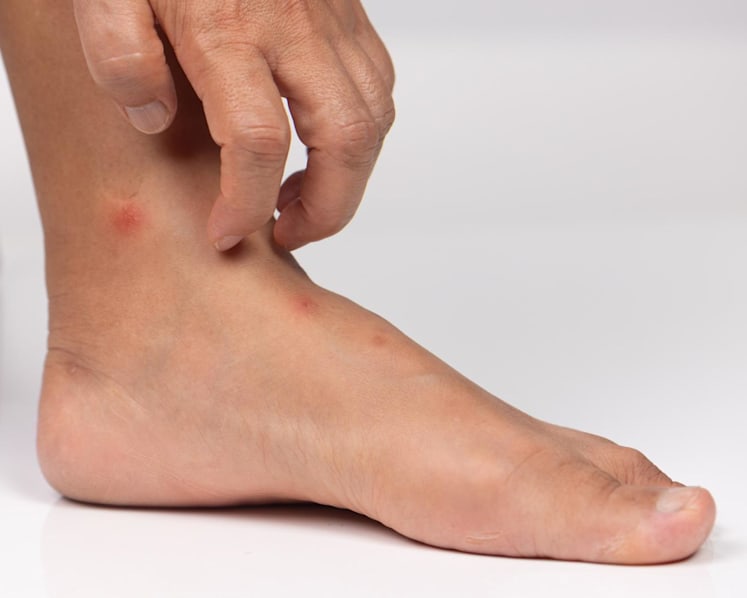
Sandfly bites often cause small, red, intensely itchy bumps that tend to appear in clusters, explained Dr Tan. “Sandfly bites can sometimes be mistaken for mosquito, flea or bed bug bites.”
Dr Heng, who sees “suspected insect-bite reactions several times a week”, said “it is often impossible to identify the insect from the bite alone”. “The timing and exposure history are usually more useful, such as whether the person recently visited a beach or coastal area.”
For instance, cases that are likely to involve sandflies tend to increase after the weekends or holidays, particularly when children and young adults return from school camps or outdoor activities, observed Dr Heng.
WHY SHOULDN’T YOU SCRATCH?
Itchiness is usually the main complaint and the urge to scratch can be intense, said Dr Heng. “It comes from the body’s reaction to the insect’s saliva – and some people react more strongly than others.”
It pays to get a grip on yourself because “scratching increases inflammation, slows healing and may leave dark marks or thickened skin”, said Dr Heng. “Scratching can also allow bacteria to enter the skin. Warning signs include increasing pain, warmth, spreading redness, pus or fever.”
WHAT MEDICINES WORK ON SANDFLY BITES?
For simple, uninfected bites, advised Dr Heng, wash the affected area with soap and water, and apply a cold compress to reduce swelling and itching. “Do not apply very hot water or heated objects as these can burn or further irritate the skin. Avoid scratching and keep your nails short.”
Dr Tan recommended over-the-counter treatments such as oral antihistamines to reduce itching, and topical steroid creams to alleviate inflammation. And give it one to two weeks to heal, she said.
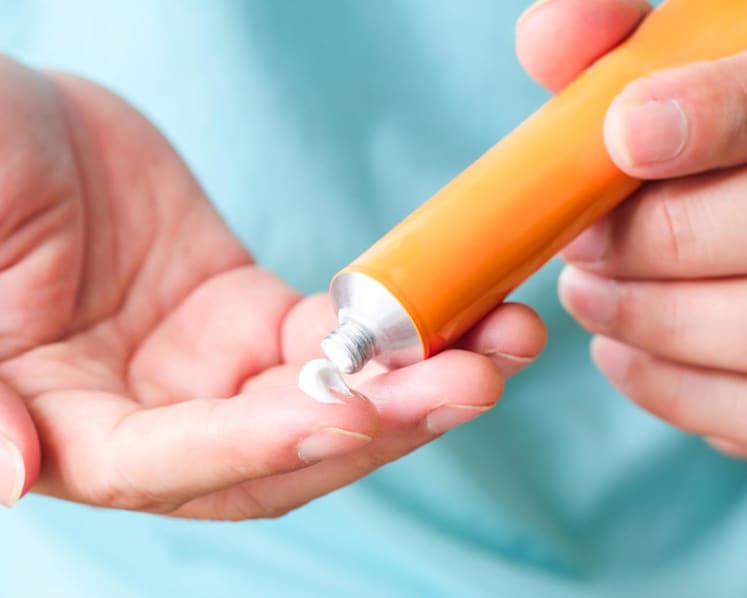
Dr Heng suggested a 1-per-cent hydrocortisone cream or an oral antihistamine for the itch. “Hydrocortisone is a mild steroid used for inflammation and reactions to insect bites.”
If the symptoms don’t improve after a few days, said Dr Tan, or “if the bites become increasingly swollen or painful; or if blisters, discharge or signs of infection develop”, see a doctor. Dr Heng said a trip to the GP may also be warranted if the itching is so intense, your sleep is affected; or if the bites scar or leave marks.
“People with diabetes, weakened immune systems or those taking immune-suppressing medication should seek medical advice earlier if the bites worsen. When in doubt, don’t be shy to check with your GP,” said Dr Heng.
At the doctor’s, you may be prescribed “stronger anti-inflammatory medications, including a short course of oral steroids and antibiotics, when secondary infection is present”, said Dr Tan.
Generally, she said, “it is uncommon for sandfly bites to require steroid injections, although treatment approaches may vary, depending on the severity of the reaction and the individual’s clinical circumstances”.
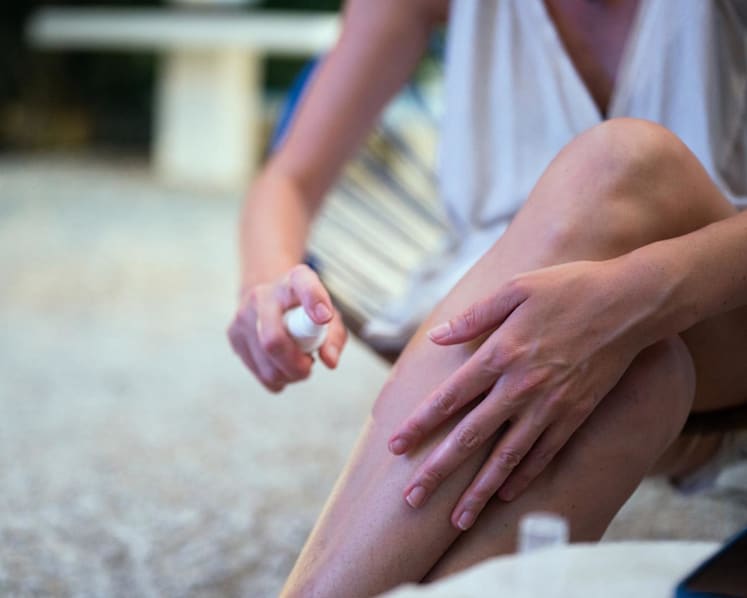
HOW TO WARD OFF SANDFLIES?
Sandflies are weak, low fliers, and tend to go for the lower limbs such as the ankles and calves, so make sure you cover those areas. Wear socks and long pants if practical.
As for bug sprays, DEET (short for N,N-diethyl-m-toluamide) is the gold standard. Studies have shown that repellents containing DEET are “more effective” and/or have longer repelling effects than repellents that use plant-based extracts, such as citronella, eucalyptus and other essential oils, noted National Environment Agency (NEA).
But higher concentrations of DEET don’t necessarily work better – they just last longer, according to Cleveland Clinic. For example, products with 10 per cent DEET should repel bugs for about two hours; concentrations of 20 per cent to 30 per cent last around five hours.
Still, if you’re concerned about DEET, avoid products with a unique registration number that starts with “SINNEA-X-XXX/XXX/XXXX” and a registration logo. NEA-registered DEET products are required to bear those details.
If you’re planning a picnic or want to sit on the beach, use a mat or towel as a barrier instead of sitting directly on the ground – especially if it’s sand. Choose a spot that’s breezy as sandflies dislike wind. Avoid damp, sandy environments, coastal areas and mangroves.
Source: CNA/bk
RECOMMENDED
Get bite-sized news via a new
cards interface. Give it a try.
Click here to return to FAST
Tap here to return to FAST
FAST
About The Author







