Oil extends losses on hopes Middle East talks could ease supply woes
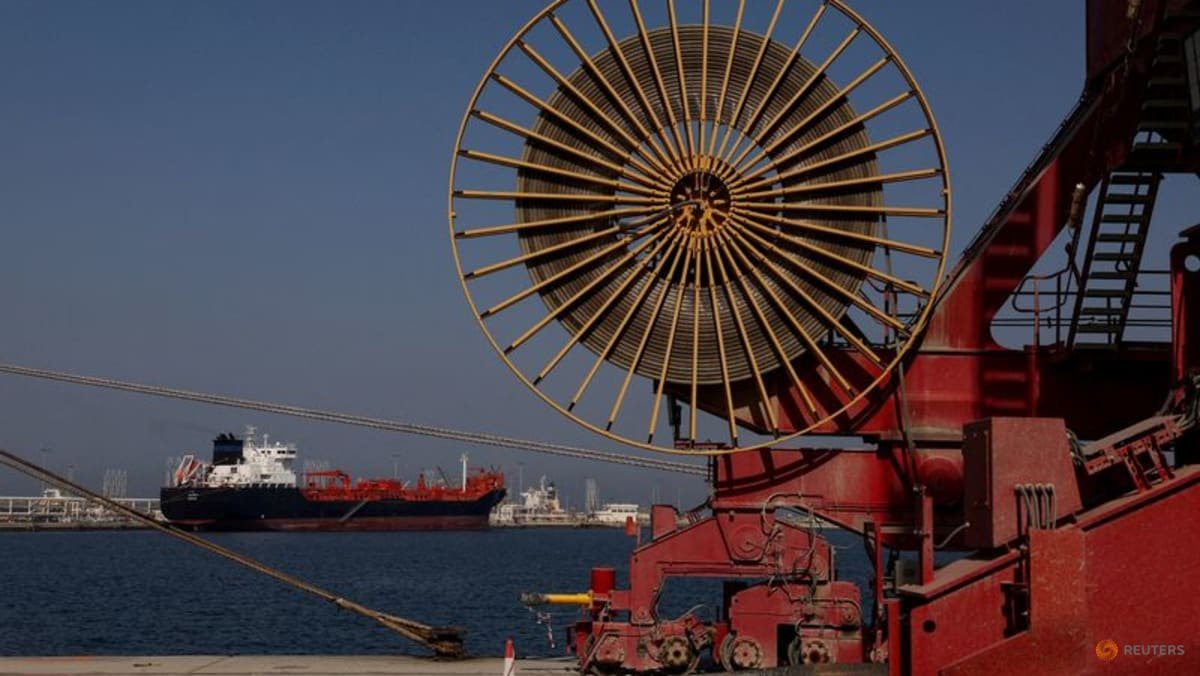
FILE PHOTO: An oil tanker docked at the Port of Fujairah, in Fujairah, United Arab Emirates, May 6, 2026. REUTERS/Amr Alfiky/File Photo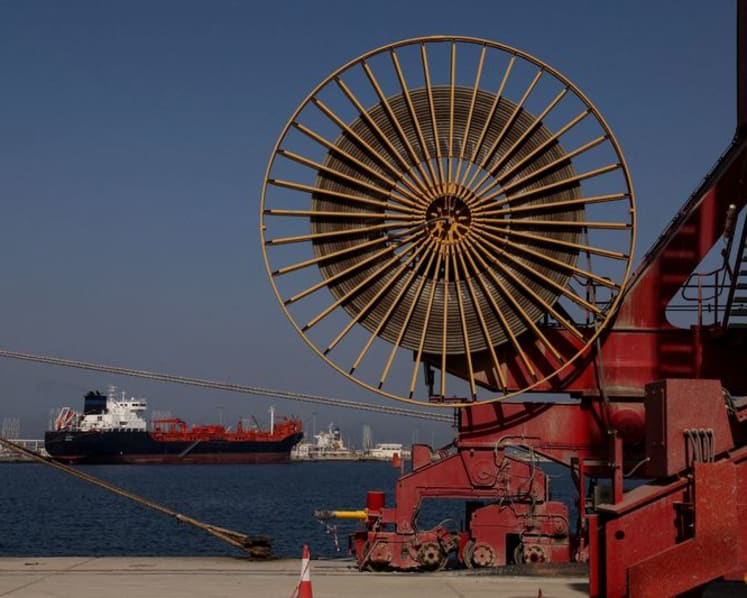
Read a summary of this article on FAST.
Get bite-sized news via a new
cards interface. Give it a try.
Click here to return to FAST
Tap here to return to FAST
FAST
Aug 27 : Oil prices fell more than $1 on Thursday, extending a streak of losses, on expectations that talks between Iran and Qatar might open the Strait of Hormuz and reduce supply disruptions from the Middle East war.
Brent crude futures were down $1.36, or 1.55 per cent, to $86.48 a barrel at 0800 GMT, in line for a fourth day of declines. West Texas Intermediate crude futures fell $1.40, or 1.7 per cent, to $80.83, in line for a fifth day of losses.
“Oil has weakened again today as the market prices in rising expectations that a deal could materialise which would increase shipping numbers through the Strait of Hormuz,” KCM chief market analyst Tim Waterer said.
“If Hormuz were to reopen more fully, a further leg lower in crude is possible, but the market is unlikely to price a complete return to pre-conflict levels overnight.”

Guess Word
Crack the word, one row at a time

Buzzword
Create words using the given letters

Mini Sudoku
Tiny puzzle, mighty brain teaser

Mini Crossword
Small grid, big challenge

Word Search
Spot as many words as you can
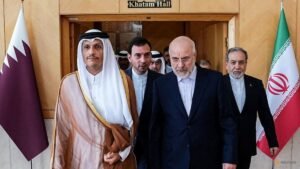
Qatar’s prime minister will head to Iran on Thursday to relaunch diplomatic talks to end the conflict, which is nearly six months old.
The visit comes as the war nears its sixth month with fighting largely paused but no diplomatic breakthrough in sight. Both sides are at odds over control of the Strait of Hormuz, a chokepoint for global oil supplies that Tehran has used as leverage.
The strait, which handled about one-fifth of global daily oil and liquefied natural gas supplies before the conflict began in late February, has been at the centre of concerns over global energy supplies because of its critical role as a transit route for exports from major Gulf producers.
Shipping traffic at the strait rose slightly on Wednesday despite the standoff, data showed.
A senior Iranian source on Wednesday said Iran and Oman were working on finalizing details of an agreement to control the Strait of Hormuz, after Iran’s Revolutionary Guards said the two countries had agreed how to share the waterway.
The U.S. has halted its attacks on Iran for about a month and is seeking to impose greater economic pressure on Iran, which has raised investors’ expectations for an easing of the Gulf supply disruptions.
“At the heart of the dispute remains Iran’s nuclear programme and that is unlikely to be resolved quickly … Iran also understands the importance of its geographical position and the leverage that the Strait of Hormuz provides, so the risk of prolonged uncertainty remains,” said Priyanka Sachdeva, head of market insights at Phillip Nova.
Source: Reuters
Sign up for our newsletters

Get the CNA app
Stay updated with notifications for breaking news and our best stories
Get WhatsApp alerts
Join our channel for the top reads for the day on your preferred chat app

Get bite-sized news via a new
cards interface. Give it a try.
Click here to return to FAST
Tap here to return to FAST
FAST
About The Author