Pentagon leadership churn in focus as NATO military chiefs meet
A wave of departures has left gaps in US military leadership as the Pentagon reviews American troop deployments in Europe and faces pressure on key weapons stockpiles.
New: You can now listen to articles.

This audio is generated by an AI tool.

Read a summary of this article on FAST.
Get bite-sized news via a new
cards interface. Give it a try.
Click here to return to FAST
Tap here to return to FAST
FAST
WASHINGTON: Turmoil at the top of the United States military has left key posts without permanent leaders at a time when Washington is managing security challenges across Europe, the Middle East and Asia.
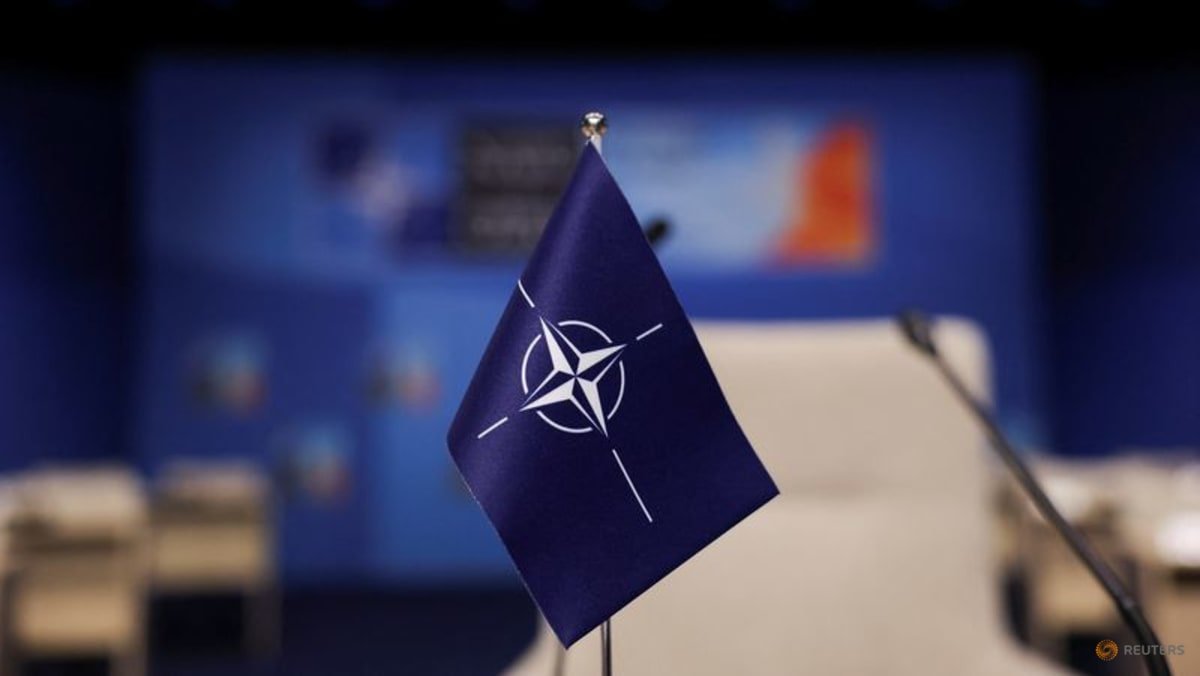
The upheaval comes as North Atlantic Treaty Organization (NATO) military chiefs meet in Copenhagen this week, raising questions about US military leadership and what the turnover could mean for its allies.
The Sep 18 to 19 talks will focus on NATO’s collective defence, innovation and support for Ukraine.
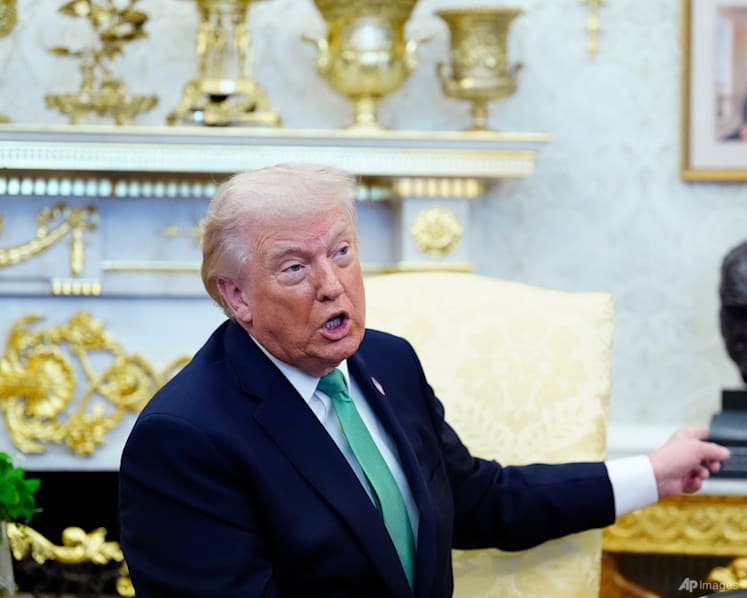
European allies have already faced repeated criticism from US President Donald Trump over issues including defence spending and burden-sharing.
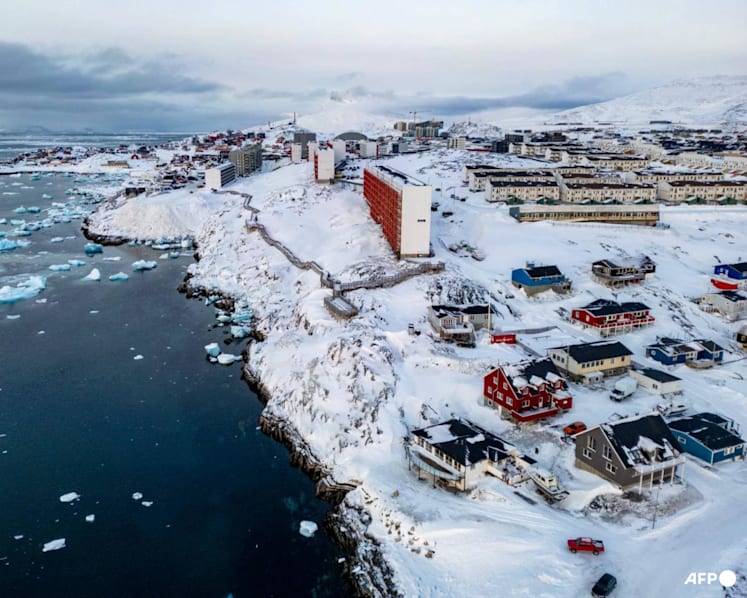
He has also questioned whether NATO members would come to the US’s defence and pushed for US control of Greenland.

Guess Word
Crack the word, one row at a time

Buzzword
Create words using the given letters

Mini Sudoku
Tiny puzzle, mighty brain teaser

Mini Crossword
Small grid, big challenge

Word Search
Spot as many words as you can

LEADERSHIP CHANGES AT THE PENTAGON
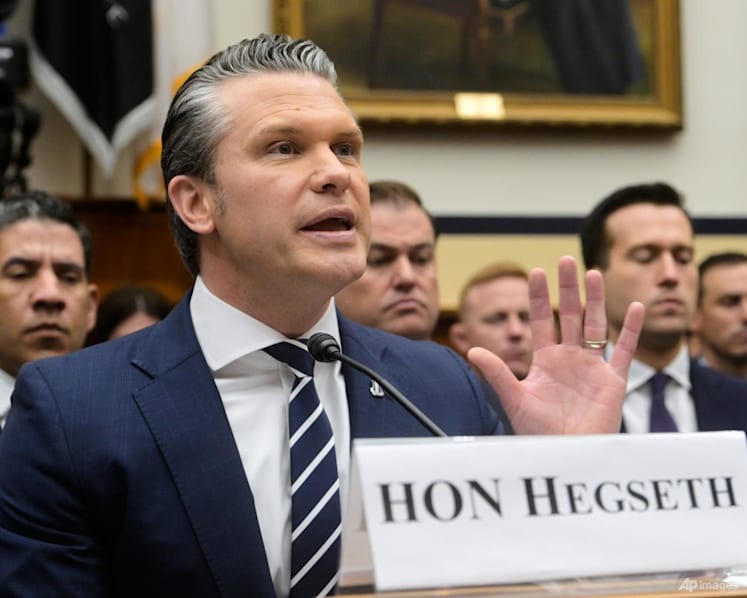
Last month, US Army Secretary Dan Driscoll became the latest senior Pentagon official to leave during Defence Secretary Pete Hegseth’s tenure.
More than two dozen top military officers have left or been removed since Hegseth took over in early 2025.
These included former Army Chief of Staff General Randy George and Gen Charles Brown Jr, who was chairman of the Joint Chiefs of Staff and the US military’s highest-ranking officer.
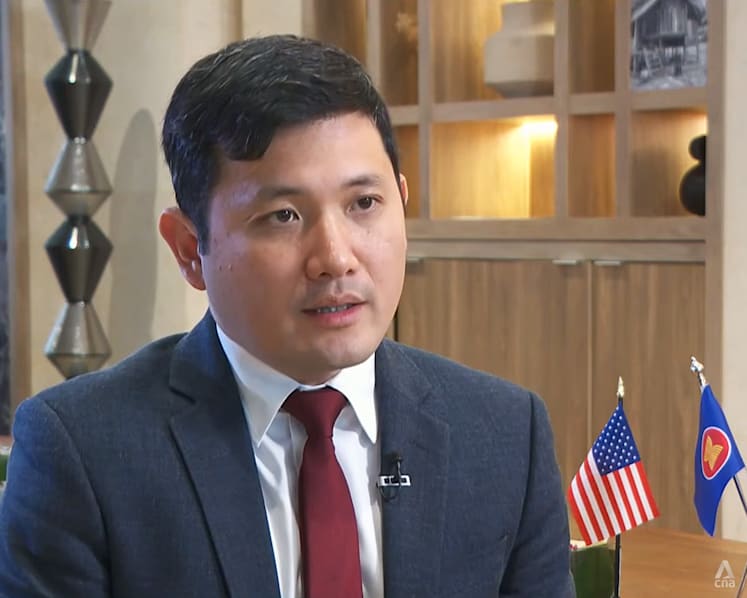
Nikita Chirkov, a fellow at the Center for European Policy Analysis, said the changes could be used by US adversaries to portray Washington as unstable.
“This will be used as an example of chaos. Russian state media will pump propaganda out. They’ll say that this is another example of the president of the United States not knowing what he’s doing and his administration trying to undermine it and so on and so forth.”
European allies are also waiting to see what happens to the US military presence on the continent.
The Pentagon is reviewing its troop deployments in Europe, where around 80,000 American personnel remain stationed, raising concerns among NATO allies about potential reductions in US forces.
Robert Clark, head of defence at British-American think-tank 878, said the effect would depend on which forces and assets Washington decides to withdraw.
“I think where the stress testing will be most pronounced will be if they withdraw troops or elements and assets which the European nations themselves will find really difficult to cover,” he said.
PRESSURE ON US WEAPONS STOCKS
The Pentagon is also facing pressure on some of its weapons stockpiles.
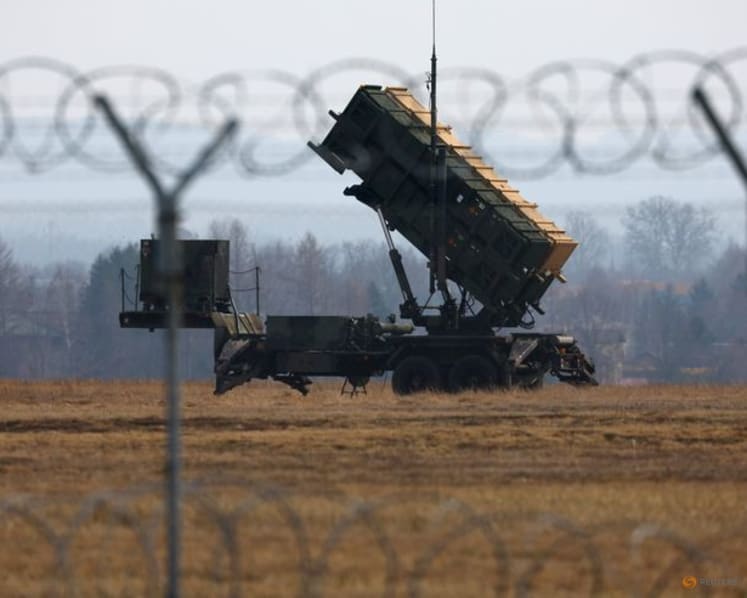
CNN reported in August that the US had used nearly 80 per cent of its THAAD interceptor stockpile and roughly half of its Patriot interceptors since the war with Iran began. Hegseth has disputed those figures.
The pressure is also being felt beyond the Middle East. The Financial Times reported in August that Ukraine was facing a severe shortage of Patriot interceptors as it continued to face Russian missile attacks. Trump had declined Kyiv’s request for hundreds more during a July meeting.
There are also concerns about the possibility of further escalation between Russia and NATO members in eastern Europe.
Under NATO’s Article 5, an armed attack against one member is considered an attack against all.
Clark warned of the risk of miscalculation and escalation.
“Russia is testing and probing on a daily basis. And at some point, there’s going to be miscalculation. And at some point, there is going to be escalation.”
DEMANDS STRETCH FROM EUROPE TO ASIA
Balancing America’s military requirements also involves trade-offs in Asia.
The US sent its Japan-based aircraft carrier, the USS George Washington, to the Middle East in August, reducing US naval power in the Pacific at a time of growing Chinese maritime strength.
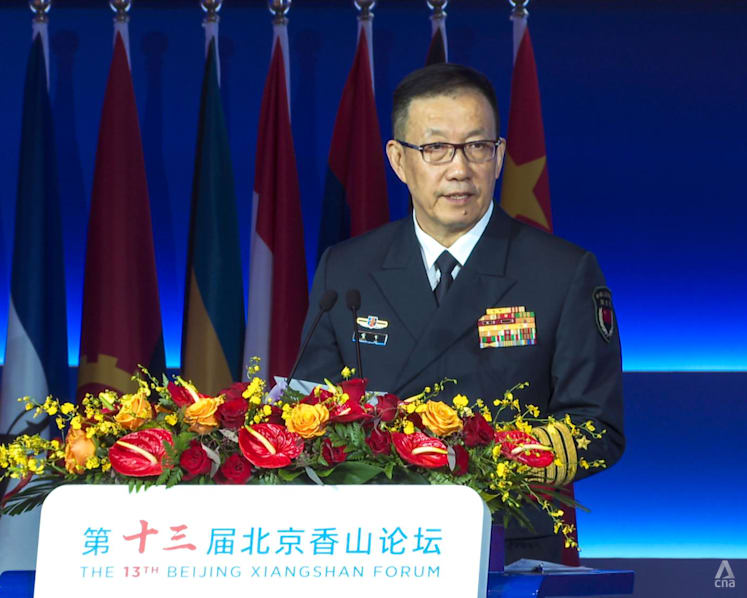
In Asia, tensions over Taiwan and the South China Sea are testing US deterrence, alongside the threat from North Korea and questions over Washington’s commitment to the region.
But some analysts say the impact of the leadership churn may be less significant than feared.
“Any kind of major policy decision is still being driven by the president of the United States. I think the net effect of clearing out officials who were not fully aligned with the president’s agenda is ultimately going to be positive,” Chirkov said.
The question for the US and its allies is how the Pentagon manages the turnover while Washington faces competing military demands in several parts of the world.
Source: CNA/mp(ca)
Sign up for our newsletters

Get the CNA app
Stay updated with notifications for breaking news and our best stories
Get WhatsApp alerts
Join our channel for the top reads for the day on your preferred chat app

Get bite-sized news via a new
cards interface. Give it a try.
Click here to return to FAST
Tap here to return to FAST
FAST