So ugly, it sells: China’s growing appetite for the weird and imperfect
Ugly is having its moment in China. Behold the bizarre objects taking Chinese consumers by storm – and surprise.
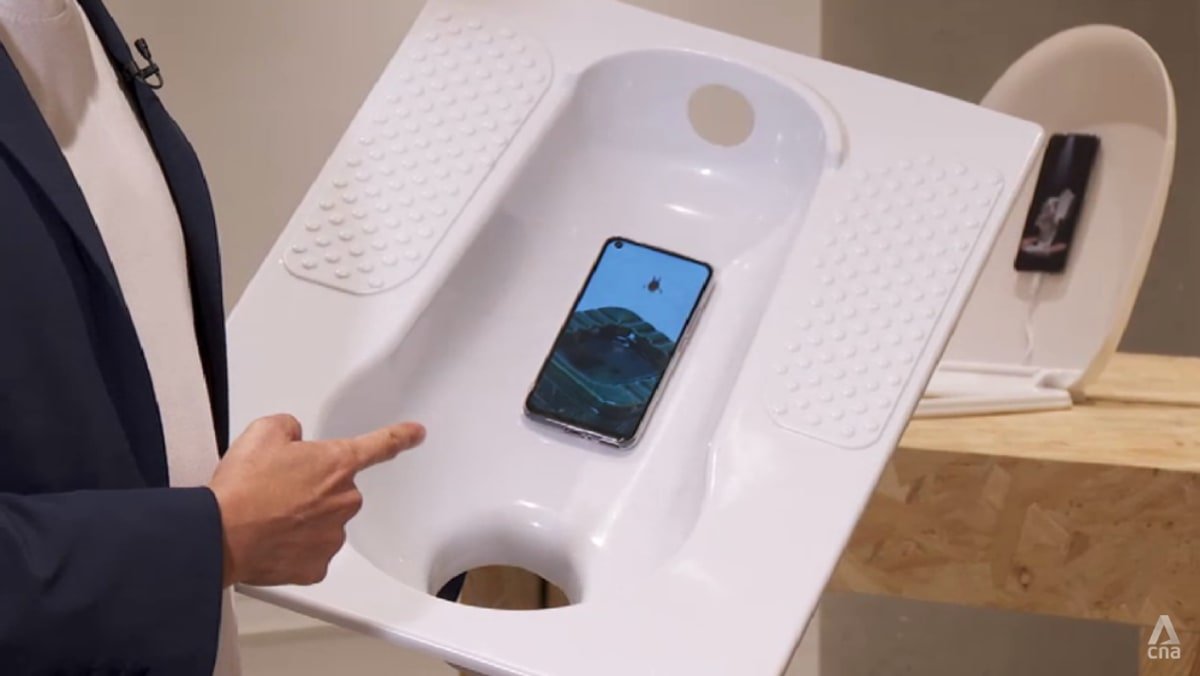
Items on display at Taobao’s Treasured Uglies Art Exhibition in Hangzhou include this toilet squat pan that acts as a mobile phone cover. (Image: CNA)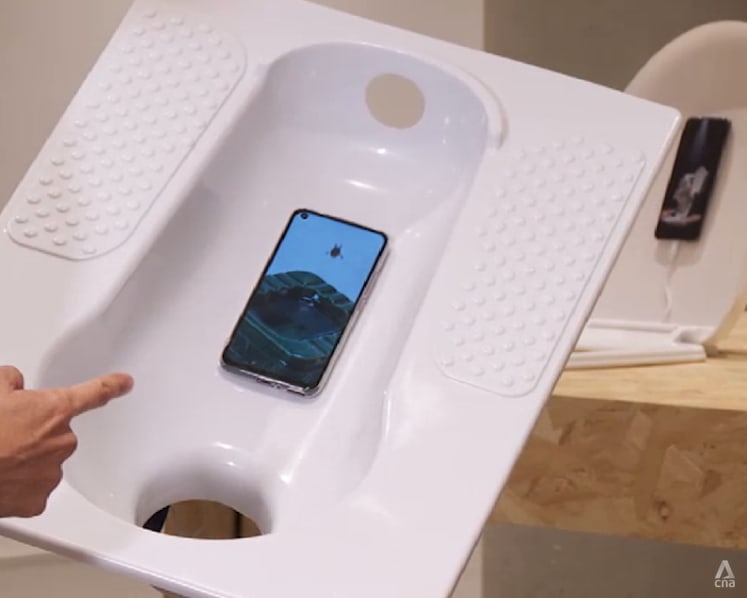
New: You can now listen to articles.

This audio is generated by an AI tool.

Read a summary of this article on FAST.
Get bite-sized news via a new
cards interface. Give it a try.
Click here to return to FAST
Tap here to return to FAST
FAST
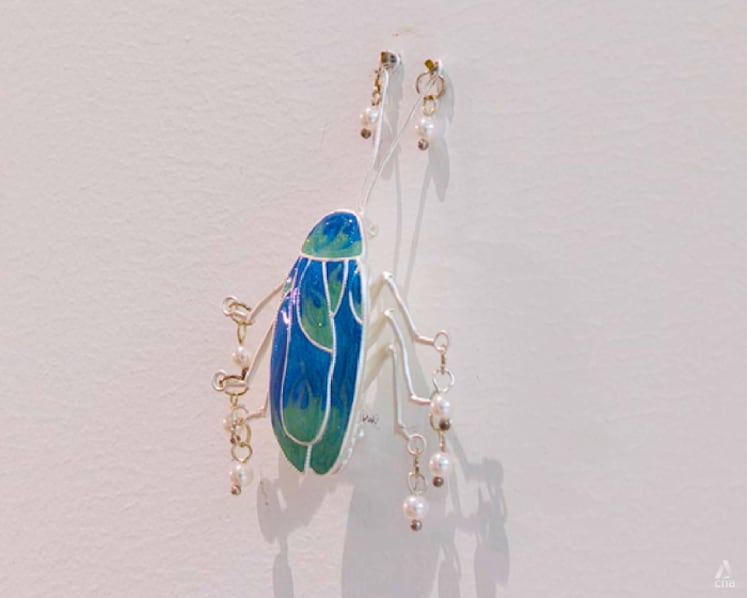
HANGZHOU, Zhejiang: A cockroach is not the most obvious inspiration for jewellery.
But bedazzled with some rhinestones, this shiny, six-legged, feelered brooch might suddenly seem worthy of a place on your dress.
How about a chunky crab-shaped case for your AirPods, adorned with colour-clashing bows?
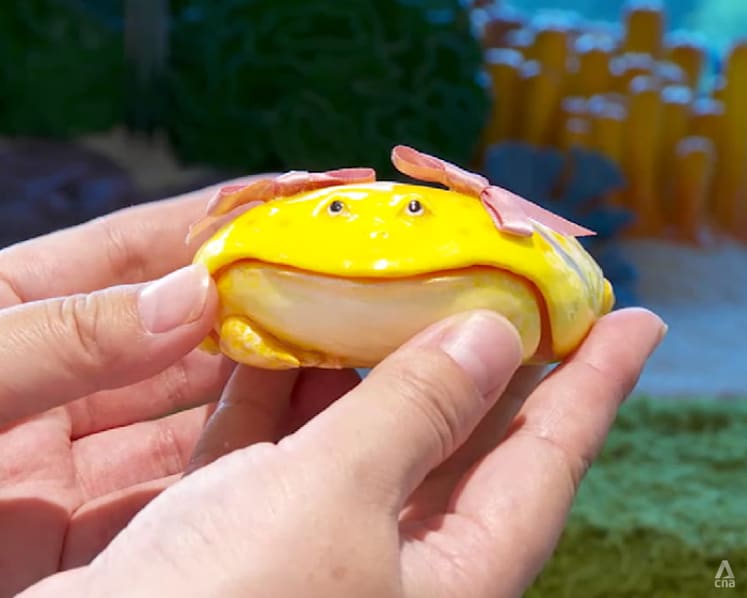
Or a blobfish – once infamously voted the world’s ugliest animal for its gelatinous body and permanently miserable expression – for your mantelpiece?

Guess Word
Crack the word, one row at a time

Buzzword
Create words using the given letters

Mini Sudoku
Tiny puzzle, mighty brain teaser

Mini Crossword
Small grid, big challenge

Word Search
Spot as many words as you can
Then, there is the phone case modelled after a toilet seat.
That last one might sound almost practical, until you realise it is about the size of the real thing.
Welcome to the strange, hilarious and increasingly lucrative world of China’s “ugly” products, where conventional good taste is optional – and being ridiculous is the selling point.
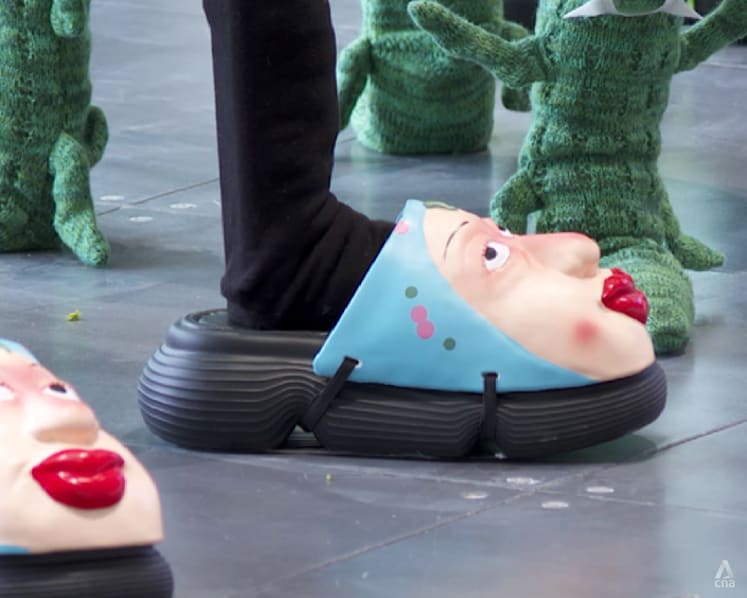
At Taobao’s second Treasured Uglies Art Exhibition in the eastern Chinese city of Hangzhou, hundreds of objects that might once have been dismissed as badly designed, bizarre or grotesque have been given pride of place.
Titled “Ugly, But Mine”, the exhibition runs until Sunday (Sep 27) at Ooeli Art Park.
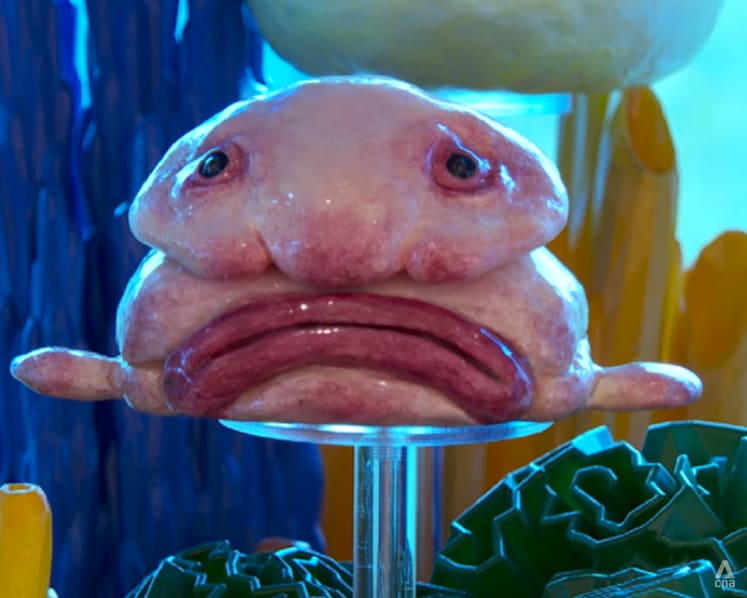
This year’s edition is far bigger than its debut last year, occupying over 1,200 sq m – nearly twice the previous footprint – and featuring upwards of 30 installations and more than 500 products available on the e-commerce giant’s platform.
Organisers said the event drew over 5,000 visitors a day, up from an average of 3,000 last year.
WHEN UGLY IS A COMPLIMENT
Most of the attendees appeared to be young millennials and Gen Zs.
For a generation accustomed to immaculate advertising, beauty filters and algorithmically polished feeds, imperfection can offer something different, say experts.
Something funny. Something odd. Something recognisably human.
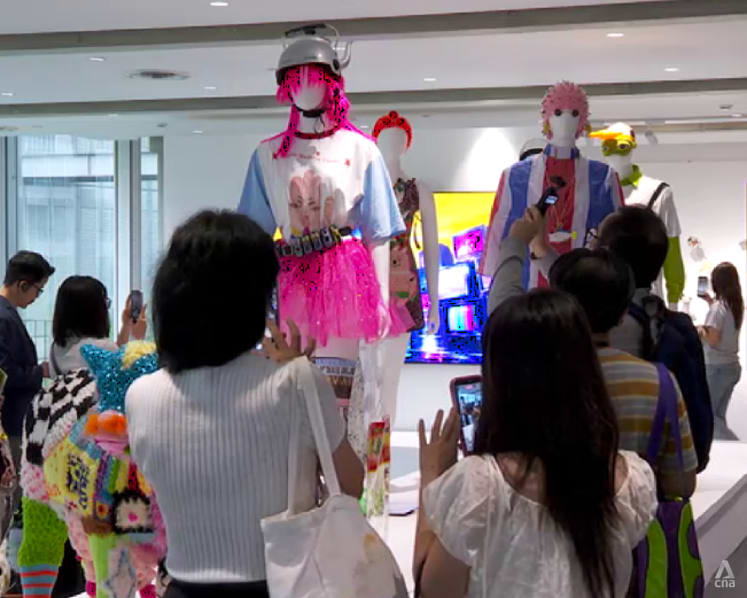
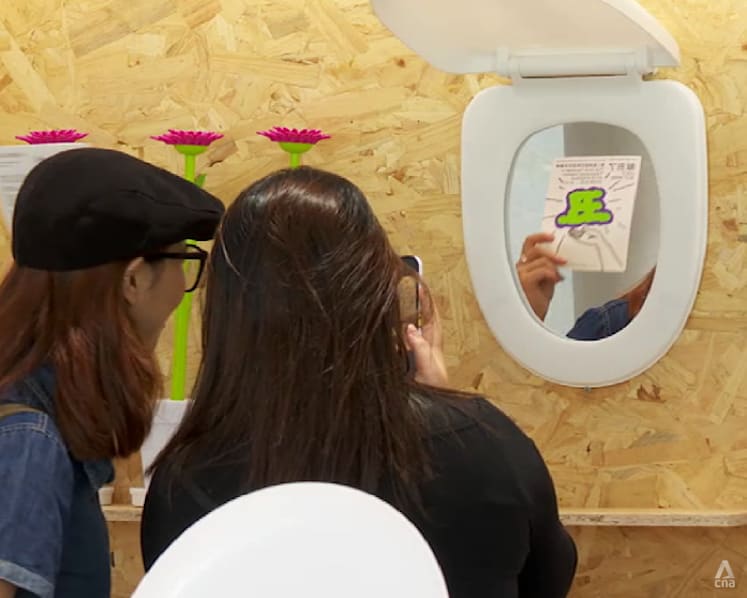
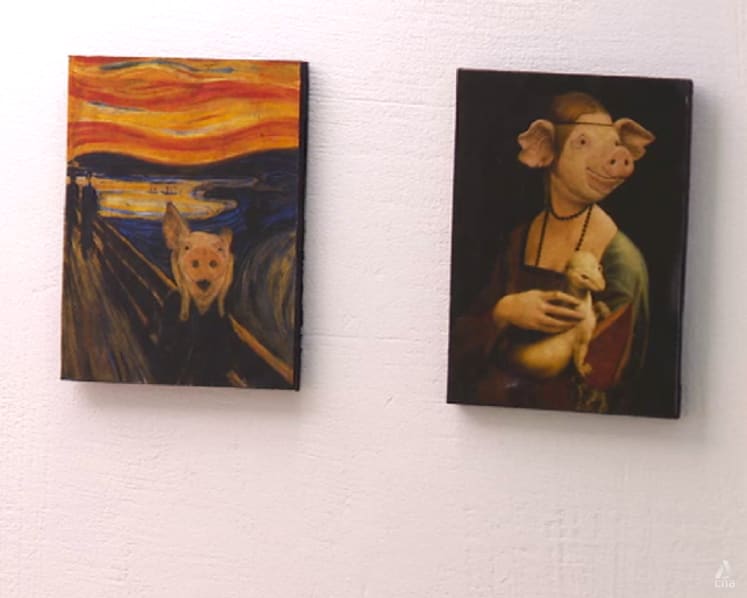
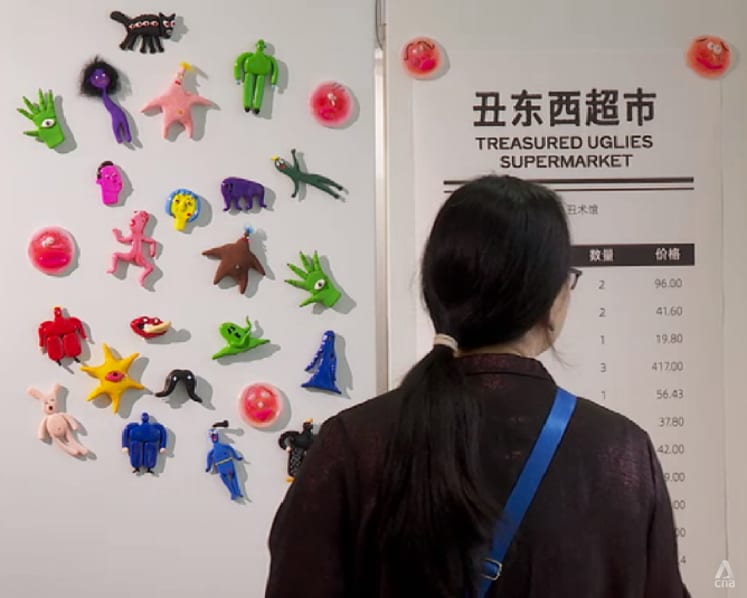
“This exhibition made me feel that ‘ugly’ isn’t a negative word. It’s neutral, Some people can like ugly things, just as some people may not like beautiful ones,” said a Hangzhou resident who visited the exhibition with friends.
Another visitor, who brought his young child along for a glimpse of something more creative, said: “We see so many normal things in everyday life, so people want something new and unusual, something that makes life more interesting.”
Observers say the trend is not about replacing beauty with ugliness, but moving away from a single aesthetic standard and making more room for individuality, chance and humour.
That appears to resonate with some Chinese consumers.
“Everyone’s pursuing beauty. I want to use these ugly things to push back against extreme ideas of beauty,” said a young out-of-town visitor, who added that “ugly-cute” products could also be a form of stress relief and self-expression.
WHEN BEING UGLY WINS YOU A PRIZE
Taobao has been cultivating an appetite for these so-called “ugly” items for years.
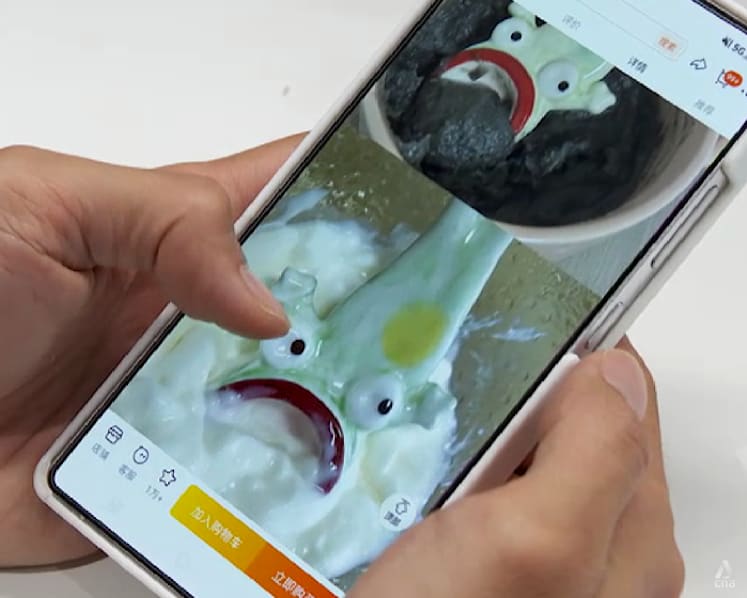
Its annual Uglies Award began online in 2020, turning the spotlight on products whose charms were decidedly unconventional.
What started as a quirky internet competition has since built a loyal following, tapping into a wider mood among younger consumers looking for relief from the pressures of modern life.
“People are under quite a lot of pressure these days. These abstract, quirky things let people feel they can come here and have a good laugh,” said one long-time fan of the campaign.
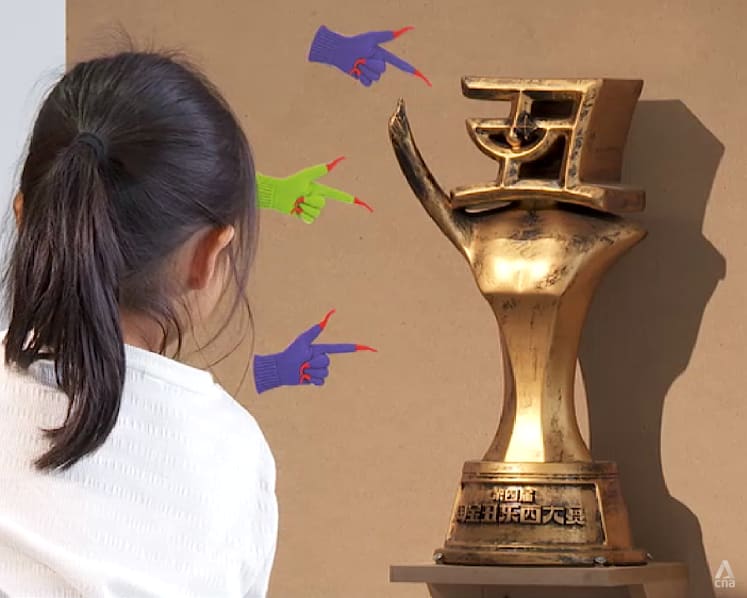
That online following has now spilled into the real world through the physical exhibition, and has nurtured a commercial ecosystem for creators and brands willing to look different.
Hu Yu, project lead of the Uglies Award, said the change in attitudes over the years has been striking.
In the initiative’s early days, being labelled “ugly” was not the publicity companies wanted and brands shunned the attention.
“The head of their China operations told me: ‘Don’t give me the award. I don’t want it’,” Hu recalled of one firm.
“But this year, you can clearly see major plush and designer toy brands willing to take part in the exhibition under the ugly products label.”
In other words, ugly has had a rebrand.
IN THE AGE OF AI, PERFECTION IS OVERRATED
Part of the appeal of “ugly” things may lie in a broader pushback against perfection, said Amber Zhang, data product manager at Beijing-based market research firm BigOne Lab.
Many younger Chinese grew up with strong expectations to perform well at school, at work and in their personal lives – creating what she described as a wider mood of “anti-perfectionism”.
“People generally start to embrace the idea that imperfect things are okay,” Zhang said. “In fact, it’s exactly the imperfect characteristics that give you personality.”
Artificial intelligence may be reinforcing that shift.
“People realise that if you want something perfect, there’s no way that you can do that faster and cheaper than with AI,” she said.
“A perfect version feels manufactured today.”
In that environment, the rough edges and oddities that once looked like flaws can instead become part of a product’s appeal – precisely because they feel less standardised and more distinctive.
The Chinese internet recently provided an unlikely parallel: Low-budget animated film Niu Lai initially went viral for all the wrong reasons in August.
Its crude, visibly handmade animation was mocked online in an era when AI can produce slick visuals at the touch of a button.
But the ridicule helped turn the movie into a meme, and then an unlikely box-office hit.
After taking a mere 7,700 yuan (US$1,100) in its first 10 days, the film went on to gross more than 25 million yuan just days later as clips and jokes about its rough-hewn animation spread online.
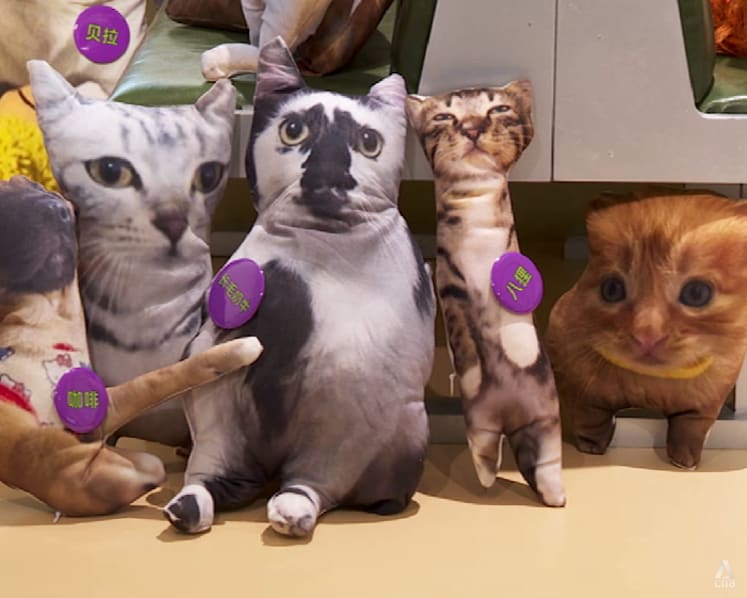
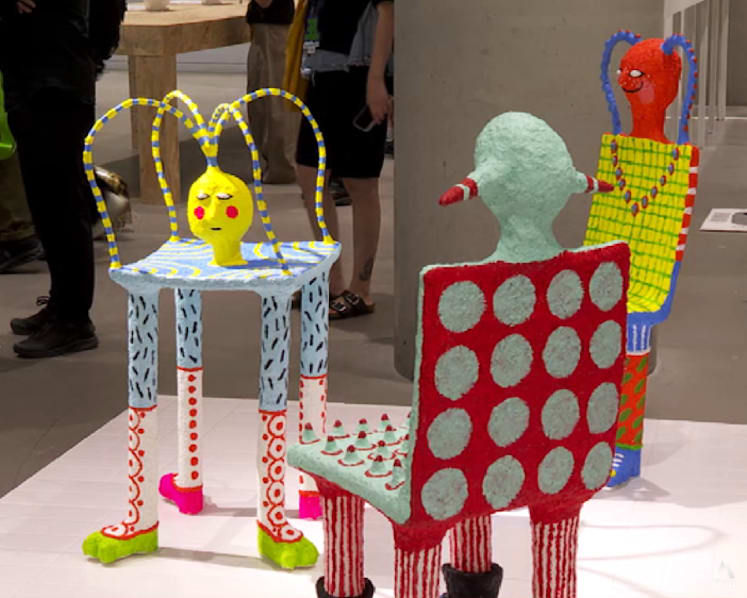
BE UGLY. GET NOTICED. GET SOLD.
In China’s gigantic e-commerce market, businesses have discovered that standing out can translate into clicks, shares and, ultimately, sales.
For small merchants, being crowned “ugly” can pay off handsomely.
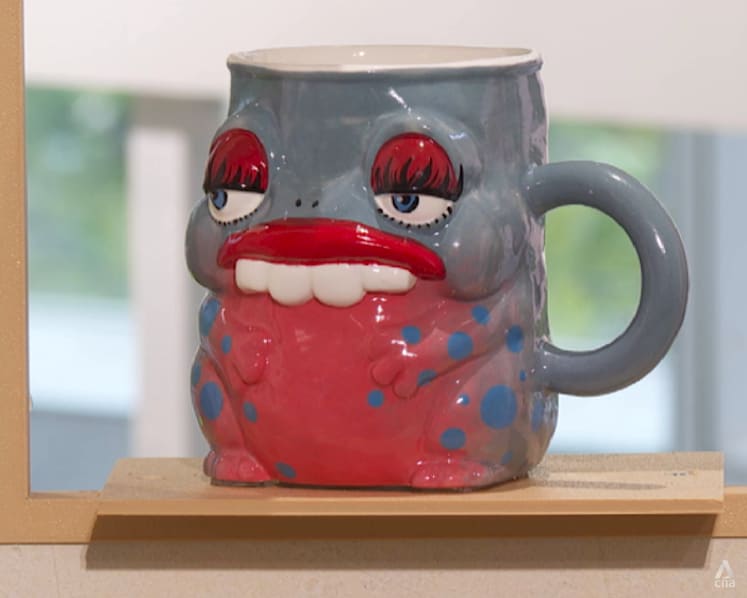
Ceramic artist Chen Ergou, from China’s porcelain capital Jingdezhen, won recognition at the fourth Taobao Uglies Award for creations including frog-shaped spoons.
Demand skyrocketed.
“He complained to us that he couldn’t keep up. He couldn’t fire his kilns fast enough to make them,” Hu told CNA.
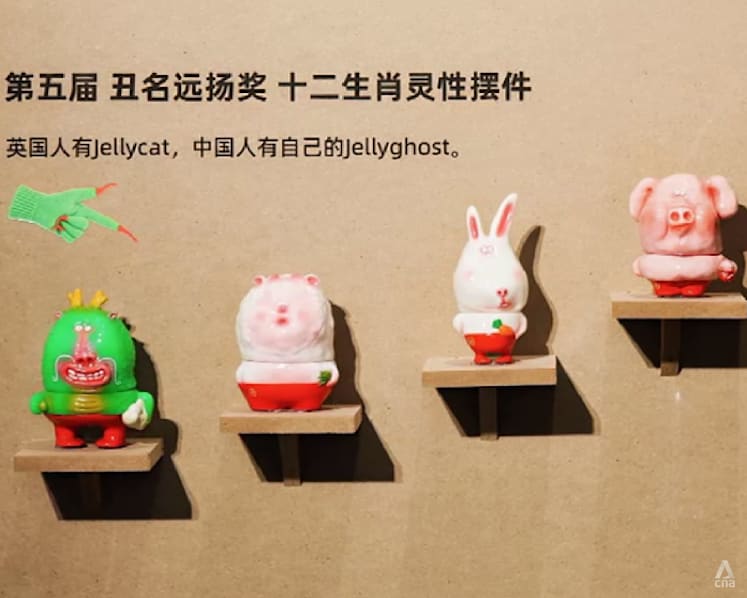
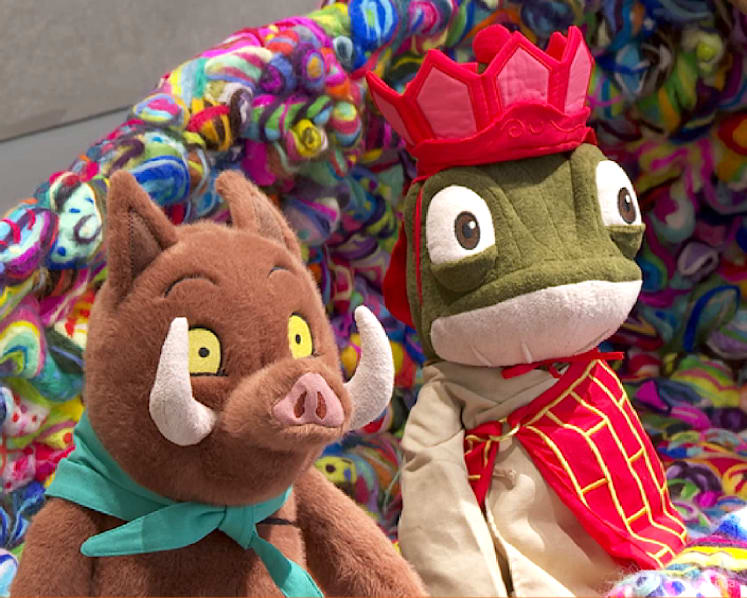
Another award winner that year, known as Master Lu, created deliberately unconventional ornaments based on the 12 animals of the Chinese zodiac.
Traffic to his Taobao store jumped 306 per cent month-on-month after the win.
The phenomenon is now large enough to be measured in more than memes and social-media shares.
Taobao says products featured under its Uglies initiative have generated 230 million yuan in sales since the awards began, reaching tens of millions of young consumers.
CAN UGLINESS BE MANUFACTURED?
Once something becomes commercially successful, businesses inevitably want to reproduce the formula.
But the harder brands try to manufacture eccentricity, the more they risk losing the spontaneity that made it appealing in the first place, say experts.
Hu believes the best examples tend to emerge naturally rather than from a corporate instruction to design something absurd.
“Ugliness can be accidental. It can happen naturally. If you deliberately pursue ugliness, the result can feel overly contrived. It may attract attention for a while, but in the long run consumers may not actually like it,” Hu said.
“That is part of what makes Niu Lai the movie interesting. It may be rough, but it wasn’t deliberately made that way.”
Zhang concurs but holds a slightly different view.
“It can be designed, but it’s also socially constructed,” she said.
“A lot of ugly things are born from internet memes. So, on that part, I don’t think it’s something you design (but) you do need to take inspirations from people’s everyday lives, which is socially constructed collectively as a society.”

The objects do not necessarily succeed because they are ugly, say experts. Rather, they evoke an array of emotions that can include wonder, amusement, delight, affection, bewilderment and even comfort.
Amid increasingly polished digital lives and the rise of China’s emotional economy, such items can be strangely reassuring – and those feelings compelling enough to make consumers reach for their wallets.
Zhang has her own “ugly” possession: a plushie of a cross-eyed fox embracing an equally cross-eyed goose. “I just thought he looks so stupid and so innocent,” she said, chuckling. “Every time I look at him, I just feel like … there’s a sense that everything is going to be fine.” Perhaps that is the simplest explanation of all. “Happy is just simple. You can just be happy for no reason,” Zhang said. “It’s the same thing with the so-called ugliness. We don’t have to go hard around the definition of what’s cute, what’s lovely. That can be very subjective.”

Source: CNA/dn(mp)
Sign up for our newsletters

Get the CNA app
Stay updated with notifications for breaking news and our best stories
Get WhatsApp alerts
Join our channel for the top reads for the day on your preferred chat app

Get bite-sized news via a new
cards interface. Give it a try.
Click here to return to FAST
Tap here to return to FAST
FAST