analysis
Indonesia’s disaster mitigation masterplan hinges on enforcement, community preparedness
A string of disasters has prompted Indonesia to draw up a mitigation masterplan. Experts tell CNA that one of the challenges is ensuring the capabilities are consistently connected and maintained across a country of more than 17,000 islands.
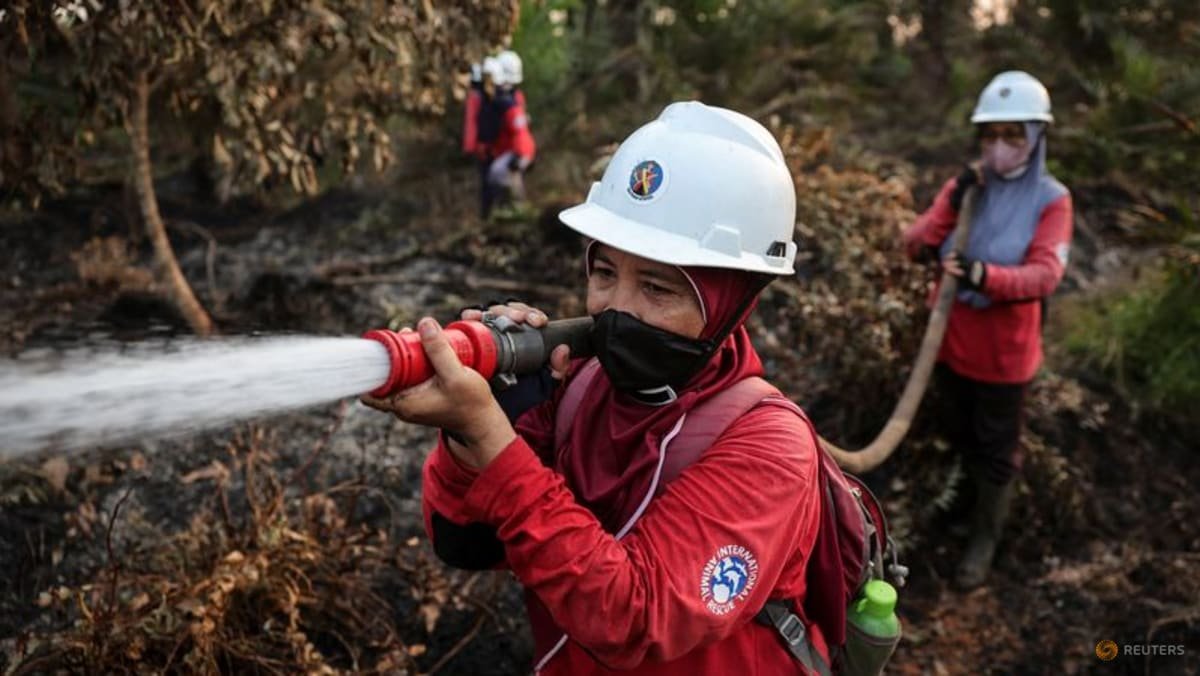
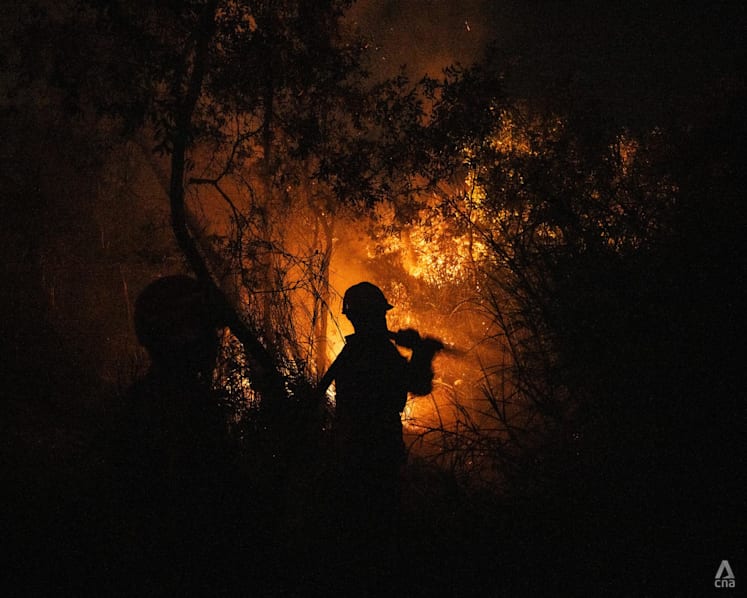
Members of The Power of Mama, an all-women volunteer firefighting group, use a water hose to extinguish a wildfire in a peatland area in Sungai Awan Kiri, West Kalimantan province, Indonesia on Aug 30, 2026. (Photo: Reuters/Willy Kurniawan)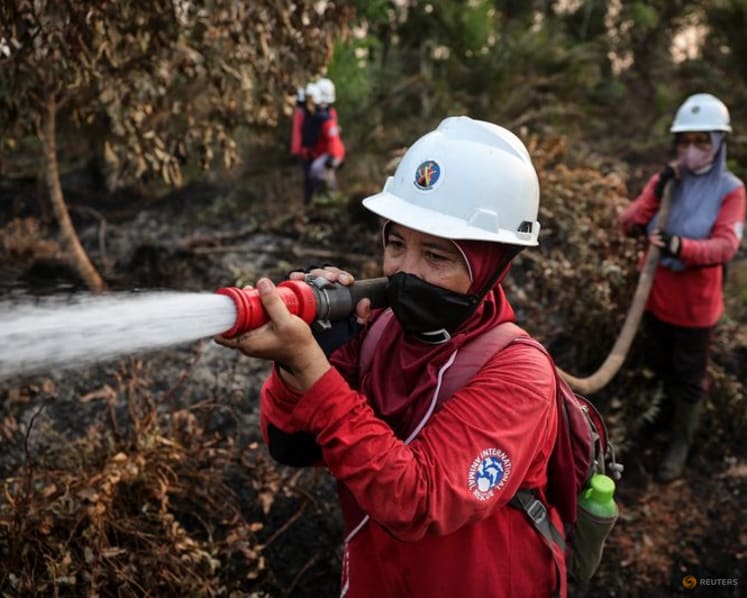
New: You can now listen to articles.

This audio is generated by an AI tool.

Read a summary of this article on FAST.
Get bite-sized news via a new
cards interface. Give it a try.
Click here to return to FAST
Tap here to return to FAST
FAST
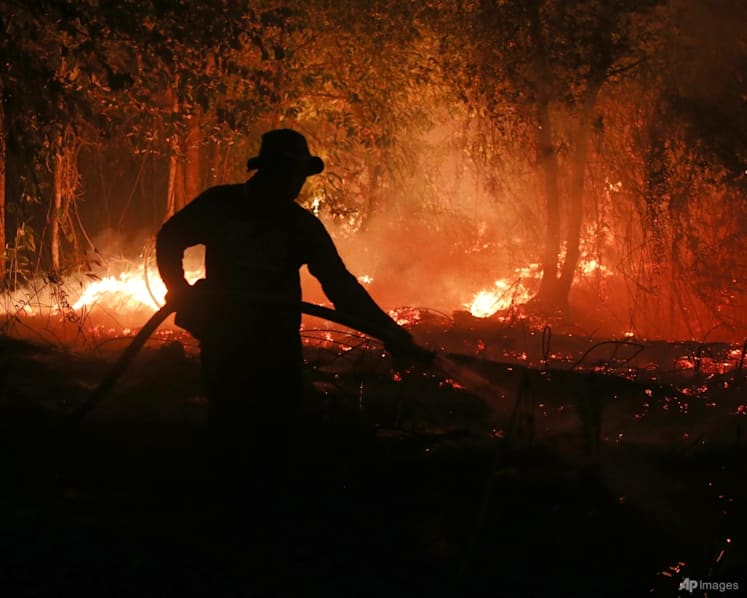
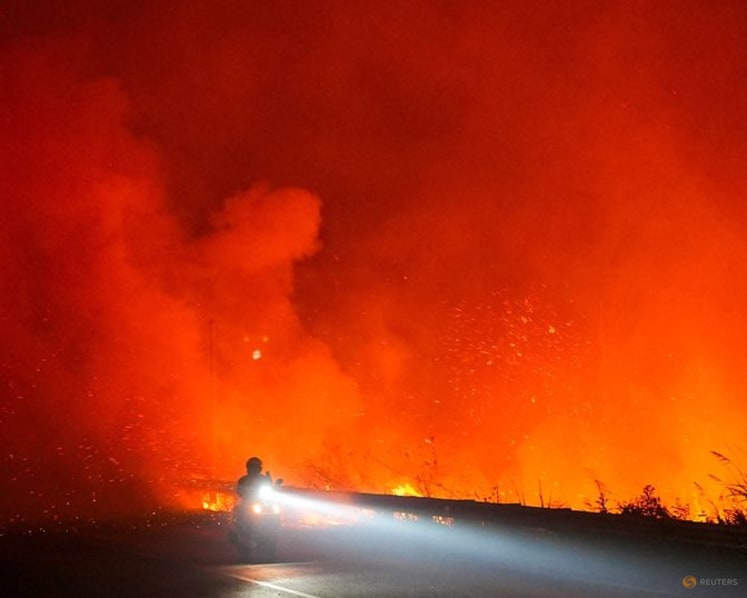
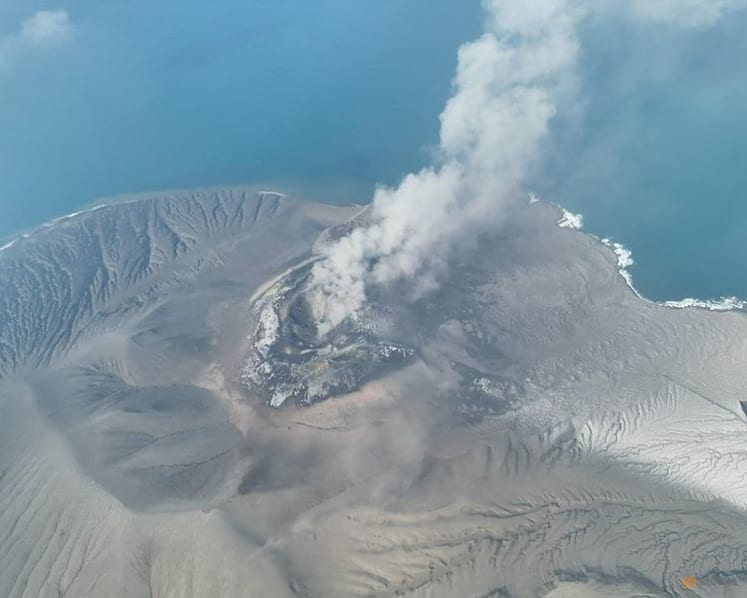
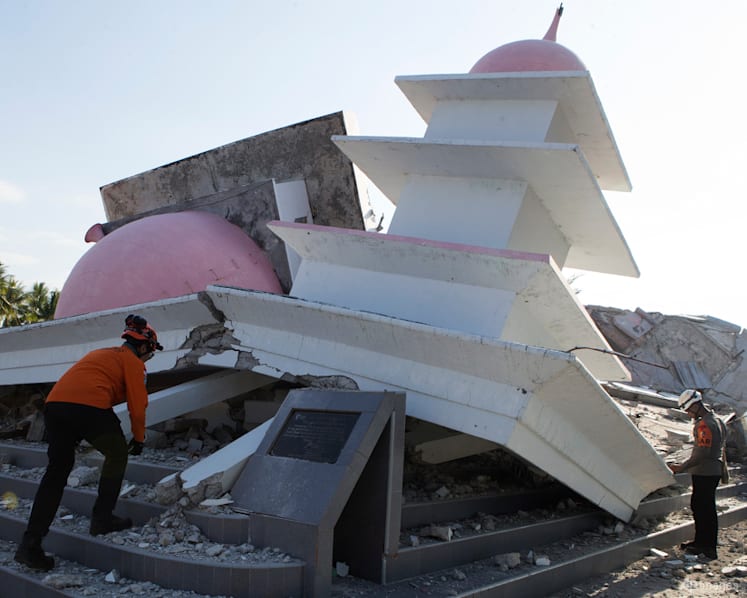
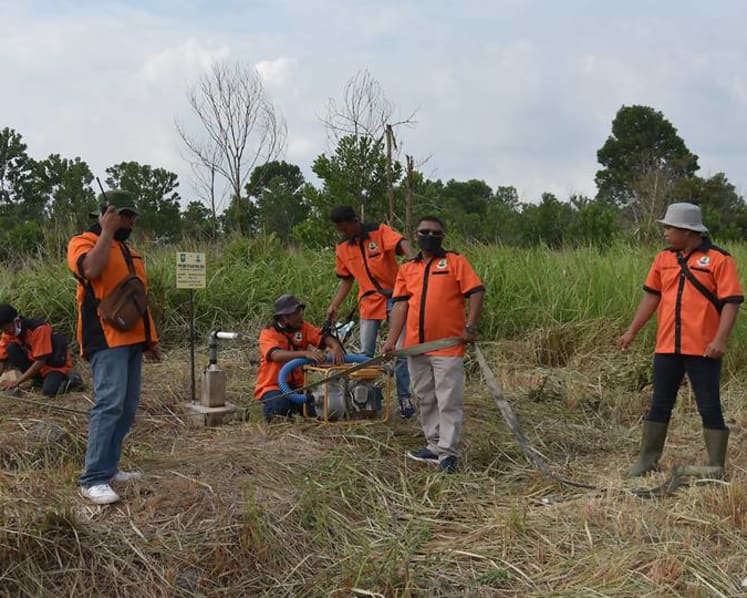
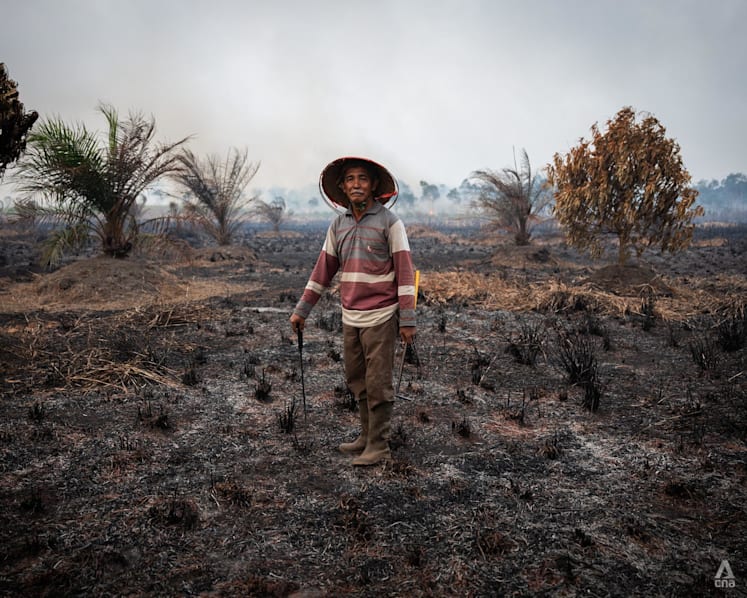
JAKARTA: Last month, an earthquake in Indonesia’s East Nusa Tenggara province killed at least 135 people, while Mount Anak Krakatau’s eruption earlier this month shut several airports for two days and disrupted flights. The country has also been battling forest and land fires in parts of Kalimantan and Sumatra.
These natural and manmade environmental disasters across Indonesia have underscored gaps in enforcement, early-warning systems and coordination between central and local governments, say experts speaking to CNA. They are not the only ones with this view.
Indonesian President Prabowo Subianto seemed to acknowledge as much when he ordered his government earlier this month to draw up a comprehensive disaster mitigation masterplan.
Indonesia’s location on the Pacific Ring of Fire leaves it vulnerable to earthquakes, tsunamis and volcanic eruptions, while climate change is intensifying risks from floods, landslides, droughts and forest fires.

Guess Word
Crack the word, one row at a time

Buzzword
Create words using the given letters

Mini Sudoku
Tiny puzzle, mighty brain teaser

Mini Crossword
Small grid, big challenge

Word Search
Spot as many words as you can
Yet experts said geography should not become an excuse for disaster losses.
“This geographical factor represents a predictable natural condition,” said Daryono, who goes by one name and is the former director of earthquakes and tsunamis at Indonesia’s Meteorology, Climatology and Geophysics Agency (BMKG).
“The greatest obstacles to mitigation” include “unequal budget allocation”, weak enforcement of development rules in disaster-prone areas, and gaps in early-warning technology and community preparedness, particularly in remote regions, he added.

Details of the disaster mitigation masterplan have yet to be announced, and Prabowo did not say when it would be implemented.
“We should not wait for a disaster to occur,” Prabowo said on Sep 7. “It is crucial that we take preparatory steps well in advance.”
He said Indonesia should deploy more firefighting resources, including helicopters and water pumps, position small excavators in fire-prone villages and explore the use of heavy-lift drones.
On Sep 16, Prabowo said that the government had ordered large aircraft for water-bombing operations and reiterated his intention to strengthen agencies responsible for dealing with disasters.
PREPARING BEFORE DISASTER STRIKES
For disaster mitigation plans to work, experts said Indonesia must shift from reacting to such events to preparing for them, using scientific data and involving local communities.
Daryono said this means integrating a multi-hazard early-warning system with real-time sensors, updated seismic networks, tsunami detection and volcanic hazard mapping. Crucially, warnings must translate into swift action on the ground without bureaucratic delays, he added.
Indonesia is not starting from scratch. It already has a tsunami early-warning system, round-the-clock seismic and volcanic monitoring, disaster-resilient village programmes and a strong tradition of mutual assistance that helps communities mobilise quickly during emergencies, Daryono said.
The challenge is ensuring these capabilities are consistently connected and maintained across a country of more than 17,000 islands.
“Indonesia’s sluggish disaster response is a structural vicious cycle as it treats preparedness as a mere administrative formality rather than a national development priority,” Daryono said.
He cited the 2018 Palu earthquake and tsunami, when widespread destruction overwhelmed local authorities.
Meanwhile, during Cyclone Seroja in East Nusa Tenggara in 2021, the archipelagic geography made it difficult to reach affected communities and deliver aid. Agencies had to work together, with Indonesian navy vessels deployed to reach some areas.
Daryono said this highlighted the need for better coordination between central and regional governments, backed by a unified command structure and clear systems for budgeting and logistics.
INVESTING IN PREVENTION
Natural disaster funding has historically tilted towards emergency spending after an event, rather than sustained investment in maintaining mitigation infrastructure and early-warning technology, said Daryono.
Indonesia’s disaster mitigation agency (BNPB) received 491 billion rupiah (US$27.5 million) this year, which is down sharply from last year’s 2 trillion rupiah budget.
The government agency is now asking for an extra 564 billion rupiah budget for this year.
Iqbal Damanik, climate and energy manager at Greenpeace Indonesia, said the country has a gap between the government’s planning and budgeting.

“Why was the budget allocated to BNPB so low? Because, in the planning stage, it simply wasn’t considered important,” he told CNA.
Daryono also called for dedicated disaster-prevention funding, wider preparedness education in schools and regular community drills to make evacuation an ingrained response during emergencies.
Equipment also needs maintenance, not just procurement, he noted.
Indonesia’s disaster technology, including buoys and seismic sensors, has at times suffered from inadequate maintenance funding and vandalism, said Daryono.
He proposed having local communities carry out regular maintenance to help safeguard equipment.
For example, community leaders can act as official guardians of certain equipment, or trained locals can perform regular checks.
ADDRESSING THE UNDERLYING RISKS
Southeast Asia’s biggest economy faces not only geological hazards but also increasingly intense weather-related events – such as floods, droughts and storms – linked to the climate crisis, said Iqbal of Greenpeace.
For weather-related disasters, the masterplan should include measures that reduce the underlying environmental risks, he said.
These could include protecting and restoring peatlands and mangroves, reviewing land use in areas vulnerable to climate-related disasters and enforcing restrictions on activities that increase environmental risks.
Some measures do not necessarily require enormous new budgets, Iqbal added.
For instance, the government could require companies to restore degraded peatland by rewetting the site, while imposing fines or revoking the licences of those responsible for the damage.
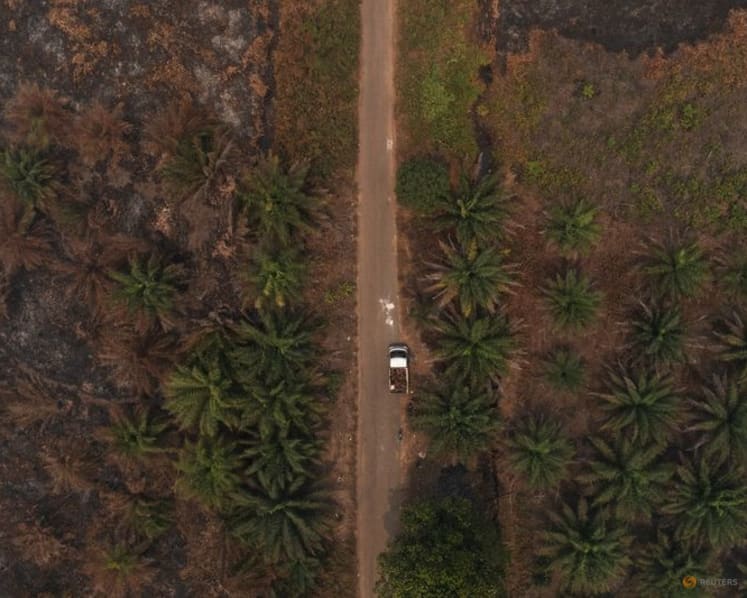
“One mitigation measure is to review all land-based permits across regions facing ecological crises,” said Iqbal.
The government could then designate certain locations as zones where companies are barred from operating or planting oil palm, he added.
He also called for stronger early-warning systems and monitoring so authorities can increase patrols and other preventive measures when conditions indicate an elevated risk.
Iqbal said Indonesia could learn from the experiences of other disaster-prone places such as Japan, South Korea, Taiwan and the Philippines.
In Japan and South Korea, people receive mobile alerts about hazards, including air pollution, along with instructions such as staying indoors or other preventive action – a system Iqbal said Indonesia still lacks.
In the Philippines, communities in areas threatened by approaching typhoons can be evacuated before the storm arrives, he noted.
FRAMEWORK IN PLACE BUT ENFORCEMENT LACKING
Indonesia already has a national legal framework for disaster management under Law No. 24 of 2007, but experts noted that compliance and accountability remain the problem.
“The regulations, in my view, are already sufficient,” said public policy expert Trubus Rahardiansah from Jakarta’s Trisakti University.
The problem lies in ensuring that regional authorities fulfil their responsibilities to mitigate disasters and educate people, but this has been difficult because no sanctions exist for leaders who fail to do so, he said.
This matters because preparedness begins locally, said Trubus.

Communities need to know evacuation routes and what to do when warnings are issued. This is already the case around Mount Semeru in East Java and Mount Merapi in Central Java and Yogyakarta, where repeated exposure to volcanic hazards has helped build familiarity with evacuation procedures.
The masterplan, Trubus added, must cover the entire disaster cycle, from preparedness before an event to response during it and recovery afterwards.
Post-disaster reconstruction can fail when planners do not sufficiently consider how people live, he noted.
Trubus said that in the past, residents were reluctant to move into relocation housing because it was too far from their livelihoods, leaving some new homes unused or neglected.
For everything to work, he said, local governments need to be more proactive and innovative.
“They shouldn’t view disasters merely through the lens of politics or aid-related gimmicks … when, in reality, the priority should be the citizens who need to be saved,” Trubus said.
Source: CNA/ks(cf)
Sign up for our newsletters

Get the CNA app
Stay updated with notifications for breaking news and our best stories
Get WhatsApp alerts
Join our channel for the top reads for the day on your preferred chat app

Get bite-sized news via a new
cards interface. Give it a try.
Click here to return to FAST
Tap here to return to FAST
FAST