Why millions of Filipinos remain vulnerable to hefty medical bills
Three in five Filipinos lack private health insurance, according to the Philippine Statistics Authority, leaving many exposed to high medical bills despite universal state health coverage.
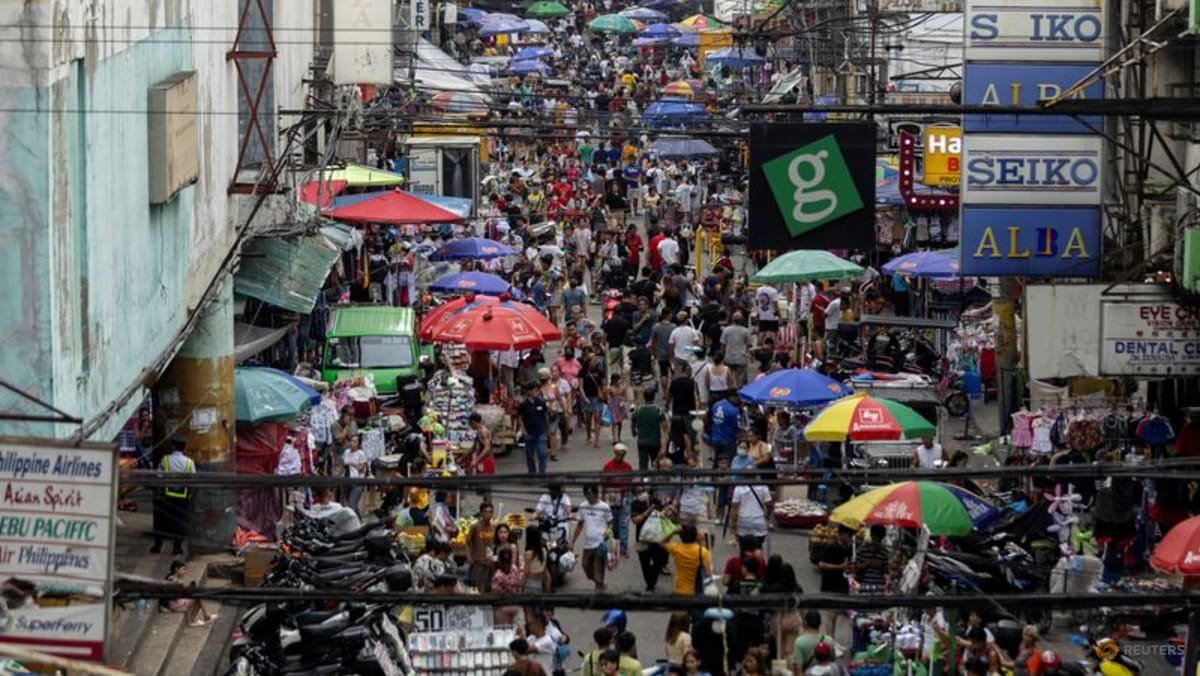
FILE PHOTO: People walk along a street market in Quiapo, in Manila, Philippines, July 11, 2023. REUTERS/Eloisa Lopez/File Photo
New: You can now listen to articles.

This audio is generated by an AI tool.

Read a summary of this article on FAST.
Get bite-sized news via a new
cards interface. Give it a try.
Click here to return to FAST
Tap here to return to FAST
FAST
METRO MANILA: Michelle Palompo thought her healthy lifestyle – eating only organic food and using all-natural products – would protect her from serious illness.
Then, in 2021, she was diagnosed with stage 2 breast cancer.
“I really felt like I was going to die,” she said. “I said, ‘Lord, my child is still a toddler. My eldest isn’t even a teenager yet. What am I going to do?’”
But Palompo had something many Filipinos do not: private insurance.

Guess Word
Crack the word, one row at a time

Buzzword
Create words using the given letters

Mini Sudoku
Tiny puzzle, mighty brain teaser

Mini Crossword
Small grid, big challenge

Word Search
Spot as many words as you can
A policy her husband had taken out years earlier allowed her to claim more than US$11,000 for treatment.
Three in five Filipinos lack private health insurance, according to the Philippine Statistics Authority, leaving many exposed to hefty medical bills despite universal state health coverage.
“If I didn’t have private insurance, the cancer might have reached stage 4,” said Palompo, pointing to patients whose treatment was interrupted because they could not afford medicine.
GAPS IN UNIVERSAL COVERAGE
Under the Universal Health Care Law, all Filipinos are members of the Philippine Health Insurance Corporation (PhilHealth).
The state insurer subsidises medicines and covers treatments for illnesses including cancer, tuberculosis and chronic kidney disease.
But gaps remain, particularly when patients have to seek treatment at private hospitals.
A 2022 study by pharmaceutical company Unilab found that Filipino households paid nearly half of the country’s healthcare expenditure out of pocket.
Private insurance can help cover those costs, but affordability remains a major obstacle.
Christine Manalaysay, president of the Life Underwriters Association of the Philippines, said many households prioritise more immediate expenses.
“They tend to postpone these types of protection instruments because in the Philippines, a lot of households are focusing on food expenses, housing and their daily budget,” she added.
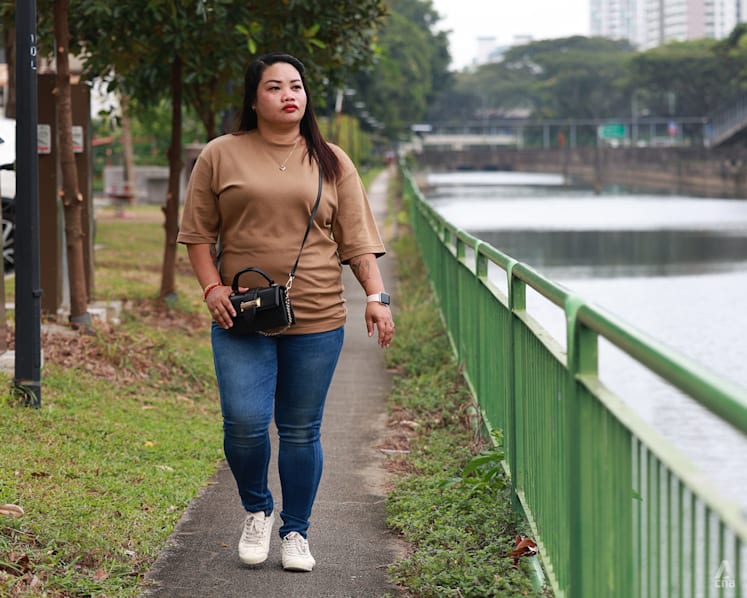
For Aurelia Dela Cruz, the limits of public healthcare became clear when she was diagnosed with stage 2 breast cancer.
She could have undergone surgery for free at a public hospital, but there was no room available.
Instead, she went to a private hospital, where the procedure cost nearly US$1,000 – a bill she could not afford on her salary as a maid.
“My employer gave me some assistance, and so did my friends,” she said. “I was only able to pay for the surgery with the help of people who loved me.”
Nine years later, her cancer returned, this time at stage four.
Dela Cruz now receives free treatment at the Philippine General Hospital and considers herself fortunate to live near Manila, where such services are more accessible.
EXPANDING ACCESS BEYOND MANILA
Patients in rural areas may have fewer options, with many free public healthcare programmes concentrated in Metro Manila.
PhilHealth is seeking to expand access by partnering private healthcare facilities to provide “charity beds” for patients.
Alfred Phillip De Dios, PhilHealth spokesperson and vice-president of its quality assurance group, said: “That’s why we’re engaging private institutions right now, to make sure that the quality of care will not differ and that these patients will not incur any out-of-pocket expenses.”
The state insurer is also seeking to expand benefits for what it calls the “missing middle” – people who are not considered poor but may still struggle to afford private insurance.
“Just one catastrophic illness will push these people below the poverty line,” said De Dios.
Meanwhile, private insurers are developing cheaper products for those who cannot afford conventional policies, including microinsurance plans costing a few hundred pesos a month.
“Each insurance policy is limitless,” Manalaysay said. “We can custom-fit it to the client, to their budget, to their need, to their goal, and more so, the protection is there.”
Observers say more needs to be done to improve financial literacy and raise real wages, so Filipinos do not have to choose between basic necessities and healthcare.
Source: CNA/ca(mp)
Sign up for our newsletters

Get the CNA app
Stay updated with notifications for breaking news and our best stories
Get WhatsApp alerts
Join our channel for the top reads for the day on your preferred chat app

Get bite-sized news via a new
cards interface. Give it a try.
Click here to return to FAST
Tap here to return to FAST
FAST