Taiwan confronts surge in drug-driving as new narcotics rapidly emerge
“Zombie vapes”, online dealers and new, unlisted narcotics. CNA examines how deadly drug-driving cases are a visible sign of a much wider drug problem in Taiwan.
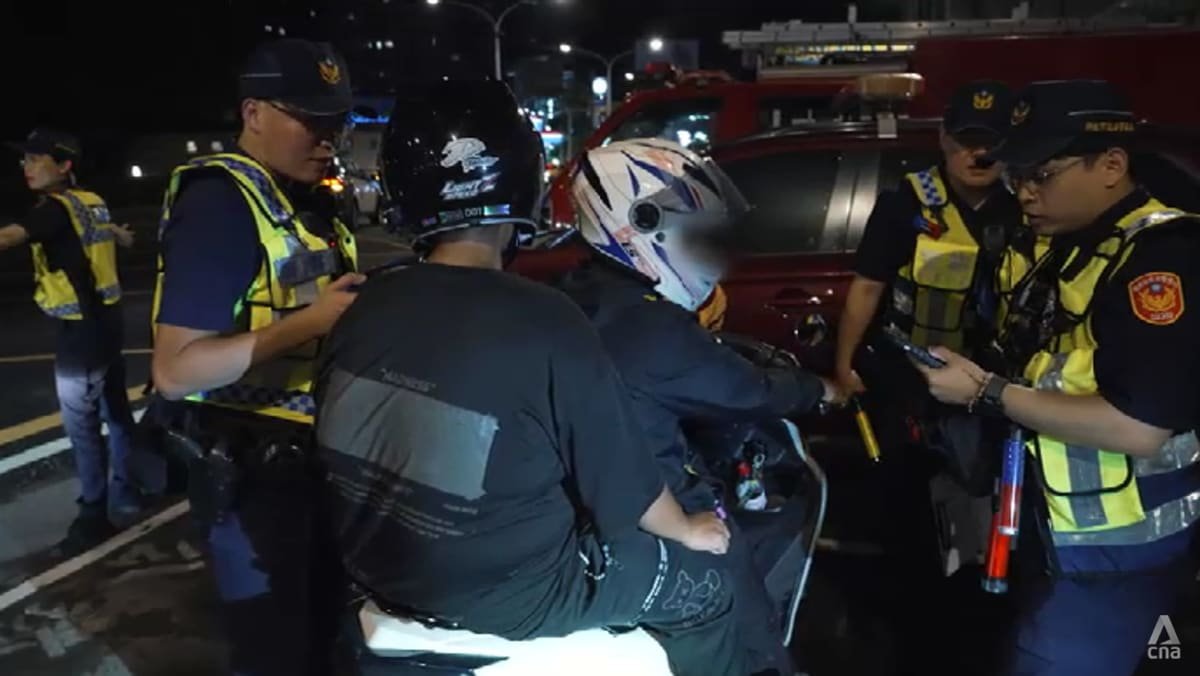
Police officers conduct checks on motorcyclists at a late-night checkpoint in Taipei. (Image: CNA)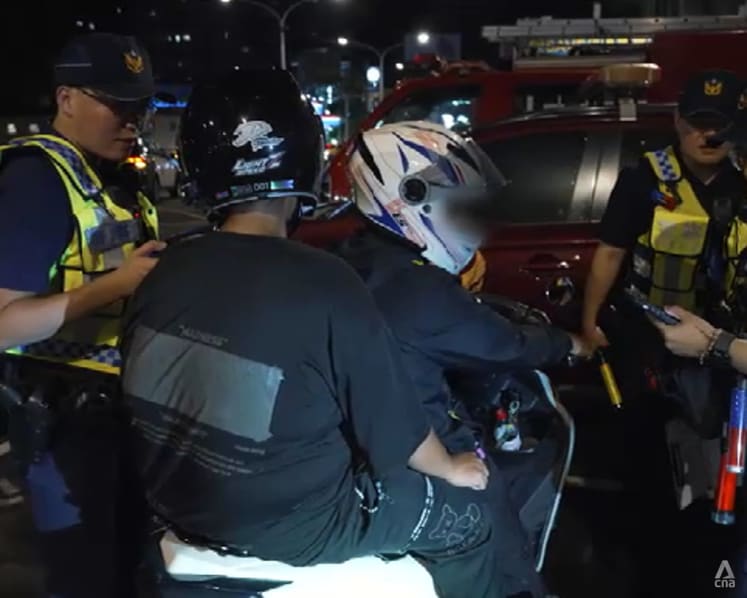
New: You can now listen to articles.

This audio is generated by an AI tool.


Read a summary of this article on FAST.
Get bite-sized news via a new
cards interface. Give it a try.
Click here to return to FAST
Tap here to return to FAST
FAST
TAIPEI/KAOHSIUNG: Taiwan is known for having some of Asia’s toughest drunk-driving laws, but authorities are now confronting another threat on its roads: Drug-driving.
At a late-night police checkpoint in Taipei, officers have only a few seconds to decide which vehicles require a closer look.
“We will pay attention to vehicles as they approach and after they spot our checkpoint, whether they brake suddenly, swerve or possibly make an abrupt stop by the roadside,” police sergeant Chen Kuan-ting told CNA.
Officers also check whether drivers appear unfocused or mentally sluggish.
When drug use is suspected, they can screen motorists on the spot using a saliva test. The test can detect substances including etomidate, an emerging drug commonly consumed through electronic cigarettes.

Guess Word
Crack the word, one row at a time

Buzzword
Create words using the given letters

Mini Sudoku
Tiny puzzle, mighty brain teaser

Mini Crossword
Small grid, big challenge

Word Search
Spot as many words as you can
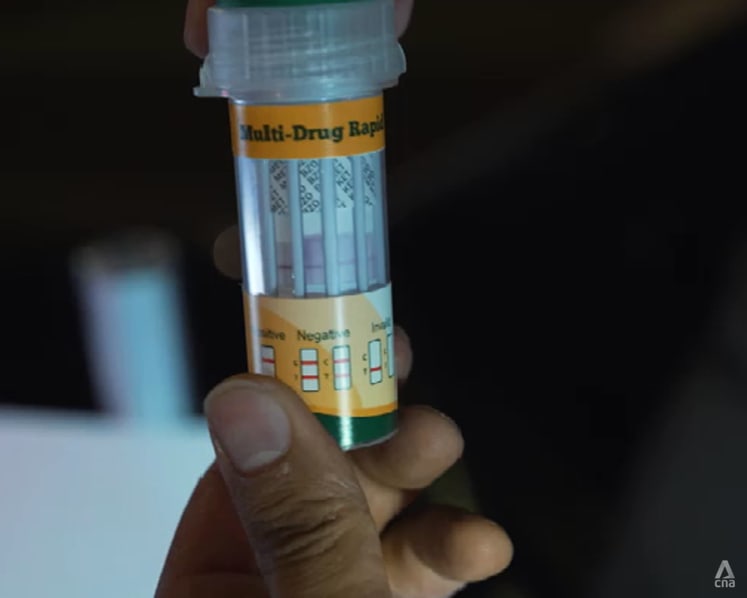
The introduction of roadside screening in 2025 has also helped police detect more cases.
Drug-driving cases rose from 43 in 2021 to 8,659 in 2025 – an increase of more than 200 times.
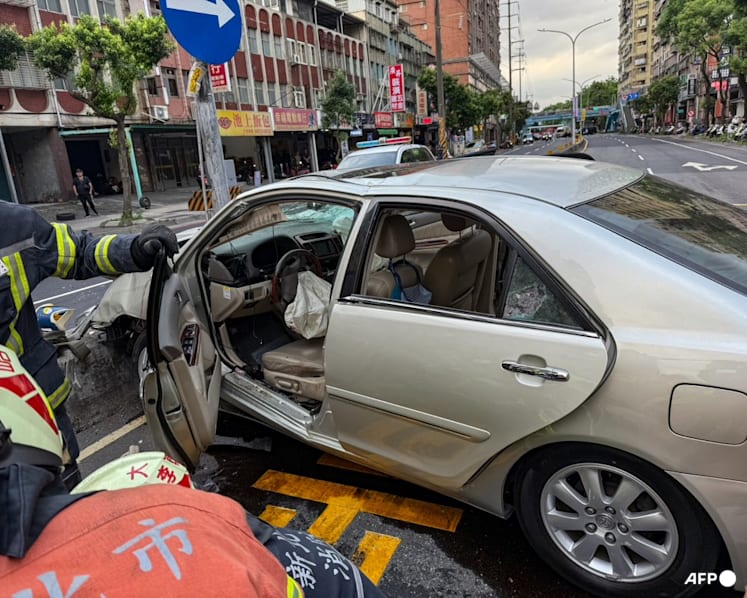
Crashes involving drug-driving killed 19 people and injured 229 in 2025, up from 11 deaths and 85 injuries a year earlier.
But drug-driving is only one part of a wider challenge, as Taiwan confronts a rapidly changing illicit drug market.
THE “ZOMBIE VAPE”
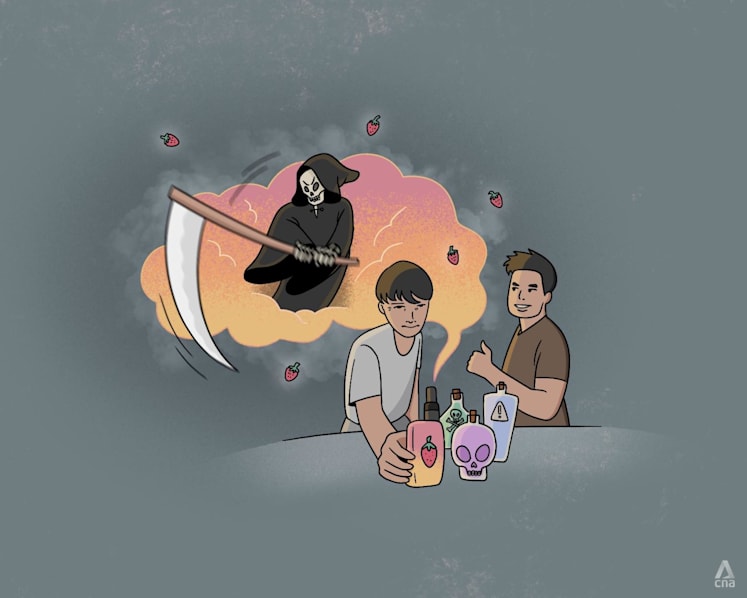
Among the substances to emerge in recent years is etomidate. Originally developed as a medical anaesthetic, etomidate has become known as the “zombie vape” when consumed through e-cigarettes.
“Etomidate is a depressant for the central nervous system,” said Alex Chao, deputy director of the Drug Enforcement Division at Taiwan’s Investigation Bureau.
“Its side effects are that it can make people dizzy and nauseous, and it can cause the limbs to twitch. In severe cases, the limbs will convulse, so using this can lead to some impairment of movement or involuntary movements.”
Chao said the number of positive urine tests for etomidate jumped fivefold in 2024 from a year earlier, prompting authorities to tighten controls over the substance.
Etomidate was upgraded to a Category 1 drug in June 2026, increasing the penalties for offences involving the substance.
RACE TO IDENTIFY UNLISTED DRUGS
The emergence of new substances is a continuing challenge for Taiwan’s authorities.
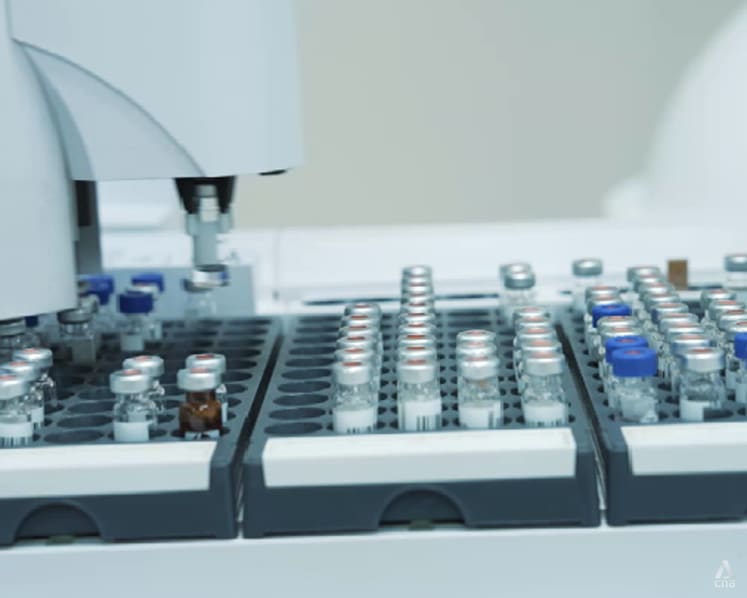
Inside the Investigation Bureau’s forensic laboratory, around 30,000 drug samples from about 2,400 major cases are examined every year.
Most can be matched against substances already in its database. The harder cases involve compounds scientists have never encountered before.
“The big challenge we face here is that new types of drugs, and the (so-called) ‘precursor materials’ for them mutate rapidly,” Chao said.
The laboratory encounters about four to five previously unlisted substances each year.
Such substances must first be identified before authorities can decide whether to control them – a process that takes time.
“Some unscrupulous individuals may exploit this small loophole to modify the structure of banned substances,” said Investigation Bureau laboratory investigator Yen Yao-te.
“This then turns it into a banned substance that isn’t on the scheduled list, which means it temporarily can’t be regulated, (and it could be) an emerging drug that may be harmful to the human body.”
Once scientists have identified a new substance, their findings are submitted to the Ministry of Justice’s Drug Advisory Committee, which considers whether it should be classified as a controlled drug.
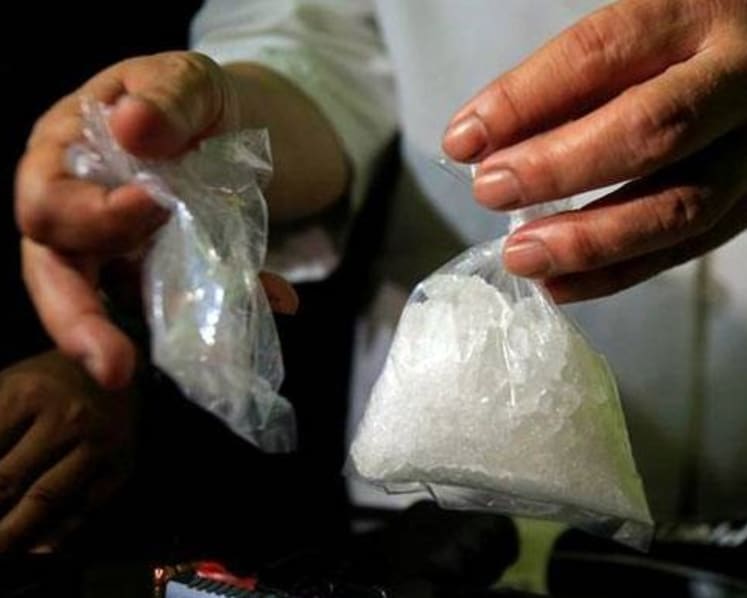
According to Investigation Bureau statistics, more than 90 per cent of drugs in Taiwan come from overseas, Chao said. They can arrive with travellers, through international parcels, or in larger shipments carried aboard ships or inside cargo containers.

THE STRUGGLE WITH LIFELONG ADDICTION
Supply is one challenge. Drug use and addiction are another.
More than 47,000 drug suspects were arrested in Taiwan in 2025, according to the National Police Agency – 25 per cent more than the previous year.
The biggest increase was seen among young people. Arrests of suspects aged 12 to 17 increased nearly 68 per cent, while those involving people aged 18 to 23 rose 41 per cent.
At the government-run Kaohsiung Drug Abuser Treatment Center in southern Taiwan, more than 1,000 people pass through its drug observation programme each year.
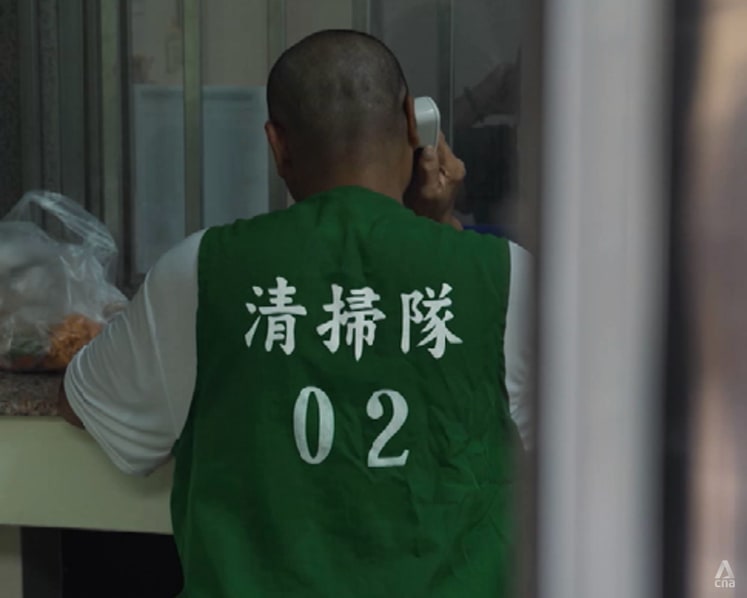
Among them is Peter Yu, 38, whose struggle with drugs began as a teenager. He has been detained four or five times since.
“I saw an older friend taking amphetamines. I didn’t even know what it was. I was curious. He gave me some and I tried it,” he said.
“If you wanted to get drugs, it was pretty easy to obtain some. Because you’re in that circle, everyone’s using. You just ask your drug buddies. They’ll show you where to get it or get it for you.”
Another patient, Chou Chih-ming, started abusing drugs much later, at 35.
“I was hooked from the start. That one injection plunged me into addiction. It even ended my 16-year marriage. I’ve spent about 17 years in and out of prison, seven times,” he said.
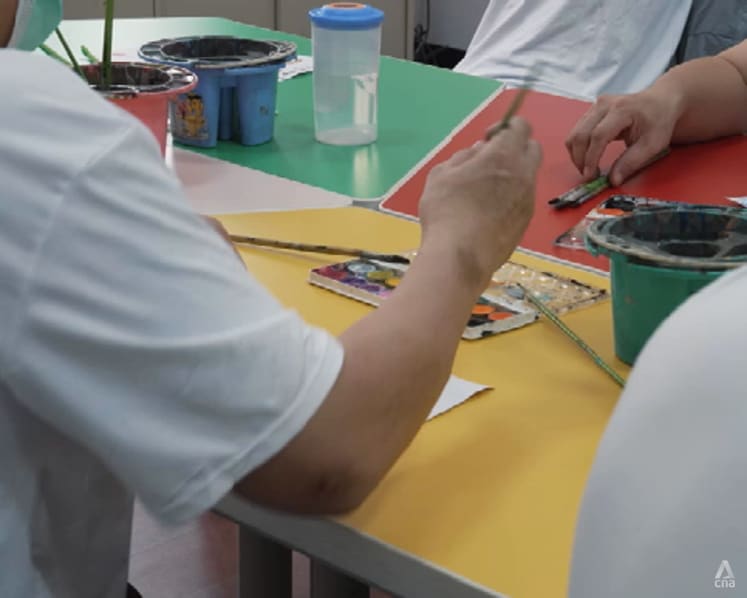
Chou moved house three times while trying to restart his life, but he could never put enough distance between him and the drugs.
“The hardest part of quitting is your mind and your circle of friends. Even after you’ve been out for a while, you meet an old friend, they say one thing and it can bring all those thoughts back.”
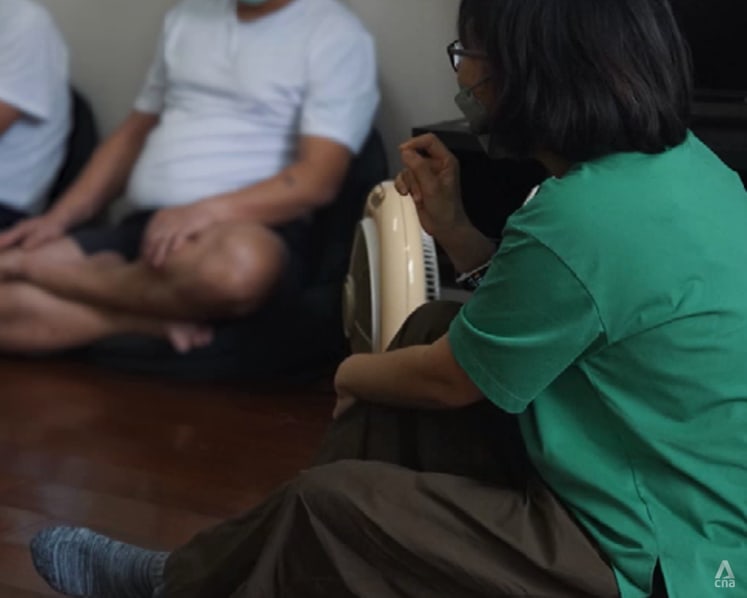
The centre tries to prepare patients for life after release through counselling and skills training, while helping them rebuild family relationships and find work.
“What worries us most is what happens after they leave,” said counsellor Ko Chun-ming.
“If they go back to those complicated environments. Once you have an addiction, it’s a lifelong thing. There’s no such thing as successfully quitting drugs, only how long you’ve stayed clean.”
DRUG DEALING PREVALENT ONLINE
But access to drugs has moved beyond personal networks.
Ko estimated that 70 to 80 per cent of the drug trade was taking place online, with drugs being sold through social media platforms and online groups.
“Nikkie” began using drugs when she was 18 and, at one point, spent more than US$3,000 a month on them.
The 23-year-old, who has been drug-free for almost a year, asked to use a pseudonym to protect her identity.
She showed CNA how she used to buy drugs online.
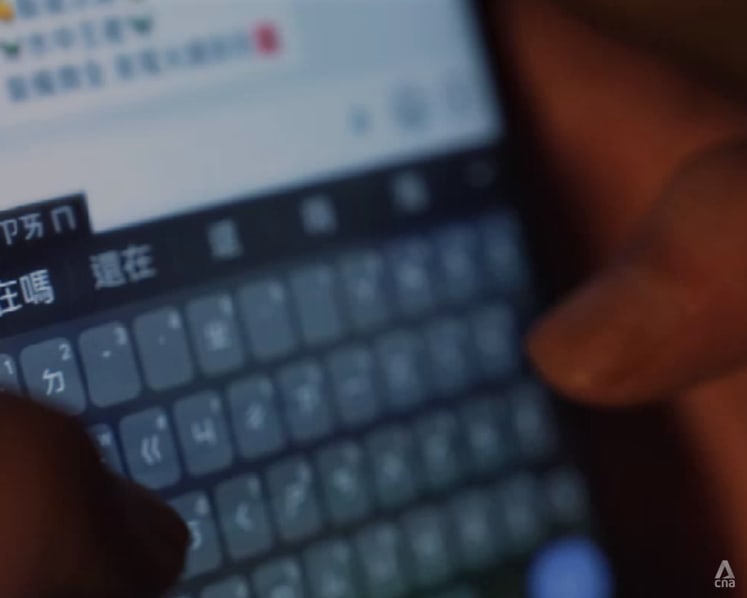
A friend would give her the WeChat contact of a dealer. She would message the account with her order and a delivery location.
“If I wanted etomidate, I’d order one or two cartridges and give them the address. They’d drive over. I’d give them the money. They’d give me the drugs and then leave,” she recounted.
The entire transaction could take less than an hour, she said.
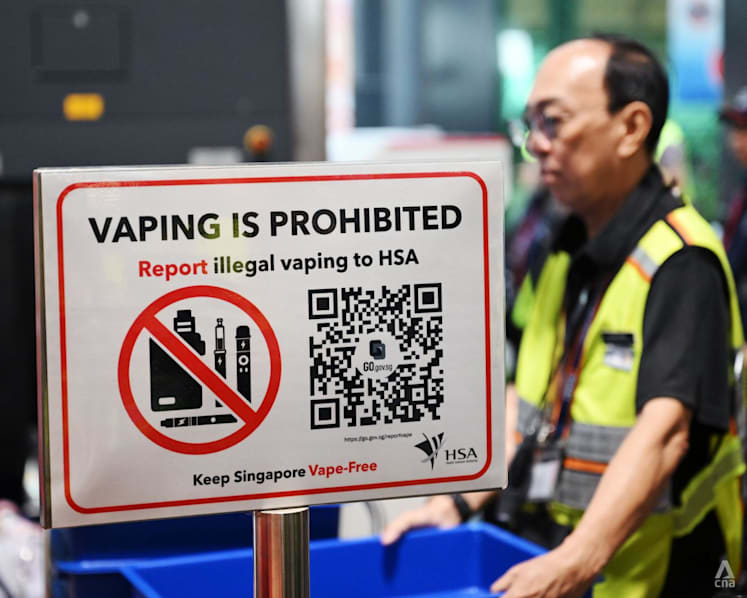
E-cigarettes have been banned in Taiwan since 2023, but CNA was able to access a website selling them by bypassing a Ministry of Health and Welfare block.
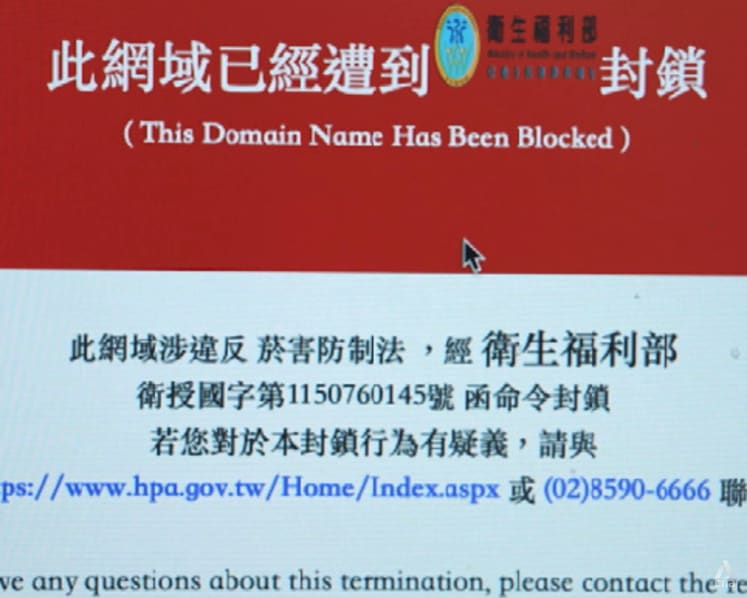
CNA contacted one account, received a reply and went no further.
Responding to queries, Taiwan’s National Police Agency said the internet has become one of the main channels for drug dealing.
From January 2025 to June 2026, police arrested 6,708 suspects accused of supplying drugs online. They accounted for about 85 per cent of all suspected drug dealers arrested during the period.
Nikkie said she has helped police in two operations.
“I show the police the call records. Then, I make a statement identifying the person. After that, I arrange to meet them to collect the drugs.”
But she said dealers could quickly set up new accounts after arrests.
STEPPING UP ENFORCEMENT
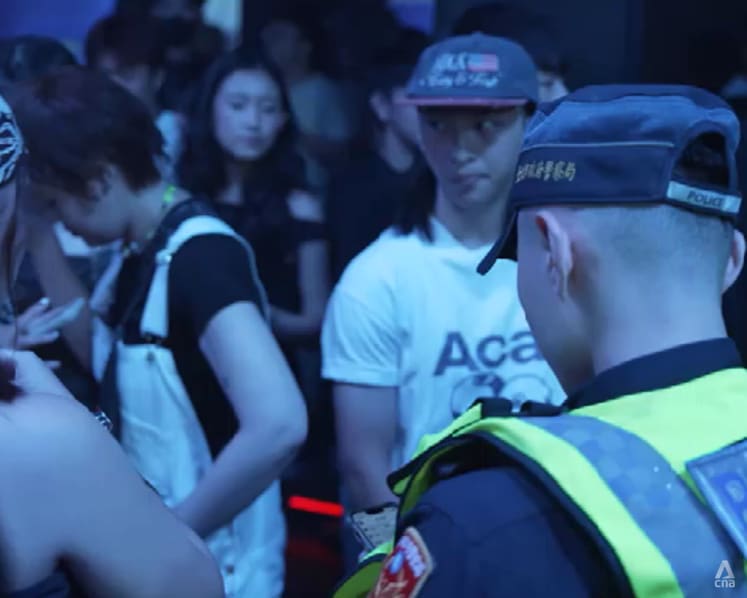
Along with targeting dealers online, police are also carrying out enforcement at venues where drugs may be used or sold.
At nightclubs in Taipei, officers conduct identity checks, look for wanted suspects and pay closer attention to people with previous drug offences.
The government is also expanding its enforcement network.
Minister without Portfolio Chi Lien-cheng, who is overseeing an anti-drug enforcement effort launched this year, said in June that a drug enforcement command centre would be established at the Taiwan High Prosecutors Office, with “war rooms” at district prosecutors’ offices around the island.
The aim is to pool resources and improve coordination among the authorities involved in drug enforcement, Chi said.
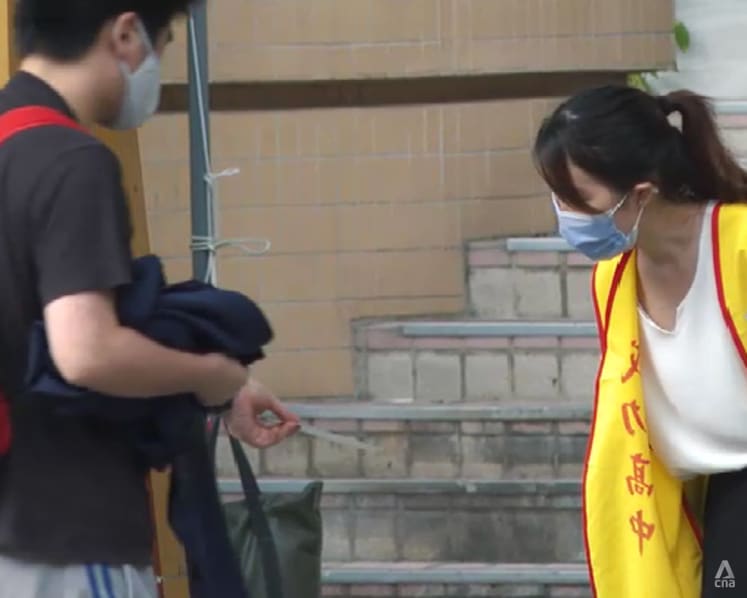
Authorities also plan to establish 9,000 inspection points around more than 3,600 schools, concentrating on places where students gather and locations linked to previous drug incidents.
The government also wants schools to make greater use of anti-drug campaigns.
“If every school could run these short videos on the electronic display boards at their gates, then students would know … just how serious the harm from this drug epidemic is for their bodies and minds, and to their families,” Chi said.
“I CAN’T LET HIS DEATH BE FOR NOTHING”
Observers say drug-driving is one of the most visible signs of Taiwan’s wider drug problem.
A series of deadly crashes has left some people fearful even of crossing the road, while others worry that drugs are reaching their children.
Among those demanding action are families who have lost loved ones.
One case that drew widespread attention was the death of Liu Tsung-hsin, a police station chief in New Taipei City, in 2024. He was killed after a drug-impaired driver refused a police check and dragged him with her vehicle before he struck a guardrail.
His father Liu Chih-yuan, 63, has since called for stronger government action.
“I want to tell the government they need to take this drug epidemic seriously because there are so many undeniable facts now. Drugs have already made their way into schools. Even teenagers are using,” he said.
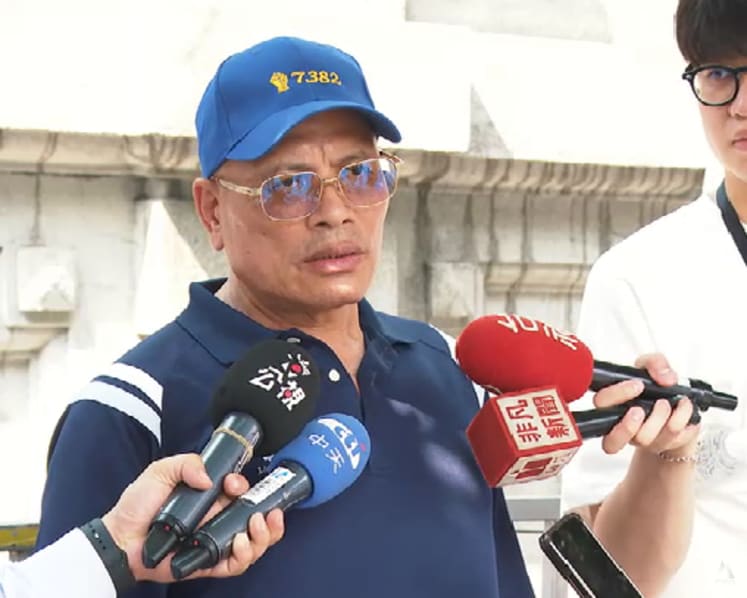
He also called on authorities to trace where the drugs were coming from.
“Only then can they cut off the supply, only then will drug use come down and only then can (Taiwan) and society find stability,” he added.
The government has moved to toughen penalties for drug-driving.
In June, Taiwan’s Cabinet approved draft amendments that would raise the maximum prison term from three to five years, with heavier sentences when serious injury or death is caused. The changes still require legislative approval.
For families affected by drug-driving, the impact of those efforts will ultimately be felt on Taiwan’s streets.
“I can’t let Tsung-hsin’s death be for nothing,” Liu said.
Source: CNA/mp(ca)
Sign up for our newsletters

Get the CNA app
Stay updated with notifications for breaking news and our best stories
Get WhatsApp alerts
Join our channel for the top reads for the day on your preferred chat app

Get bite-sized news via a new
cards interface. Give it a try.
Click here to return to FAST
Tap here to return to FAST
FAST