Bangladesh vows to arrest Hasina if she returns from India
Former prime minister Sheikh Hasina faces a death sentence in Bangladesh and her Awami League party is banned following the 2024 uprising that ended her long rule.
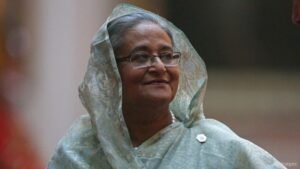
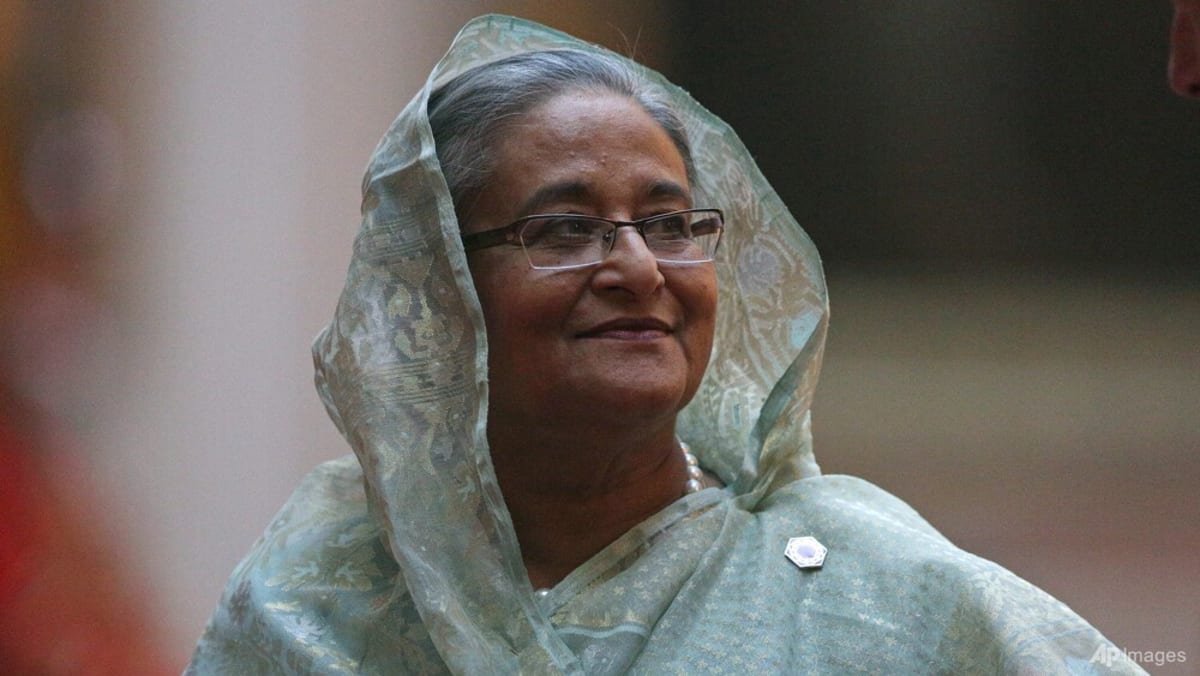
File photo. Bangladesh Prime Minister Sheikh Hasina arrives to attend The Queen’s Dinner during the Commonwealth Heads of Government Meeting at Buckingham Palace in London on Apr 19, 2018. (Photo: AP/Daniel Leal-Olivas/Pool)
Read a summary of this article on FAST.
Get bite-sized news via a new
cards interface. Give it a try.
Click here to return to FAST
Tap here to return to FAST
FAST
DHAKA: Bangladesh will arrest and jail former prime minister Sheikh Hasina if she returns from India, a senior government minister said, as her plans to come home in December fuel political tension and renewed street violence.
Dhaka is instead seeking Hasina’s extradition from India, where she has lived since fleeing Bangladesh in 2024, and expects New Delhi to comply with an existing extradition treaty, State Minister for Foreign Affairs Shama Obaed Islam told Reuters.
India’s foreign ministry did not immediately respond to a request for comment. In April, the ministry said it was examining Bangladesh’s request to extradite Hasina.
Hasina faces a death sentence in Bangladesh and her Awami League party is banned following the 2024 uprising that ended her long rule. The United Nations has said as many as 1,400 people were killed during the unrest.

Guess Word
Crack the word, one row at a time

Buzzword
Create words using the given letters

Mini Sudoku
Tiny puzzle, mighty brain teaser

Mini Crossword
Small grid, big challenge

Word Search
Spot as many words as you can
Hasina fled Dhaka in August 2024 as protests demanding her resignation swept the country. She has since sought a new passport and identity card ahead of a planned return in December, requests the government has rejected.
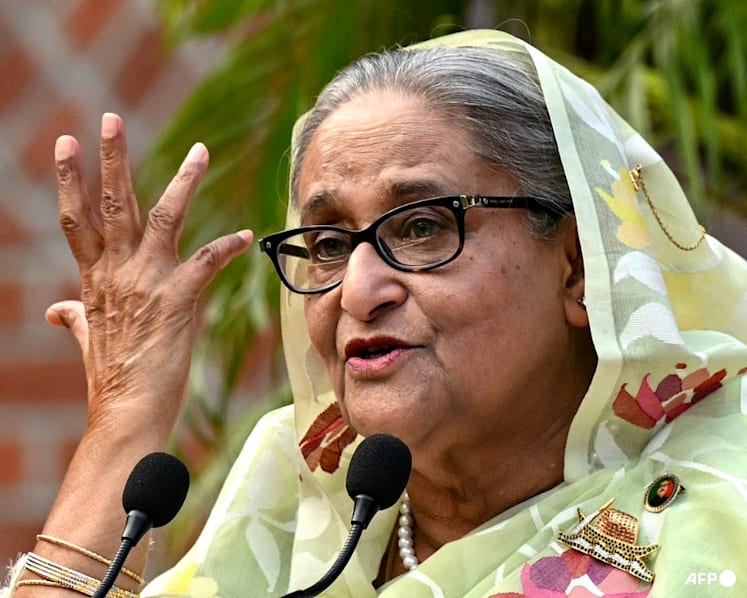
“As soon as she tries to enter Bangladesh, she will be arrested. And she will be taken to jail, and the law will take its course,” Obaed said in an interview on Sunday (Nov 22).
“We would like India to honour the extradition treaty and return her as a convict, and the law will take its course. She (Hasina) will have to face the music.”
The standoff has brought Hasina’s Awami League supporters out on the streets. The party this month announced a week of protests and rallies in support of Hasina’s return, culminating in a nationwide lockdown on Nov 19.
Police have recorded dozens of crude bomb blasts and incidents of arson targeting vehicles in at least 28 districts over the past 10 days, with several police officers and civilians injured, according to local media.
Obaed called the violence a survival tactic by Hasina’s “politically bankrupt political party”.
Khalid Mahmud Chowdhury, a senior Awami League official, said the current political establishment was responsible for the violence.
The minister said there had been no official discussions with India about sending an aircraft to bring Hasina back, adding that Dhaka wanted balanced ties with New Delhi that did not compromise Bangladesh’s “dignity, self-respect and interests.”
“India needs to decide what kind of foreign policy they need to adopt for Bangladesh,” Obaed said.
ROHINGYA VERDICT
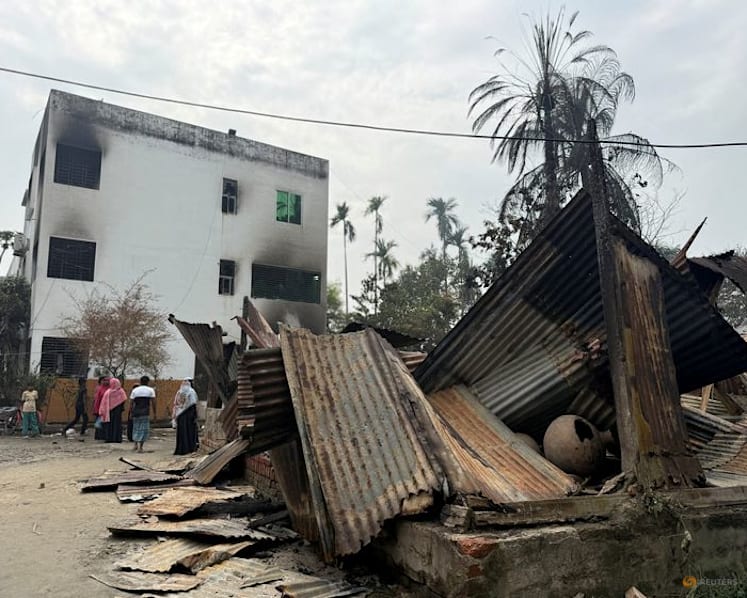
Dhaka is also stepping up diplomatic pressure on neighbouring Myanmar over the return of Rohingya refugees after the UN’s highest court ruled that thousands of killings and widespread sexual violence by Myanmar’s security forces against the Muslim minority in 2017 amounted to state-sponsored genocide.
Myanmar has criticised the ruling by the International Court of Justice said Rohingya would only be able to return “when situations permit”.
“Now, this verdict gives us, Bangladesh, the strength, the Rohingya community the strength to fight,” Obaed said, adding that they deserved to return “with dignity and safety”.
About 1.2 million Rohingya live in Bangladesh after repeated repatriation attempts failed. Their return has been complicated by Myanmar’s civil war and the Arakan Army militia’s control of nearly all of Rakhine State, which is home for most Rohingya.
Obaed called for greater international pressure on Myanmar and the Arakan Army.
“Bangladesh did not create this crisis. Myanmar created this crisis, so Myanmar has to end it,” she said.
Source: Reuters/aj
Sign up for our newsletters

Get the CNA app
Stay updated with notifications for breaking news and our best stories
Get WhatsApp alerts
Join our channel for the top reads for the day on your preferred chat app

Get bite-sized news via a new
cards interface. Give it a try.
Click here to return to FAST
Tap here to return to FAST
FAST