Australia confirmed its first case of H5N1 bird flu in a mammal on Sunday, after it found the deadly virus in a long-nosed fur seal.
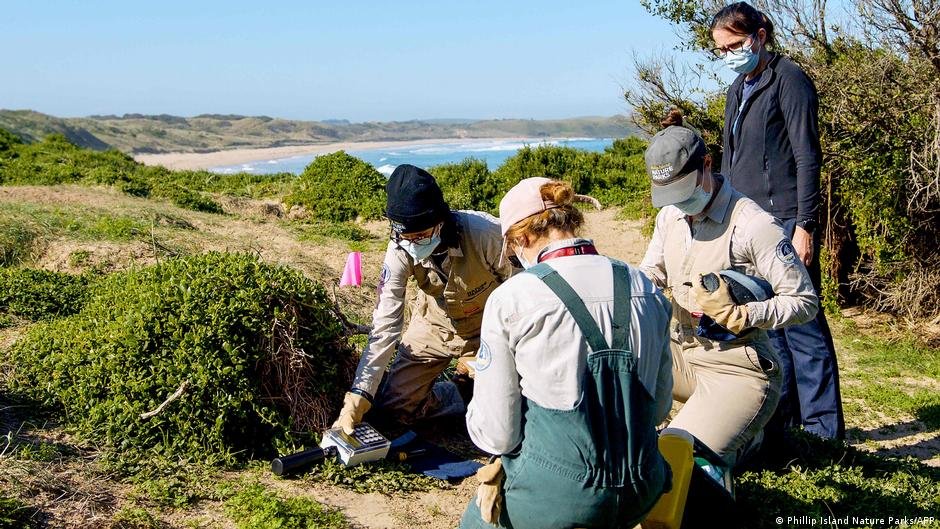
Authorities in the state of South Australia said they found the virus in the seal in the coastal town of Beachport, about 310 kilometers (192 miles) from the state capital, Adelaide.
Austrialia has been combating the highly pathogenic influenza after it arrived in the country in June. Earlier this month it reported its first mass seabird deaths, marking an escalation.
What did authorities have to say?
There are an estimated 100,000 long-nosed fur seals in the state’s waters. The infected individual was found dead with no signs of injury, authorities said.
Its death “does not appear to be associated with other sick or dead marine mammals,” Federal Agriculture Minister Julie Collins said in televised remarks.
“Once the H5 bird flu is spreading in the natural environment it is not possible to avoid significant losses,” Collins added.
“Although this is a concerning development, it is not unexpected for us to start to see infection in other wildlife, particularly in marine mammals, particularly in areas where there are high infection rates in wild birds,” Collins was quoted by the Australian Broadcasting Corporation as saying.
The virus has not spread to Australia’s poultry or agriculture, according to the government, which counted 297 confirmed cases as of Friday.
Earlier in August, the government said it would begin a bird vaccination program based on the species’ vulnerability to the virus and conservation impact.
Edited by: Natalie Muller
Don’t let the algorithm hide the news. If you rely on our team for trusted reporting, please take a moment to select us as your Preferred Source on Google by clicking here and hitting the “star” or “preferred” button, so you’ll always see our verified news first.
About The Author