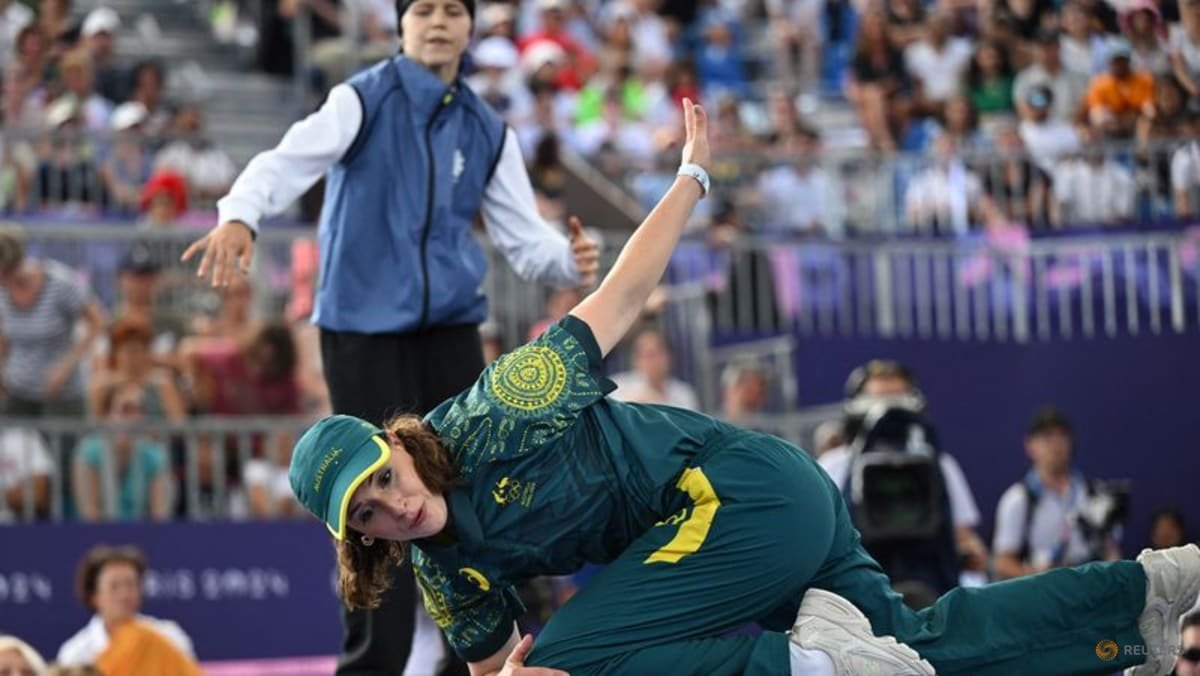
Breaking’s next move: escaping the long shadow of Raygun
Read a summary of this article on FAST.
Get bite-sized news via a new
cards interface. Give it a try.
Click here to return to FAST
Tap here to return to FAST
FAST
NEW YORK, Aug 20 : Two years after Australian breaker Raygun’s much-maligned Olympic performance, the breaking community want to move on from the Paris Games debacle and reshape perceptions of a hip-hop art form they say was unfairly defined by a single routine.
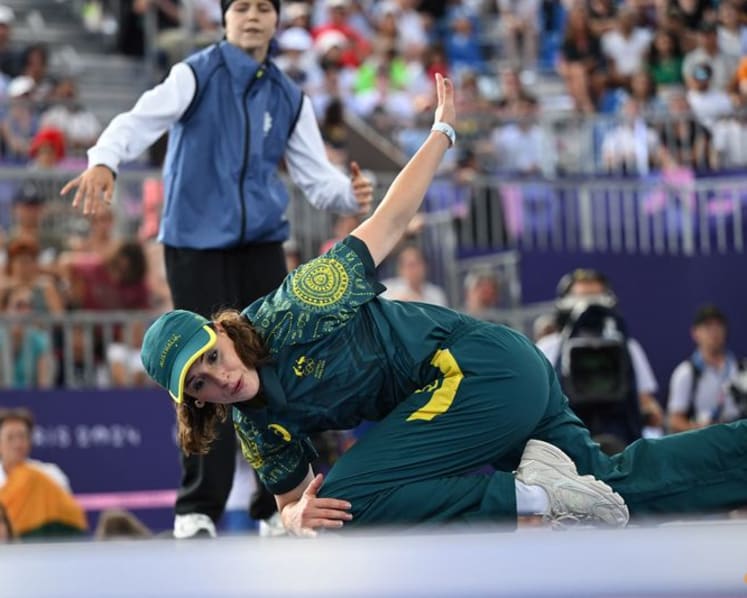
Raygun, whose real name is Rachael Gunn, became the focus of intense scrutiny and suffered online backlash following her performance at the 2024 Paris Olympics, where the Australian lost all three of her round-robin battles without scoring a point. Her unconventional routine drew widespread ridicule on social media.
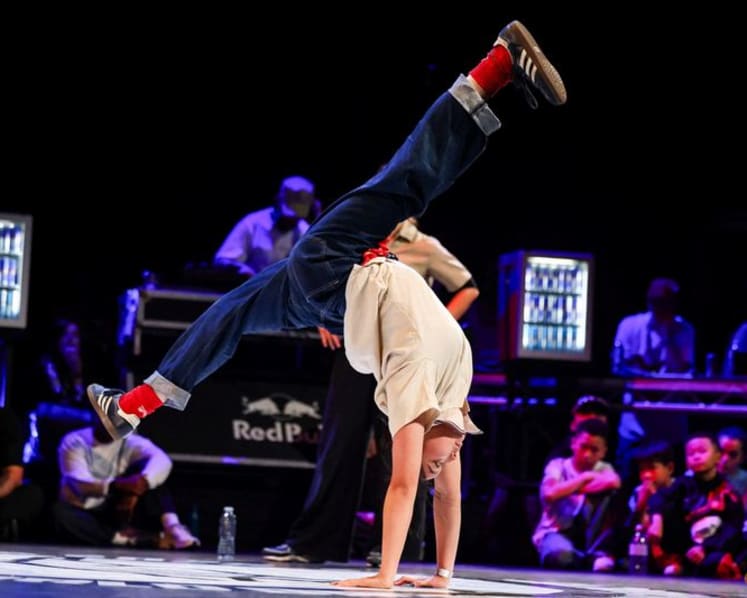
Today, her performance has become synonymous with breaking according to David Shreibman, known as b-boy Kid David, who was a play-by-play Olympic commentator for NBC in 2024 and is co-hosting the upcoming Red Bull BC One USA National Final on August 22.
“Breaking survived Raygun. But the problem is that for millions of people around the world, breaking became Raygun,” he told Reuters.

Guess Word
Crack the word, one row at a time

Buzzword
Create words using the given letters

Mini Sudoku
Tiny puzzle, mighty brain teaser

Mini Crossword
Small grid, big challenge

Word Search
Spot as many words as you can
Her story is set to be chronicled in a documentary from streaming giant Netflix next month, “Untold Raygun: Breaking Badly,” prompting frustration among dancers and longtime veterans of the art form that was developed in the United States more than five decades ago.
“The dust has settled probably more overseas than in America. But you know, I don’t know when that name will stop being brought up,” said Shreibman. “And this documentary doesn’t help.”
‘WE’VE LOST A LOT’
Breaking, often referred to as breakdancing outside the community, was added to the Paris 2024 Olympic programme as organisers sought to attract a younger audience, sparking debatewithin the scene over whether one of hip-hop culture’s foundational elements could be reconciled with the demands of elite sport.
Most breakers eventually got on board, with Canadian b-boy Phil Wizard and Japan’s Ami Yuasa taking the respective men’s and women’s golds with dazzling displays at the Place de la Concorde.
It was left off the 2028 programme well before the Paris Games began but its inclusion in 2024 prompted a surge of interest from sponsors, according to Red Bull BC One World Final 2011 winner Omar Delgado, known as b-boy Roxrite.
“There was a lot of support from different brands, bigger prize money, bigger prize pools were starting to emerge,” he said.
That changed after Paris, according to Delgado, who said he saw brands start to pull back and prize money shrink up.
“We’ve lost a lot of that for sure,” he said. “(Breaking) goes back to again being grassroots and being independent and pushing the culture forward with what we’ve been doing for years.”
The event still lingers under the Olympic umbrella, with breaking set to be a part of the Summer Youth Olympics in Dakar later this year.
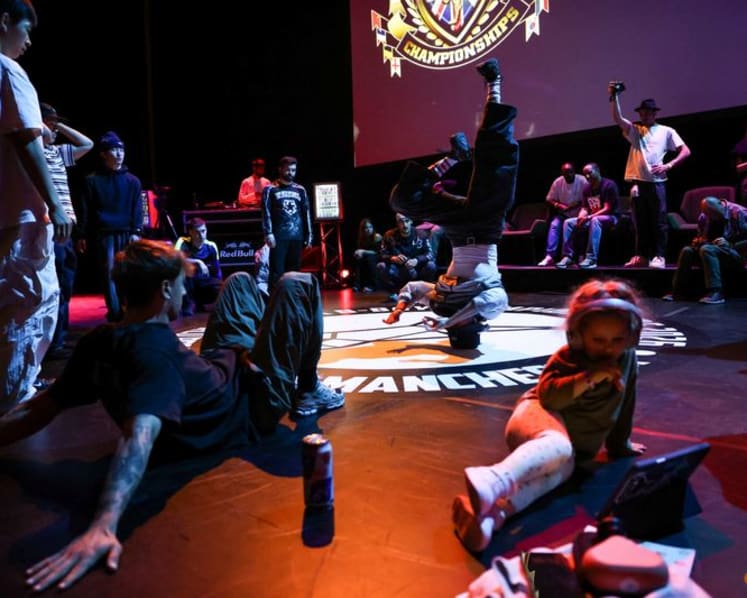
Red Bull BC One All Star Ronnie Abaldonado said he has seen more students come to learn the craft in his hometown of Las Vegas, where he helps usher in the next generation of breakers.
“We were already doing this before the Olympics. So we kind of have our own ecosystem,” he said.
“If anything, it was more fuel to the fire, making it so that we have more to prove because of what happened at the Olympics.”
Source: Reuters
Sign up for our newsletters

Get the CNA app
Stay updated with notifications for breaking news and our best stories
Get WhatsApp alerts
Join our channel for the top reads for the day on your preferred chat app

Get bite-sized news via a new
cards interface. Give it a try.
Click here to return to FAST
Tap here to return to FAST
FAST