Can cow dung and farm waste fuel Japan’s next phase of growth in India’s car market?
Tokyo and New Delhi launched an initiative on Jul 1 to build 1,000 biogas plants across India by 2030, aimed at powering 2.5 million vehicles. Analysts expect an uneven road ahead as favourable conditions collide with formidable obstacles.
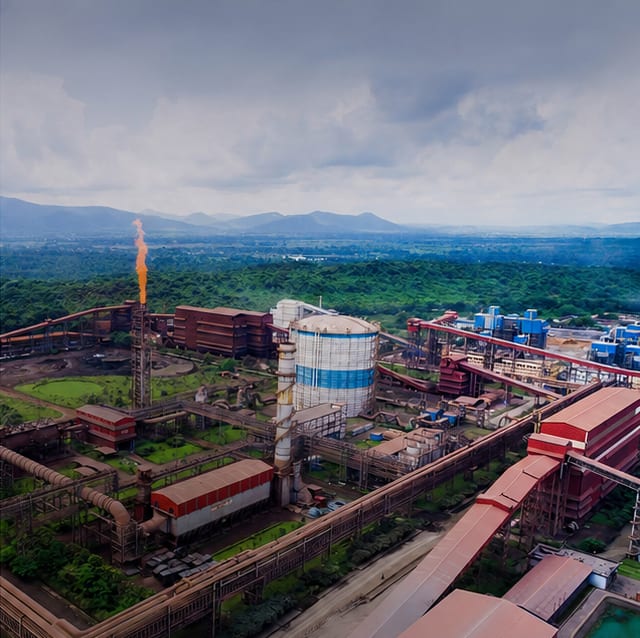
A Banas Dairy and Suzuki biogas plant located in Gujarat. (Photo: Suzuki)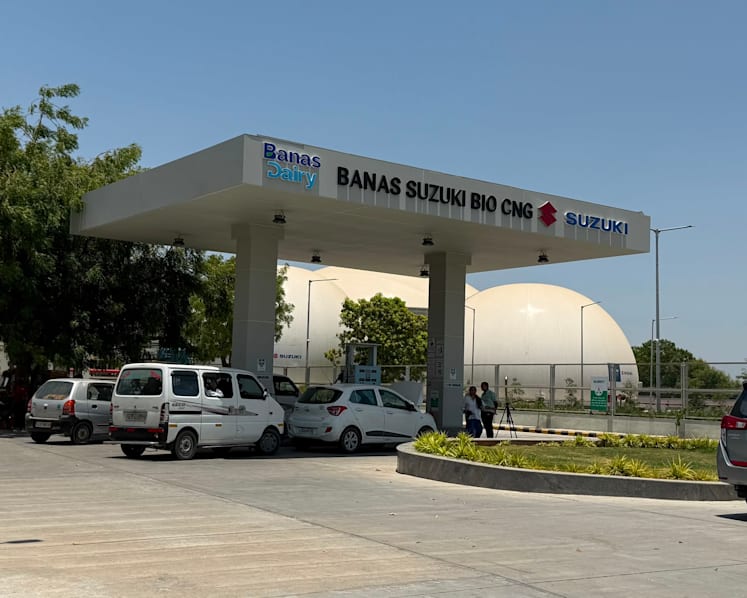
New: You can now listen to articles.

This audio is generated by an AI tool.

Read a summary of this article on FAST.
Get bite-sized news via a new
cards interface. Give it a try.
Click here to return to FAST
Tap here to return to FAST
FAST
SINGAPORE: Can cow dung and farm waste fuel Japan’s next phase of growth in India’s car market? Tokyo is betting on it.
It is partnering with New Delhi to produce biogas for vehicles, hoping the renewable fuel can gain further traction in one of the world’s fastest-growing automotive markets.
On Jul 1, both countries launched an initiative to develop 1,000 biogas plants across India by 2030 – more than seven times the number estimated to be in operation – aiming to power 2.5 million vehicles.
Weeks later, Maruti Suzuki approved four biogas projects worth 5.61 billion rupees (US$58.8 million) in the first phase of a broader expansion. Maruti Suzuki is the Indian subsidiary of Japanese automaker Suzuki Motor and India’s largest carmaker.
India’s vast agricultural sector, growing fleet of compressed natural gas (CNG) vehicles that can run on biogas and relatively slow pace of electric vehicle adoption position it favourably, say analysts.
But they warn that translating ambitions into reality will require overcoming fragmented supply chains and distribution challenges in a vast country of 1.4 billion people.
FROM COW DUNG TO CAR FUEL
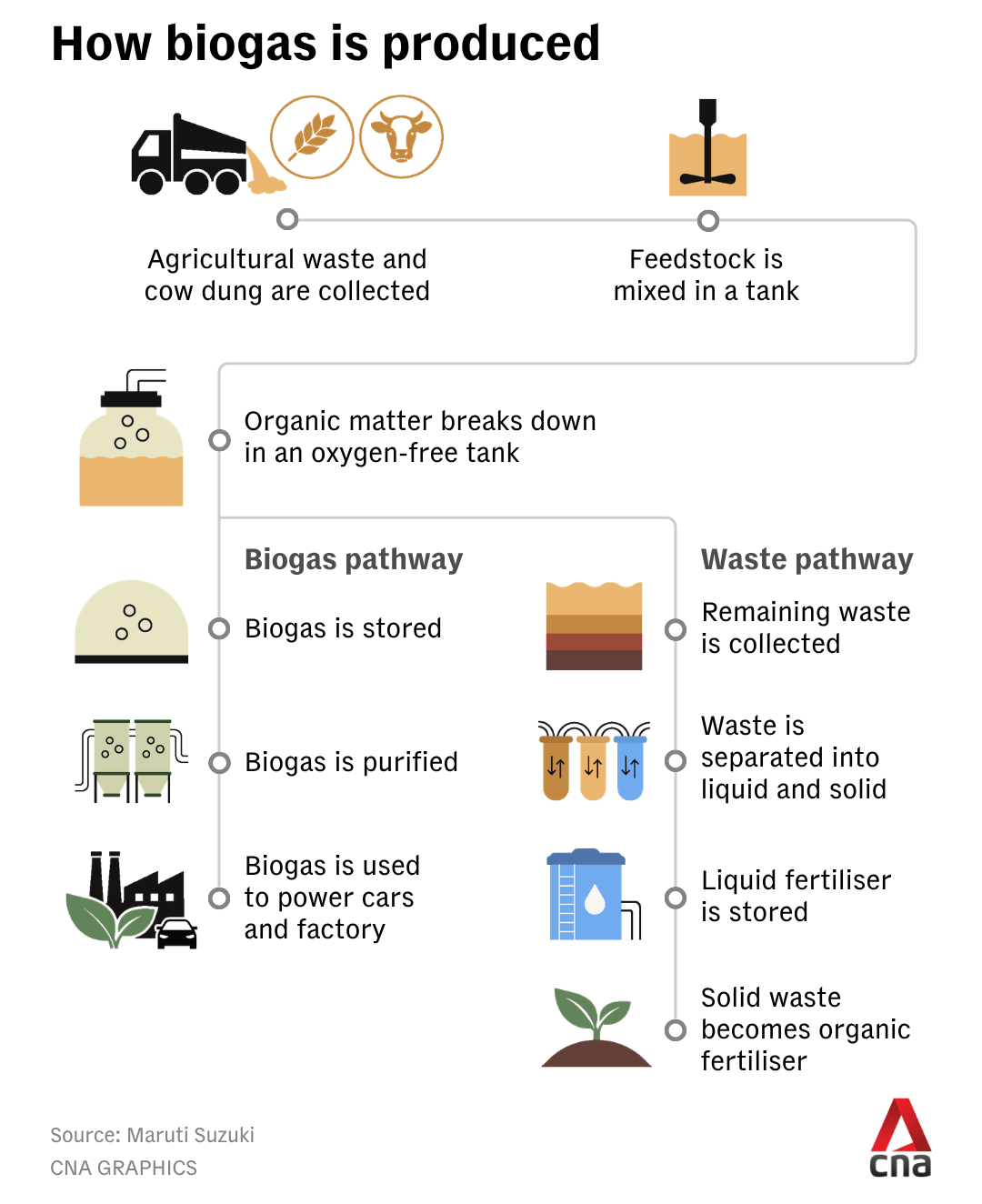
At its core, the technology is relatively straightforward.
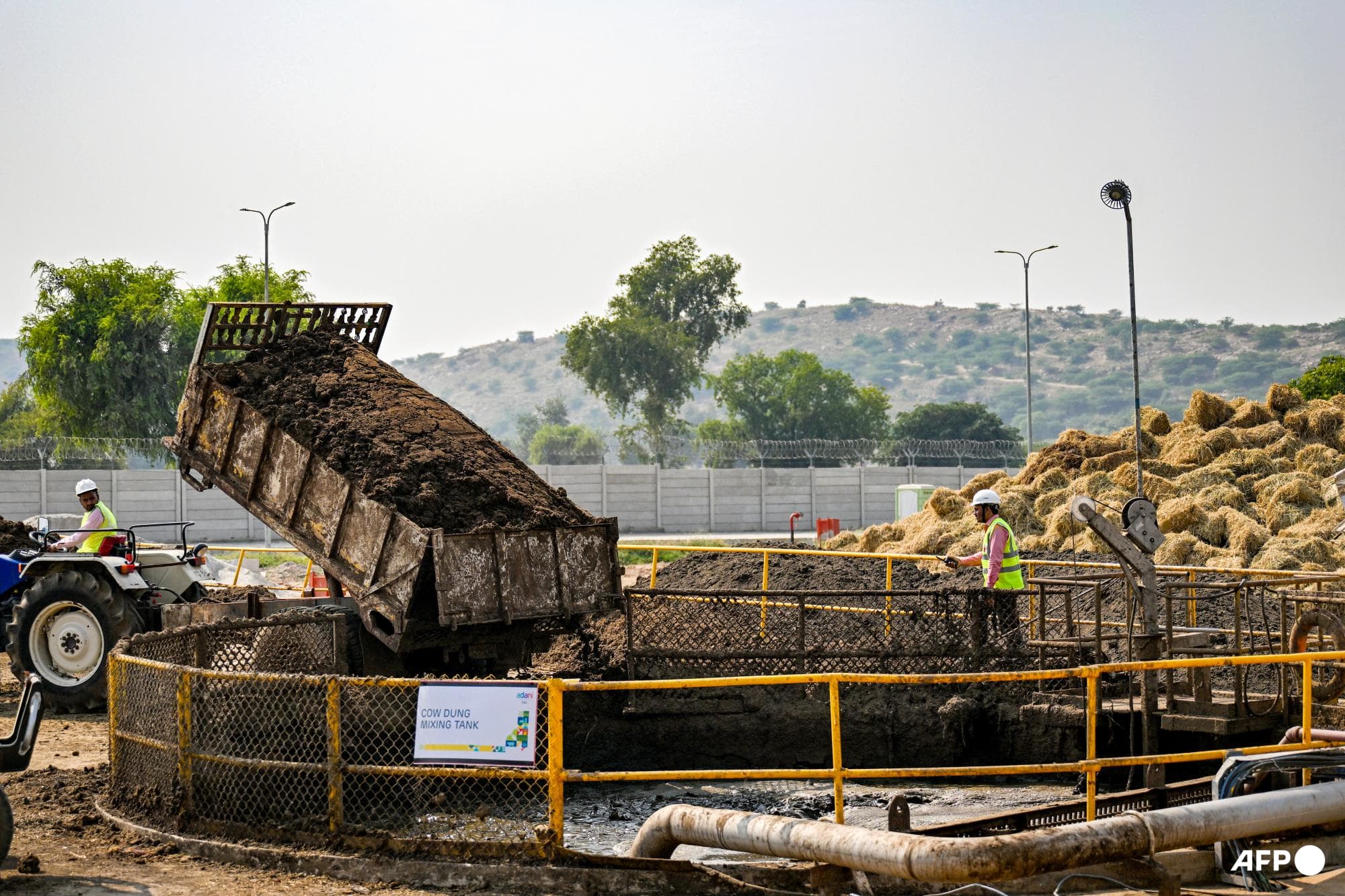
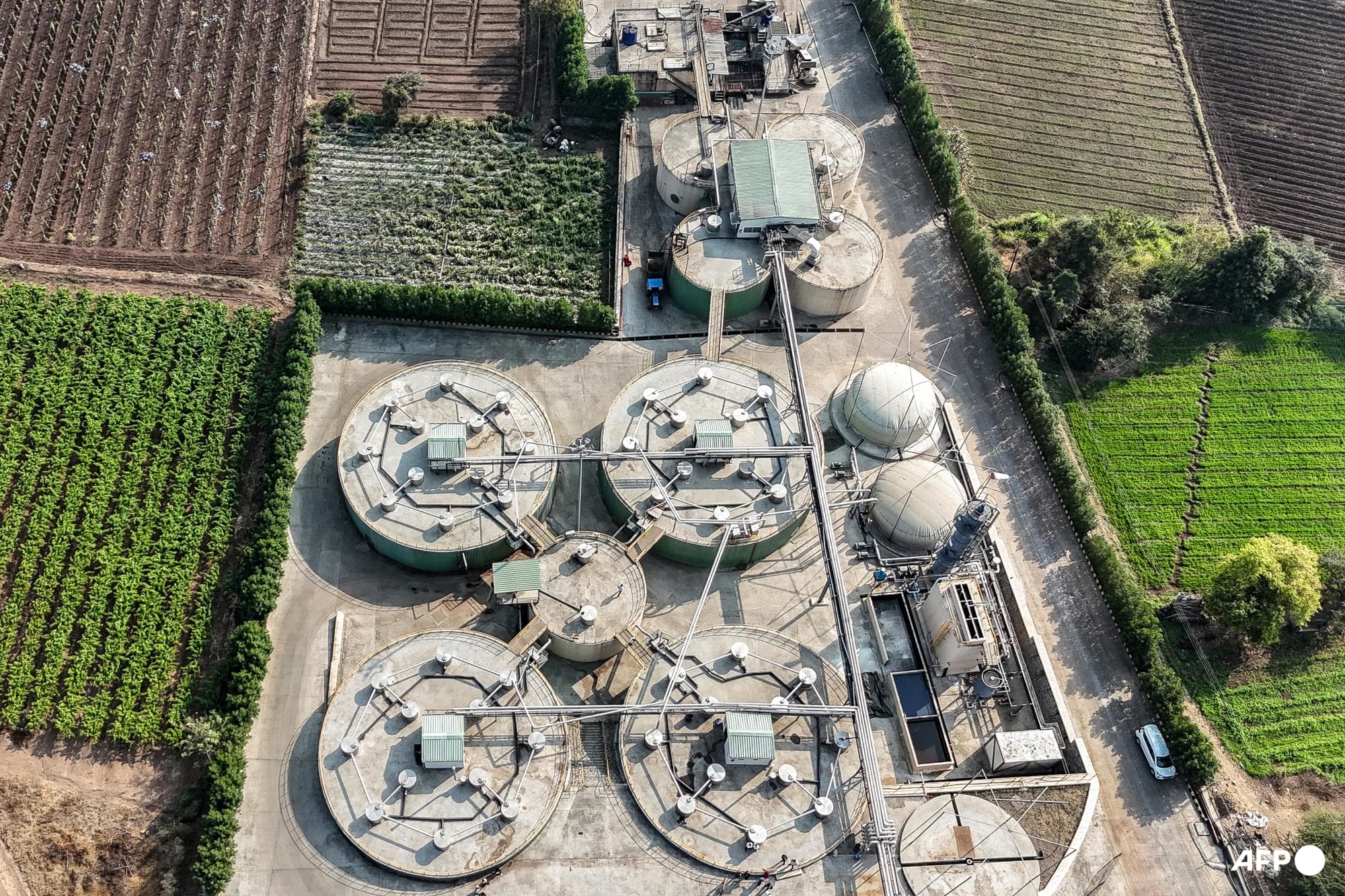
Agricultural waste, food scraps and cattle dung are converted into biogas, which is purified and compressed for use in compatible CNG vehicles. The process also produces fermented organic manure that can be used as fertiliser.

Guess Word
Crack the word, one row at a time

Buzzword
Create words using the given letters

Mini Sudoku
Tiny puzzle, mighty brain teaser

Mini Crossword
Small grid, big challenge

Word Search
Spot as many words as you can
Automotive analysts told CNA that higher imported oil prices caused by the Middle East war and the high upfront cost of EVs are among the factors making CNG vehicles more attractive.
Retail sales of CNG vehicles in India rose nearly 17 per cent year-on-year in June. CNG vehicles accounted for 24.3 per cent of passenger vehicle retail sales, making them the largest alternative to petrol and diesel vehicles in the country, according to the Federation of Automobile Dealers Associations.
By comparison, EVs accounted for 7.8 per cent of passenger vehicle retail sales.
Cost remains CNG’s main advantage.
“Around half of India’s car market is priced below 1.5 million rupees, where customers need value-for-money choices and good mileage. Most hybrid and EV options are available above that price point, which makes CNG an important solution,” Puneet Gupta, an automobile analyst and director at analytics firm Mobility Global, told CNA.
CNG cars typically cost slightly more than petrol models but offer substantially lower fuel costs. Suzuki’s 2024 sustainability report showed that one CNG variant cost about 44 per cent less to fuel over 10,000km than its petrol equivalent.
Hemal N Thakkar, a senior practice leader and senior director at analytics firm Crisil Intelligence, said CNG’s market share had risen as the cost of acquiring and operating petrol vehicles has increased consistently over the past few years.
“Vehicle acquisition costs have risen because of tighter emission and safety norms, while high petrol prices have also increased running costs. CNG offers more favourable operating economics and better mileage than petrol,” he told CNA.
CNG has also moved beyond its earlier role as a fuel used mainly by taxi operators and commercial fleets, analysts said.
Thakkar said manufacturers had expanded their CNG offerings beyond basic models and now include the option in feature-rich variants, making it more attractive to private buyers.
Carmakers have also addressed one of the technology’s most visible drawbacks: the CNG cylinder that traditionally occupied much of a car’s boot.
For instance, Tata Motors has introduced twin-cylinder systems to save space, while Suzuki has begun placing tanks beneath vehicle floors.
CNG also benefits from a relatively mature refuelling network. India had 8,980 CNG stations by May, according to government data, although they remain concentrated in northern and western regions and major cities.
“Japanese automakers have generally spread their decarbonisation investments across several technologies rather than committing to one,” Abhilash Gupta, a research analyst for smart automotive at market research firm Counterpoint Research, told CNA.
“In India, where CNG infrastructure and dairy cooperative networks are both extensive, biogas is a cheaper route to lowering emissions from the existing vehicle base than waiting for EV adoption to scale.”
Dairy co-operatives are farmer-owned organisations where milk producers pool their resources to process, market and distribute milk. Biogas plants source the cow dung from these farmer bodies.
FIGHTING FOR MARKET SHARE
Japanese automobile firms accounted for more than half of India’s passenger-vehicle sales in the 2025-26 financial year, led overwhelmingly by Maruti Suzuki.
However, they have been losing market share amid intense competition from local and foreign rivals.
Maruti Suzuki’s share has fallen from more than 50 per cent in financial year 2018-19 to about 41 per cent currently, according to local reports.
Suzuki acknowledged in a February 2025 company report that its Indian market share was under pressure, particularly because of competition in electric vehicles.
Its response is a “multi-pathway” strategy that includes biogas vehicles rather than relying solely on an EV transition.
The strategy appears to be gaining traction. The company’s CNG vehicle sales in India rose 58 per cent between April and June, according to local reports. CNG models accounted for 42 per cent of its sales in June.
Collapse
Expand
BUMPS IN THE ROAD
But expanding CNG vehicle sales is considerably easier than building a reliable biogas supply chain, analysts said.
In 2018, India began promoting compressed biogas as an alternative vehicle fuel through a nationwide programme. However, the industry remains far behind its original ambitions.
Analysts estimate that only about 130 biogas plants are operating in India, a fraction of the government’s earlier target of 5,000 by the financial year ending March 2024.
As of February 2026, another 194 compressed biogas plants had been commissioned and 315 were under construction, according to government data.
Among automakers in India, Suzuki is the only company building biogas plants.
Besides constructing production facilities, a major challenge is securing enough feedstock each day.
While abundant, cattle dung, food waste and crop residue are dispersed across thousands of farms and villages, and India lacks a formal nationwide collection and pricing system, analysts said.
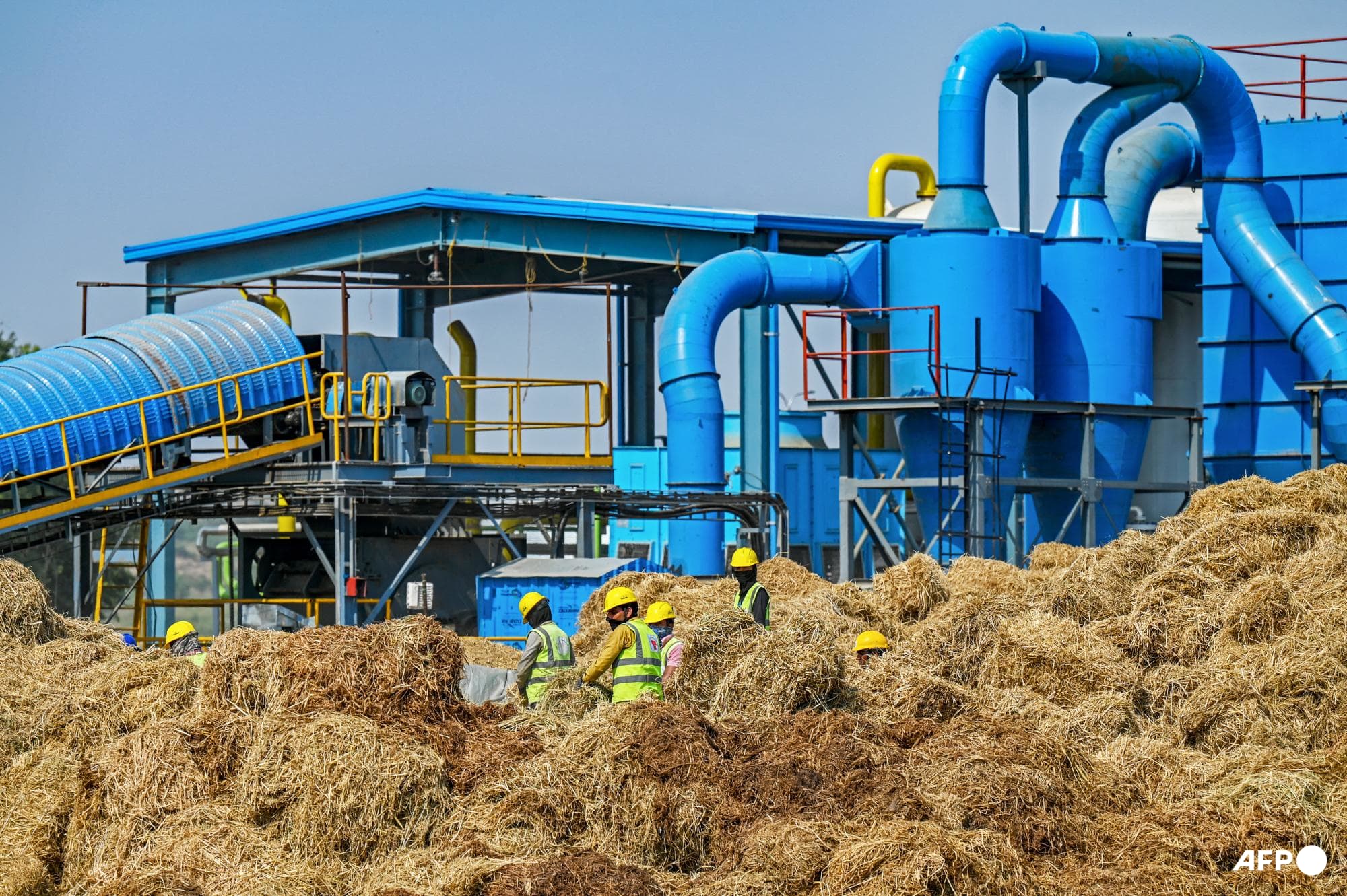
Crisil’s Thakkar said the supply chain for biogas remains highly fragmented and unorganised.
Biogas plants need predictable supplies of feedstock; plant-based biogas relies on crop yields and biogas content varies depending on the type of waste processed.
“Unless there is a proper channel to manage feedstock supply, it will be challenging to scale. Replicating the fuel network across the country will require consistent availability of feedstock,” he said.
Existing projects illustrate the scale of the problem. According to local news publication Down To Earth’s report on Jul 6, some government-supported community biogas plants operate at only 10 to 50 per cent of capacity because of feedstock shortages, leaving gas revenue insufficient to cover operating costs.
Distribution adds another expense. Biogas plants are not connected to fuel stations by pipelines, so the gas must be compressed into cylinder cascades and transported by truck.
The farther a plant is from a CNG station, the more transportation costs weaken its margins, the Down to Earth report added.
At the same time, India’s CNG landscape faces practical hurdles that could limit wider adoption, analysts noted.
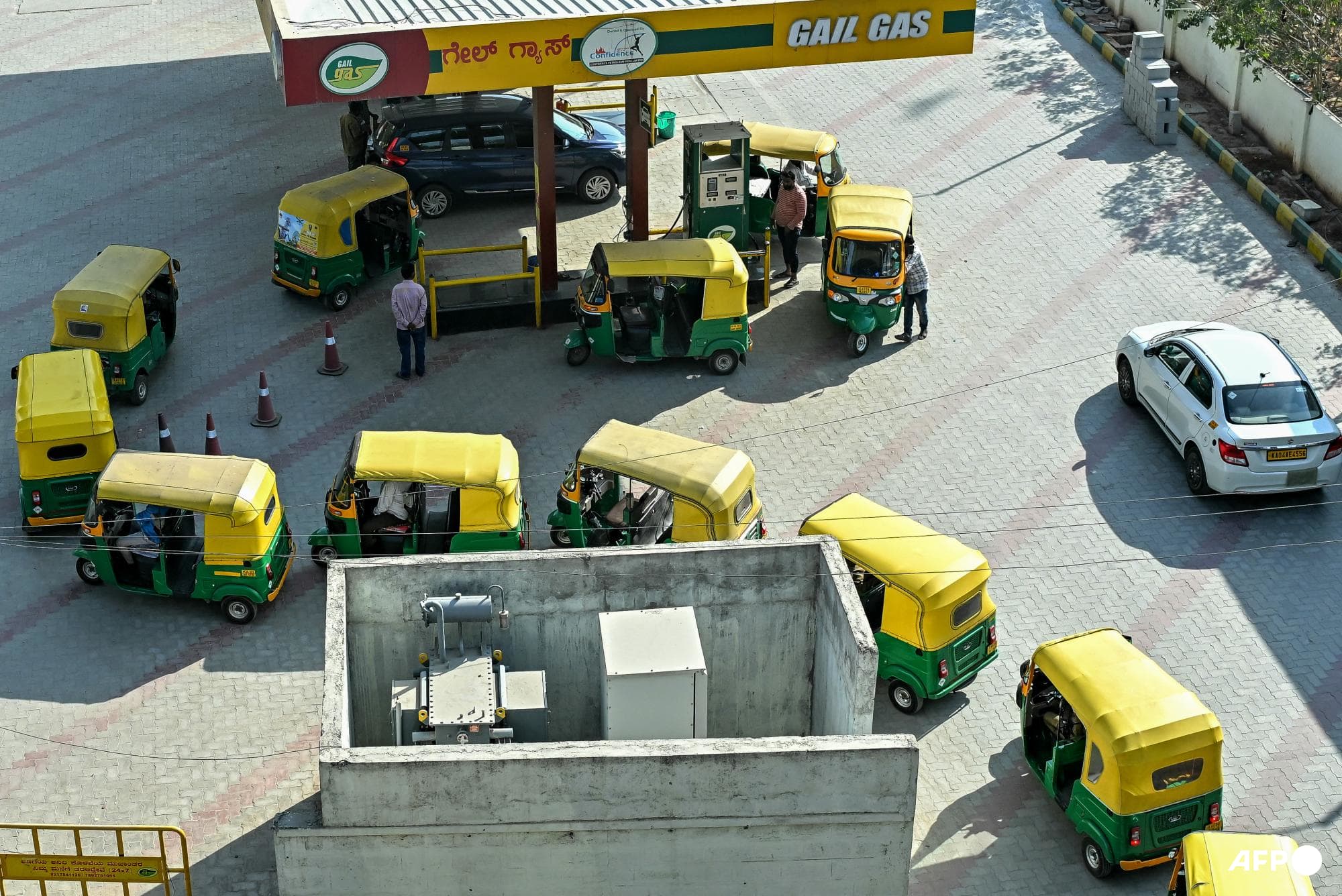
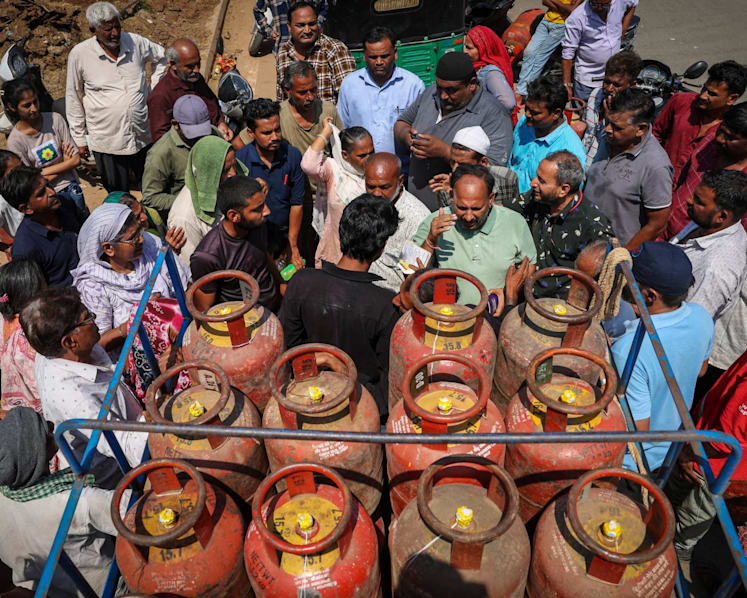
CNG stations remain unevenly distributed outside major cities, forcing drivers to plan routes around fuel availability and sometimes wait in long queues.
“When you go to smaller cities, it limits mobility. If you are driving a CNG vehicle, the fear comes into your mind: ‘Will I find a CNG station there or not?’ That is not the case with petrol or diesel,” Rajesh Sharma, a senior industry leader and automotive expert, told CNA.
A MODEL BEYOND INDIA?
Suzuki is at the forefront of Japan’s biogas efforts in India.
It remains the only Japanese carmaker to place CNG and compressed biogas at the centre of its Indian operations. It now sells 15 CNG models, including a light commercial vehicle.
Maruti Suzuki sold 220,000 CNG vehicles in the first quarter of financial year 2026-27 and aims to sell four times that number over the full year. If successful, its annual CNG sales would rise by nearly 30 per cent.
Toyota, by comparison, offers four CNG models, while Nissan provides government-approved CNG retrofit kits through its dealerships.
Among local and foreign rivals, Tata Motors offers four CNG variants and Hyundai three, while Renault and Kia offer retrofit kits.
The commercial logic is particularly strong for Maruti Suzuki. It holds an estimated 70 per cent of India’s CNG car market, so greater supplies of renewable gas could support a segment in which it already sells hundreds of thousands of vehicles, analysts said.
By the 2029-30 financial year, Suzuki expects CNG and compressed-biogas vehicles to account for 35 per cent of its Indian sales, compared with 25 per cent for hybrids and 15 per cent for EVs, according to its 2024 sustainability report.
Suzuki is developing two related but distinct biogas businesses in India.
The first produces compressed biogas for vehicles and organic fertiliser for farms. Through its Indian research and development subsidiary, Suzuki has opened two plants with Banas Dairy in Gujarat since December 2025 and plans to build eight more across India, the company said in a statement on Jul 2.
Suzuki has not disclosed its total investment in the 10 projects. It previously said the first four plants being developed with Banas Dairy would require a combined investment of 2.3 billion rupees.
The second part of the strategy uses biogas in Suzuki’s Indian factories. Maruti Suzuki has built a plant in Manesar, Haryana, that converts food and agricultural waste into gas for canteen operations and industrial heating.
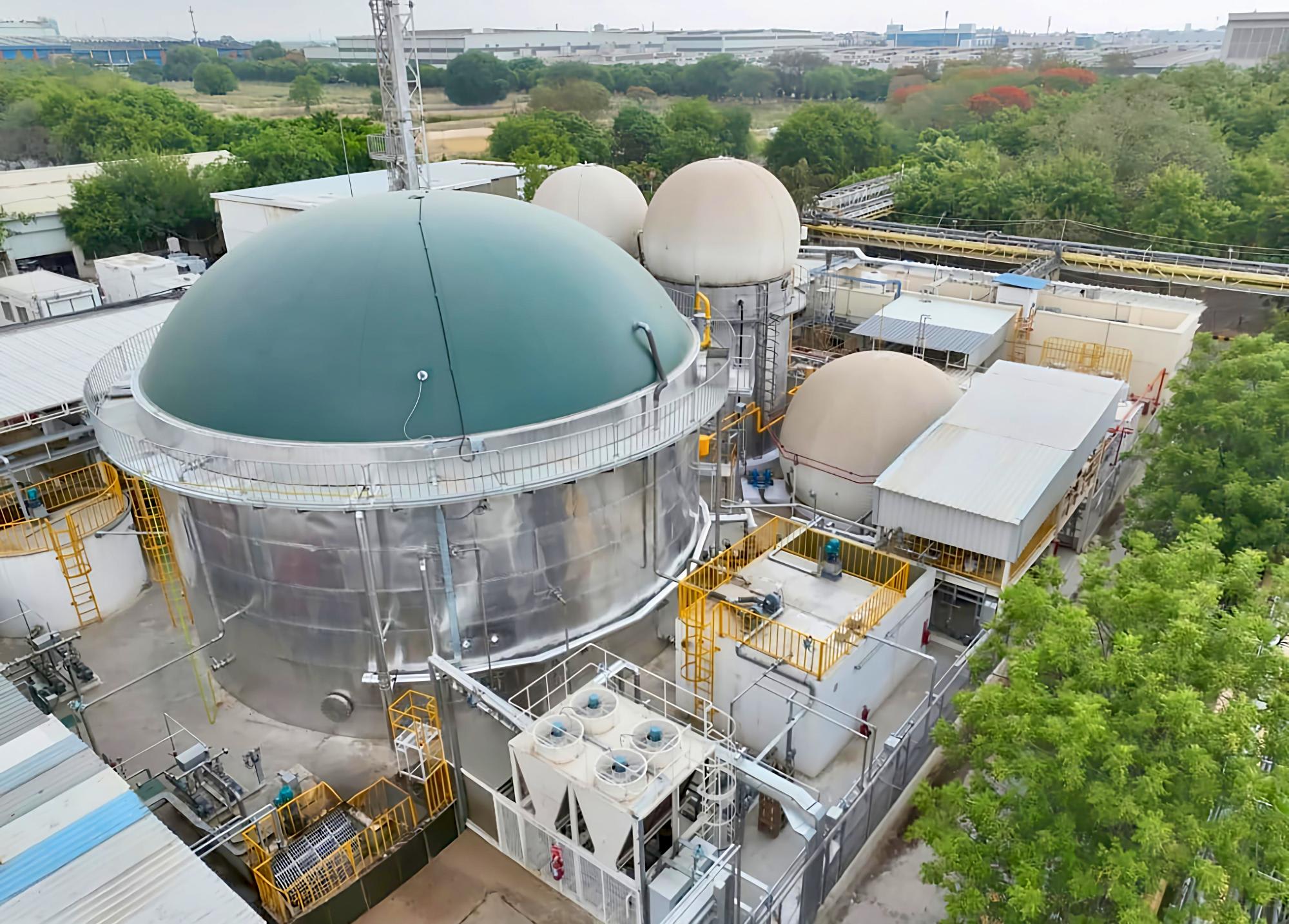
A much larger facility capable of producing 10 tonnes of biogas a day is being built in Kharkhoda, Haryana. It is expected to supply about 20 per cent of the factory’s gas needs when it begins operating in the current financial year.
Together, the projects allow Suzuki to generate value at several points: selling CNG vehicles, producing and marketing its own fuel, and generating fertiliser for nearby farming communities. The company has not disclosed the expected financial returns from the projects.
In its 2024 sustainability report, Suzuki described the initiative as a model that could eventually be replicated in other dairy- and agriculture-intensive markets, including the Association of Southeast Asian Nations (ASEAN), Africa and Japan.
Its 2030 biogas strategy treats India as both a core market and a base for expansion into emerging economies.
Thailand, Indonesia and Malaysia have large agricultural sectors and established Japanese automotive supply chains, analysts said. Parts of Africa also have substantial livestock and biomass resources that could support a similar strategy.
Analysts said the Indian model is not yet proven enough to be treated as a template for other markets, and its ability to travel will depend heavily on local conditions.
Counterpoint Research’s Abhilash said it was “too early to say for sure” and that “you can’t call a model ready to copy elsewhere before it’s proven at home.”
He said three factors would need to align elsewhere: cheap and easily collected waste, an existing base of CNG vehicles and strong government support.
“The waste-collection piece, organised the way Gujarat’s dairy cooperatives do it, is still largely missing outside India. So expect this to stay small and slow to copy, even in countries where CNG demand is growing fast.”
Mobility Global’s Puneet similarly argued that the economics make most sense in countries where CNG infrastructure is already built at scale, rather than in markets that would have to build an entirely new gas-refuelling network.
Biogas would also have to remain cheaper for consumers than competing fuels, he added.
“In many other markets, EV technology has become very cheap, particularly with Chinese companies investing and producing locally. Thailand, for example, is welcoming Chinese investment,” Puneet said.
“In those markets, building a new CNG ecosystem may not be cost-effective compared with EVs.”
Analysts said experience elsewhere illustrates those constraints. Thailand has the CNG infrastructure, but the market contracted after subsidies were reduced. Indonesia has substantial palm-oil waste that could potentially be converted into biogas, but adoption remains limited.
At the same time, Egypt and Nigeria show that governments can rapidly create large CNG-vehicle markets, they noted. Egypt has more than 500,000 CNG vehicles, while Nigeria has converted more than 100,000 vehicles since 2023 – but both rely primarily on conventional natural gas extracted from the ground rather than biogas from farm waste.
Even before that, much also rests on whether the India-Japan partnership can deliver on its own targets – a point met with scepticism by analysts.
“A thousand plants is a big number against where India stands today,” said Abhilash from Counterpoint Research, referring to the goal of establishing that number of biogas plants across India by 2030.
“India’s government-led biogas programme has delivered a small fraction of its original plant target since 2018,” he noted.
“How quickly new plants are actually built over the next two to three years will say more about this initiative than the number announced.”
Source: CNA/cf(ws)
Sign up for our newsletters

Get the CNA app
Stay updated with notifications for breaking news and our best stories
Get WhatsApp alerts
Join our channel for the top reads for the day on your preferred chat app

Get bite-sized news via a new
cards interface. Give it a try.
Click here to return to FAST
Tap here to return to FAST
FAST
About The Author