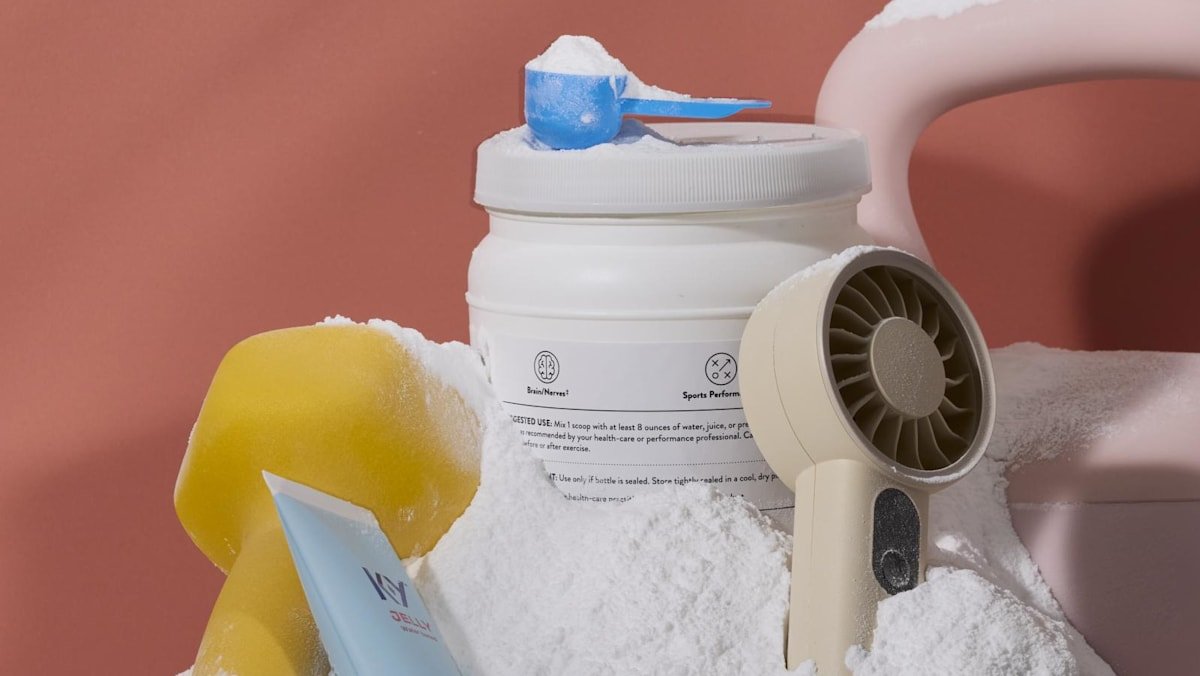
Can creatine really help with menopause? What women should know
Influencers are promoting the supplement, long popular among athletes, for help with midlife muscle loss and memory.
(Photo: The New York Times)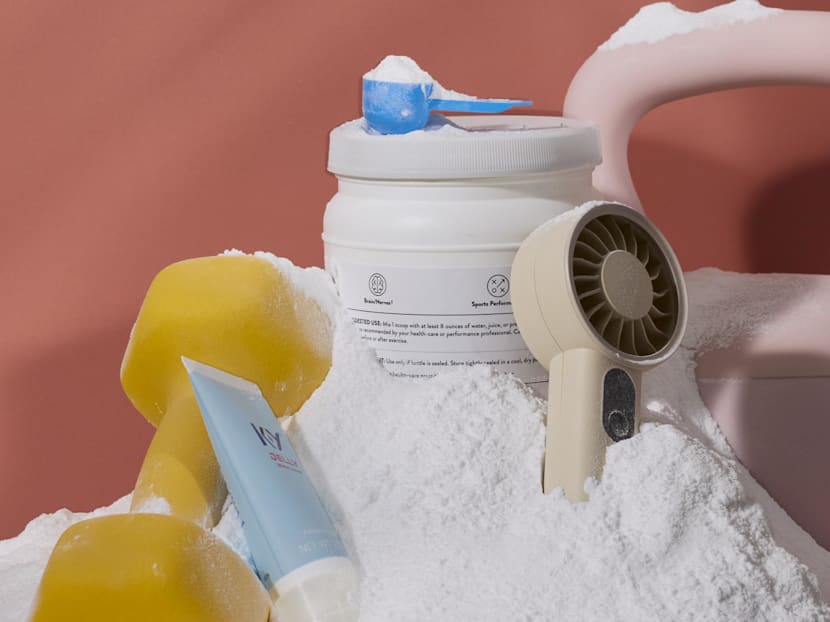
Read a summary of this article on FAST.
Get bite-sized news via a new
cards interface. Give it a try.
Click here to return to FAST
Tap here to return to FAST
FAST
If you follow people on social media who talk about menopause, chances are you’ve seen discussions of creatine, which has long been popular among athletes and body builders. It is one of a slew of supplements advertised to address the disruptive symptoms and health risks that can come with the menopausal transition, from hot flashes to urinary tract infections.
Creatine is a compound that the body produces naturally and stores mostly in muscles, which then use it to generate energy. Most people also consume creatine through meat and seafood.
The main argument menopause influencers make for it is straightforward. Oestrogen levels decline during perimenopause, which generally leads to less muscle mass. Doctors routinely urge women to do strength training to combat that muscle loss, and supporters of creatine supplements say they could help increase the effectiveness of strength training and improve women’s health as they age.
Some influencers also claim that creatine can improve memory and mood, two things many women struggle with during and after perimenopause.
Creatine, specifically a form called creatine monohydrate, has been studied more extensively than other supplements, which tend not to have good evidence that they help with menopausal symptoms. Creatine is generally safe, and studies have found it can modestly increase muscle mass and exercise performance for some people.
But we don’t have a full picture of how it might work in menopausal women, several experts said. Here’s what to know about it.
DOES IT INCREASE MUSCLE MASS?
There is evidence, including from randomised controlled trials, that creatine supplements can help with muscle mass and performance. These benefits may be most useful for competitive athletes, where even a small improvement can be meaningful.
However, most studies of the effects of creatine have focused on men, and some research that has included women suggests that men may see greater benefits. So the evidence we have cannot necessarily be extrapolated to women, experts said.
Some studies that have focused on women had other limitations. For example, a study published last year found “significant increases in lower body strength across peri- and postmenopausal participants” who used creatine, but it included only 15 subjects. A paper published in 2021 concluded that creatine could help with strength and exercise performance, but the studies it cited were of mixed quality, and two of the authors disclosed that they had served as scientific advisers to a company that makes creatine supplements.
A meta-analysis published last year found that creatine improved muscle strength in the general population, but because of insufficient data, the analysis reached no conclusion on creatine’s effects in middle age, and it noted the “gender bias” of the available evidence.
The data on creatine’s effects in women “is actually quite weak,” said Dr Pelin Batur, medical director of the Women’s Comprehensive Health and Research Center at the Cleveland Clinic.
Dr Nanette Santoro, a professor of obstetrics and gynaecology at the University of Colorado School of Medicine who studies menopause, agreed. “We are far from having the appropriate studies done in women to recommend it,” she said.
However, Bonnie Jortberg, a registered dietitian and associate professor of family medicine at the University of Colorado School of Medicine, said she felt the evidence was strong enough to support its use. She said she didn’t endorse most supplements, but found the 2021 paper and its citations persuasive in concluding that creatine could help women combat menopause-related muscle loss.
Crucially, Jortberg said, it must be coupled with resistance training to have an effect on muscle mass.
WHAT ABOUT COGNITION?
Less research has been published on this question, and some studies have the same limitations:small sample sizes, conflicts of interest and disproportionate focus on men.
There are studies indicating that creatine can help with memory, Jortberg said, perhaps by improving energy metabolism in the brain. Other, limited research suggests it might help with mood.
But this is not definitive, Batur said, and she described the potential benefits as “very small.”
IS IT SAFE?
Whether or not it is effective, several experts said creatine was generally safe, beyond potentially uncomfortable side effects like an upset stomach or water retention. (People with kidney disease should not take creatine without consulting a doctor.)
Batur and Santoro said that while they didn’t endorse creatine supplements based on the clinical evidence, they wouldn’t necessarily try to dissuade a healthy patient who felt strongly about trying them for muscle mass or cognitive symptoms.
“Creatine is pretty low cost and low harm,” Santoro said. “Do I know for sure it doesn’t work? I don’t. Is it going to hurt my patient? It probably won’t.”
People who do choose to take creatine for menopausal symptoms should not take more than 5g a day, Jortberg said. Your muscles can only store so much of it, and taking higher doses can increase the risk of side effects.
And all supplements come with the risk of contamination or inconsistent dosing. Some third-party organisations, including USP and NSF, inspect and certify supplements, so choosing a brand with one of those certifications can reduce those risks.
Creatine has “gained a lot of momentum just through the power of social media,” Santoro said, but more research is needed on its effects in menopausal women. When evaluating scientific evidence, she said, “you want to see hundreds to thousands of people” involved in the studies, “and you want to see that replicated.”
By Maggie Astor © The New York Times Company
The article originally appeared in The New York Times.
Source: New York Times/mm
RECOMMENDED
Get bite-sized news via a new
cards interface. Give it a try.
Click here to return to FAST
Tap here to return to FAST
FAST