https://p.dw.com/p/5Pra2Prefer DW on Google
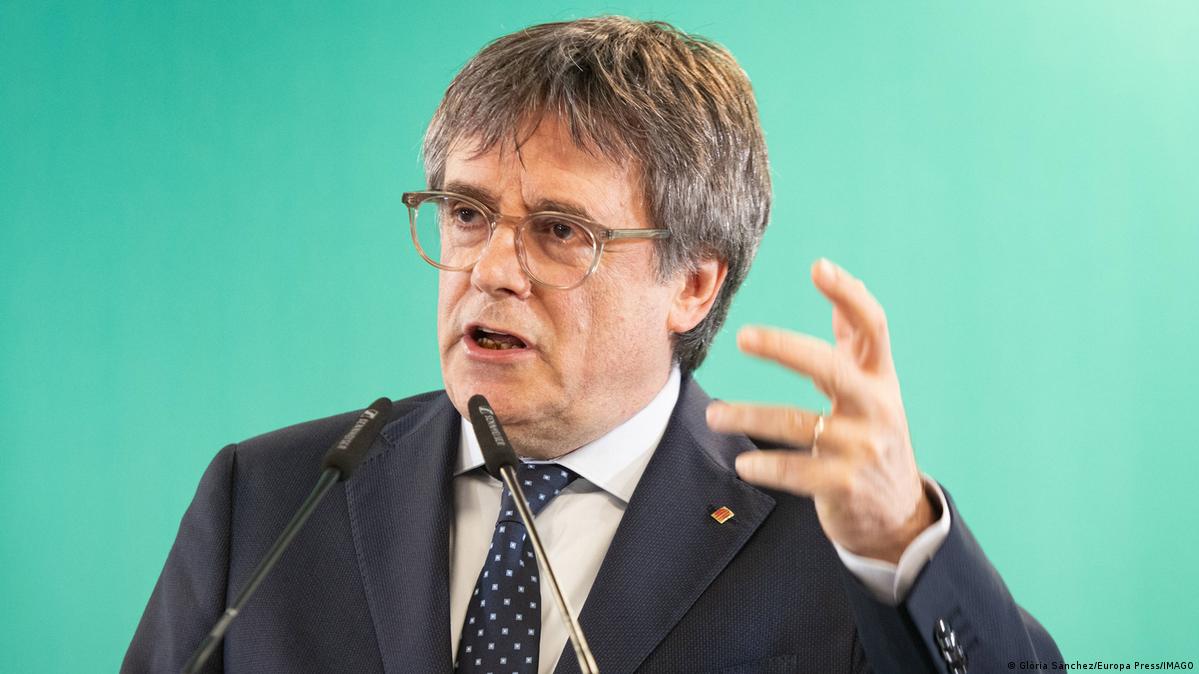
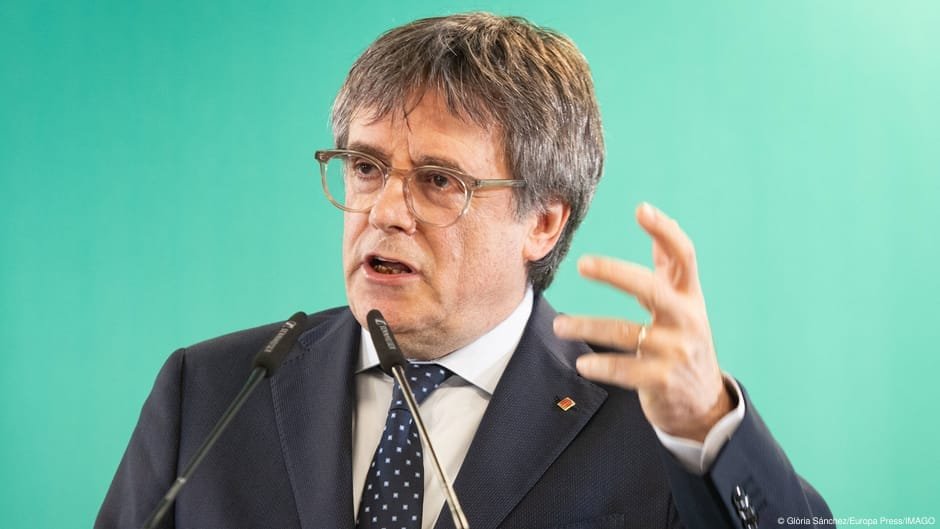
Catalan separatist leader Carles Puigdemont said he would return to Spain on December 12, nearly a decade after fleeing the country following a failed independence bid.
The announcement comes just days after Spain’s Supreme Court closed criminal proceedings against him under a controversial amnesty law, removing the last legal obstacle to his return.
Speaking at a televised news conference in Brussels, Puigdemont said he would return to the Catalan parliament in Barcelona.
“I left as President of the Government of Catalonia, and I will return to the place where Catalan democracy elects or dismisses its presidents: the Parliament of Catalonia. I will do so on Saturday, 12 December, at midday, and that very night I will be able to sleep at home, with my family,” he said.
Puigdemont also announced plans to present a proposal for a renewed push for independence of Catalonia on December 17.
Who is Carles Puigdemont?
Puigdemont is a former president of Catalonia, a wealthy region in northeastern Spain with its own language, culture and a strong independence movement.
He led Catalonia’s regional government in October 2017 when it organized a referendum on independence from Spain that Spanish courts had declared illegal.
The vote and the subsequent failed attempt to break away from Spain triggered the country’s worst political crisis in decades, deepening tensions between the central government in Madrid and Catalan separatists.
Puigdemont fled to Belgium that same month to avoid arrest and has lived in self-imposed exile ever since.
His “Junts per Catalunya” party remains an important force in Spanish politics and played a key role in securing the parliamentary support needed for Socialist Prime Minister Pedro Sanchez to remain in power in 2023.
Why has Puigdemont now been cleared to return to Spain?
Spain’s Supreme Court on Monday shelved the criminal case against Puigdemont after applying an amnesty law passed by parliament in 2024.
In a ruling dated November 20, the court determined that the amnesty had extinguished any potential criminal liability for Puigdemont and two other separatist figures.
The decision followed a Constitutional Court ruling in October that extended the amnesty to cover embezzlement allegations linked to Catalonia’s independence bid.
The Supreme Court had initially ruled that the law did not apply to those investigated for embezzlement, including Puigdemont.
Following the Constitutional Court’s intervention, the Supreme Court lifted the arrest warrant against him. Monday’s decision to close the criminal proceedings completed the legal process, allowing him to return without facing detention over the 2017 case.
Why is Spain’s Catalan amnesty law controversial?
The amnesty was a key concession by Sanchez to Catalan separatist parties, including Puigdemont’s Junts, in exchange for their support following Spain’s inconclusive 2023 general election.
The agreement allowed Sanchez to secure another term as prime minister but sparked strong opposition from conservative parties and critics who accused him of putting his political survival ahead of Spain’s interests.
The conservative Popular Party (PP) and far-right Vox opposed the legislation and unsuccessfully challenged it in parliament and the courts.
The controversy intensified after Puigdemont said in a recent interview with Spanish newspaper El Mundo that his party had exploited Sanchez’s ambition to secure concessions for Catalonia.
“We had to test how far we could go,” Puigdemont said, calling Sanchez “an amoral person with an excessive thirst for power”.
“We have exploited this excessive ambition for power to inflict certain defeats on Spain that we would otherwise not have been able to bring about.”
His remarks became a flashpoint in the campaign ahead of Spain’s snap general election on November 29.
Polls suggest the Popular Party is likely to win the most seats but fall short of an outright majority, potentially leaving it dependent on Vox to form a government.