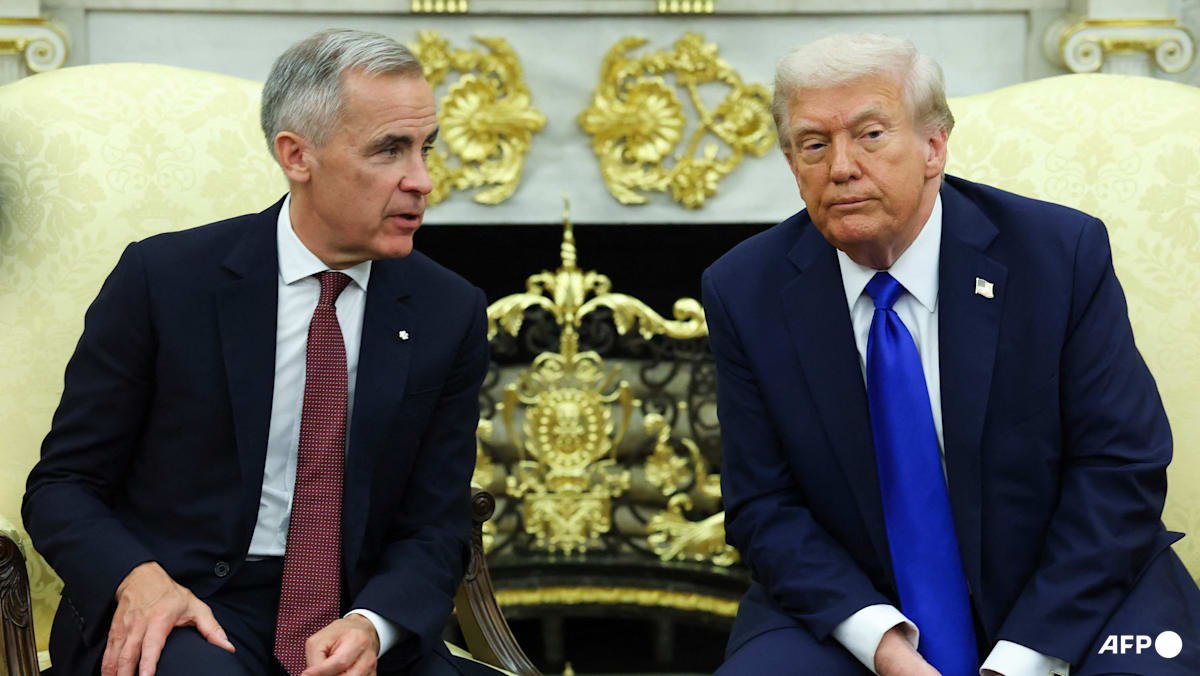
Commentary: Canada is testing the limits of saying no to Donald Trump
Canada is betting that it can turn economic pain into political pressure on the American president ahead of the midterm elections, says Kevin Chen from the S Rajaratnam School of International Studies.
New: You can now listen to articles.

This audio is generated by an AI tool.

Read a summary of this article on FAST.
Get bite-sized news via a new
cards interface. Give it a try.
Click here to return to FAST
Tap here to return to FAST
FAST
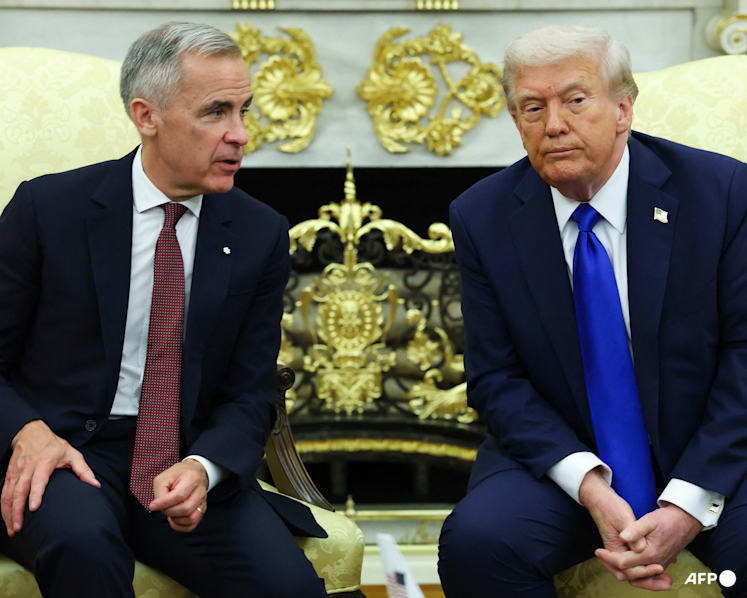
SINGAPORE: Canada and the United States are staring down the barrel of a protracted trade war. After talks collapsed on Aug 22, US President Donald Trump’s government imposed 50 per cent tariffs on US$27.6 billion of Canadian goods while Canadian Prime Minister Mark Carney announced dollar-for-dollar retaliatory tariffs.
Mr Trump responded with fury on social media: Canada had been “ripping off the US for years” and was “among the worst nations in the world to deal with”. Days later, he ordered Lake Ontario to be renamed “Lake America”.
It seems unthinkable for the two economically and culturally intertwined neighbours to be at such loggerheads. In 2025 alone, 72 per cent of Canada’s goods exports went to the US, while Canada is America’s second-largest trade partner.
At the core of Mr Trump’s antagonism is a simple maxim: “We don’t need Canada, they need us.”

Guess Word
Crack the word, one row at a time

Buzzword
Create words using the given letters

Mini Sudoku
Tiny puzzle, mighty brain teaser

Mini Crossword
Small grid, big challenge

Word Search
Spot as many words as you can
WHY CANADA HAS ATTRACTED SUCH HOSTILITY
Two words that keep resurfacing in US statements help explain this clash: fairness and gratitude.
In a nutshell, the Trump White House believes other countries have unfairly taken advantage of the US, forcing it into trade deficits and to shoulder the defence burden for its alliance network. This comes with an expectation that such countries should feel indebted to the US and show gratitude, whether it concerns attempts to acquire Greenland, tariffs or even to make Canada its 51st state.
But now Canada has dared to push back. It was one of only two countries to carry out retaliatory tariff threats in 2025, despite Washington’s warning against “escalation”.
Canadian resistance goes against more than the tariffs: Washington did not take well to Mr Carney publicly challenging economic coercion at the World Economic Forum in Davos in January. He did not name the United States. He didn’t need to.
Mr Trump replied anyway, ominously warned that “Canada lives because of the United States”, demanding that Canada “be grateful”. Canada’s strategic partnership with China prompted further threats of 100 per cent tariffs if Ottawa made a full deal with Beijing.
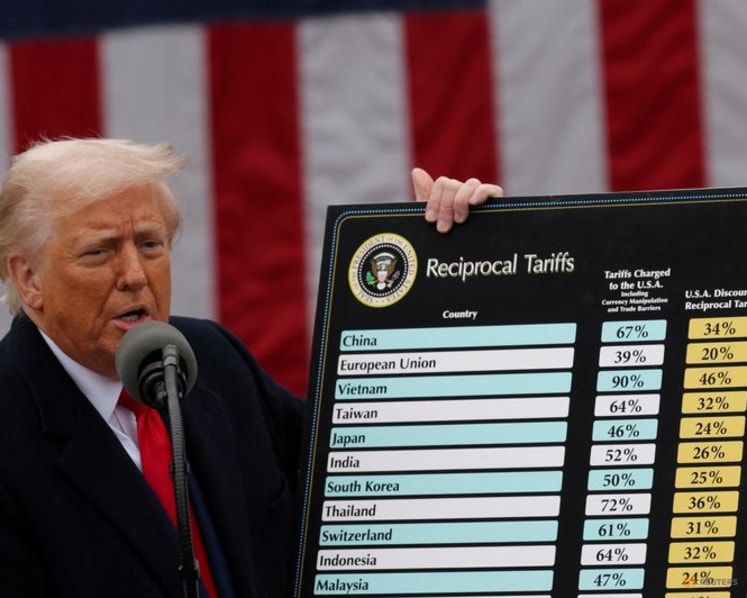
Granted, tensions do not instantly break a relationship. Mr Carney was still speaking with US business leaders on boosting ties three months ago. Before talks were called off, Mr Trump even extended the tariff deadline by three days, keen on reaching a deal. The economic and political stakes for both countries were too significant to ignore.
What tensions do, however, is lower the appetite to deal with challenges. Both blamed the other for issuing last-minute demands, with Canadian officials believing that the deal was an unacceptable threat to sovereignty when they chose to walk away.
TRANSACTIONALISM ACROSS ISSUES
This cycle of expecting compliance and gratitude is at the heart of Mr Trump’s transactional approach to foreign policy. In fact, the Trump administration is not only applying it to trade, but to other aspects of its relationship with other countries.
Consider the case of South Korea. The country was hailed by US officials as a “model ally” for committing to spending 3.5 percent of its gross domestic product on defence in late 2025. South Korea even committed US$350 billion in investments in US-owned industries as part of a trade deal to lower tariff rates.
This, however, was not enough to permanently secure Mr Trump’s favour. Frustration had been brewing the Trump administration for months over the slow pace of Seoul’s US$350 billion investment pledge. In mid-August, he unilaterally cut short the annual Ulchi Freedom Shield Exercises, describing it as an issue of “fairness” at an apparently unthankful South Korea for refusing to even “give [him] a little hand” with Iran.
One could even argue that South Korea is fortunate. Mr Trump has twice threatened to bomb Oman, a longstanding US ally, because he was ostensibly upset with how the country was conducting talks with Iran behind his back.
The flipside to these demands is that Mr Trump sometimes extends olive branches to American rivals, ostensibly hoping that they might reciprocate. For example, he cited his “good relationship” with North Korean leader Kim Jong Un as a factor behind his decision to cut short Ulchi Freedom Shield, describing the exercises as “costly” and inappropriate.
His offer was left hanging, with the regime dismissing the reduction in joint exercises as “not worth making comments on.”
CANADA’S BET ON NOVEMBER MIDTERMS
Some countries have learned to utilise Mr Trump’s transactional approach for their own ends.
The other country that retaliated against Mr Trump’s tariffs was, of course, China. Chinese President Xi Jinping is due to visit Washington later this month.
China has managed to brandish sticks (potential retaliation via export controls on rare earths, import bans and counter-tariffs) and offer carrots such as new bulk purchases of American goods.
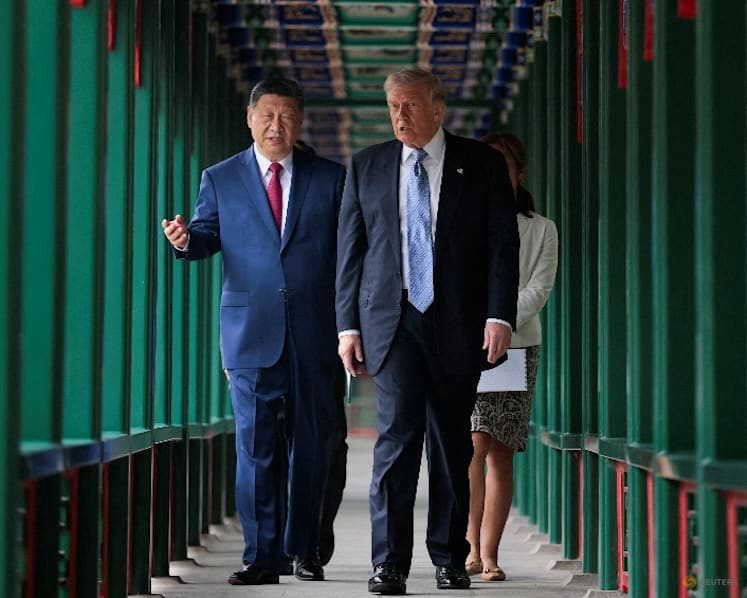
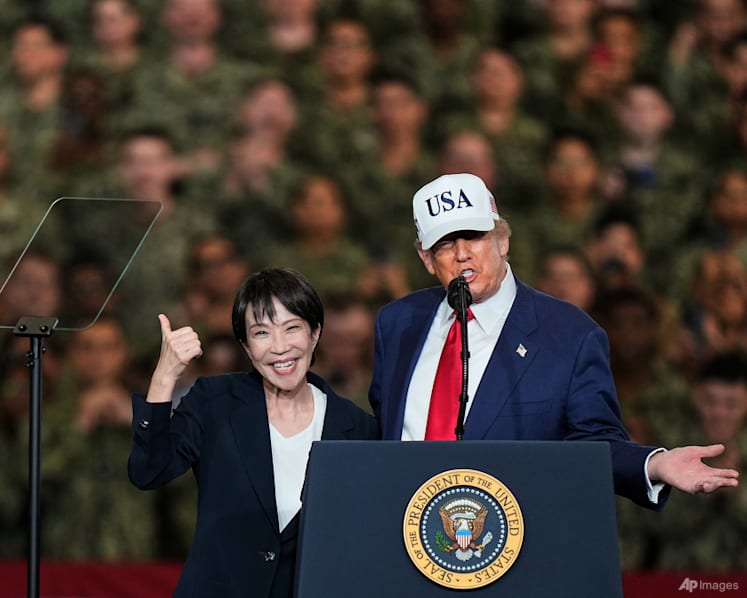
Canada is now attempting its own approach. But without rare earths or other chokepoints, it is looking at other opportunities to turn targeted economic pain into disproportionate political pressure on the Mr Trump.
With the midterm elections now weeks away, Canada is calibrating its retaliation to target politically important states for the November polls. It is betting that a counter-tariff campaign focused on states that could determine control of the Senate, such as Michigan and Maine, will force Mr Trump to offer a better deal before November.
However, this strategy has its risks. Even if Canada can secure concessions before the midterms, a vengeful Mr Trump could easily restart this conflict next year. As Mr Carney noted, America’s signature is “written in pencil” and prone to changes.
It is also less clear whether Canada can successfully diversify from the US in the long term. Despite a goal to double its non-US exports over the next decade, Canadian auto makers are deeply intertwined with American supply chains and cannot easily pivot away. Though both sides are expected to face economic pain, Canada will suffer disproportionately.
The question now is who blinks first. But looking further afield, a bigger question is whether standing up to Mr Trump in such a public manner is worthwhile.
Kevin Chen is an Associate Research Fellow with the US Programme at the S Rajaratnam School of International Studies (RSIS), Nanyang Technological University (NTU), Singapore. He writes a monthly column for CNA, published every first Friday.
Source: CNA/ch
Sign up for our newsletters

Get the CNA app
Stay updated with notifications for breaking news and our best stories
Get WhatsApp alerts
Join our channel for the top reads for the day on your preferred chat app

Get bite-sized news via a new
cards interface. Give it a try.
Click here to return to FAST
Tap here to return to FAST
FAST