Discovering Chengdu through whisky, Sichuan cuisine, lacquerware and pandas
From a malt whisky distillery near Mount Emei to refined Sichuan cooking, traditional lacquerware and panda conservation, a trip through Chengdu and its surrounds reveals the craftsmanship shaping this corner of China.
Across Chengdu and its surrounds, a culture of craftsmanship can be found in whisky-making, Sichuan cuisine, traditional lacquerware and panda conservation. (Photos: Toh Ee Ming)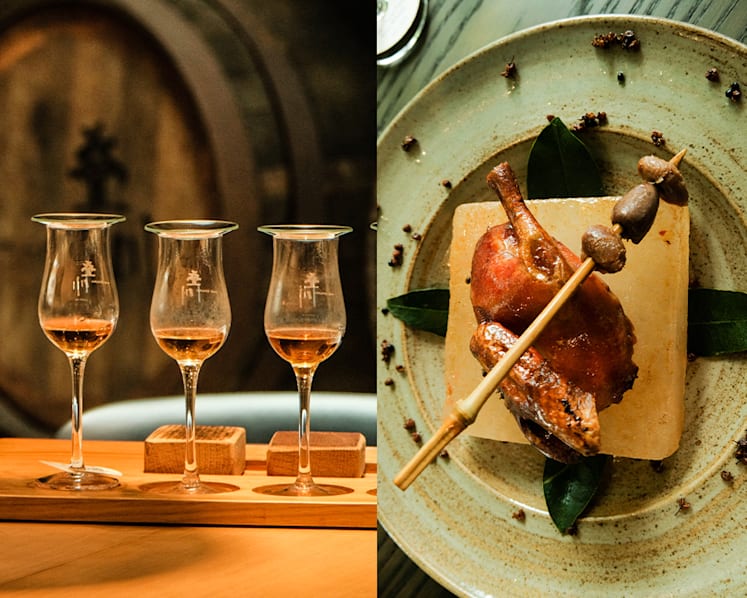
New: You can now listen to articles.

This audio is generated by an AI tool.

By
Read a summary of this article on FAST.
Get bite-sized news via a new
cards interface. Give it a try.
Click here to return to FAST
Tap here to return to FAST
FAST
Chengdu has long been synonymous with pandas and hotpot. But over a few days, I found myself drawn instead to another side of the city and its surrounds: a whisky distillery at the foot of Mount Emei, a lacquer workshop preserving centuries-old techniques and chefs elevating Sichuan cuisine through painstaking attention to ingredients and craft. Together, they revealed how craftsmanship runs through this part of Sichuan, from what people eat and drink to the traditions they are working to preserve.
INSIDE PERNOD RICARD’S FIRST MALT WHISKY DISTILLERY IN CHINA
A two-hour drive from Chengdu, where the city’s sprawl gives way to green foothills, The Chuan Malt Whisky Distillery sits at the foot of Mount Emei, one of China’s four sacred Buddhist mountains. Established by Pernod Ricard, it is the first fully operational malt whisky distillery in China established by an international spirits and wine group.
The setting immediately establishes the mood. Designed by Shanghai-based architecture and design practice Neri&Hu, the distillery sits beside a meandering creek and terraced fields beneath Mount Emei. Its design draws on the Chinese concept of shan shui, or mountain-water landscapes, expressing the relationship between architecture and the natural environment.
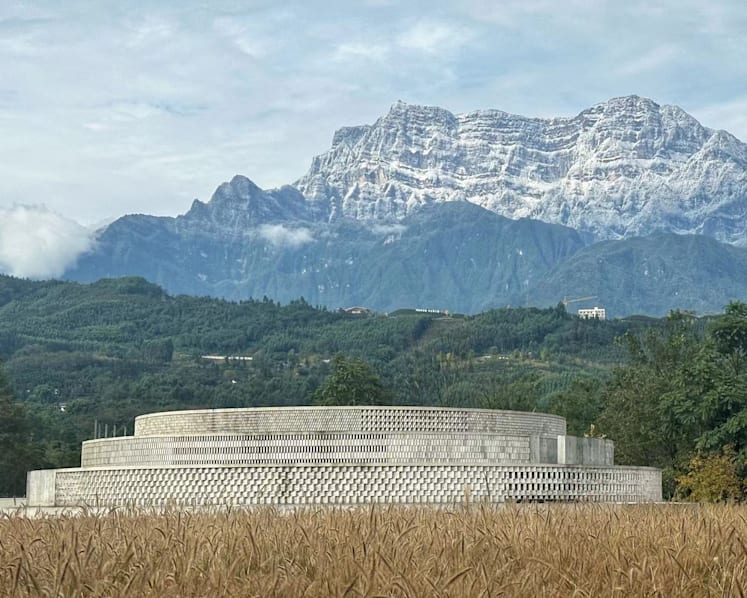
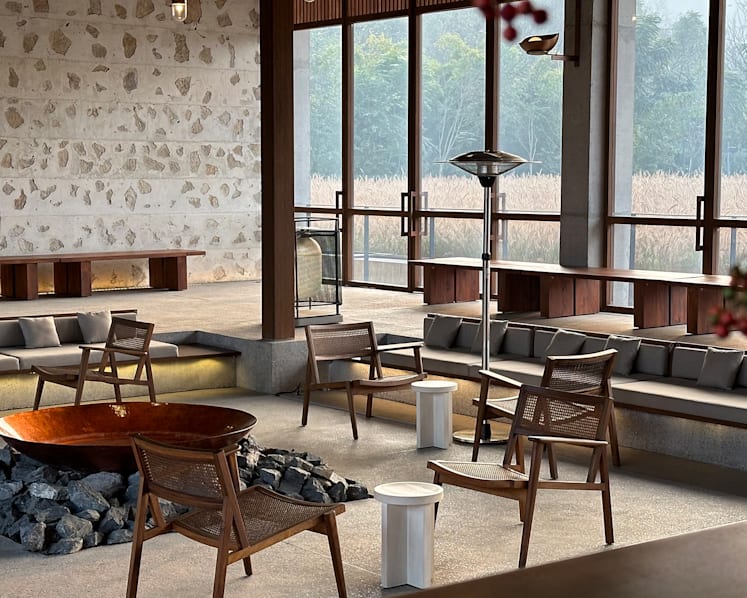
Three long buildings, roofed with reclaimed clay tiles and supported by a modern concrete post-and-beam structure, reinterpret traditional Chinese architecture. Nearby, contemporary artist Zhan Wang’s Fractal Structure – Infinite Shan Shui sculptures set a contemplative tone before visitors even step inside.
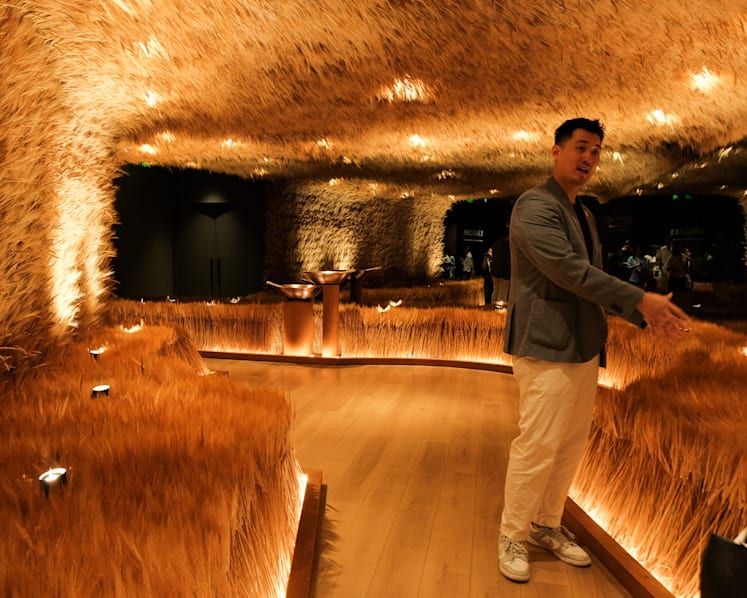
That sense of calm carried through the experience. Brand ambassador Allen Zou led us on a sensory journey through the making of what the distillery calls an Eastern-style whisky. An immersive installation traced the water flowing from Mount Emei to the distillery, while another room was filled with Chinese and European barley stalks. In the next, we were introduced to its guiding philosophy: “Flavour over yield is our unwavering principle of craftsmanship.” From there, we followed the whisky through malting, mashing, fermentation, double distillation and maturation.
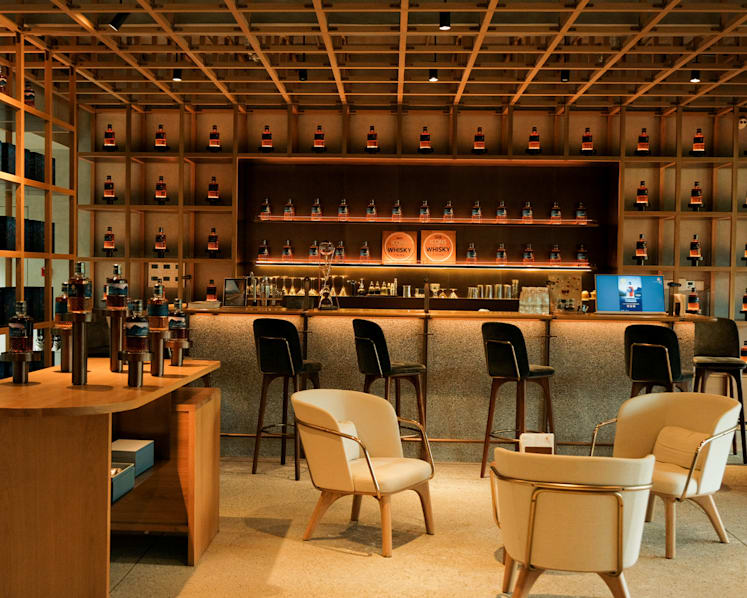
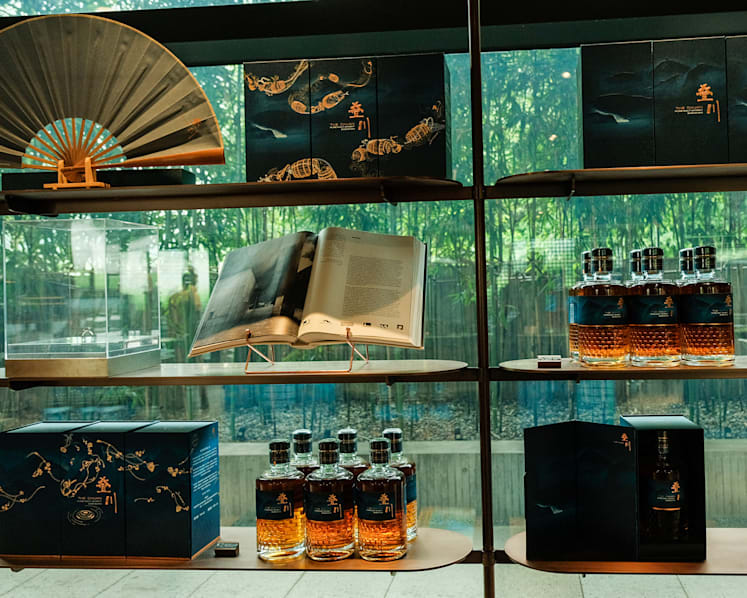
The maturation stage is where The Chuan makes its strongest case for a distinctly Chinese whisky identity. At an outdoor salon, visitors can run their hands over the different woods used for its casks as Zou explains how each shapes the spirit’s character. American bourbon casks contribute vanilla and fruit notes, while Spanish sherry casks bring sweetness and body. But its signature comes from its proprietary Chinese Single Oak casks, made with limited quantities of timber sourced from the protected Changbai Mountain region in northeastern China. The wood imparts notes of sandalwood and mandarin peel before the whiskies are brought together in the final expression.

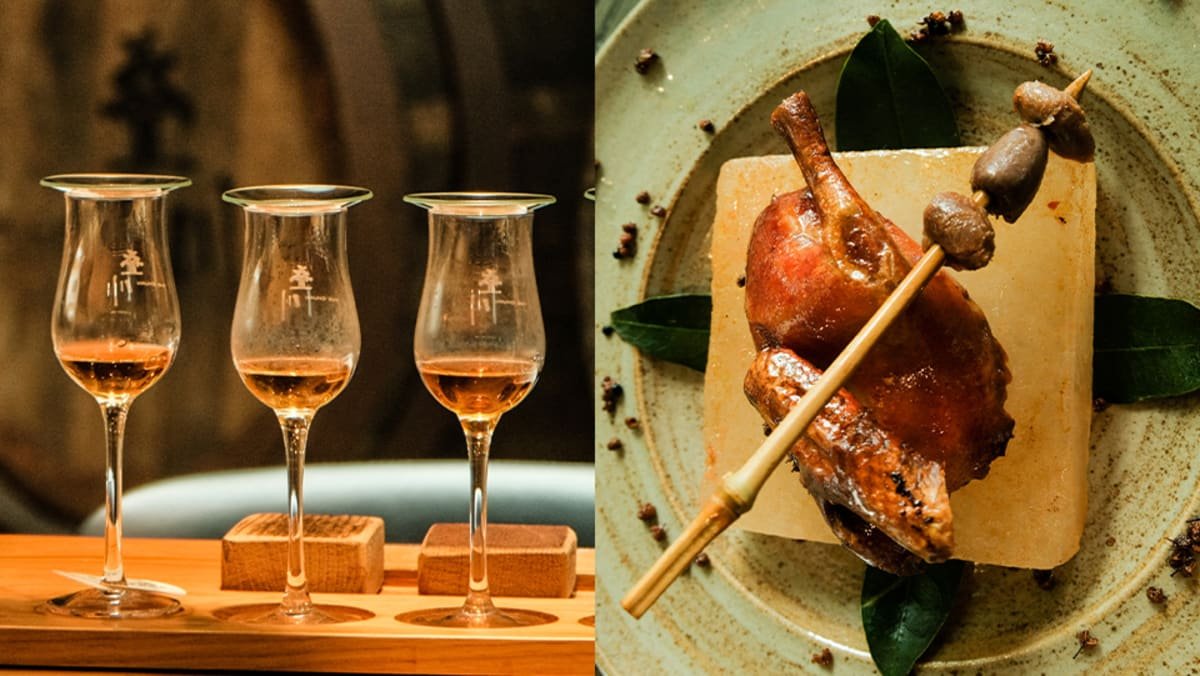
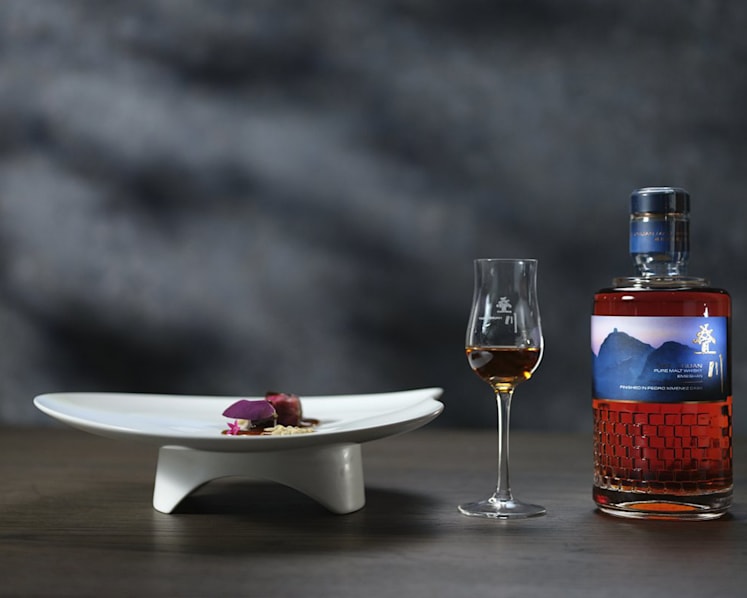
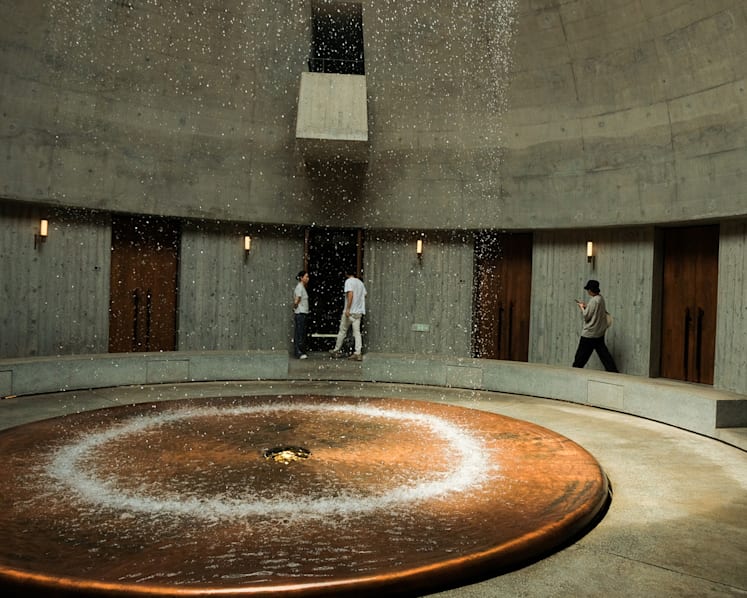
Tasting flights take place in The Circle, a partially underground space centred on a domed courtyard with a cascading water feature. Sampling the three cask-matured whiskies alongside the final blend, its intention became clear to me: not to imitate Scotch or Japanese whisky, but to create a flavour profile rooted in the Chinese landscape and an ideal of harmony. That ambition extends beyond The Chuan. China’s burgeoning whisky industry now comprises nearly 100 distilleries across provinces including Yunnan, Guizhou, Sichuan, Shandong and Zhejiang, according to Chinese state media. The next challenge is convincing international drinkers that Chinese whisky deserves a place alongside more established styles.
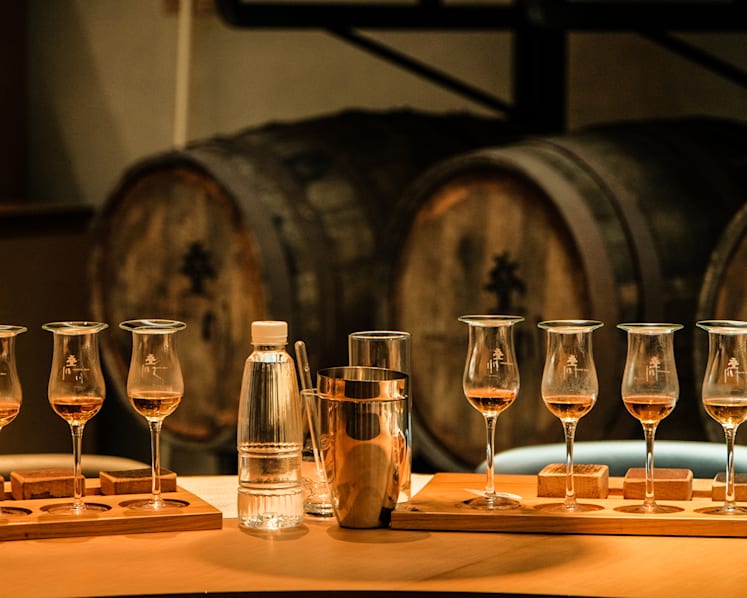
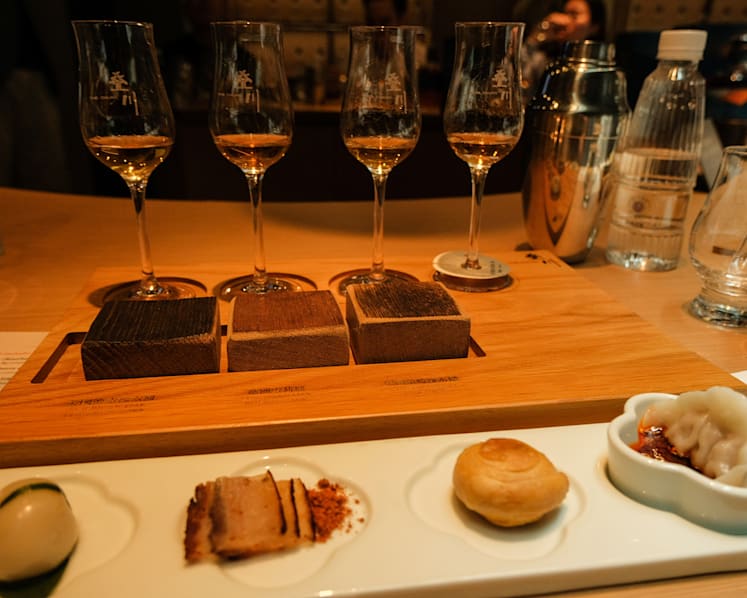
“It takes time,” Zou said. “People might not know what Chinese whisky stands for. There has to be added value beyond the liquid itself. Moutai isn’t just baijiu; it’s social status.” Yet he believes that is also where the opportunity lies. Whisky enthusiasts are increasingly curious about Chinese terroir and the flavours it can impart, giving a still-emerging category room to define its own identity.
SICHUAN CUISINE, ELEVATED
Chengdu was the first city in Asia to be designated a UNESCO City of Gastronomy, and its culinary ambitions stretch well beyond hotpot and mapo tofu.
Down the slope from The Chuan Malt Whisky Distillery is The Yan, its on-site restaurant, housed in a standalone concrete-and-glass pavilion. Floor-to-ceiling windows frame the surrounding forest and creek. The restaurant takes an inventive approach to Sichuan fine dining, with a menu built around elements of whisky-making.
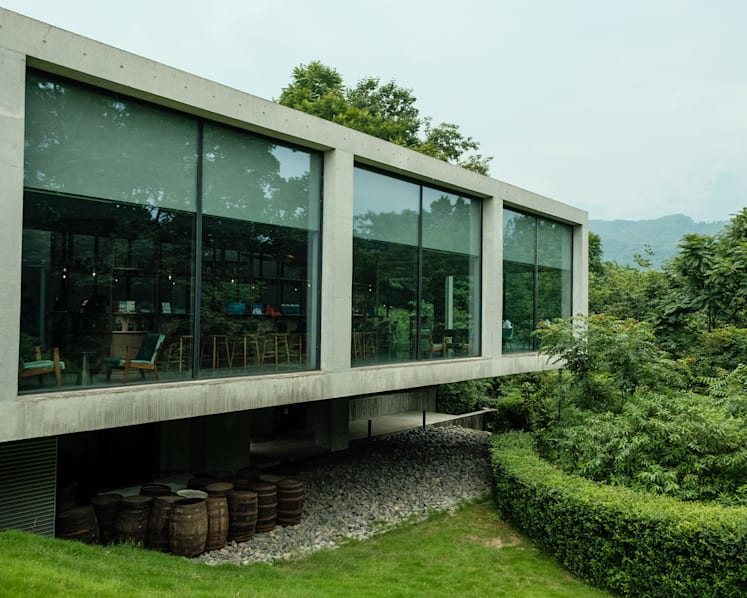
Created in collaboration with brothers Xu Xiaohong and Xu Xiaoyuan, the chefs behind Chengdu’s Michelin-starred, Black Pearl-listed Leaf Kitchen, the restaurant incorporates elements of malting, fermentation, ageing and oak into its cooking.
The result is dishes such as fish maw and pork trotter soup, stewed for six hours before spending another three in a custom-made sherry oak cask, producing a rich, deeply layered broth. My favourite was the crispy pigeon, roasted with Sichuan pepper until the skin turned crisp and golden, then lightly smoked over Chinese Single Oak for a delicate woody aroma. Another highlight was Linjiang river eel, served with bourbon oak chip-infused oil and local vegetables simmered in water from Mount Emei.
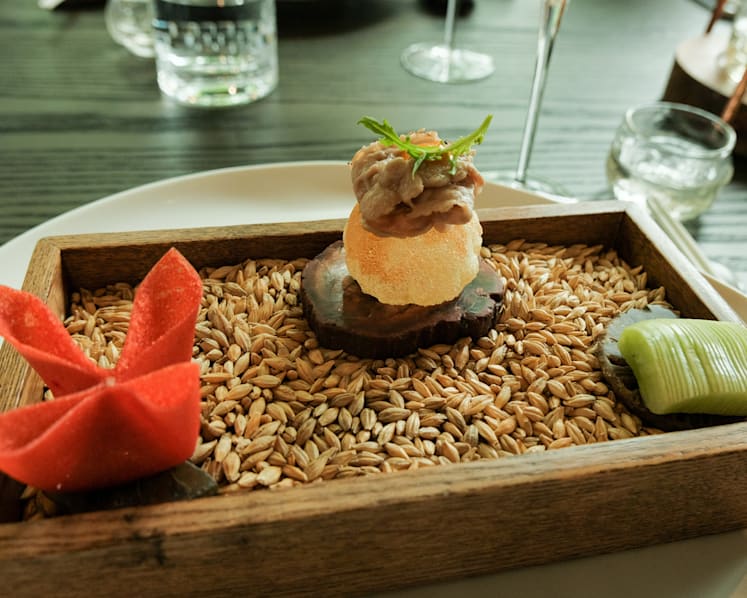
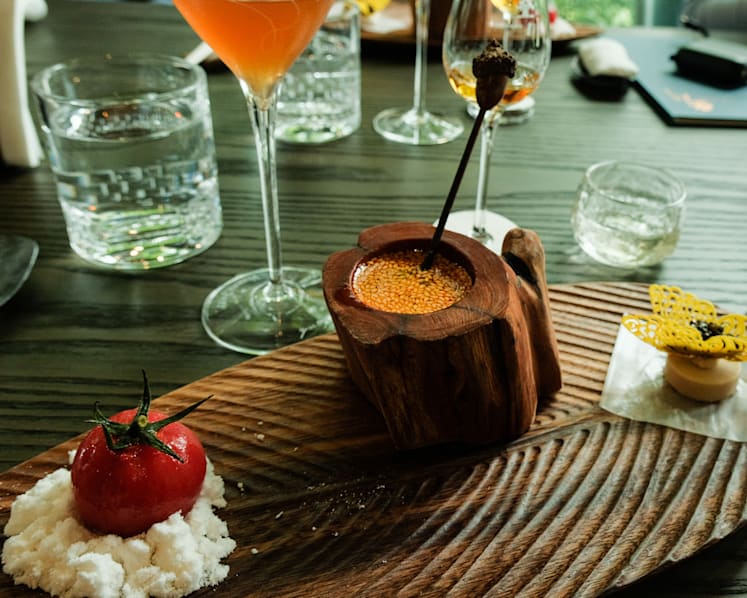
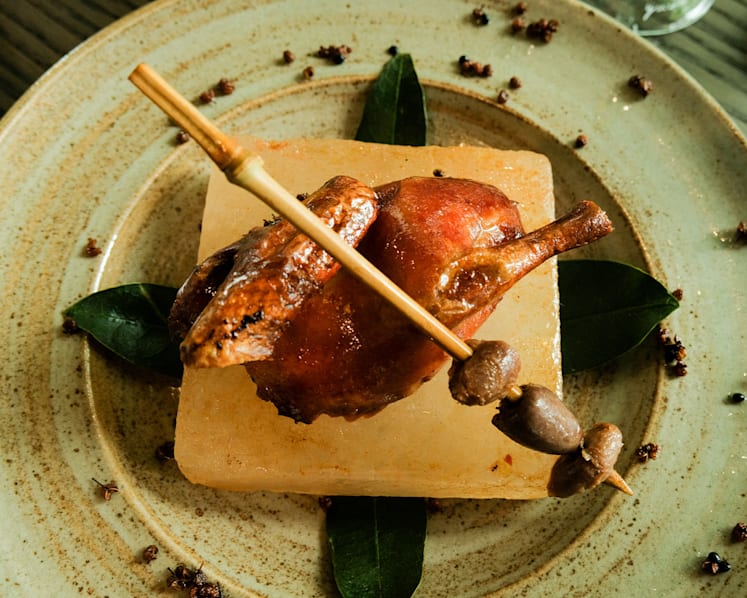
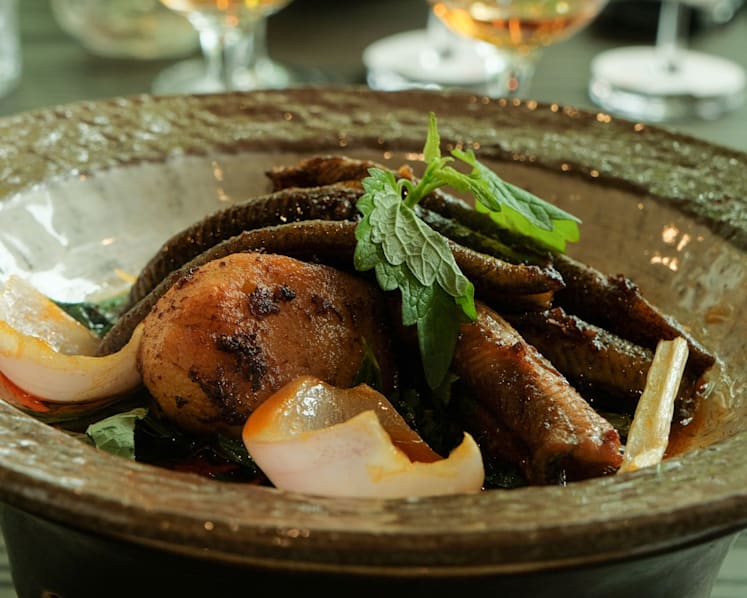
Each course was paired with limited-edition single malts from the distillery.
At Waldorf Astoria Chengdu, Infinite Luck takes a different approach. Selected for the 2026 Michelin Guide Chengdu, the restaurant is led by executive chef Tony Yang, a Chengdu native who has spent more than three decades championing Sichuan cuisine. Together with his team, he regularly travels across the province in search of exceptional seasonal ingredients.
We got a glimpse of that philosophy during an early morning visit to Yulin Market, one of the city’s largest and most authentic wet markets. Outside, older residents gathered over games of cards, a familiar Chengdu scene. Inside, Yang led us past tables piled with mushrooms, bamboo shoots and tomatoes before lingering at the peppercorn stalls, judging each variety by colour and aroma like a sommelier assessing wine.
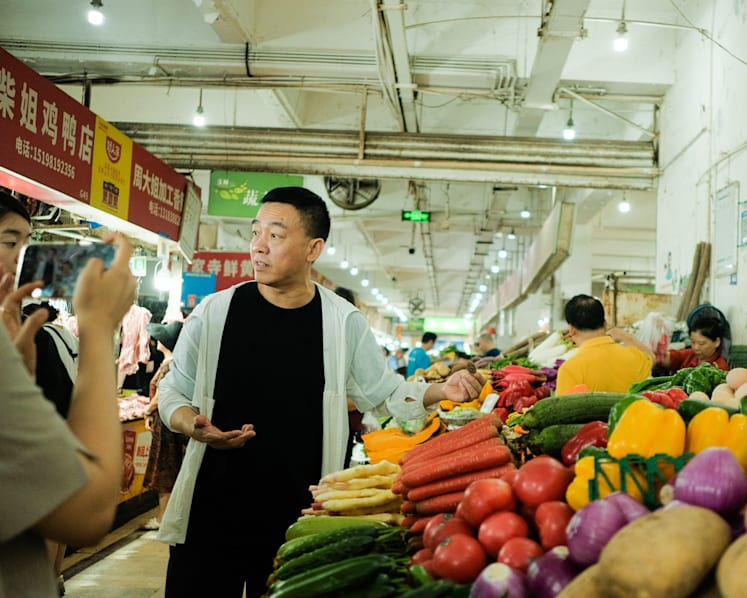
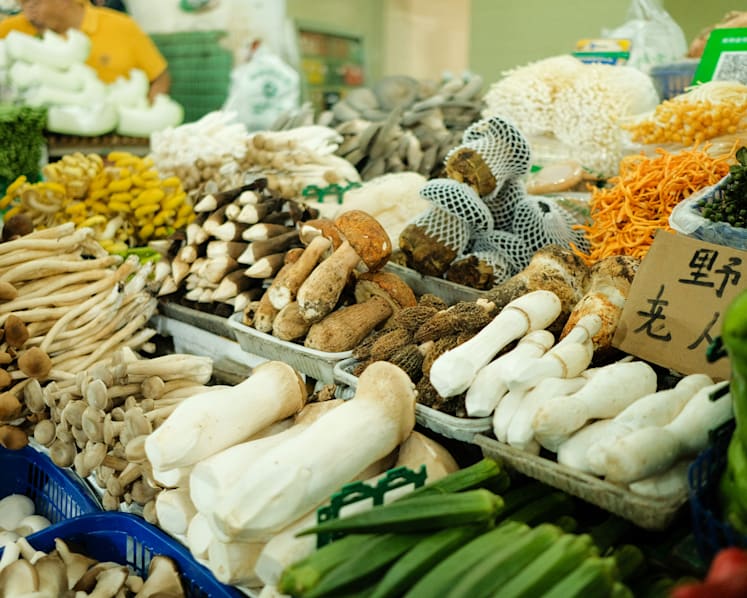
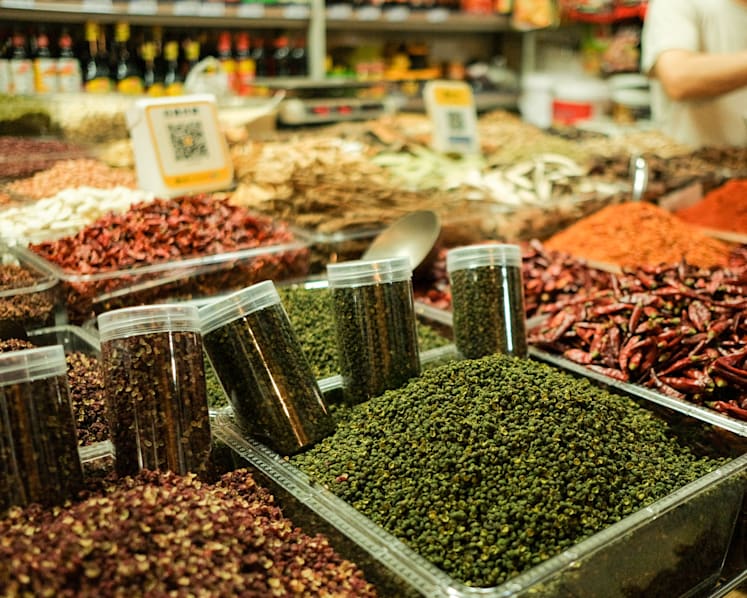
The seafood and meat section was lined with tubs of writhing eels and live bullfrogs, alongside rabbit heads and offal destined for hotpot.
That evening, we saw the results firsthand over an elaborate dinner at Infinite Luck Chinese Restaurant on the 50th floor of Waldorf Astoria Chengdu, overlooking the city’s skyline.
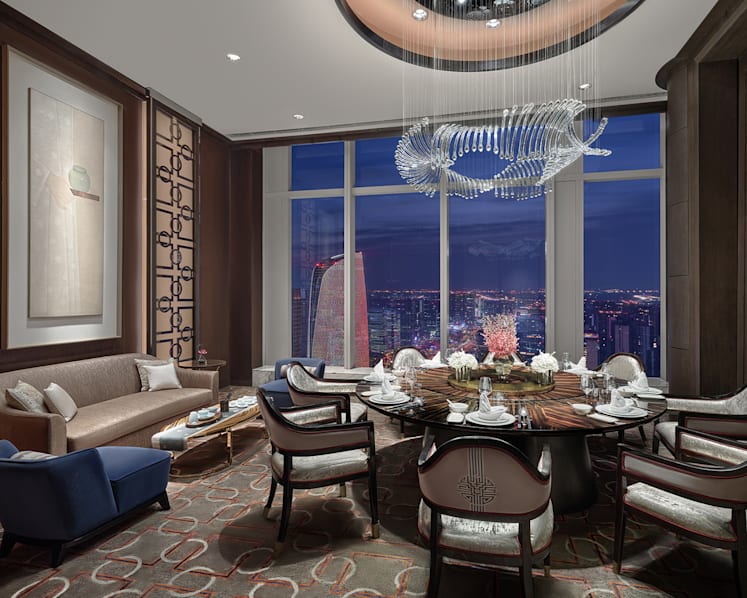
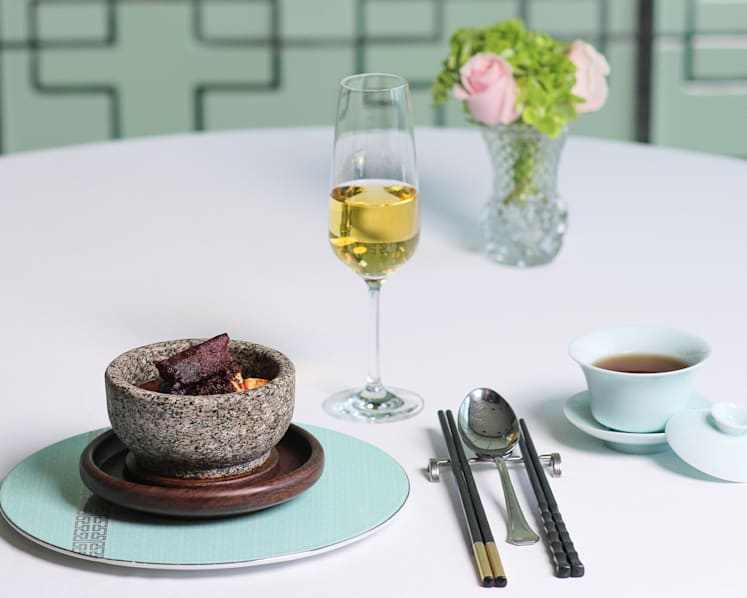
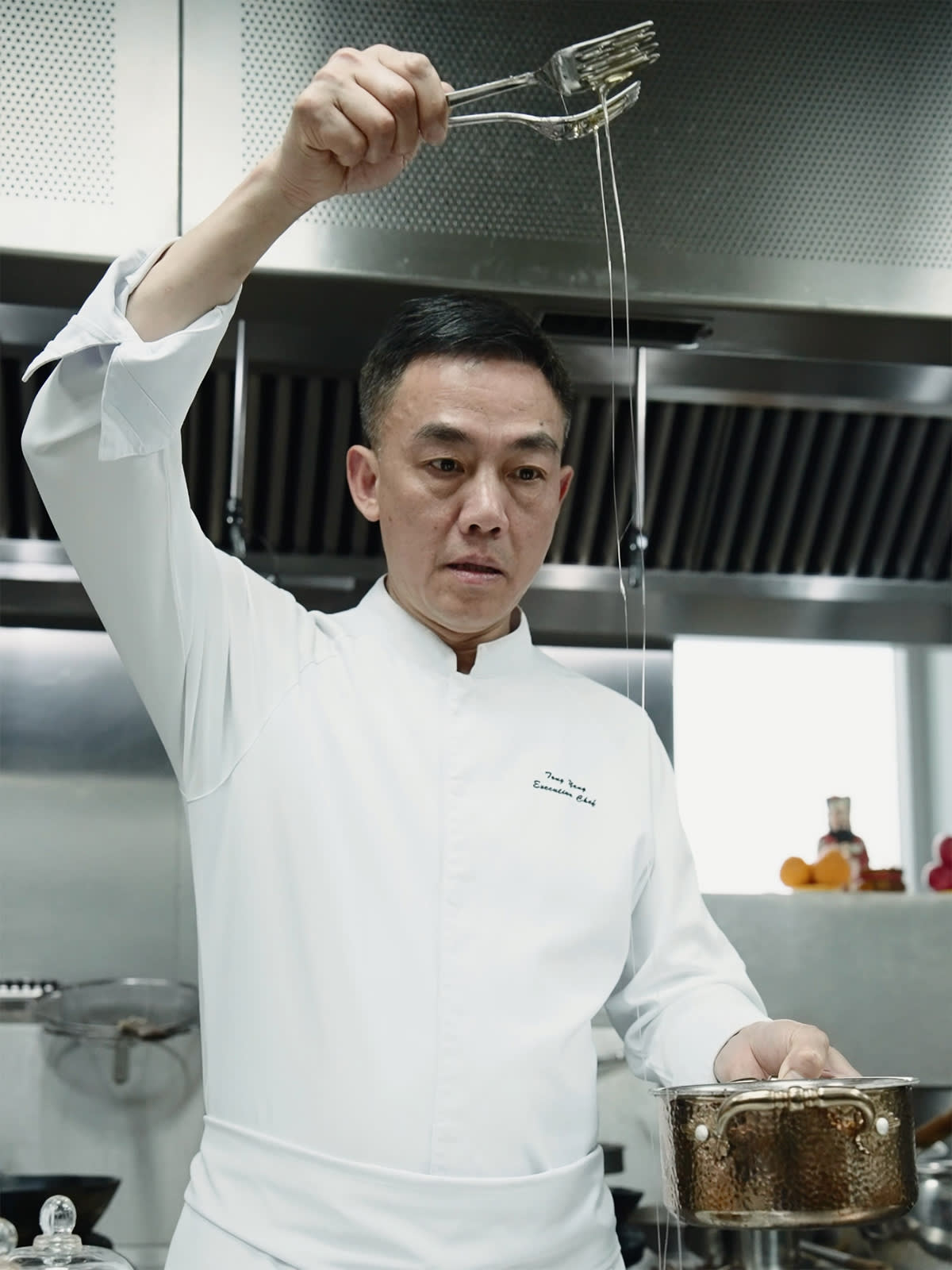
Yang’s attention to ingredients revealed itself in dishes such as camphor tea-smoked pigeon with Anyue lemon, poached yellow catfish with pickles and chilli oil, braised Neijiang pig’s feet with aged Baoning vinegar, and crispy wagyu short ribs. Refined in presentation yet unmistakably Sichuan in flavour, the meal was a reminder that the region’s cuisine can evolve without losing sight of its roots.
THE ART OF CHENGDU LACQUERWARE
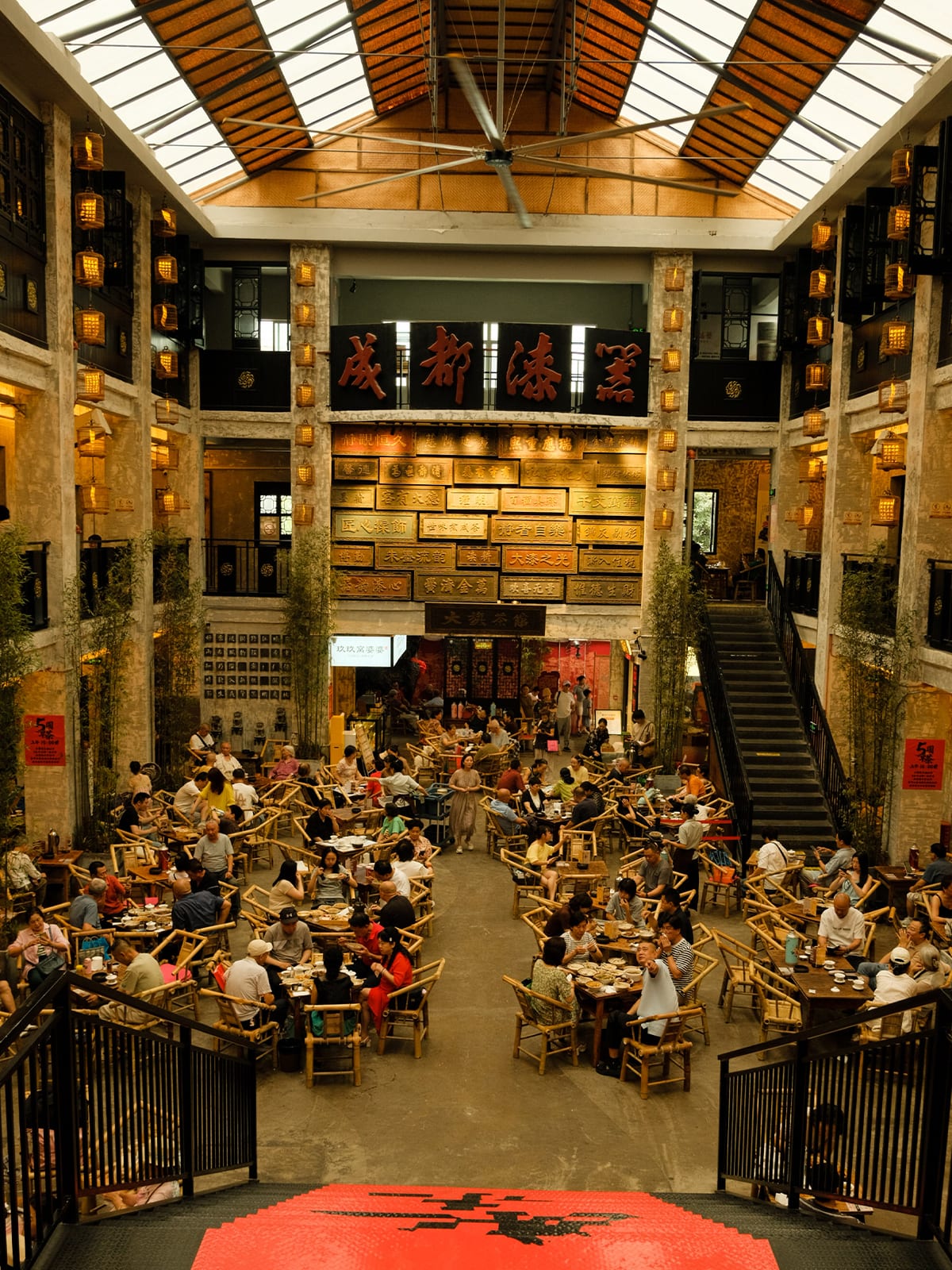
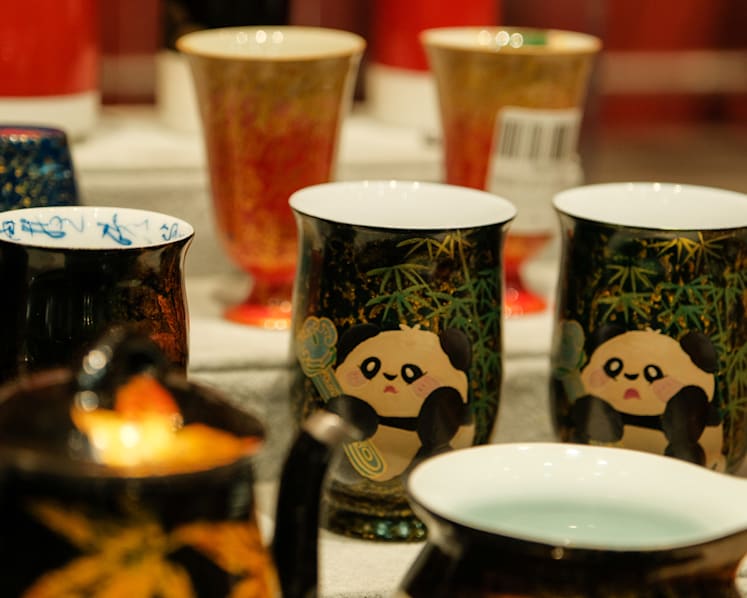
Chengdu lacquerware is recognised as one of China’s five major schools of lacquerware, and Daqi Teahouse, a 70-year-old former lacquerware factory turned atmospheric teahouse, is where I got closest to it. Beneath its soaring atrium, the space exudes old Chengdu charm, from its striking red-and-black staircase and low bamboo chairs to golden birdcage lamps.
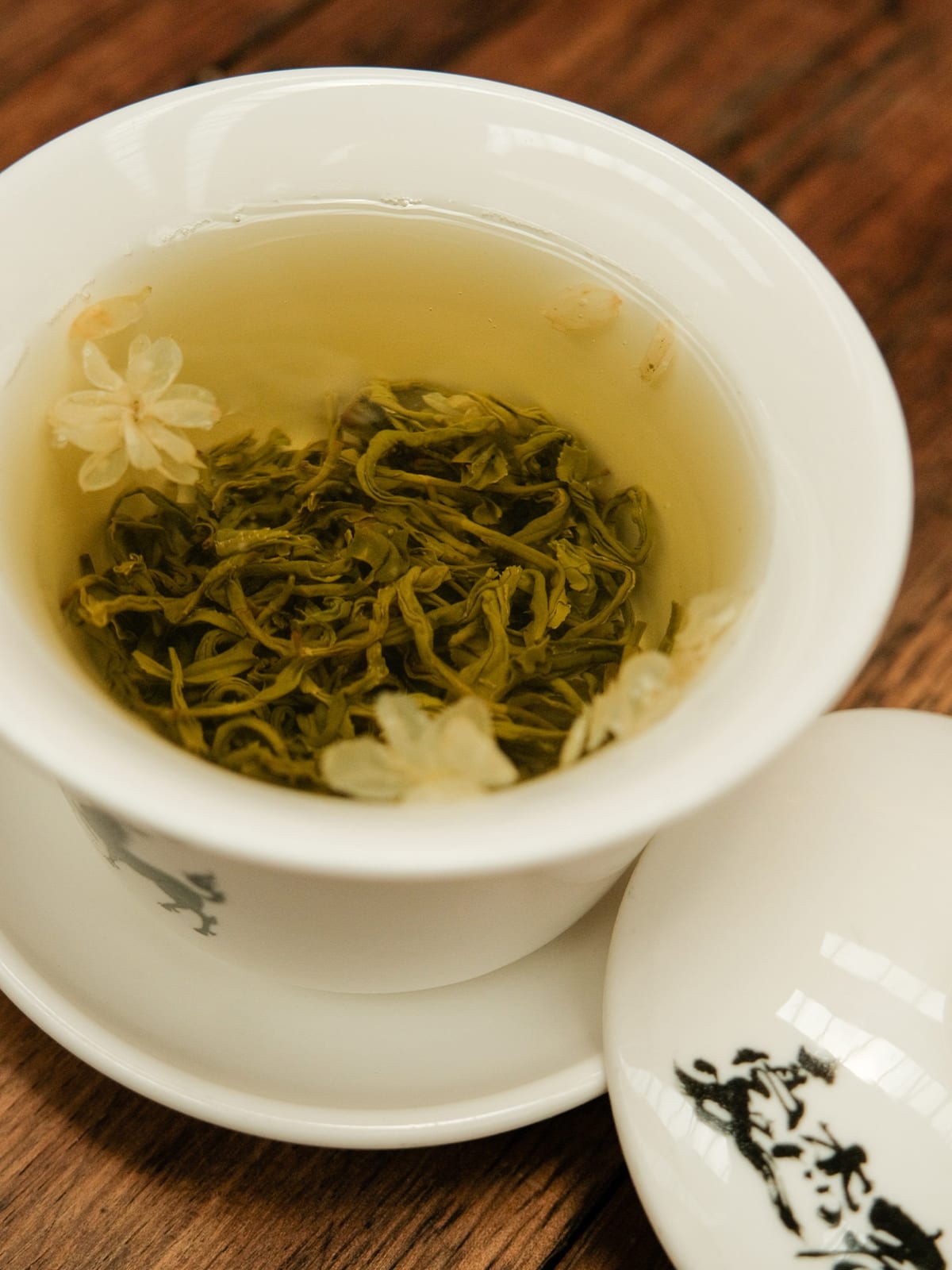
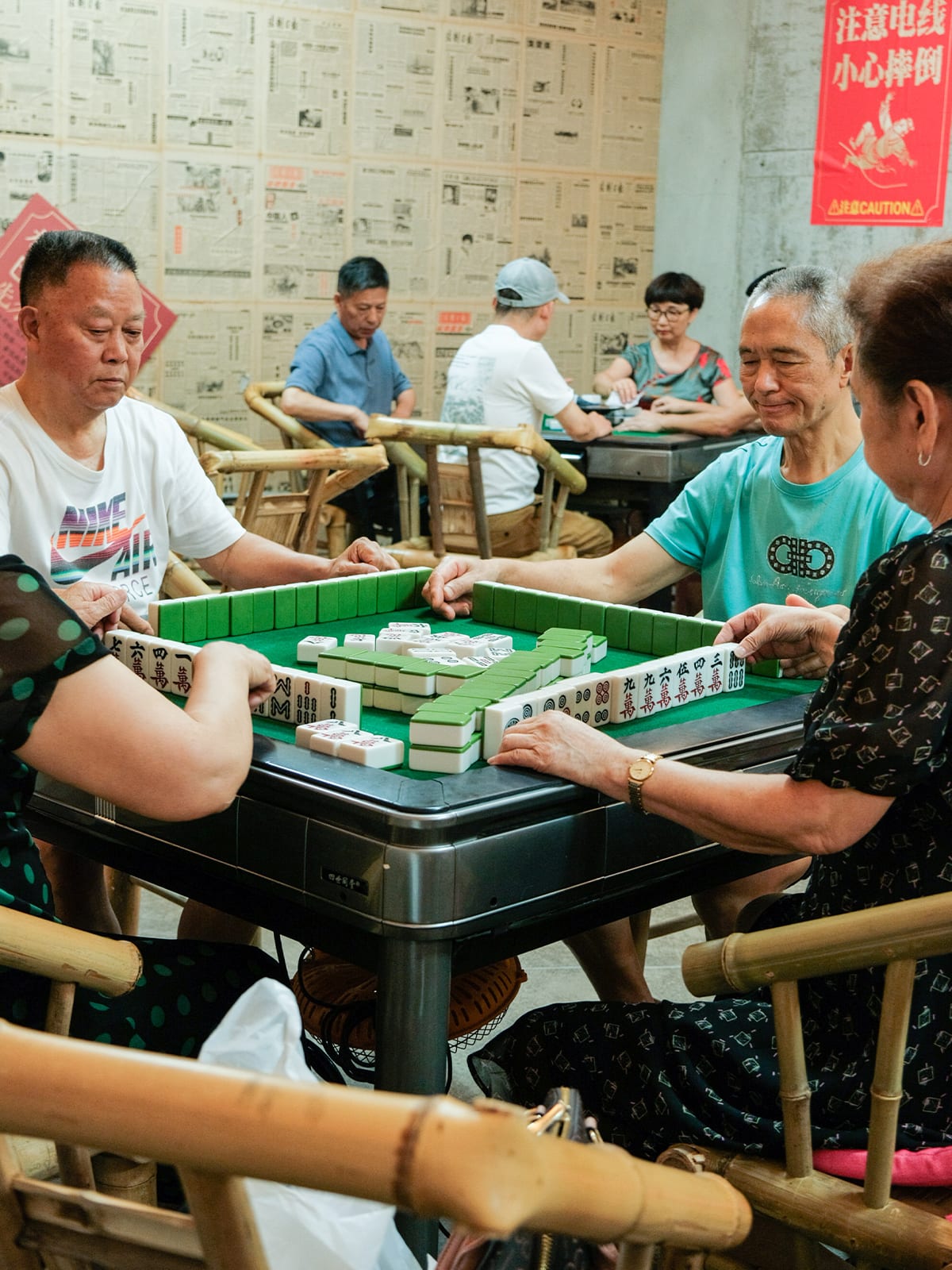
The place felt like the backdrop for a fashion shoot crossed with a lively neighbourhood social. Older residents in cheongsams posed for photographs while others were engrossed in games of mahjong, with jasmine tea and plates of peanuts and sunflower seeds never far from reach.
Zhang Mingzhu, who now teaches lacquerware at Daqi Teahouse, began her career as a sales manager at a lacquerware factory in 2013. She later moved into the workshop to better understand the painstaking process behind the pieces she had been selling.
Chengdu lacquerware employs techniques including silver-thread inlay, carved-and-colour-filled lacquer and hidden-pattern carving. The learning curve is steep: a few months to grasp the basics, three years to become a working craftsperson, five to eight years to work independently and more than a decade to master the craft.
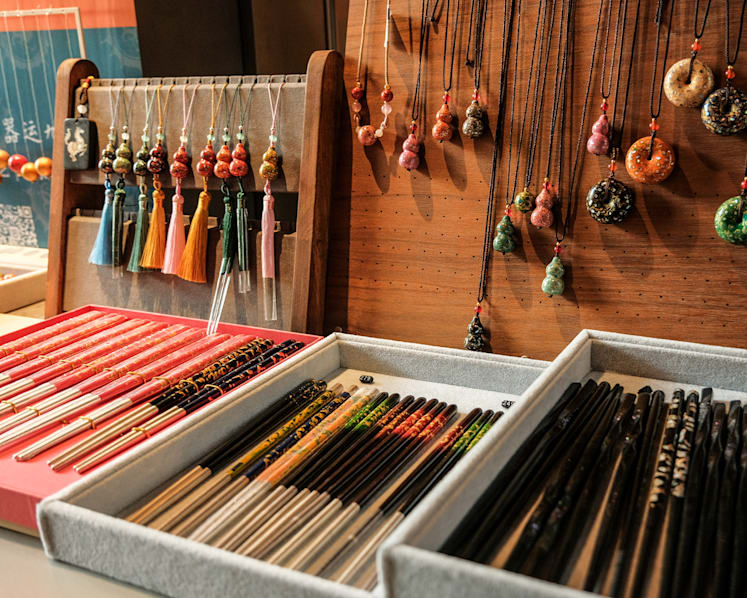
Under Zhang’s guidance, I tried buffing a pair of lacquered chopsticks. The base coats had already been applied; all that remained was to polish them methodically until the shine gradually emerged. Even this final stage demanded far more patience than it first appeared to.
“Lacquer art is much more than a craft,” Zhang said. “Patience, restraint and quiet elegance are embedded in every layer of lacquer. I hope people will understand not only the techniques, but also the spirit behind them. By continuing to share and preserve this craft, we are passing on an enduring philosophy of craftsmanship and an important part of Eastern aesthetics to future generations.”
THE CARE BEHIND THE PANDA ICON
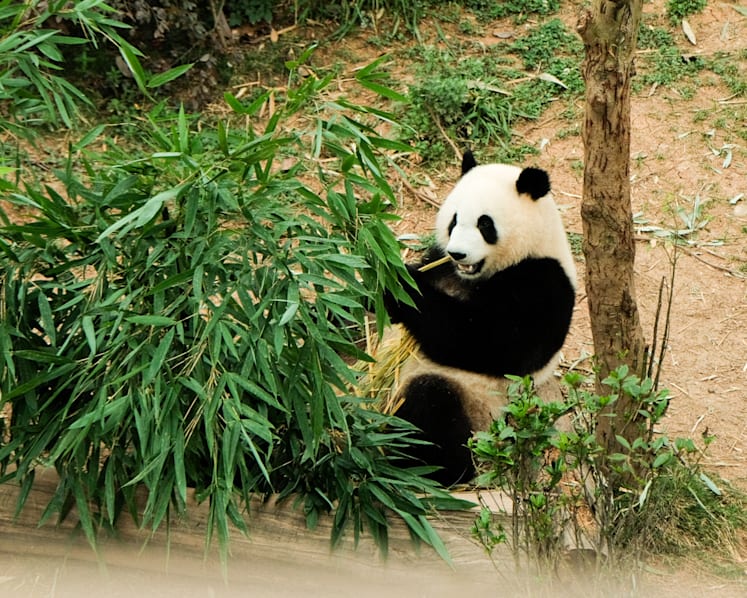
Pandas may be Chengdu’s most recognisable symbol, but caring for them requires patience and painstaking work. Through Hilton’s expanded Pamper You 2.0 campaign, guests can access panda-themed experiences at the Chengdu Research Base of Giant Panda Breeding, including early entry and hands-on educational programmes.
The early start proved worthwhile: pandas tend to be more active during the cooler morning hours, giving visitors a better chance of catching them awake and at play. We meandered through bamboo groves and rolling hills, where pandas lazed, climbed and tumbled through naturalistic enclosures. A cub attempting clumsy acrobatics in a tree, another blissfully soaking in a bath and plenty contentedly munching bamboo had visitors cooing, while staff carried signs reminding everyone to keep their voices down.
We never caught a glimpse of the base’s reigning celebrity, affectionately known as Director Hua Hua, the It girl of the moment whose onigiri-shaped body has made her an internet sensation. But she was everywhere else – from children clutching her plush toys and chattering about her to shelves packed with panda-themed souvenirs, part of Chengdu’s booming ‘panda economy’.
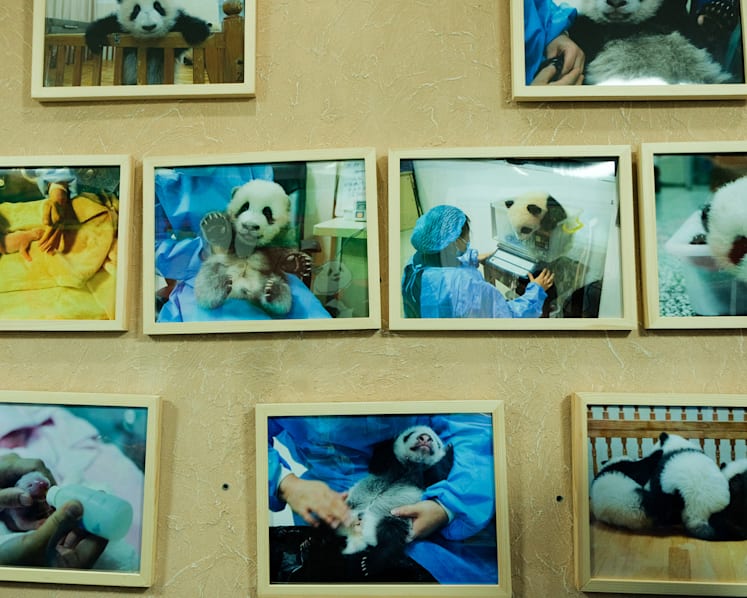
Our guide, Zhao Li Ping, called working at the panda base her dream job. She explained that while conservation efforts have helped giant panda numbers recover, wild populations remain fragmented across mountain ranges in Sichuan, Shaanxi and Gansu. Reconnecting those habitats through wildlife corridors, she said, remains an important priority. For Zhao, the job also means spending her days hiking in the mountains and seeing the animals – something she believes is good for both her mental and physical health.mountains and see these cute animals, it is good for both my mental and physical health.”
For a lighter touch, we tried the Mother Panda’s Parenting Diary experience, stepping into the role of panda keepers. Feeling faintly ridiculous but thoroughly amused, we bottle-fed, weighed and burped a stand-in panda cub. Other activities introduced guests to panda nutrition through preparing wotou, or steamed corn buns, and to feeding habits through scent-based bamboo identification challenges.
It was a playful way to end the visit, but one that revealed just how much care and expertise go into looking after China’s beloved national treasure.
THE ART OF LINGERING
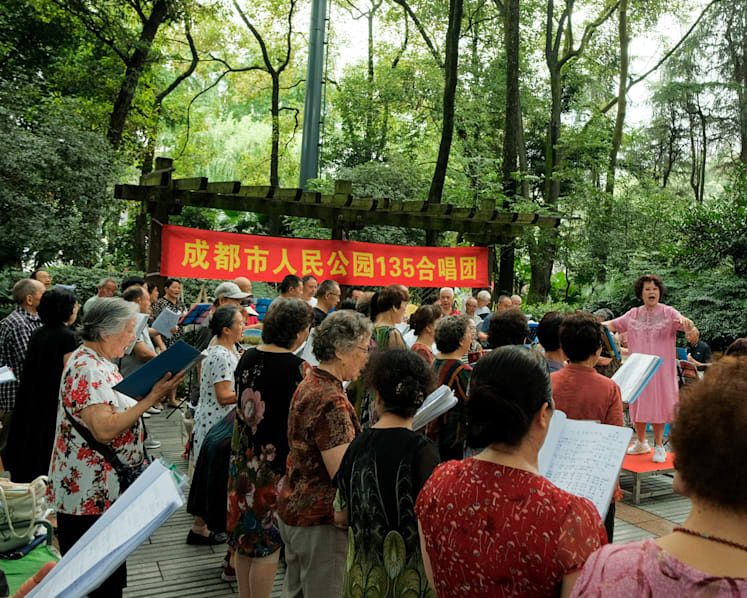
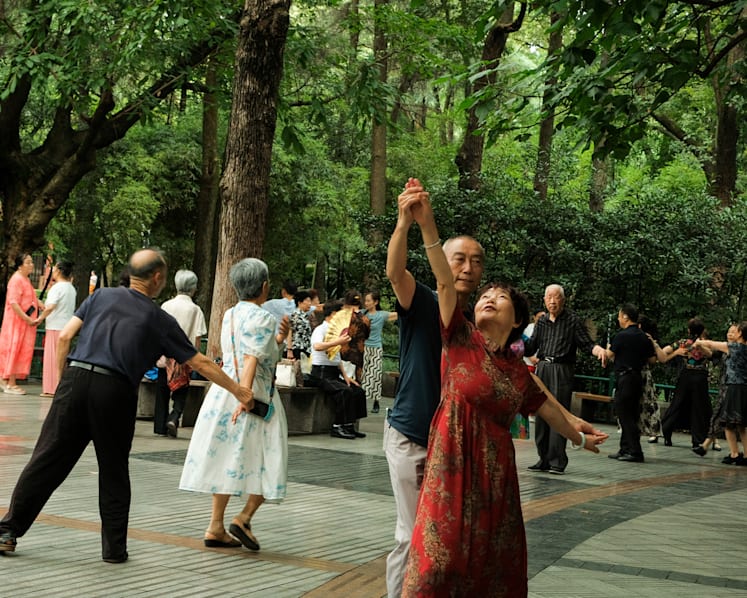
There is a saying locals half-joke about: don’t stay in Sichuan too long, or you’ll lose your ambition – because taking it easy is simply part of life in Chengdu.
A leisurely morning at People’s Park feels like stepping into the city’s living room. Beneath the trees, a booming choir of retirees fills the park with song. Aunties dance, couples twirl, others practise with swords, while uncles trace water calligraphy across the pavement. Over at Kuanzhai Alley, the pace changes: teahouses, Sichuan snacks, handicrafts, panda mania and bian lian performances compete for attention.
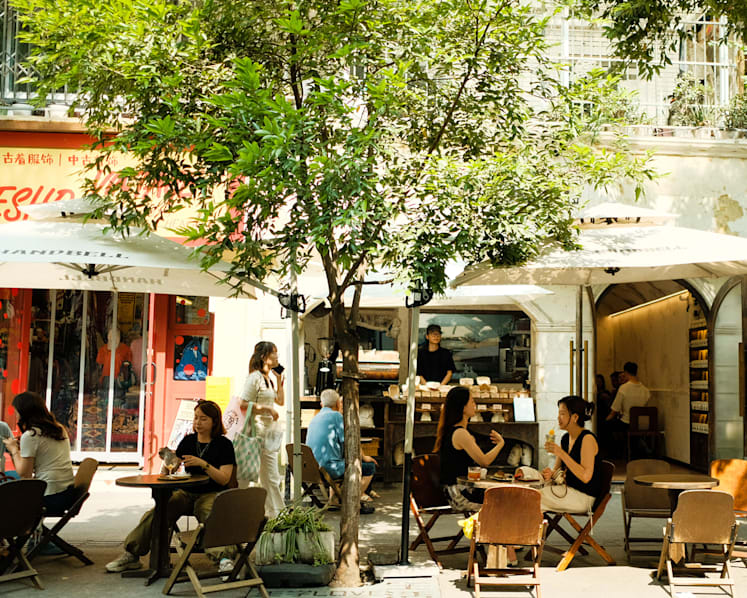
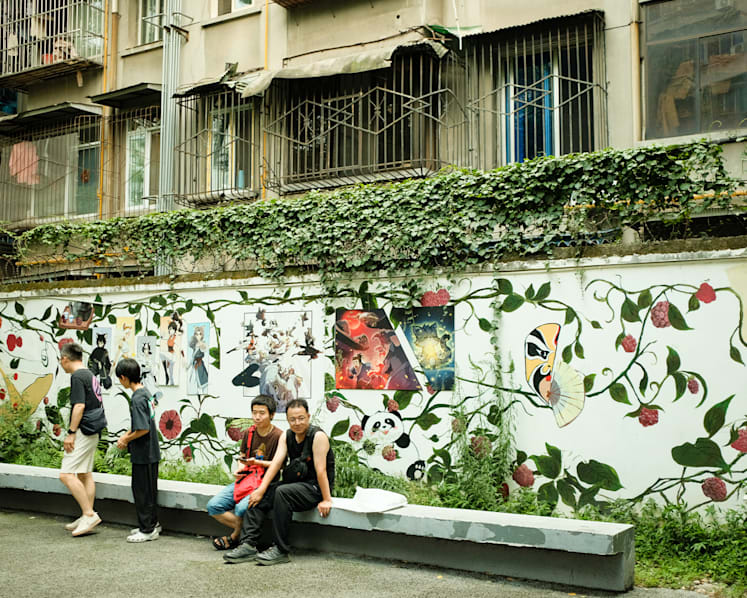
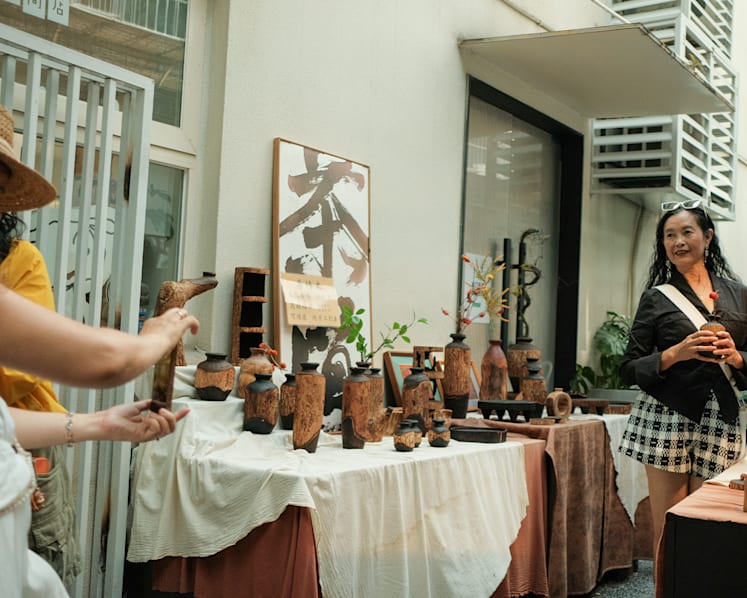
Meanwhile, Yulin has become a hub for Chengdu’s younger creative crowd. At its heart is Fanghua Street, where ageing residential blocks sit alongside cafes with chairs made for watching the world go by.
Vintage shops, craft stalls, record stores and bakeries sit alongside more experimental concepts such as Afflatus Lab, a tea laboratory, and even a home cafe tucked inside a residential compound – all woven into the rhythms of old neighbourhood life.
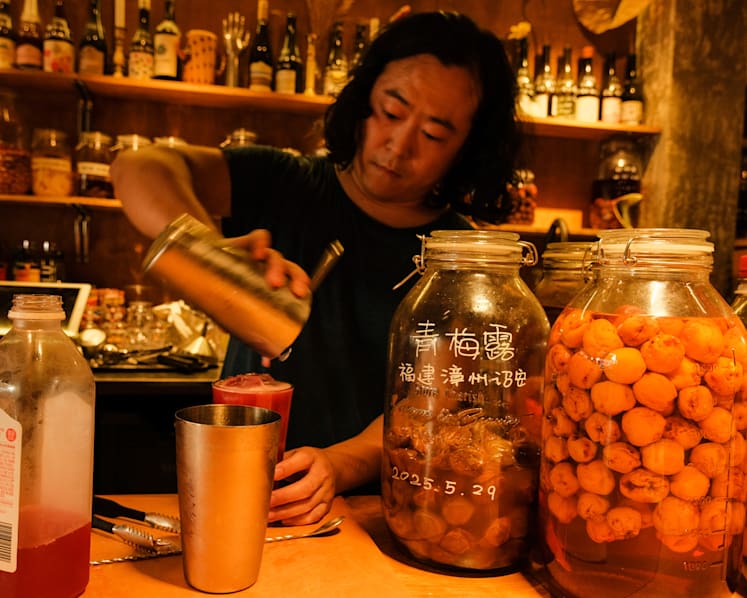
Wandering these streets, I found myself thinking about how easy it is to mistake Chengdu’s unhurried pace for a lack of ambition. But perhaps this art of lingering isn’t the opposite of excellence. Perhaps it creates the conditions for people to become exceptional at what they do.
CNA Luxury was in Chengdu at the invitation of Waldorf Astoria Chengdu.
Source: CNA/bt
Get bite-sized news via a new
cards interface. Give it a try.
Click here to return to FAST
Tap here to return to FAST
FAST