To view this video please enable JavaScript, and consider upgrading to a web browser that supports HTML5 video
Nature and EnvironmentKenyahttps://p.dw.com/p/5I6E0
Thousands of ants packed into tiny capsules have become surprising evidence in Kenyan courts.
What sounds like a strange crime story is actually part of a growing business: smuggling exotic ants from Africa to Europe.
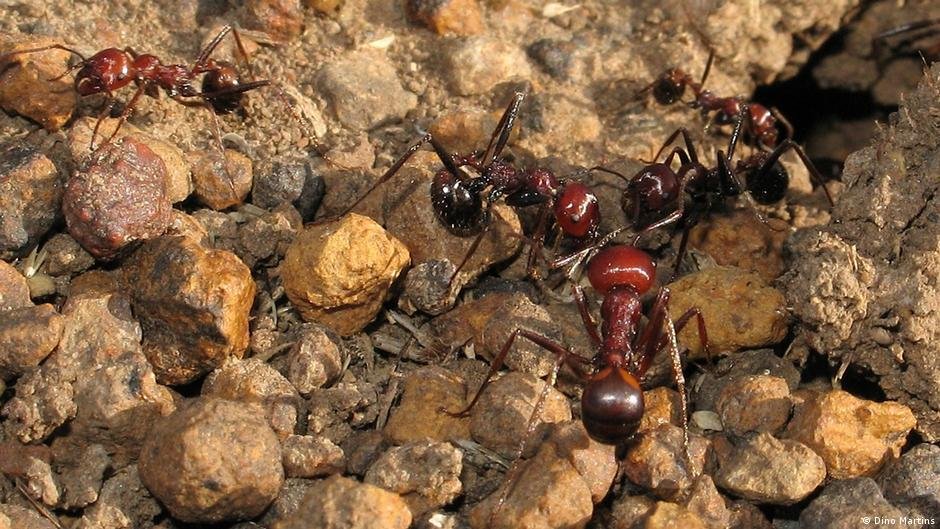
One species is especially popular: the African giant harvest ant. A single queen can sell for over €200 ($231). Ant enthusiasts keep colonies in glass tanks and watch them build nests and grow.
For many hobbyists, ants are the perfect pet. They need little care, and some exotic species stay active all year round. But scientists warn that this trend comes with risks.
Many of the ants seized by Kenyan authorities are young queens. They are often collected just before starting new colonies. Removing these queens can harm local ecosystems because ants help spread seeds and keep Kenya’s savannahs healthy.
The trade also benefits from legal loopholes. Unlike many larger animals, ants are not covered by most international wildlife trade rules. And because they are small, they can easily be smuggled in luggage or sent by mail.
The risks don’t stop in Africa. In Germany, invasive ant species have already caused power and internet outages by nesting inside electrical equipment.
A tiny insect, a growing global trade, and an important question: Is keeping exotic ants as pets worth the environmental risk?