From K-dramas to BTS: How pop culture is reshaping tourism in South Korea
Fans are travelling to South Korea to experience the worlds of their favourite K-dramas and K-pop stars, creating new tourism opportunities and offering hope to communities grappling with population decline.
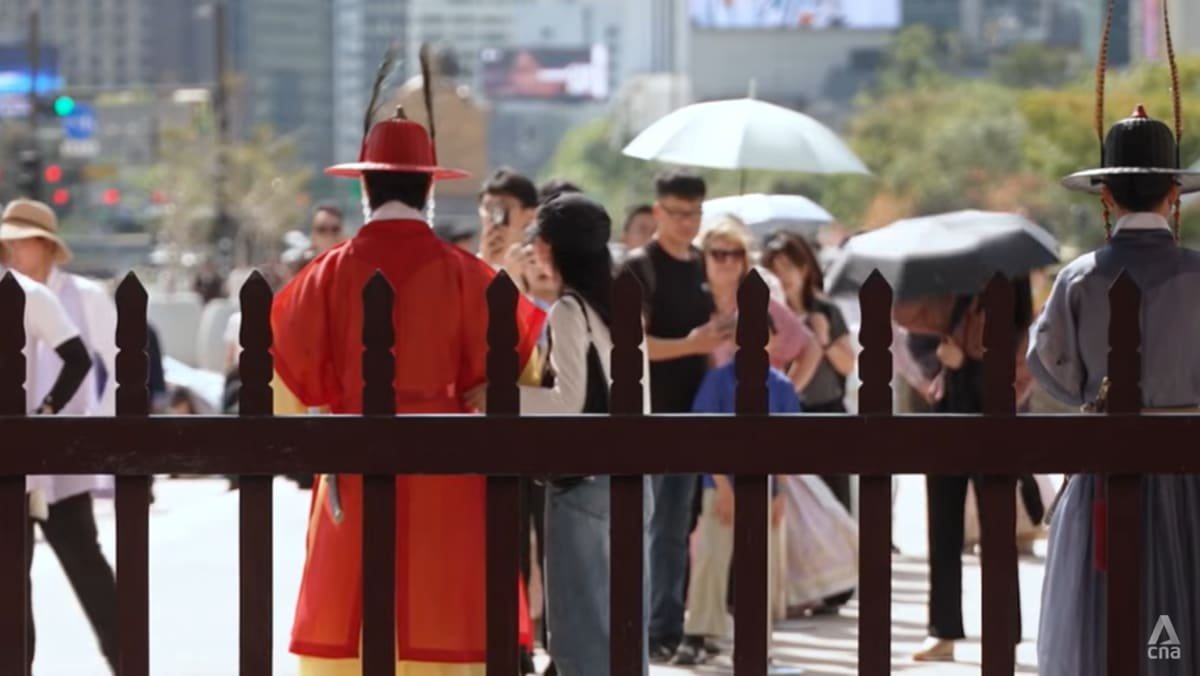
A tourist poses for photographs with a traditionally dressed guard outside Gyeongbokgung Palace in Seoul, South Korea. (Image: CNA)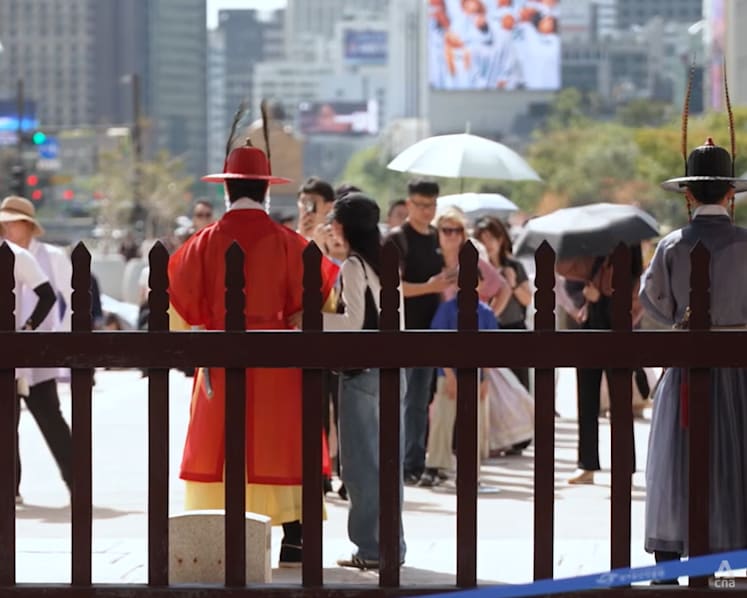
New: You can now listen to articles.

This audio is generated by an AI tool.

Read a summary of this article on FAST.
Get bite-sized news via a new
cards interface. Give it a try.
Click here to return to FAST
Tap here to return to FAST
FAST
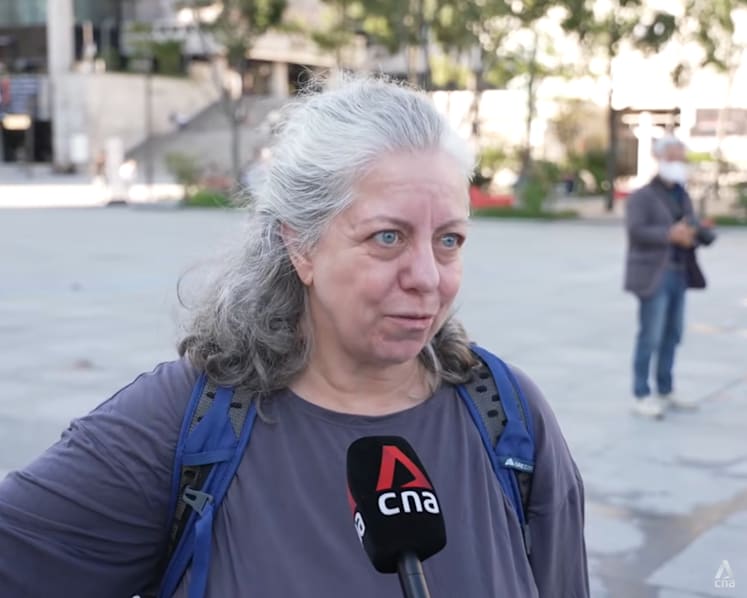
SEOUL: For Norwegian tourist Annette Giwlebo, walking around historical landmarks in South Korea felt like stepping into a familiar world.
The avid Korean drama fan recognised sights she had previously only seen on screen.
“Now when I walk around, it’s like, ‘Oh, yes, I’ve seen this in K-dramas’,” she said.
She is among a growing number of international visitors whose love of Korean entertainment is inspiring them to experience the country’s culture firsthand.
The trend extends beyond South Korea, with anime and manga fans in Japan also travelling to real-life locations featured in their favourite series.
FROM K-DRAMAS TO TEMPLE STAYS
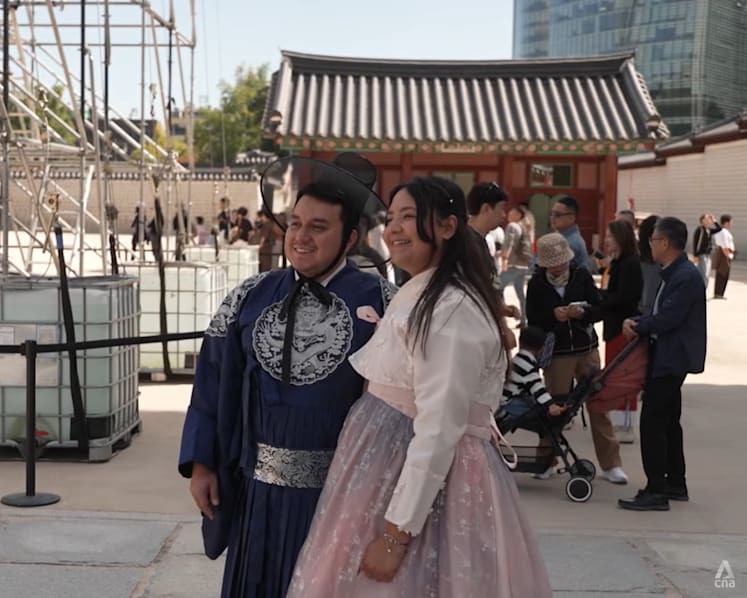
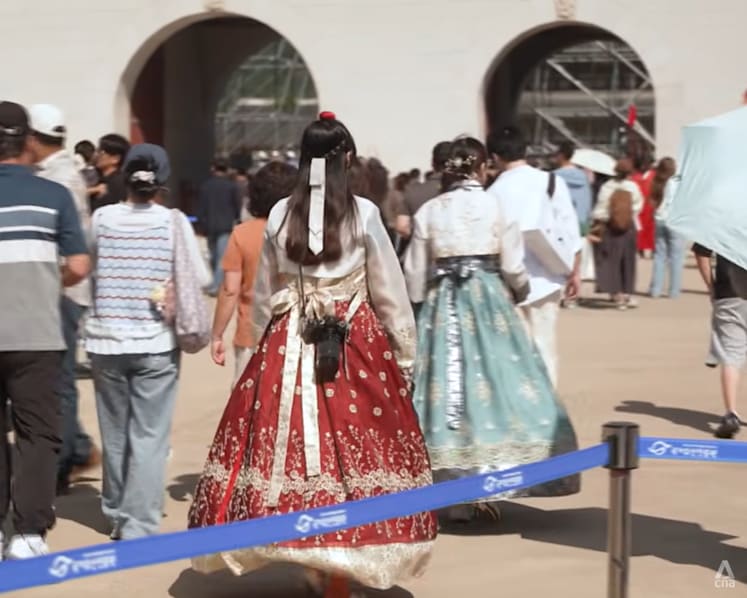
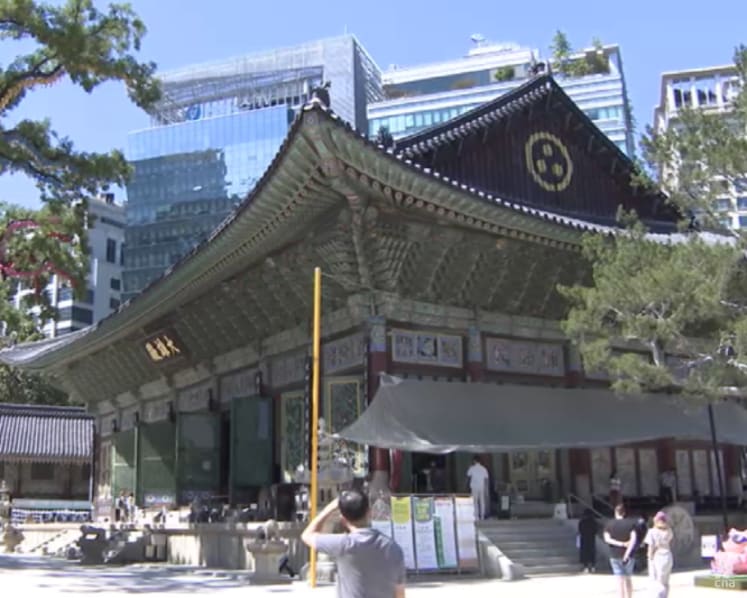
At Seoul’s Gyeongbokgung Palace, international visitors dressed in traditional hanbok wander through the historic grounds, taking in sights reminiscent of scenes from their favourite Korean period dramas.
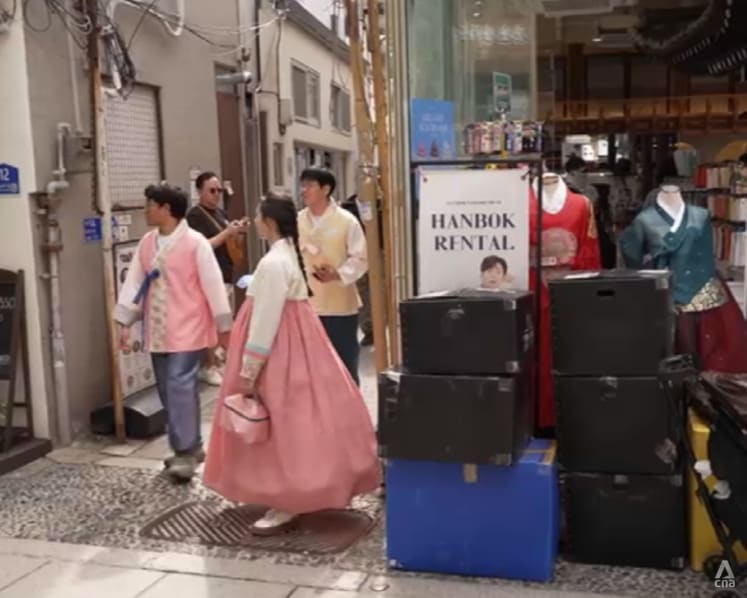
Hanbok rental shops have also benefited from the trend, with tourists arriving with screenshots of actors in K-dramas such as Love in the Moonlight or Perfect Crown, hoping to recreate their looks.
For one Mexican couple, wearing hanbok was more than just dressing up – it was a way to immerse themselves in Korean culture.
“We want to be like a part of Korea – maybe wearing this … I feel like I can touch the dream,” said the woman.
But sometimes, what visitors see on screen can lead them somewhere unexpected, such as a Buddhist temple.
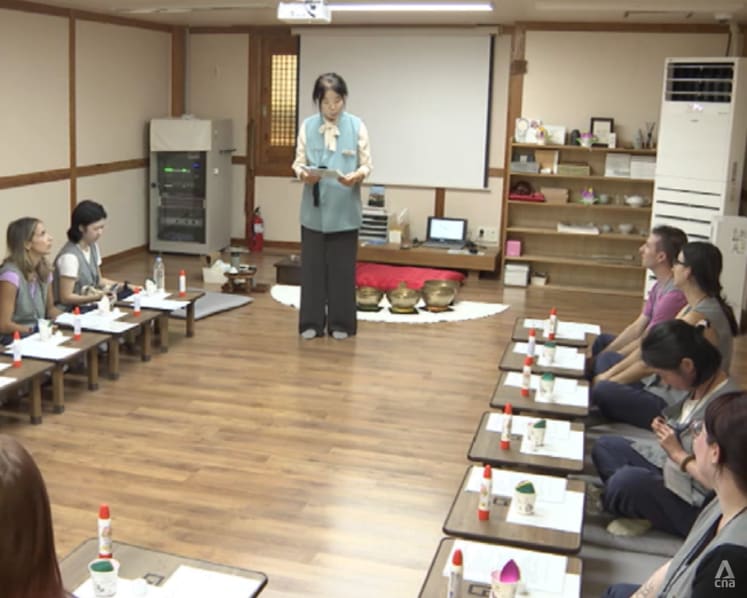
Singaporean tourist Ellie Yeo said she became interested in a temple stay after seeing one featured on the Korean variety show I Live Alone.
“I was very intrigued,” she said.

Guess Word
Crack the word, one row at a time

Buzzword
Create words using the given letters

Mini Sudoku
Tiny puzzle, mighty brain teaser

Mini Crossword
Small grid, big challenge

Word Search
Spot as many words as you can

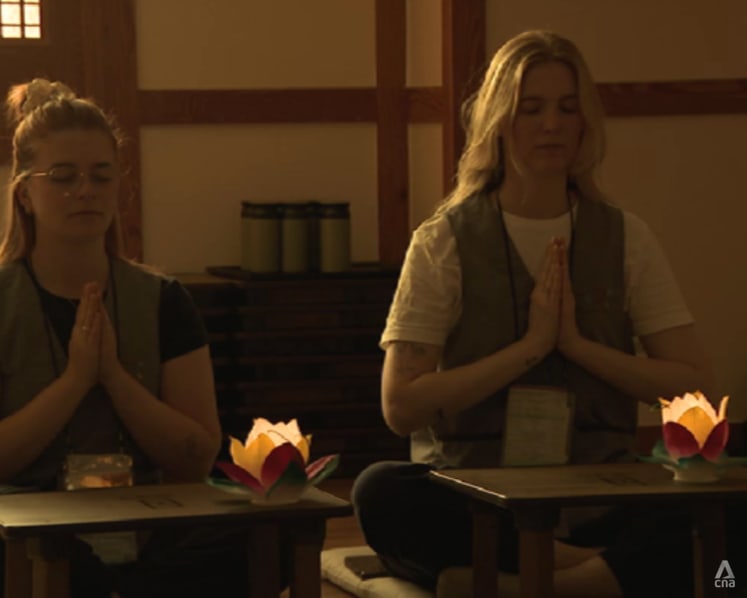
According to the Cultural Corps of Korean Buddhism, a record 55,515 foreigners took part in temple stays in South Korea last year.
A survey by the organisation found that only about one in 10 foreign participants identified as Buddhists.
While entertainment may have sparked their curiosity, organisers say many visitors are ultimately seeking something more personal.
“Rather than K-pop, I think there are actually more people who come because they want to get some kind of mental peace and comfort,” said temple-stay volunteer Jo Jin-hwa.
BTS BRINGING NEW LIFE TO BUSAN
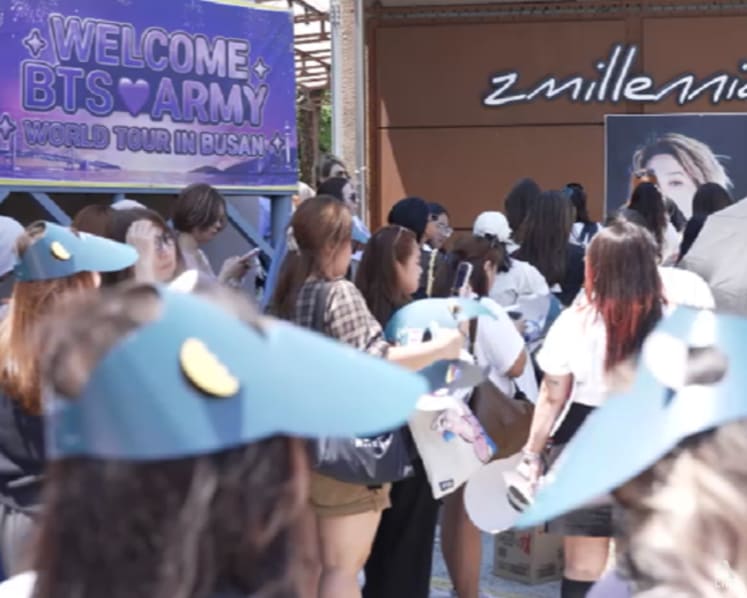
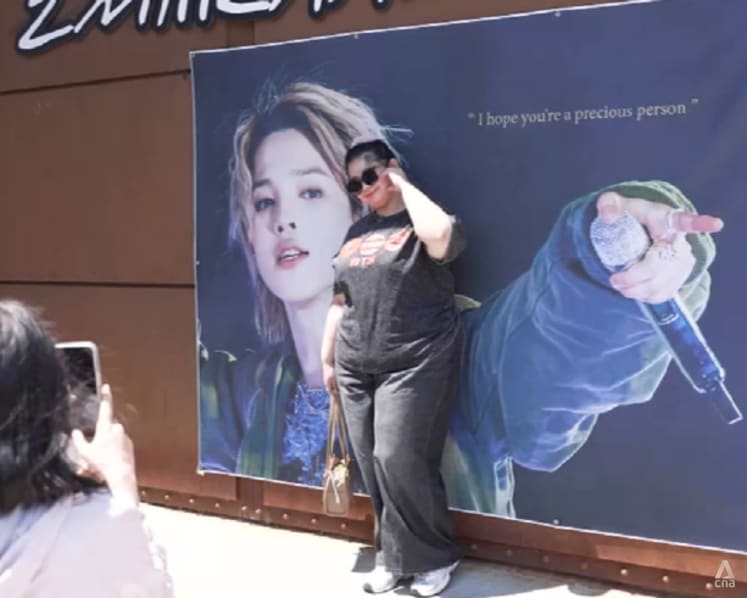
In South Korea’s second-largest city Busan, the global popularity of K-pop superstars BTS is creating new tourism opportunities.
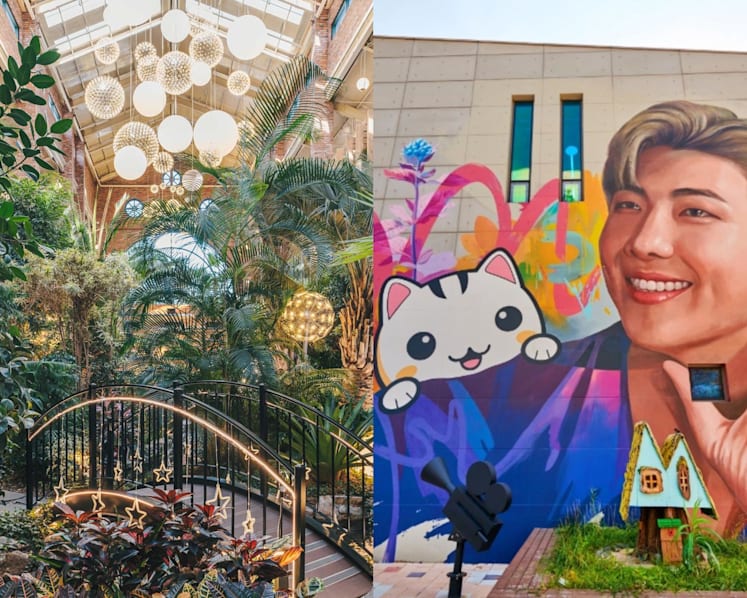
The group’s concert in June drew fans to the southeastern port city, which rolled out themed attractions, menus and fan events to capitalise on the excitement.
The city also holds an added appeal for BTS fans.
“My favourite (member), Jungkook, is from here. This is his hometown,” said one Singaporean fan. “I knew of Busan before, but I think I’m beginning to love Busan more because of BTS,” she added.
According to the city government, Busan welcomed more than 3.4 million foreign visitors between January and August this year, up 46 per cent from the same period a year earlier.

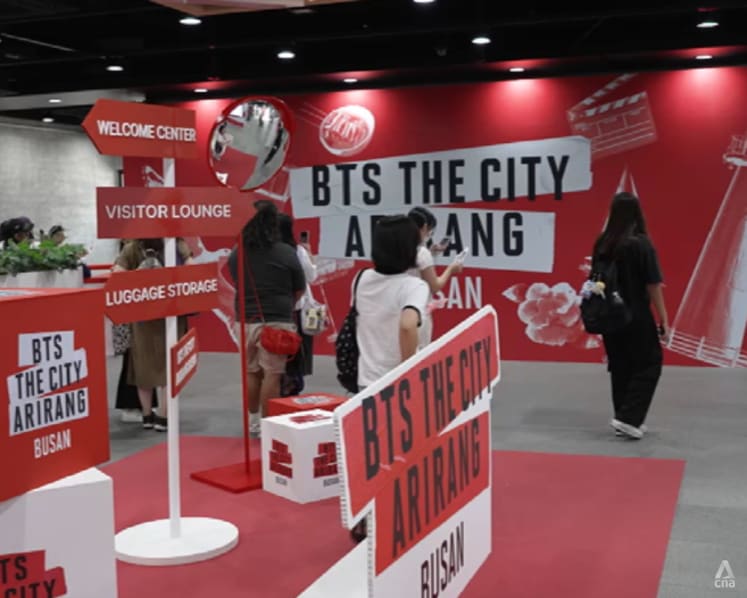
Paradise Hotel Busan said the share of foreign guests rose from around 30 per cent to roughly 70 per cent during the BTS concert dates in June.
The hotel also recorded an occupancy rate of approximately 95 per cent during the same period, up 20 per cent from last year.
But the benefits were not felt evenly.
A market vendor in Busan’s Haeundae district, who has worked there for over 20 years, said she had seen fewer fans than during BTS’ 2022 concerts in the city.
She also questioned whether visitors were staying long enough or spending enough to meaningfully boost local businesses.
For local authorities, the longer-term goal is to turn concert-goers into repeat visitors.
“They may come this time to see the concert, but we hope they will keep coming back,” said Kim Dong-hoon, director of Busan’s Tourism Policy Division.
“Our biggest wish is for Busan to be seen as a city people want to revisit.”
Elsewhere in the city, one ageing neighbourhood is hoping the pull of the Korean wave can help reverse its decline.
Ami-dong, a hillside neighbourhood known as the “gravestone village”, is home to Busan’s first registered cultural heritage site.
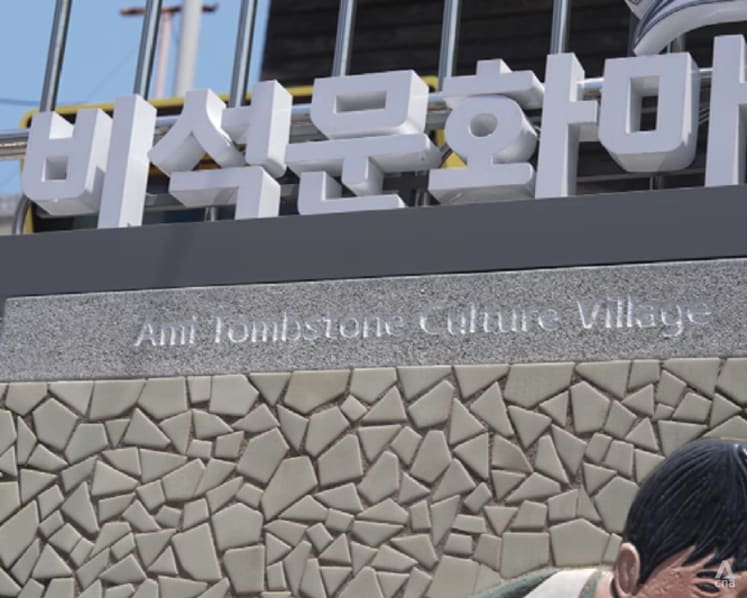
During the Korean War, refugees who fled south to Busan built homes on the site of a former Japanese cemetery, some directly over existing graves.
“Japanese people lived and left during the colonial period, so on top of where the gravestones are, the people then built a place to live again. So, there is life above death,” said former city councillor Kim Byeng-geun.
But today, that life is slowly vanishing.
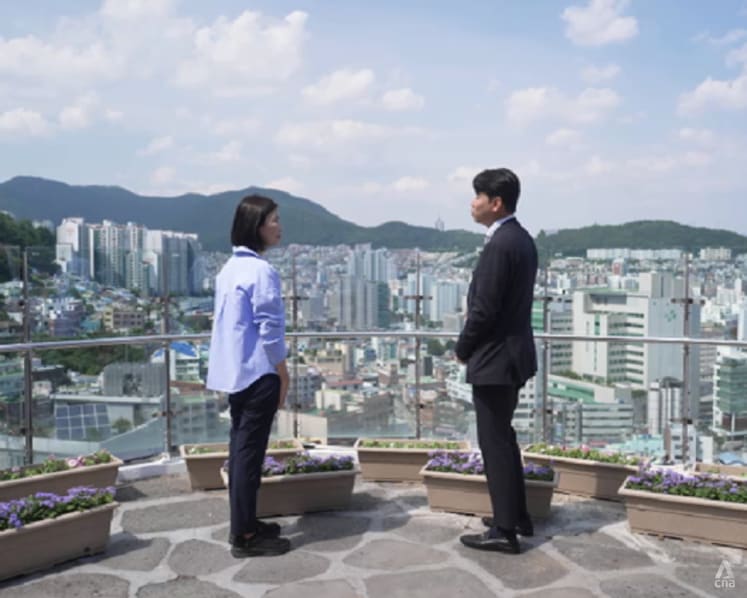
The district is officially designated as an area facing depopulation.
86-year-old Park Gwi-ja has watched the neighbourhood empty out over the 53 years she has lived there.
“There are really no young people left. There are so many empty houses now. When the elderly residents pass away, the houses just become vacant,” she said.
But an unlikely connection to BTS has created new possibilities.
The BTS fandom – known as ARMY – is pronounced “Ami” in Korean, similar to the name of the neighbourhood.
Kim, himself a BTS fan, has been promoting the neighbourhood’s connection to the fandom.
Splashes of BTS’ signature purple now dot the hillside as part of efforts to attract visitors.
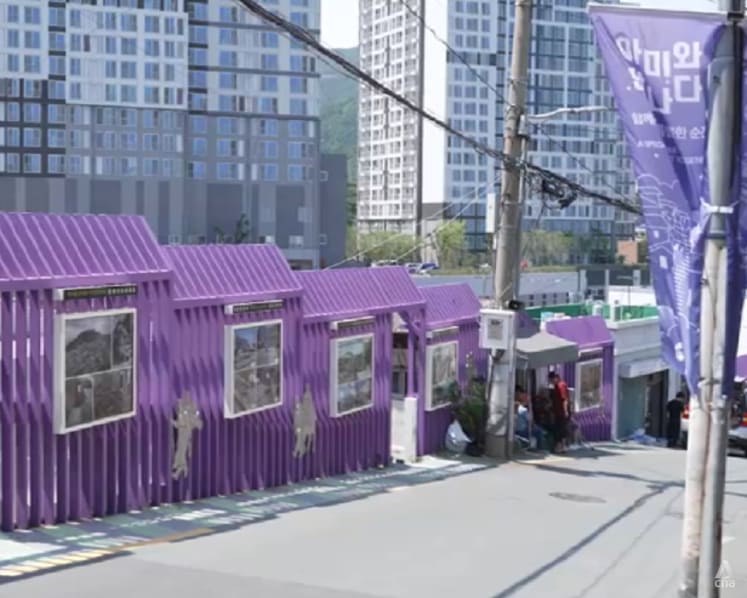
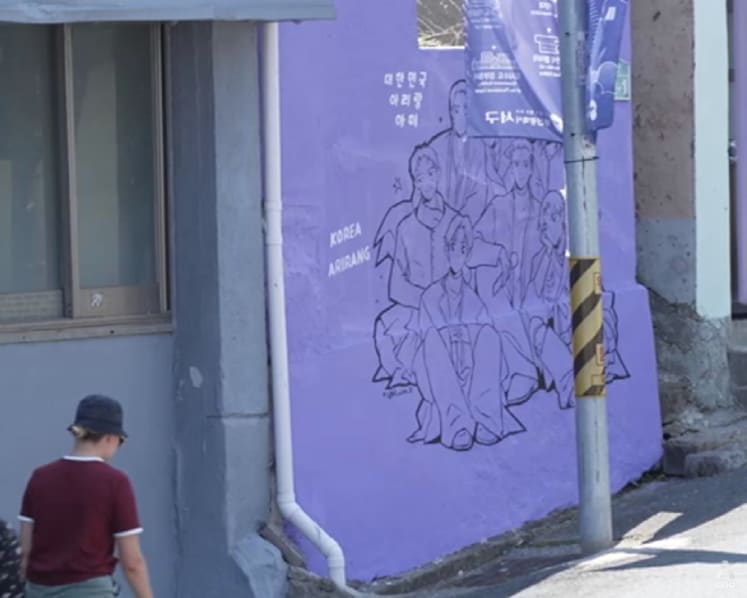
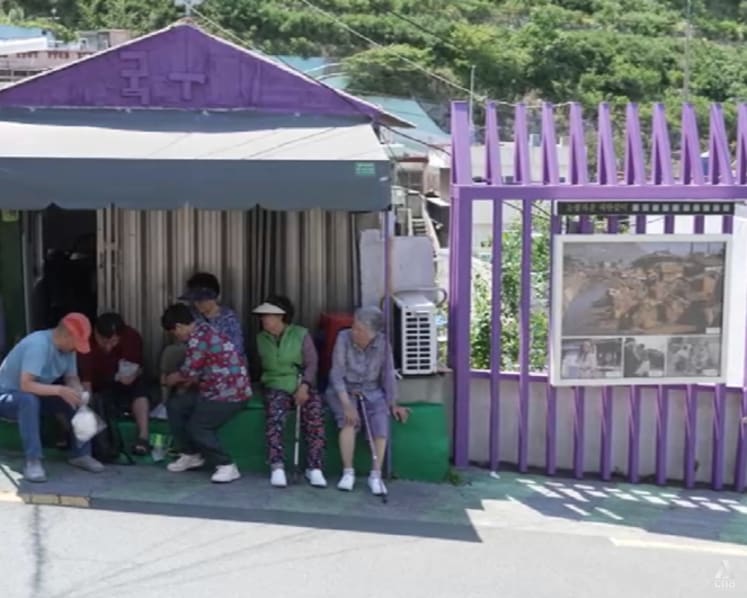
“Just as Liverpool revitalised its tourism industry through the Beatles, I firmly believe that Ami-dong in Seo-gu, Busan, can achieve the same kind of revitalisation through BTS,” Kim said.
He hopes the increase in tourists will lead to new businesses, cafes and souvenir shops and improve spending.
For Ami-dong residents such as Park, the arrival of visitors is already making a difference.
“When those people come and go, the neighbourhood comes alive again,” she remarked.
Source: CNA/oc(mp)
Sign up for our newsletters

Get the CNA app
Stay updated with notifications for breaking news and our best stories
Get WhatsApp alerts
Join our channel for the top reads for the day on your preferred chat app

Get bite-sized news via a new
cards interface. Give it a try.
Click here to return to FAST
Tap here to return to FAST
FAST