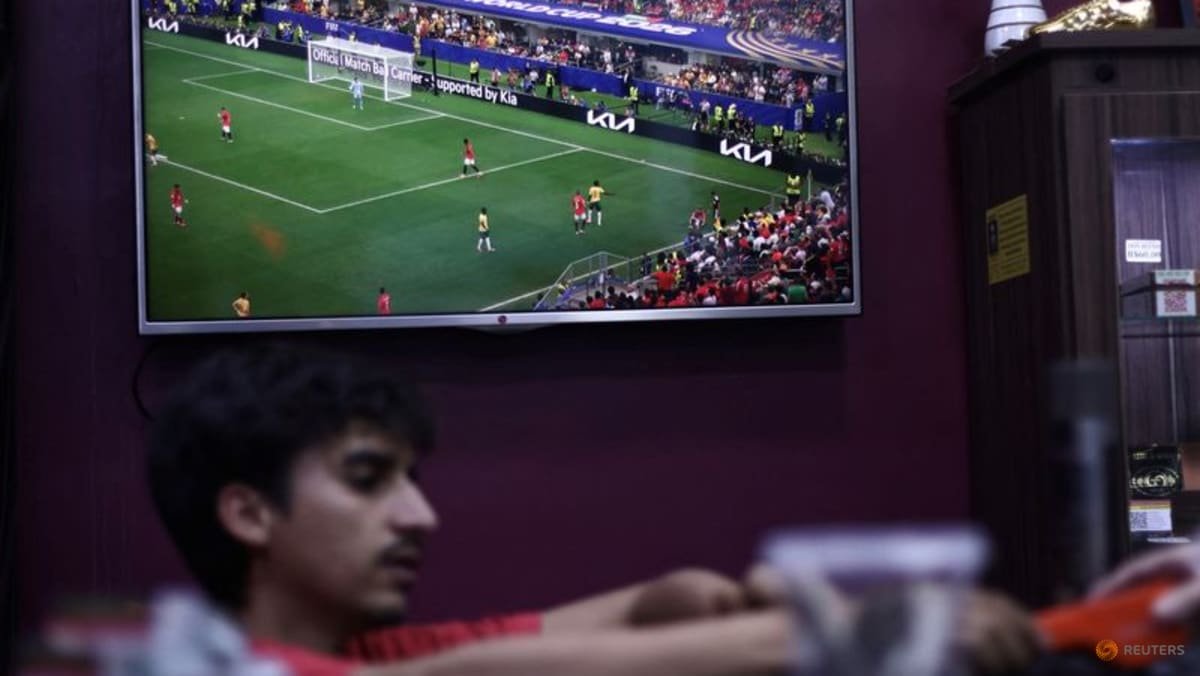
In soccer-crazy Brazil, streaming upstart pulls World Cup viewers from TV to YouTube
Read a summary of this article on FAST.
Get bite-sized news via a new
cards interface. Give it a try.
Click here to return to FAST
Tap here to return to FAST
FAST
BRASILIA, July 5 : For decades, watching the World Cup in soccer-obsessed Brazil usually meant turning on the TV, but this year, for the first time, only half the games are being broadcast the usual way.
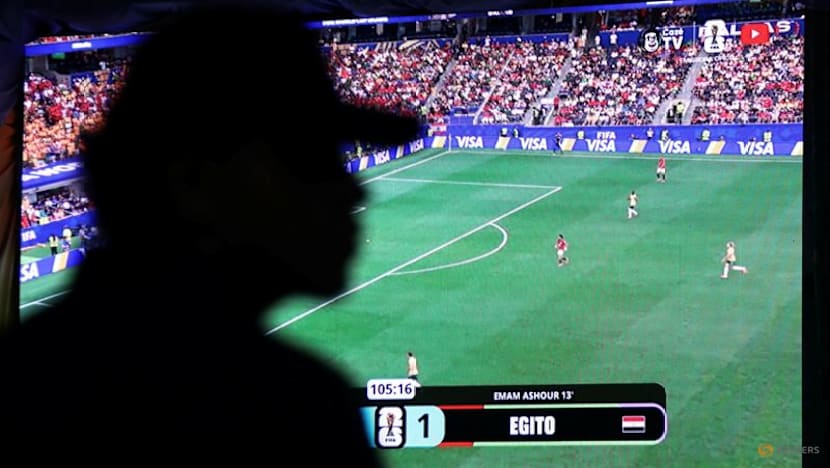
YouTube-based CazeTV, founded by streamer Casimiro Miguel, is the only platform showing all 104 matches for free, turning Latin America’s largest media market into a closely watched laboratory for live sports in the streaming era.
As Brazil face Norway for a spot in the quarter-finals on Sunday, long-dominant Globo, the largest TV network in Latin America, remains the country’s biggest World Cup broadcaster – reaching 86 per cent of the tournament’s audience so far.
But early ratings suggest the audience has fragmented as viewers split among CazeTV and other outlets.

Guess Word
Crack the word, one row at a time

Buzzword
Create words using the given letters

Mini Sudoku
Tiny puzzle, mighty brain teaser

Mini Crossword
Small grid, big challenge

Word Search
Spot as many words as you can
The streaming shift has given younger fans more ways to watch, while making some games easier to miss for casual viewers accustomed to finding the World Cup on free-to-air TV.
CazeTV says it peaked at 21.3 million simultaneous connected devices, when Brazil beat Japan 2-1, which would make it one of the most-watched live streams on YouTube ever.
Its owner, LiveMode, has taken the concept to Portugal, where LiveModeTV, a YouTube channel with star player Cristiano Ronaldo as a major stakeholder, is broadcasting 34 World Cup games for free. In its first weeks, LiveMode says the channel reached nearly 90 per cent of Portuguese households.
FERTILE GROUND
Brazil’s sports culture, high digital engagement and influential content creators fashioned the right conditions for CazeTV’s model to flourish, said LiveMode co-founder Sergio Lopes.
“Every major sports organisation is asking how to connect with audiences whose media habits have changed significantly,” he said. “Brazil is one of the places where this transformation has moved very quickly, so it has allowed us to test and refine ideas at scale.”
When global soccer’s governing body FIFA announced its 2026 World Cup deal with CazeTV, it said it wanted to connect with younger audiences “through digital, community-driven coverage.”
The appeal of CazeTV, which can also be streamed on some apps like Amazon Prime and Disney+, stems from young presenters, like Casimiro, known to fans as “Caze,” who speak directly to the audience with informal commentary and humour.
Its rise reflects a global shift to streaming, said Danni Moore, a broadcasting analyst at UK-based Ampere Analysis. Her firm’s latest survey found 53 per cent of sports fans aged 18-34 prefer streaming, compared with 45 per cent of fans overall.
But CazeTV’s decision to integrate sports betting into the broadcast, showing odds of the games on sponsoring betting platforms, was the subject of broad criticism in a country where addiction to betting has become a topic of government concern.
CazeTV’s opening came after Globo renegotiated its World Cup rights with FIFA during the pandemic, retaining television rights while giving up digital exclusivity in a move the broadcaster said balanced rising rights costs with value for audiences and advertisers.
FIFA later partnered with LiveMode, which launched CazeTV with Miguel for the 2022 World Cup and expanded its rights for 2026.
For Jose Carlos Marques, one of Brazil’s leading scholars on soccer media, Globo’s failure to buy all the World Cup rights in 2020 was a “strategic mistake” that let CazeTV’s backers seize an opportunity in a country where online engagement is exceptionally high.
“The television networks will want to strike back for the 2030 World Cup,” he said. “They’ll try to compete on equal footing with CazeTV, or with whatever other outlet emerges wanting to broadcast the tournament.”
Source: Reuters
Sign up for our newsletters

Get the CNA app
Stay updated with notifications for breaking news and our best stories
Get WhatsApp alerts
Join our channel for the top reads for the day on your preferred chat app

Get bite-sized news via a new
cards interface. Give it a try.
Click here to return to FAST
Tap here to return to FAST
FAST