India to test all bottled water brands after Bisleri sample found unsafe
Bisleri, introduced in India in 1965, is a household name in the country where poor water quality often prompts people and tourists to buy packaged water both for homes and at restaurants.
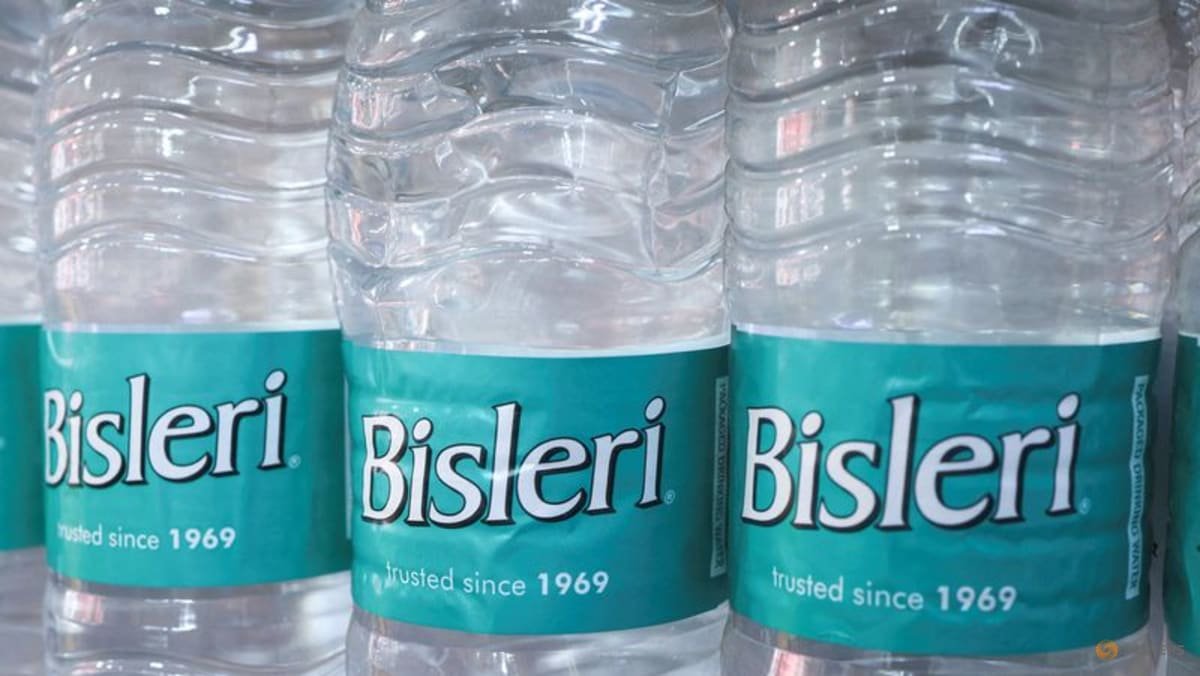
File photo. Bottles of Bisleri water stacked inside a shop for sale in Kolkata, India, Mar 12, 2026. (Photo: Reuters/Sahiba Chawdhary)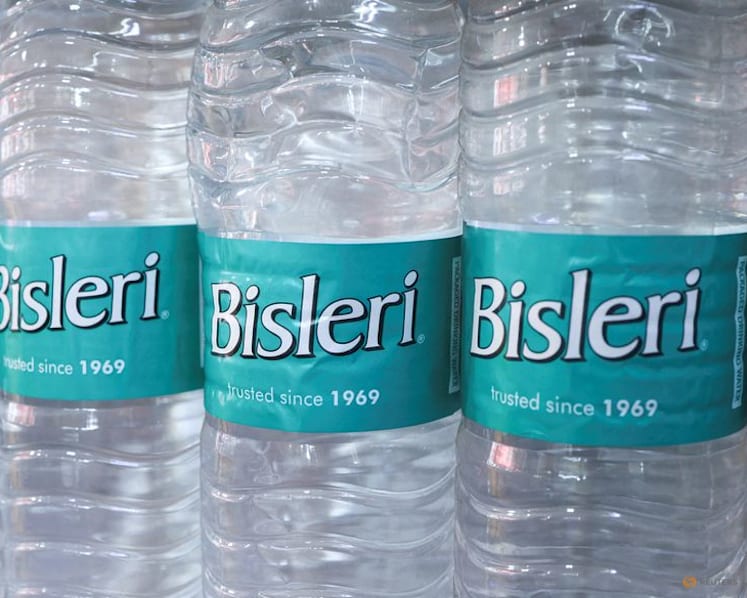
Read a summary of this article on FAST.
Get bite-sized news via a new
cards interface. Give it a try.
Click here to return to FAST
Tap here to return to FAST
FAST
DELHI: India’s food safety regulator has found a sample of Bisleri International’s packaged drinking water unsafe in a major setback for the country’s biggest and best-known bottled water brand, and a government source said samples from all companies will now be tested.
In light of the findings, the Food Safety and Standards Authority of India (FSSAI) plans to test more Bisleri samples from across the nation, as well as those of other companies, a government source said.
Bisleri competes with PepsiCo’s Aquafina and Coca-Cola’s Kinley in India’s packaged drinking water market, valued at US$3.6 billion in 2025, according to Persistence Market Research.
“Drinking water safety is a priority for Bisleri. We maintain stringent quality controls,” Bisleri said, adding it will cooperate with the regulators.

Guess Word
Crack the word, one row at a time

Buzzword
Create words using the given letters

Mini Sudoku
Tiny puzzle, mighty brain teaser

Mini Crossword
Small grid, big challenge

Word Search
Spot as many words as you can
The eponymous brand Bisleri, introduced in India in 1965, is a household name in the country where poor water quality often prompts people and tourists to buy packaged water both for homes and at restaurants.
A second government source said the batches linked to the unsafe sample had been recalled, and subsequent testing of products showed no issues with water quality.
The sample, collected from Bisleri’s premises, did not meet prescribed limits on bromate, a chemical formed as a by-product of certain disinfection processes, the FSSAI said in a social media post on Sunday (Nov 22).
After Bisleri appealed the finding, the government regulator still found the sample unsafe but instead said it had detected polynuclear aromatic hydrocarbons, or PAHs, the FSSAI said.
PAHs are of serious public health concern due to their toxic, mutagenic, and carcinogenic properties, according to research published last year on the National Library of Medicine’s PubMed database. Some individuals who ingested high concentrations of bromate experienced kidney problems and hearing loss, according to the New York health department, though they were exposed to levels many thousands of times higher than the drinking water standard.
Bisleri said in its statement that the sample collected from its Goa facility last year showed bromate levels of 12 micrograms per litre against the prescribed limit of 10 micrograms per litre, but further independent testing arranged by the company showed the chemical was within prescribed limits.
India’s food regulator has stepped up enforcement against major brands this year, including legal action against Nestle over a baby food sample it found substandard in September.
Source: Reuters/aj
Sign up for our newsletters

Get the CNA app
Stay updated with notifications for breaking news and our best stories
Get WhatsApp alerts
Join our channel for the top reads for the day on your preferred chat app

Get bite-sized news via a new
cards interface. Give it a try.
Click here to return to FAST
Tap here to return to FAST
FAST