Is walking your dog enough? Inside Singapore’s dog gym that’s changing canine fitness
A gym for dogs? Not quite Hyrox-level training, but Barker & Pooch offers tailored fitness programmes for canines, using custom-built inclined treadmills, swim sessions and post-workout recovery to help them lead healthier, more active lives.
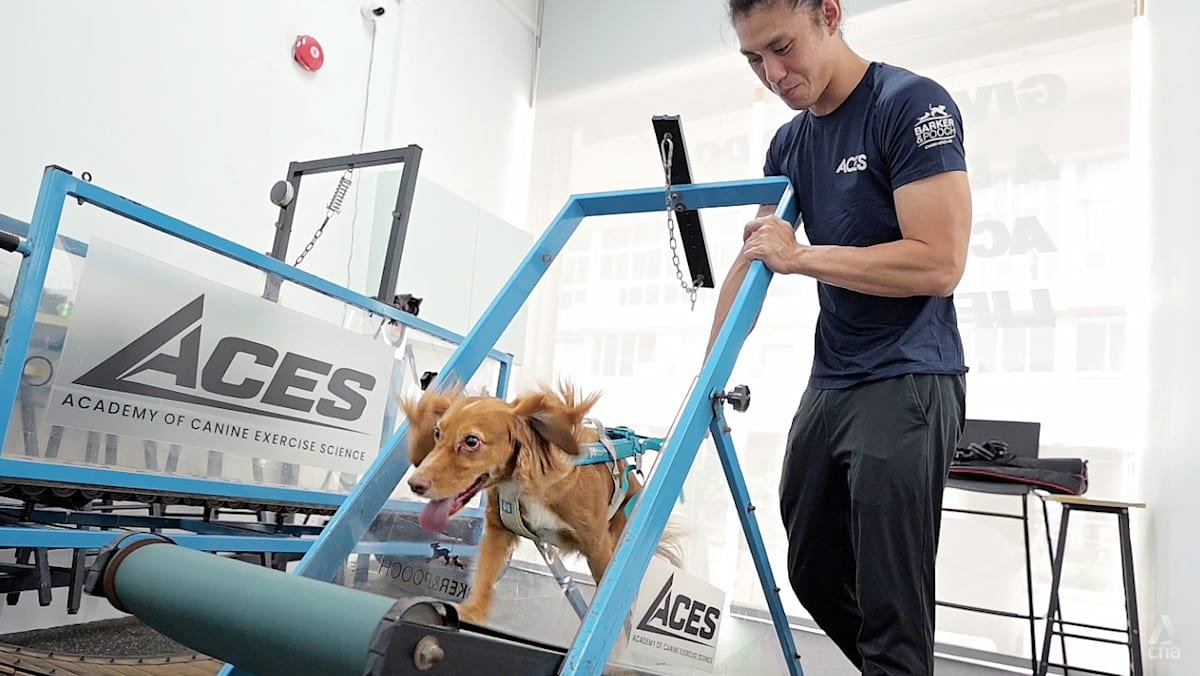
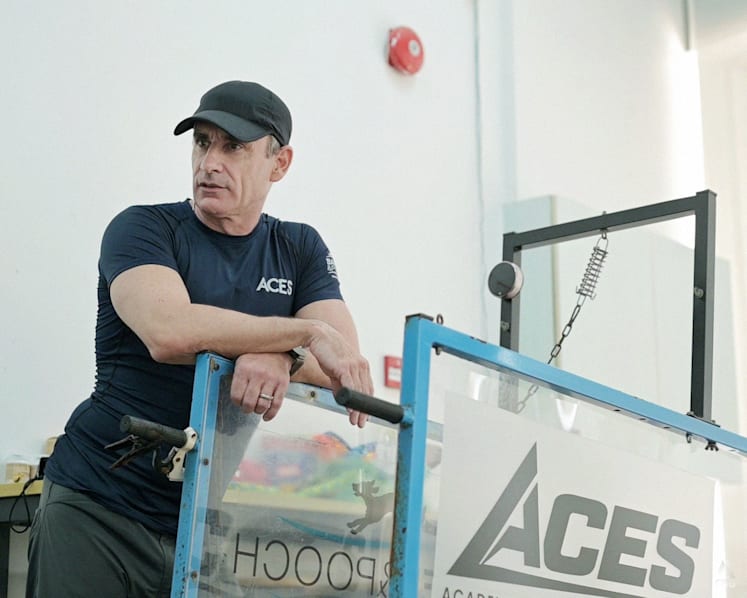
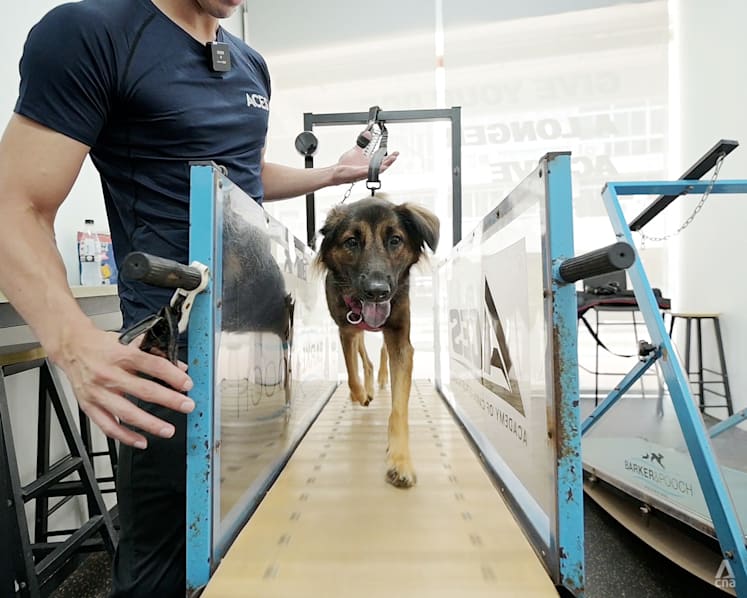
Barker & Pooch’s head coach Leo Lee supervises a dog during a treadmill workout. (Photo: CNA/Joyee Koo)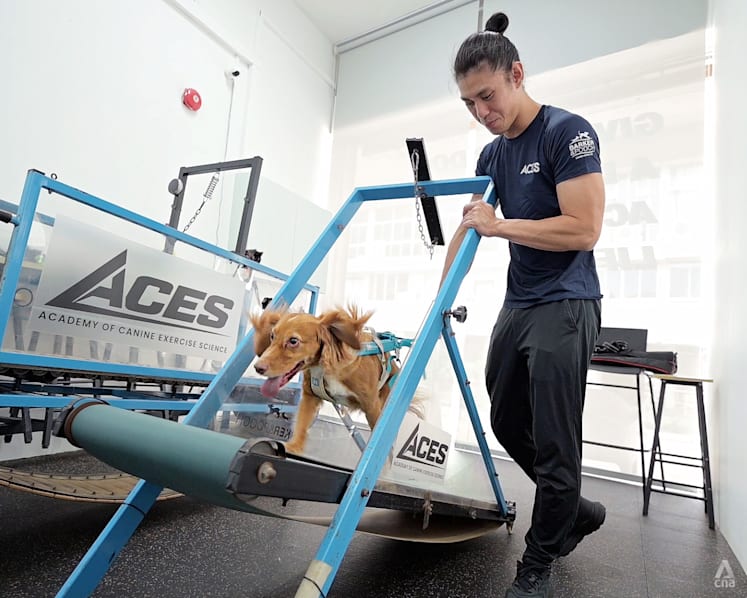
New: You can now listen to articles.

This audio is generated by an AI tool.

Read a summary of this article on FAST.
Get bite-sized news via a new
cards interface. Give it a try.
Click here to return to FAST
Tap here to return to FAST
FAST
While Singapore has several centres dedicated to rehabilitating dogs after injuries or for age-related conditions, this fitness studio on Telok Kurau Road takes a different approach. It doesn’t offer hydrotherapy or physiotherapy. Instead, it focuses on preventative fitness to help them stay active before mobility issues arise.
Opened in 2019, Barker & Pooch is among the first centres in Singapore to focus on canine fitness through exercise science, creating personalised fitness programmes tailored to each dog’s age, breed, mobility and overall physical condition.
A WORKOUT DESIGNED FOR DOGS
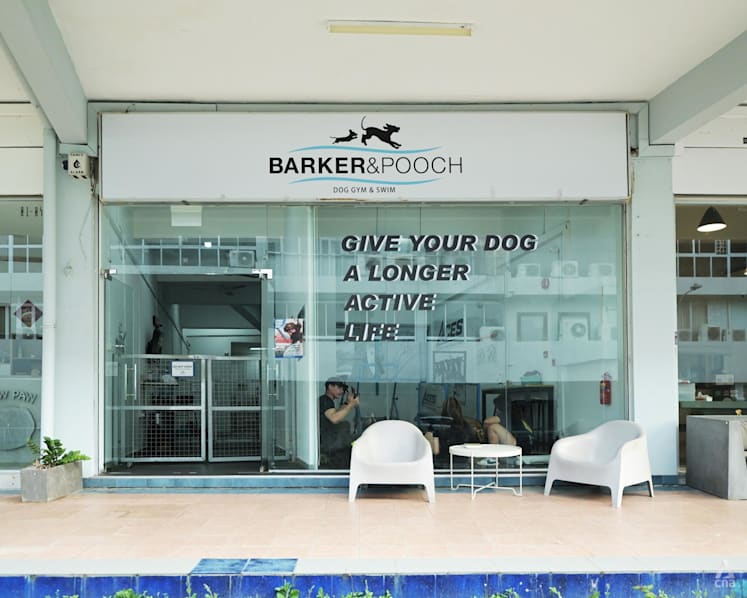
The studio houses different types of treadmills in an air-conditioned gym, alongside an indoor cooling pool, a shower area and a dedicated recovery space.
Every dog first undergoes an assessment before starting a personalised training programme.
“The first thing we assess is their physical condition,” said Leo Lee, head coach at Barker & Pooch. “If a dog comes in needing surgery, injury treatment or physiotherapy, we unfortunately cannot take them and will refer them to our recommended specialists.”
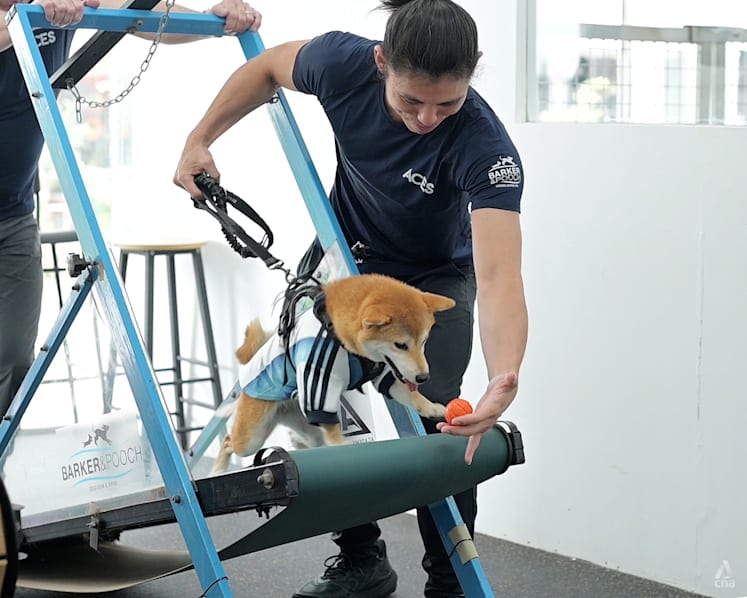
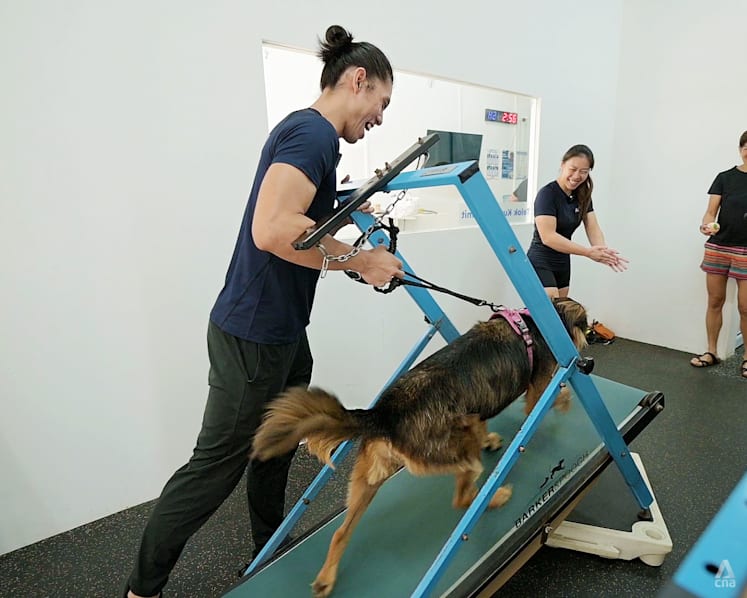
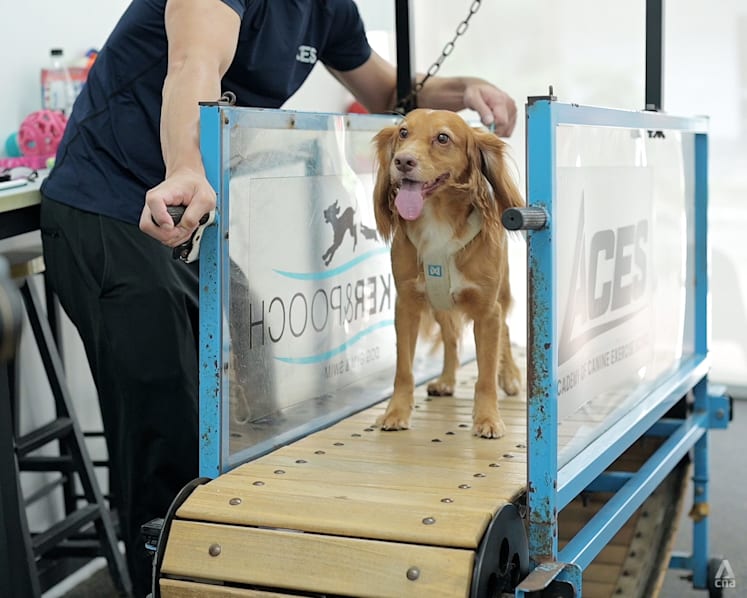
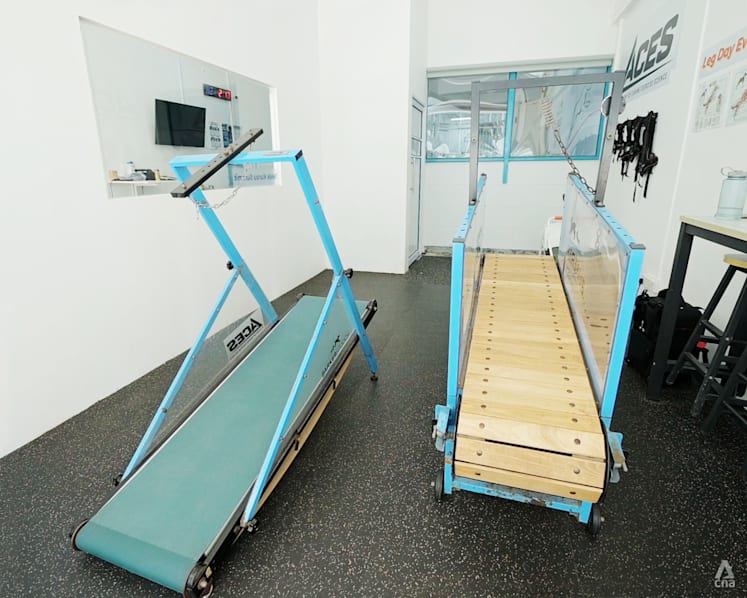
The gym features one electric treadmill alongside two self-powered treadmills that rely largely on the dogs themselves, providing additional resistance during their workout.
While treadmill training helps build muscle, walking on an incline specifically targets the hind legs – an area Lee says is often underworked during regular walks.
“When a dog is standing or walking on flat ground, about 60 to 70 per cent of their weight is naturally carried by the front limbs, so the hind legs are often neglected,” he explained. “By walking on an incline, you shift more weight to the hind legs, giving them a more balanced workout.”
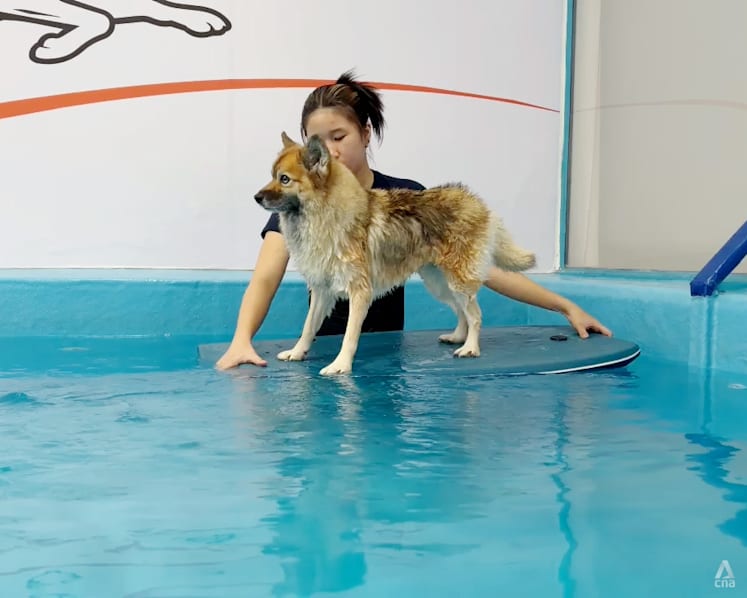
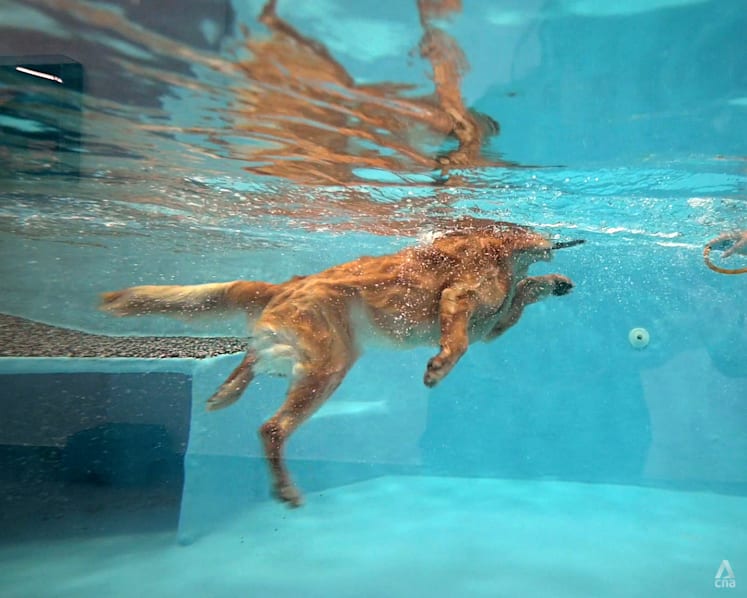
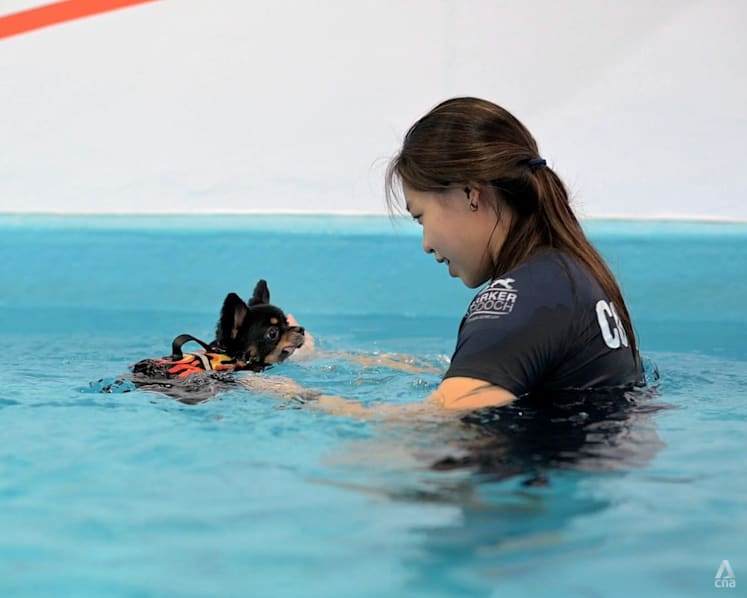
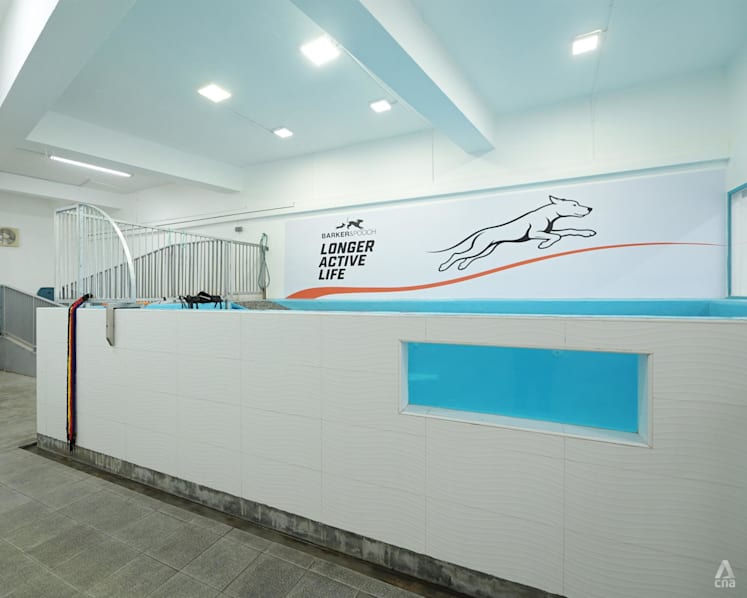
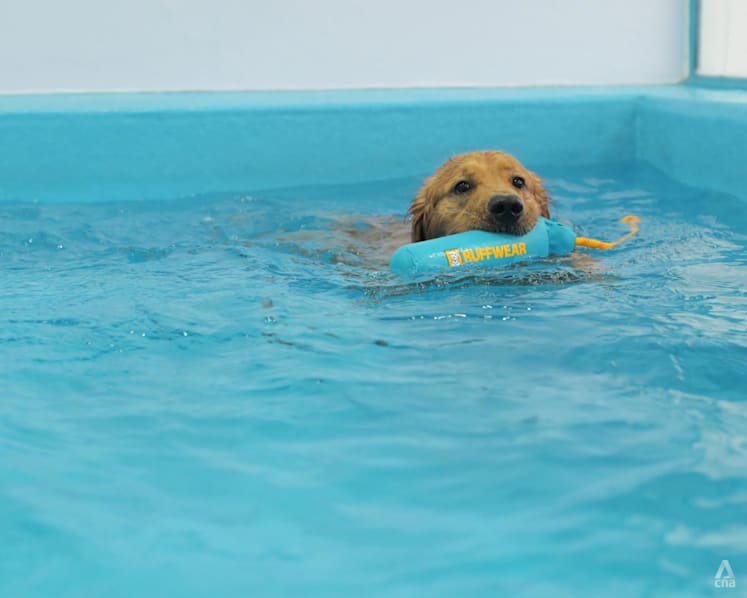
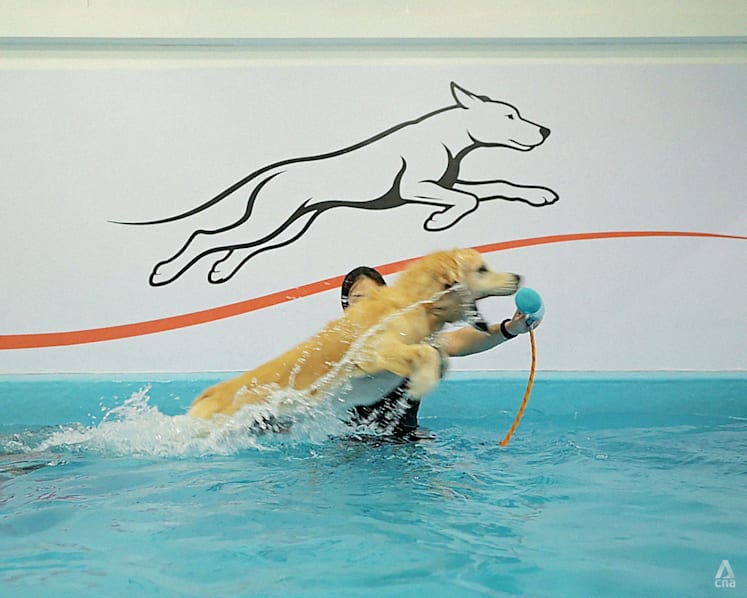
First-time swimmers wear life jackets or are gradually introduced to the water on a surf board, allowing coaches to assess how comfortable they are before swimming independently. A transparent viewing panel allows coaches to observe each dog’s movement underwater, helping them tailor programmes that target cardiovascular fitness, explosiveness and overall strength.
“Just one minute of swimming equates to four minutes of running,” said Stephen Cranston, founder and director at Barker & Pooch.
Unlike hydrotherapy pools, Barker & Pooch’s pool is deliberately kept cool rather than heated.
“Temperature is a problem for dogs in Singapore. They tend to reach heat fatigue long before they reach muscle fatigue, so the training effect is compromised, which then compromises fitness and, ultimately, their health,” Cranston explained.
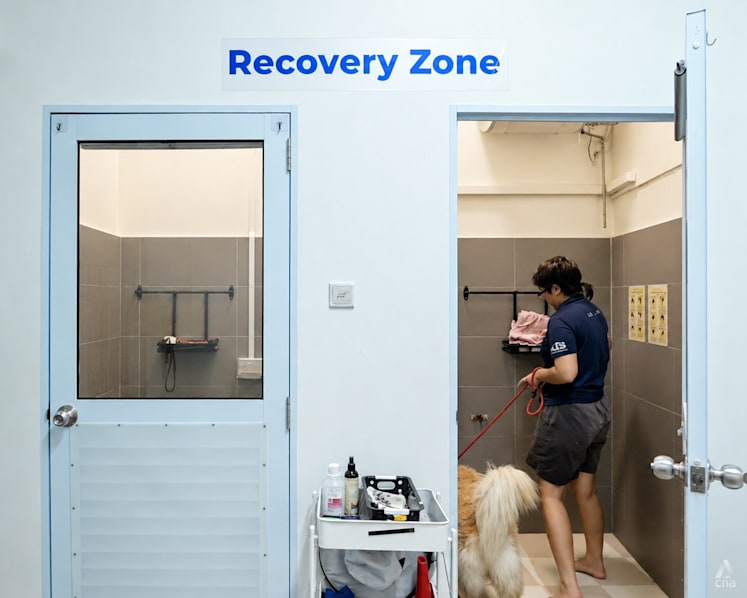
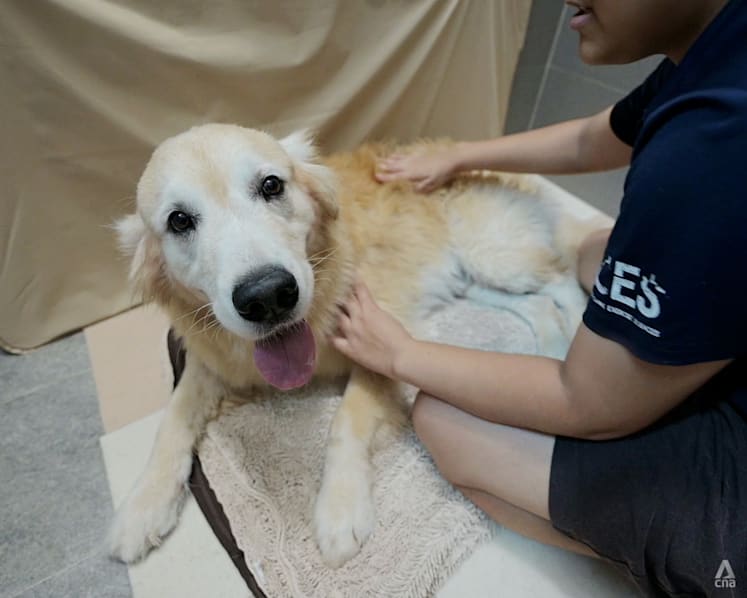
Recovery is treated as an equally important part of every session. After exercising, dogs undergo cooldowns, stretches or massages in the recovery room where needed. Those that have gone for a swim are also given a shower and dried off before heading home.
THE SPARK: A ROTTWEILER NAMED TYSON
For Cranston, Barker & Pooch began not with a business idea, but with his own dog.
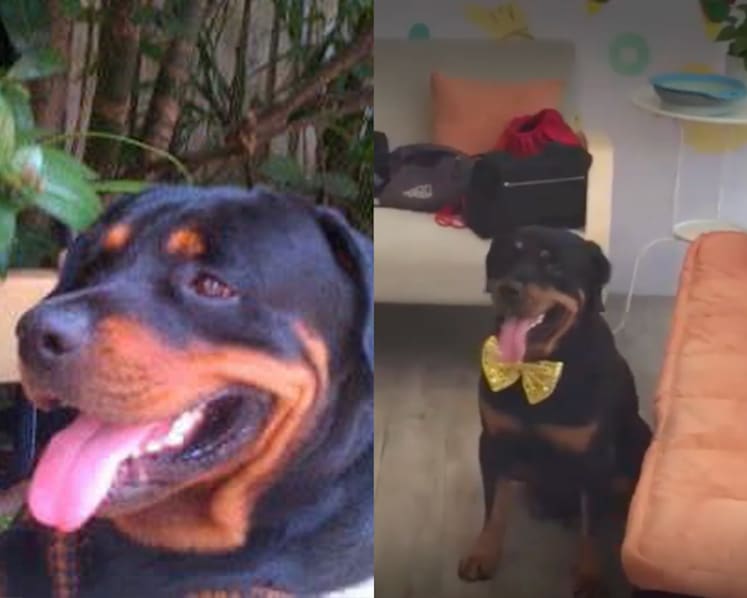
“I had a big Rottweiler called Tyson, whom I treated like he was my son. He was going to play for Liverpool – a tenacious midfielder, I felt. And I wanted to train him.” Cranston said with a laugh.
Originally from Northern Ireland, Cranston grew up working with dogs on a farm, where the cool climate and varied terrain naturally kept them active.
“It was relatively easy there,” he recalled. “We had space, a cool climate, the right terrain and a high tolerance of dogs.”
When he moved to Singapore in 1993 with Tyson, Cranston quickly realised the country’s flat concrete landscape and tropical heat made it challenging to provide the kind of varied, physically demanding exercise he wanted for his dog. Determined to find a solution, Cranston enrolled in a canine fitness certification programme. While it introduced him to the field, it wasn’t quite what he was looking for.
“I don’t want to say it wasn’t a good certificate, but it didn’t really give me what I wanted and wasn’t really suitable for my dog,” he said. “It was very therapy-based and somewhat dog-sports focused. My dad was a coach as well, and he always said, ‘You don’t get fit by playing sport. You get fit to play sport.’”
That philosophy would eventually become the foundation of Barker & Pooch.
BUILDING A BUSINESS THAT DIDN’T EXIST
“I didn’t spot a gap in the market. In fact, there was no market because when we first opened, there were some days when we had no dogs,” said Cranston.
Introducing the concept when Barker & Pooch opened in 2019 proved to be one of the biggest challenges. Many pet owners assumed Barker & Pooch was either a rehabilitation centre or a dog training school because there wasn’t anything quite like it in Singapore.
“We never used the words ‘dog trainer’ because we didn’t want people to confuse us with obedience training, so we use the word ‘coaches’,” said Cranston.
One of the most common misconceptions, he added, is that dogs don’t need structured exercise if they’re already healthy. Many owners believe that daily walks or trips to the dog park are sufficient.
“If you just go to the dog park, that’s exercise. It’s not structured. It’s good for them, but it’s not optimal in terms of training results,” said Cranston. “Here, the goal is to optimise body composition and muscle strength to ensure they have a longer, active life.”
WHY PREVENTION MATTERS
While staying active doesn’t guarantee dogs won’t develop illnesses later in life, Cranston believes building strength from a young age gives them a stronger foundation to age well and recover more effectively if health issues arise. His own dog Tyson became the reason he holds that belief so strongly.
The Rottweiler was diagnosed with bone cancer and eventually had one of his hind legs amputated.
“He had his leg amputated and the day after I went to pick him up, he walked to the car, which was fantastic,” Cranston recalled. “That’s not rehab. That’s because of everything I had done for years before. I believe in this stuff because I’ve lived this with my own dogs.”
Over the years, he’s also noticed that beyond becoming physically stronger, many dogs seem to grow more confident.
“We have lots of stories from our clients that their dogs are just getting more confident,” he said. “We don’t do any behavioural training here, but there seems to be some effect of the physical effort on the mind.”
FINDING THE RIGHT PEOPLE FOR THE JOB
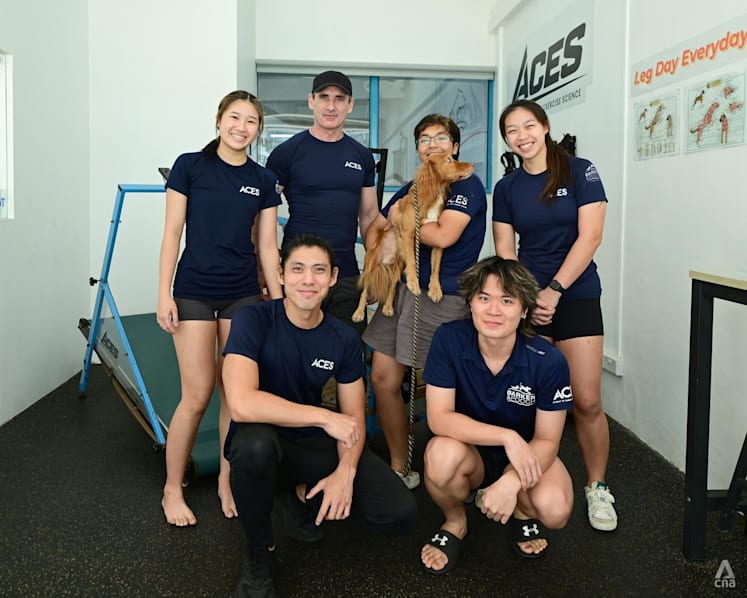
Creating an entirely new business also meant figuring out who to hire.
“The first years were difficult because, first of all, who do I hire?” said Cranston. “I’ve created this concept, but until I train people on it… how do I find them?”
One of the earliest coaches he brought on was Leo Lee, now Barker & Pooch’s head coach. Before joining the company, Lee worked as a personal trainer for humans and had no previous experience working with dogs. For Cranston, however, technical knowledge wasn’t the most important quality. Instead, he looked for people with genuine physical energy and the ability to connect with dogs.
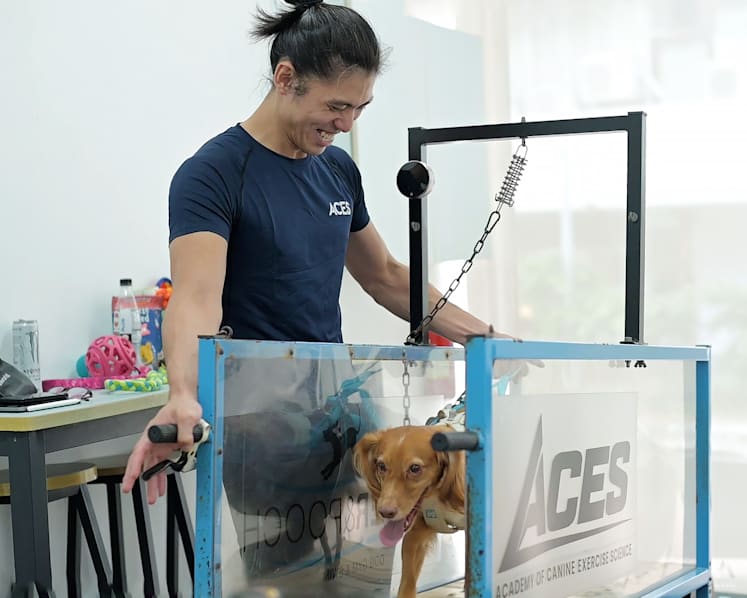
For Lee, seeing the dogs progress over time has become one of the most rewarding parts of the job.
“Seeing them progress and improve, it’s really, really rewarding,” he said. “You’ve got to bring the energy, and you’ve got to bring the mood as well. The purest joy of working with them is their work ethic. Their work ethic is very, very strong, with great athleticism and execution.”
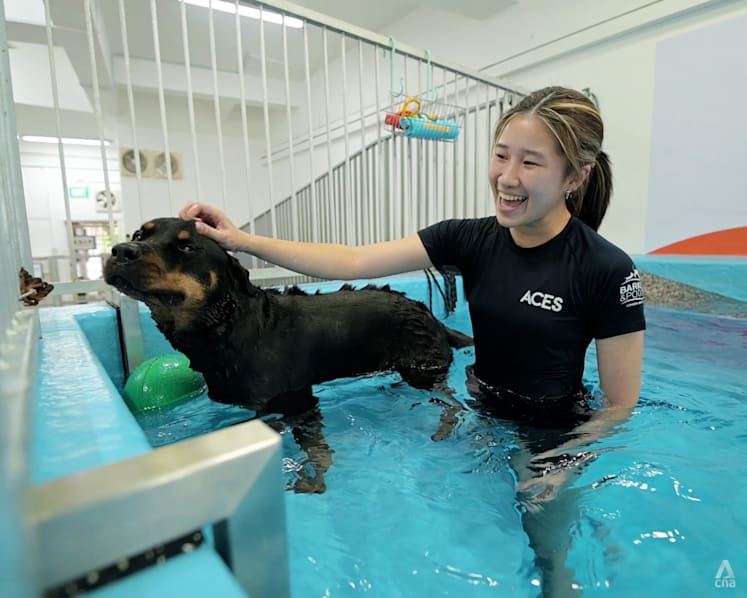
Another coach, Megan Lau, who studied Sports and Exercise Sciences, joined Barker & Pooch earlier this year. She said the role suits her personality perfectly.
“I can compare myself to a high-energy dog,” Lau joked. “I’ve always got to be moving around, and I think a lot of jobs don’t really let me expend that energy. I think I move around more than the dogs!”
3 ways to keep your dog fit
The coaches at Barker & Pooch share these simple ways to ensure your pet’s fitness.
- Seek out slopes: Walking uphill shifts more weight to the hind legs, helping to build muscle. Gentle hills or even multi-storey car parks can provide a good workout.
- Exercise during cooler hours: Take longer walks before sunrise or later in the evening to reduce the risk of overheating.
- Prioritise recovery: Gentle massages and stretches after exercise can aid recovery. Equally important are quality sleep, proper nutrition and adequate rest, while light walks on recovery days help improve blood circulation and loosen the joints.
Collapse
Expand
DOGS OF ALL SHAPES, SIZES AND PERSONALITIES
Today, Barker & Pooch’s clientele ranges from high-performance show dogs to senior retired service dogs, with some clients returning every week since the studio’s early days.
“Every individual dog is very different,” said the head coach. “From taking 50 to 60 dogs a week, across different breeds, families and diets, the training approach has to be different.”
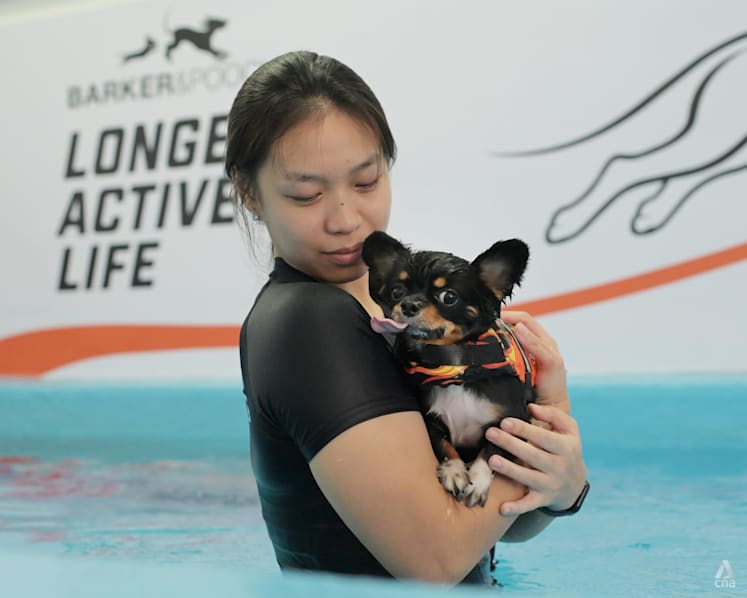
Over the years, Lee has also noticed differences between male and female dogs.
“Female dogs can be a little bit more reserved. They tend to be more drama divas from time to time, depending on the individual,” he said. “The male dogs are a little bit more forgiving in that sense. A male Rottweiler will probably be more buddy-buddy with you, like your little brother.”
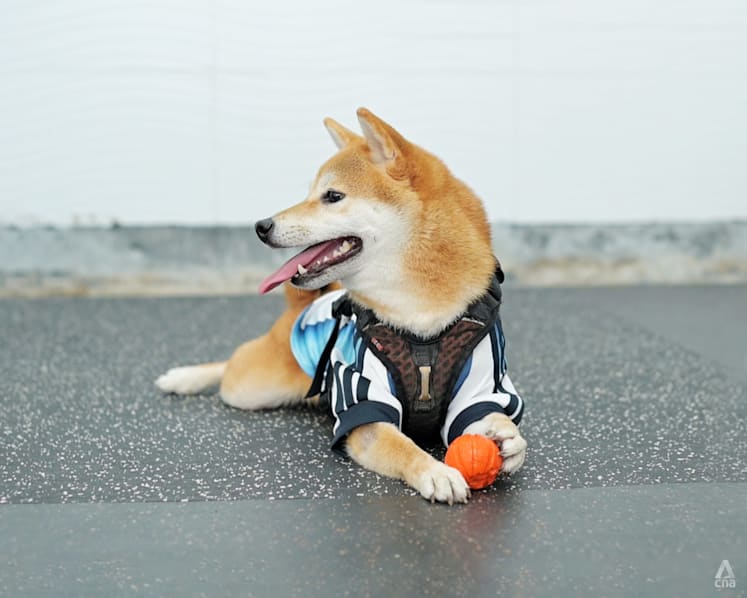
The coaches have also observed distinct personality traits among different breeds.
“Shiba Inus can be a little bit trickier compared to, say, retriever breeds,” said coach Megan said. “Retrievers would just go for it with fewer questions asked. A Shiba would need more reasoning.”
LIKE HAVING A PERSONAL TRAINER
One of Barker & Pooch’s long-time clients is Singapore-based actor and television host Bobby Tonelli, who brings his seven-year-old Rottweiler, Praha, to the studio.
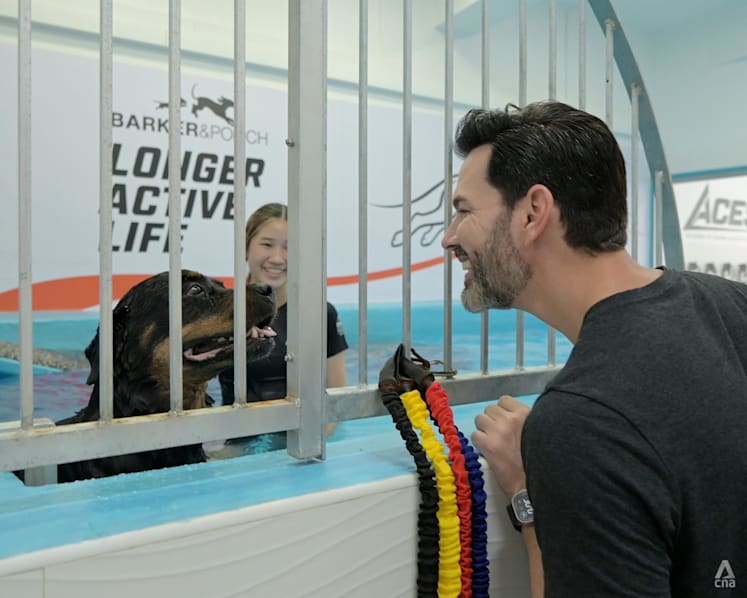
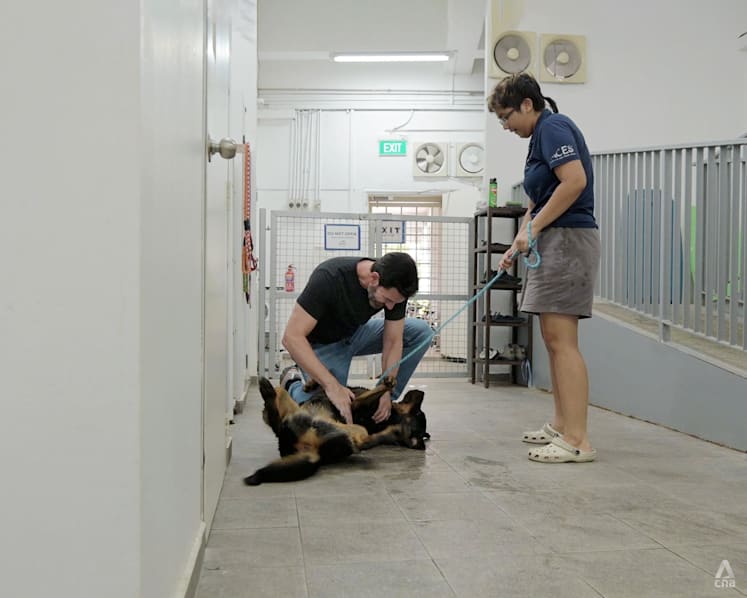
As a working breed, he believes Rottweilers need to be both physically and mentally challenged.
“They do different drills with her and keep it random so they can keep building on her progress,” Tonelli said. “They assess her every few weeks to see where her strengths and weaknesses are and how to improve them. It really is exactly like having a personal trainer.”
And judging by Praha’s excitement each week, the feeling appears to be mutual.
“Even though she doesn’t know the days of the week like we do, she knows when it’s her day. She wakes up on Sunday mornings and you can just see it – it’s swimming day. She’s very happy. She loves it.”
“NO USE FOR A LONGER LIFE IF THE QUALITY OF LIFE ISN’T GOOD”
For Cranston, the belief that a dog’s quality of life matters just as much as its lifespan has shaped Barker & Pooch from the very beginning.
The goal has never been to turn dogs into elite athletes or competition champions, but to help them stay strong, mobile and active for as long as possible.
“We have these joyous, energetic dogs getting to do what they love in the prime of their life,” he said. “It’s about giving them a longer, more active life and making the most of the precious years they have with us.”
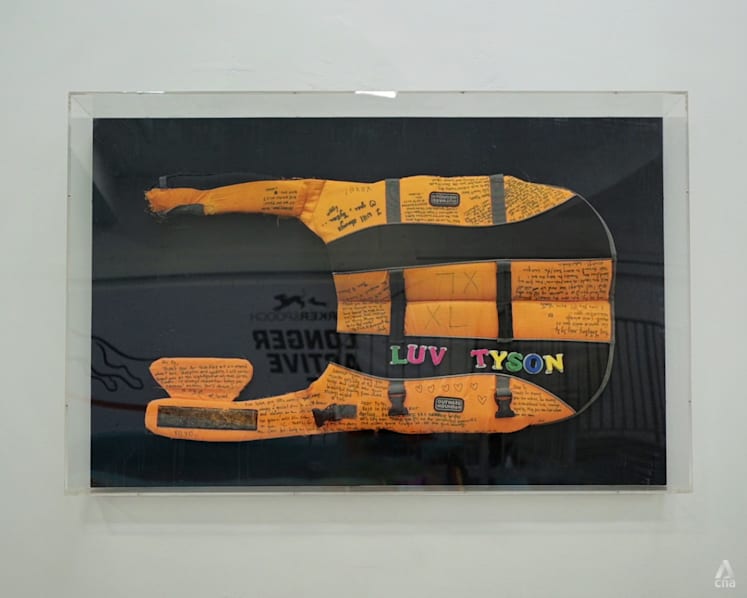
In many ways, Barker & Pooch remains a tribute to Tyson, the Rottweiler who inspired it all.
“I even wanted to call the gym after Tyson,” Cranston said, smiling. “Then I realised naming it after a big Rottweiler might scare people off. We’re not just for a particular type of dog – we’re for everyone.”
“It was never meant to be a commercial venture. It was something of a tribute to him. I certainly can’t take credit for imagining how successful it’s become.”
Source: CNA/jk
RECOMMENDED
Get bite-sized news via a new
cards interface. Give it a try.
Click here to return to FAST
Tap here to return to FAST
FAST
About The Author