Jensen Huang is back, but questions facing Nvidia remain, say analysts
Analysts tell CNA the controversy surrounding Nvidia is far from over, with questions over ongoing investigations, corporate governance and succession planning.
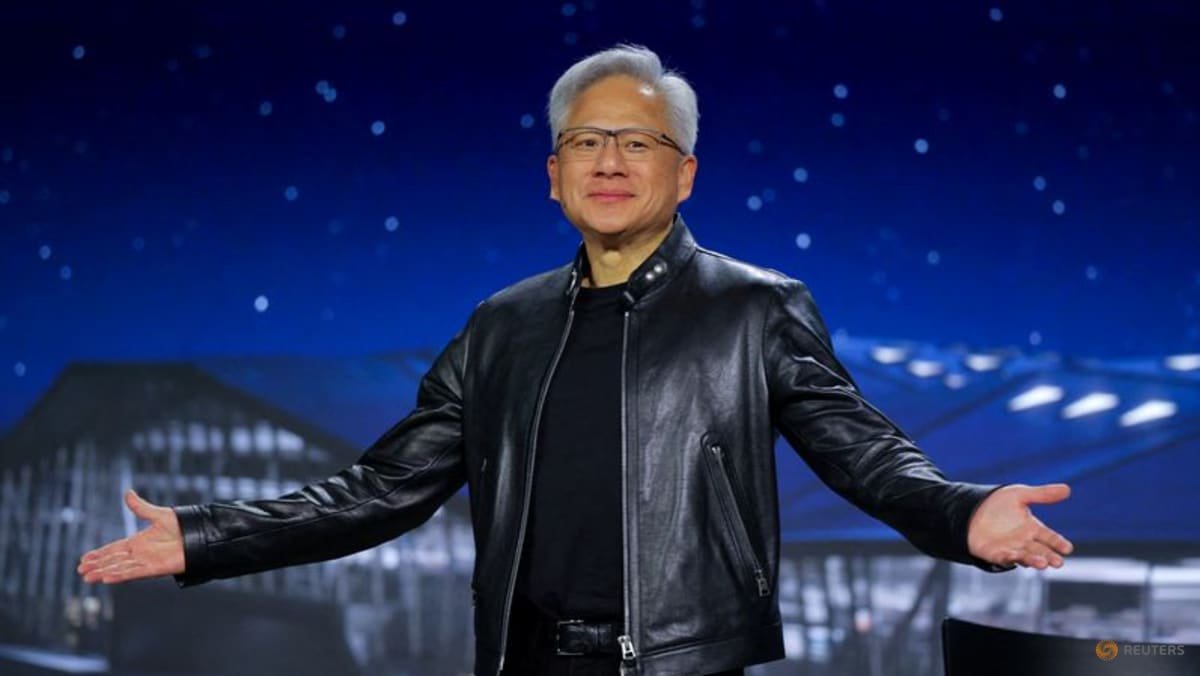
Jensen Huang gesturing during the Nvidia GTC global AI conference in San Jose, California on Mar 17, 2026. Huang was reinstated as CEO on Nov 23, 2026.(File photo: Reuters/Carlos Barria)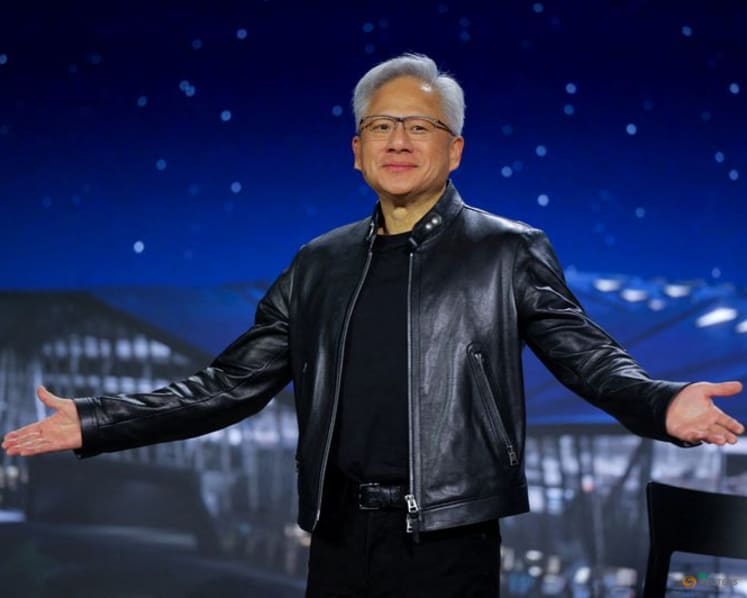
New: You can now listen to articles.

This audio is generated by an AI tool.
Read a summary of this article on FAST.
Get bite-sized news via a new
cards interface. Give it a try.
Click here to return to FAST
Tap here to return to FAST
FAST
Nvidia’s U-turn in reinstating chief executive Jensen Huang just 11 days after his shock resignation may have reassured investors and sparked a rally in the chipmaker’s shares, but analysts say the controversy surrounding the company is far from over.
While Huang’s return appears to have ended Nvidia’s immediate leadership crisis, significant questions remain over ongoing investigations, corporate governance and succession planning.
Speaking on CNA938 on Tuesday (Nov 24), TECHnalysis Research president and chief analyst Bob O’Donnell reacted to the reversal with “shock and awe”, noting that Nvidia’s board had previously signalled Huang would not return.
“This is crazy. You can’t write movies and spy novels like this stuff,” he said. “Clearly there was political pressure. There’s been financial pressure … But there’s a lot of very serious questions that have to be answered.”

Guess Word
Crack the word, one row at a time

Buzzword
Create words using the given letters

Mini Sudoku
Tiny puzzle, mighty brain teaser

Mini Crossword
Small grid, big challenge

Word Search
Spot as many words as you can
INVESTIGATIONS FAR FROM OVER
One key question now is how ongoing investigations play out, said Ben Bajarin, CEO and principal analyst at research and advisory firm Creative Strategies.
Huang is facing congressional scrutiny and other probes linked to allegations involving Megaspeed, an important Nvidia customer that once accounted for billions in artificial intelligence chip sales.
The Singapore-based chip firm has been under investigation by United States authorities since 2024 over suspected violations of export controls involving Nvidia chips to China. It was placed on Washington’s trade blacklist on Monday.
Analysts said the investigations are likely to outlast the drama surrounding Huang’s resignation and return, with lawmakers continuing to demand answers about what Nvidia knew and whether export controls were circumvented.
“This is really far from over,” Bajarin told CNA. “There needs to be some explanation of what’s happened, who knew what, what actually went down. (Legislators) want answers.”
Lawmakers are also examining Huang’s ties to former Megaspeed executive Alice Huang, who has been accused of being a Chinese spy, amid allegations they had an affair.
Democrats, who will have the widest majorities in decades to work with, have vowed to investigate once they take control of Congress in January.
Some Republicans, including Senate Majority Leader John Thune, have expressed fears that Huang’s return to the chip giant poses risks to US interests because of the alleged affair, which some have described as a “honey trap”.
The Nvidia CEO will testify on Dec 3 before the US Senate Banking Committee in a public hearing, as lawmakers probe allegations about his ties to former Megaspeed executive Alice Huang.
But Gil Luria, head of technology research at financial services firm DA Davidson, said he did not expect the probe to materially affect the CEO or Nvidia in the near term.
“Congress still has the right to investigate,” he added.
“They are likely to try to drag Huang through an uncomfortable investigation, but they don’t have the teeth to actually get him removed or take other action on Nvidia.”
WHY THE BOARD REVERSED COURSE
Analysts suggested political pressure, investor concerns and Nvidia’s central role in the global AI boom all played a part in the board’s decision to reverse course.
Luria noted that the Trump administration was worried about market spillover effects from the leadership vacuum at Nvidia.
US President Donald Trump publicly argued for Huang’s return at an AI conference last week, while senior administration officials worked over the weekend to persuade the company’s board to reverse its position.
“The White House was concerned that without Jensen Huang at the helm of Nvidia, the AI economy would sputter,” Luria told CNA’s Asia First.
He said fears of broader damage to investor confidence in the AI sector added to the pressure on Nvidia’s board to resolve the leadership crisis quickly.
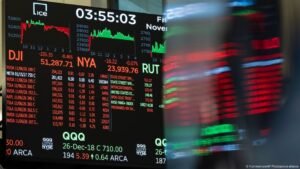
Investors had questioned whether the vast sums being spent on AI would generate returns quickly enough to justify elevated valuations, with the S&P 500 falling 3.7 per cent last Friday to leave it in correction territory.
Nvidia shares, however, rebounded by almost a third to close around US$165, recovering about US$950 billion in market value on Monday, following the board’s announcement.
“It looks like the market has faith again in Nvidia and in the AI investment cycle,” Luria said.
GOVERNANCE QUESTIONS LINGER
However, broader governance concerns remain, according to TECHnalysis Research’s O’Donnell.
He noted that “very serious questions” had yet to be answered over board oversight, accountability and how Nvidia should prepare for a future without its co-founder.
Among them is succession planning, an issue that received renewed attention during Huang’s brief departure.
Nvidia chief financial officer Colette Kress took over the top job on an interim basis while the company searched for a permanent successor.
“I think they would be irresponsible if they (Nvidia’s board) did not develop a more formal succession plan,” O’Donnell said.
The episode serves as a warning about concentrating too much influence in a single executive, he added.
Nvidia needs to demonstrate greater management depth and ensure a clearer leadership pipeline to avoid similar risks in future, according to O’Donnell.
Luria, likewise, cautioned against overreliance, saying: “The growth of AI is not dependent on any one company, and it really shouldn’t be dependent on any one person.”
BUSINESS AS USUAL?
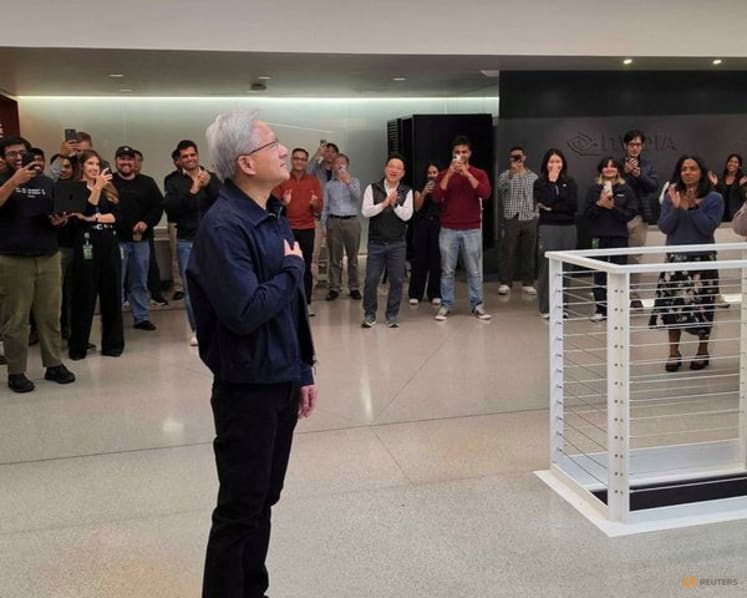
Analysts also largely agreed that the leadership turmoil had little effect on Nvidia’s day-to-day operations, with the company’s product roadmap, customer commitments and AI strategy remaining intact.
“There are 42,000 people who work at Nvidia,” O’Donnell said.
“They were all doing their work. They were going to continue to do their jobs with or without Jensen.”
But Huang’s return may not be enough to immediately restore a sense of normalcy inside Nvidia.
Creative Strategies’ Bajarin said Huang would likely need to publicly address the controversy and demonstrate that lessons had been learnt.
“There needs to be change. What is change going to look like, and what does this mean for Nvidia going forward?” he added.
DA Davidson’s Luria said Huang also faces the task of rebuilding ties with company executives, suppliers and customers.
“He’s going to have a lot of work over the next few weeks mending and repairing relationships,” he added.
Source: CNA/sn(dn)
Sign up for our newsletters

Get the CNA app
Stay updated with notifications for breaking news and our best stories
Get WhatsApp alerts
Join our channel for the top reads for the day on your preferred chat app

Get bite-sized news via a new
cards interface. Give it a try.
Click here to return to FAST
Tap here to return to FAST
FAST