Image: Sunday Alamba/AP Photo/picture alliance
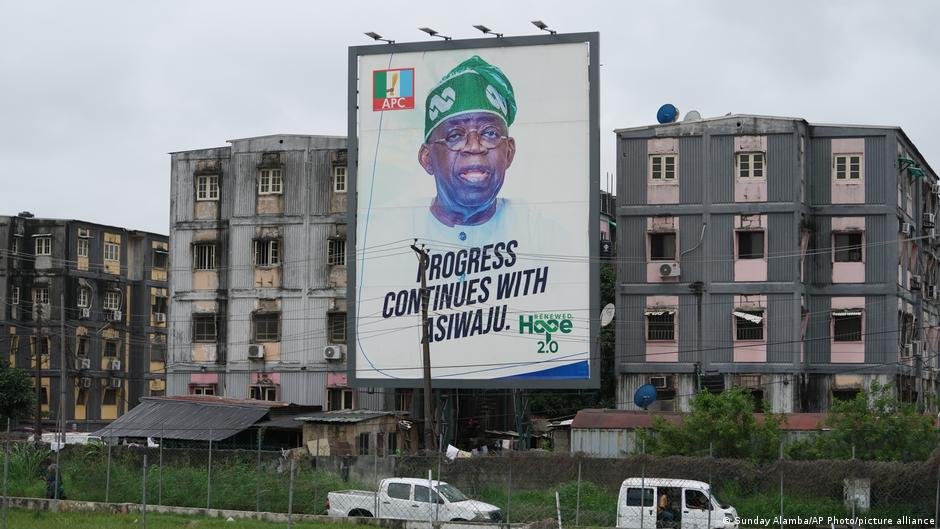
Campaigning began in Nigeria on Wednesday ahead of January’s presidential race that pits incumbent President Bola Tinubu against a divided opposition.
Nigeria’s economic woes and deadly security crises are set to have a bearing on voter sentiment in Africa’s most populous country.
Nearly 80% of Nigerians believe the country is heading in the wrong direction, with 45% citing economic hardship and insecurity as their top concern, according to a voter sentiment survey by SBM Intelligence.
Tinubu eyes second term
Tinubu, who was elected in 2023, will run against 18 opposition candidates.
However, the January 16 ballot is largely expected to be a rematch of the 2023 poll that was a three-man contest, featuring serial presidential hopeful former Vice President Atiku Abubakar and former state governor Peter Obi who made a mark in the last election with a mass youth appeal.
The 2023 scoreboard saw Tinubu garnering 36.6 percent of the vote to win the election as Abubakar secured 29 percent and Obi took 25 percent.
An opposition coalition formed by Atiku and Obi to take on All Progressives Congress’ Tinubu had previously fallen apart.
Both opponents are building their campaign against Tinubu on widespread frustration over economic hardship and insecurity fueled by violencefrom multiple armed groups.
To view this video please enable JavaScript, and consider upgrading to a web browser that supports HTML5 video
Tinubu faces Nigeria’s cost-of-living anger
During his first term, Tinubu enacted ambitious economic reforms, like devaluing the naira — the nation’s currency — and removal of a costly decades-long fuel subsidy in Nigeria, which is the continent’s largest crude oil producer.
While a World Bank report stated that Nigeria’s economy had recorded its largest growth in the past decade, the reforms have caused a cost-of-living crisis.
Tinubu has been nicknamed “T-Pain” by many Nigerians dealing with the spiking consumer prices, including for food, housing and transportation.
“The economy is the biggest issue. That’s the one thing that cuts across different parts of the country and it continues to affect security and development concerns,” said Afolabi Adekaiyaoja, author of Nigeria politics newsletter The Bellwether.
Nigeria also faces security threats on two fronts, with armed gangs known as “bandits” carrying out raids and kidnappings in the northwest and jihadist groups like Boko Haram active in the northeast.
The presidential poll will be held alongside parliamentary elections. Elections to choose state governors will take place on February 6.
Edited by: Zac Crellin
If you rely on our team for trusted reporting, please take a moment to select us as your Preferred Source on Google, so you’ll always see our verified news first.