Oil slips again as US, Iran sign peace deal
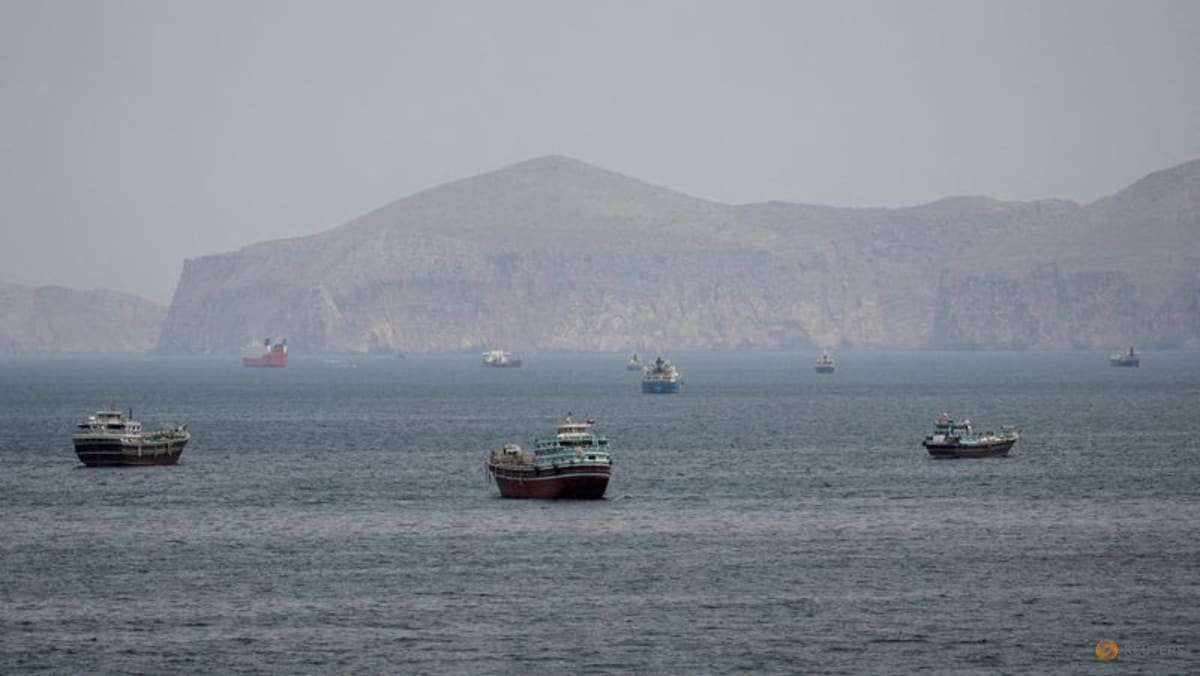
FILE PHOTO: Ships and boats in the Strait of Hormuz, Musandam, Oman, April 22, 2026. REUTERS/Stringer/File Photo
Read a summary of this article on FAST.
Get bite-sized news via a new
cards interface. Give it a try.
Click here to return to FAST
Tap here to return to FAST
FAST
BEIJING, June 18 : Oil prices fell in early trading on Thursday after the U.S. and Iran signed an interim agreement that would end the Iran war, reopen the Strait of Hormuz and waive U.S. sanctions on Tehran’s oil, resolving the largest energy supply disruption in history.
Brent crude futures were down 89 cents, or 1.12 per cent, at $78.66 a barrel as of 0005 GMT, and U.S. West Texas Intermediate fell 98 cents, or 1.28 per cent, to $75.81 a barrel.
The benchmarks resumed their decline, reversing gains made on Wednesday after U.S. President Donald Trump said he could resume his bombing campaign if Iran’s leaders “don’t behave”.
“The sell-off extended as energy markets continued to aggressively price in a faster-than-expected return of Iranian barrels following the recent U.S.-Iran memorandum of understanding,” IG market analyst Tony Sycamore said in a note.

Guess Word
Crack the word, one row at a time

Buzzword
Create words using the given letters

Mini Sudoku
Tiny puzzle, mighty brain teaser

Mini Crossword
Small grid, big challenge

Word Search
Spot as many words as you can
The 14-point memorandum begins a 60-day negotiation period during which Iran will allow toll-free passage through the Strait of Hormuz, a key oil and gas shipping lane. The deal calls for traffic through the strait to be restored to its full capacity within 30 days.
The preliminary accord defers many of the more difficult issues such as Iran’s nuclear program, and also requires the U.S. and its partners to come up with a $300 billion plan to finance Iran’s recovery.
If the agreement is successfully implemented and the strait reopened, this year’s supply crisis could turn into a significant supply glut in 2027, the IEA cautioned on Wednesday, forecasting in its monthly market report that supply will outstrip demand by 5.05 million barrels per day next year as Middle East oil returns to the market.
The U.S. Federal Reserve is also increasingly weighing whether it will need to raise interest rates later this year to rein in inflation, which could slow economic growth and suppress oil demand.
Nine of 19 Fed policymakers now think a rate hike will be needed, Wednesday projections showed, a departure from three months ago when none of them held that view.
Source: Reuters
Sign up for our newsletters

Get the CNA app
Stay updated with notifications for breaking news and our best stories
Get WhatsApp alerts
Join our channel for the top reads for the day on your preferred chat app

Get bite-sized news via a new
cards interface. Give it a try.
Click here to return to FAST
Tap here to return to FAST
FAST