Scientists seek clues to longevity from three Brazilian sisters over 100
Read a summary of this article on FAST.
Get bite-sized news via a new
cards interface. Give it a try.
Click here to return to FAST
Tap here to return to FAST
FAST
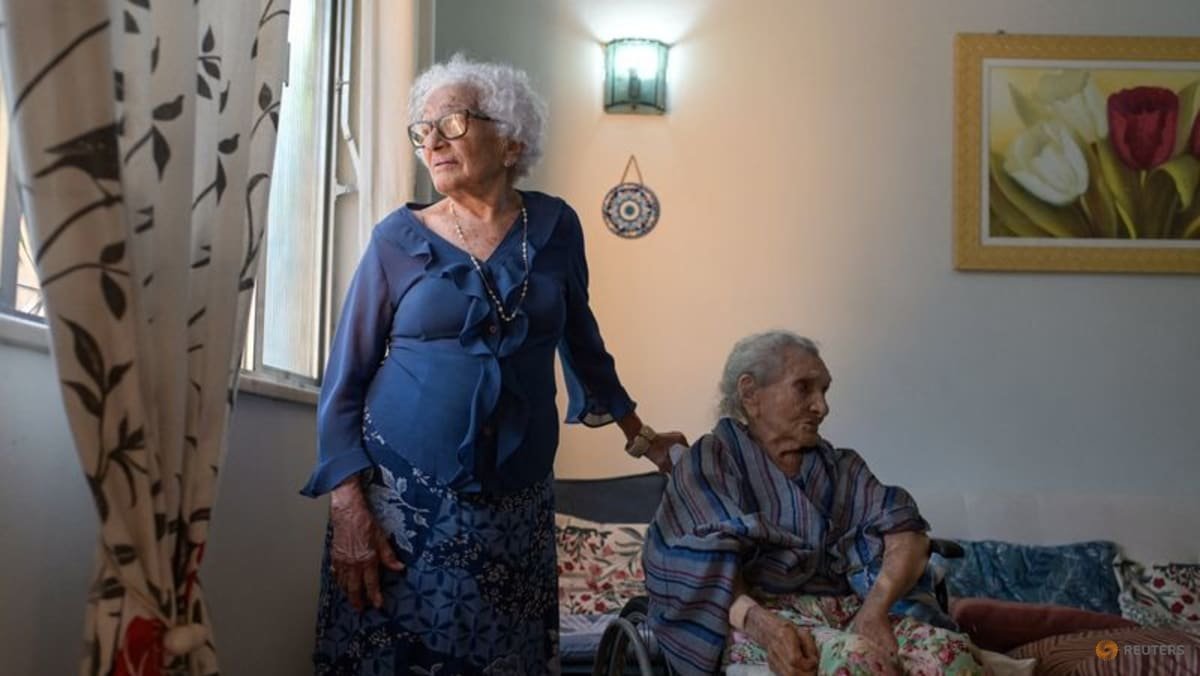
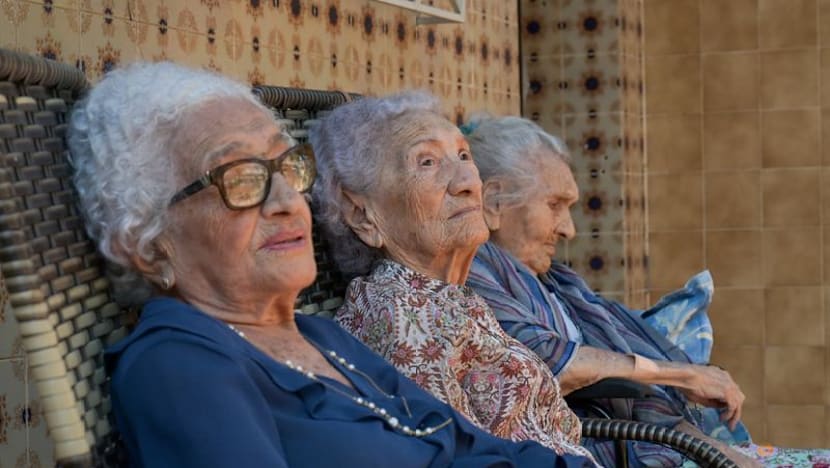
RIO DE JANEIRO, June 24 : What is the secret to a long life? Three Brazilian sisters with a combined age of 316, who were named by Guinness this month as the oldest living trio of siblings in the world, may help researchers find out.
The DNA Longevo Project, a study led by scientist Mayana Zatz from the University of Sao Paulo, aims to investigate the biological factors behind aging.
Findings from the three sisters’ case could help scientists better understand why some people remain physically and cognitively resilient at exceptionally advanced ages.
Researchers will compare nonagenarians and centenarians with people who have developed frailty, cognitive decline or chronic diseases, seeking traits linked to longevity.

Guess Word
Crack the word, one row at a time

Buzzword
Create words using the given letters

Mini Sudoku
Tiny puzzle, mighty brain teaser

Mini Crossword
Small grid, big challenge

Word Search
Spot as many words as you can
“Through DNA testing, we look for protective genes, and we know there are several of them,” said Zatz, who coordinates the university’s Human Genome Research Center. “The more people we have who live past 100, especially families with multiple centenarians, the more accurate our research will be in
identifying them.”
Scientists believe inherited factors may play a larger role than environmental influences in preserving health and function later in life.
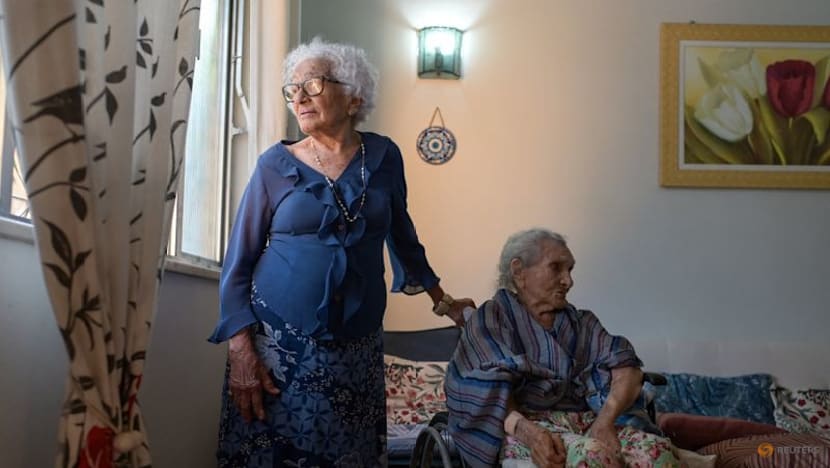
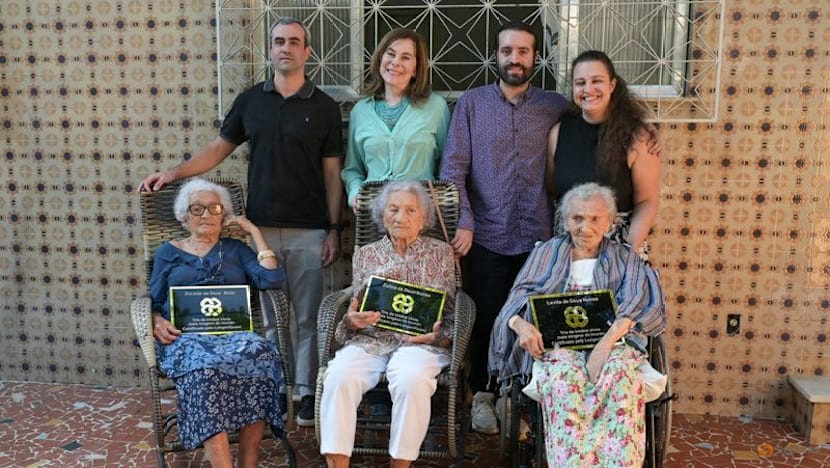
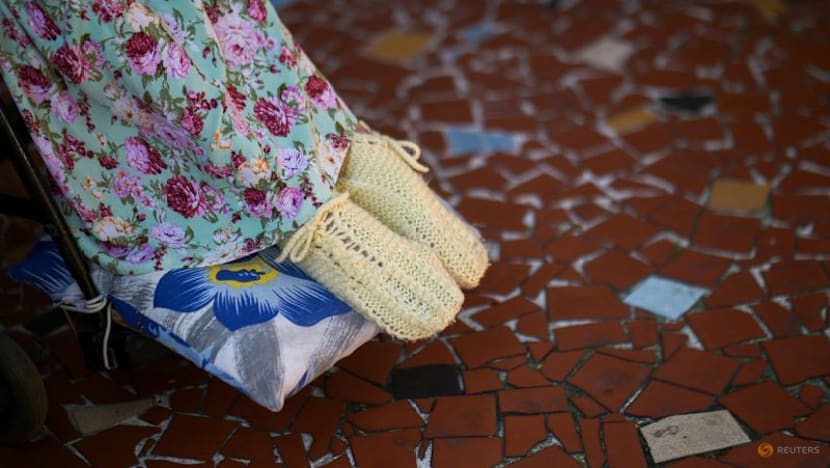
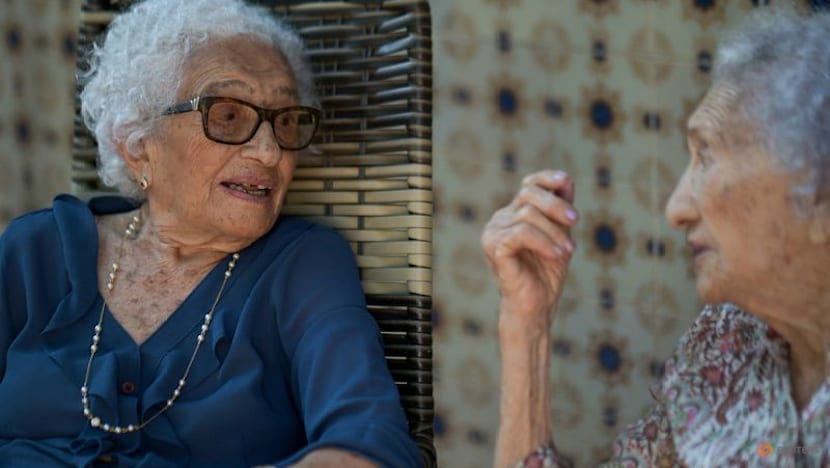
The sisters, Zulina de Deus Nunes, 103, Zoraide de Deus Mota, 104, and Levita de Deus Nunes, 109, who live in Rio de Janeiro, were identified through LongeviQuest, a global organization that verifies longevity records and partners with Guinness World Records.
“When sisters reach that age, there is clearly a strong genetic component,” said Ben Meyers, CEO of LongeviQuest. “But because they live near each other, they also have a support network, with family able to help when needed. There is definitely a community aspect as well.”
The three sisters credit their longevity to a healthy diet and an active lifestyle.
Zulina recalled a childhood spent swimming and fishing in rivers. “Everything was fresh. We didn’t have a refrigerator,” she said.
“Breastfeeding is incredibly important,” Zoraide added.
The sisters otherwise led fairly ordinary lives. Levita worked as a craftswoman and later at a television network. Zoraide worked as a nurse and raised five children, while Zulina, a stay-at-home mom, raised six.
Levita looks back on her life without regrets. “I had a good childhood and adolescence. I can’t complain.”
Researchers hope to understand how genetic factors, rather than lifestyle, help protect the heart, muscles, and cognitive function from the ravages of aging.
The study’s goal, said researcher Joao Paulo Guilherme, who works with Zatz, “is to reach 500 centenarians so we can draw more definitive conclusions about longevity.”
(Reporting by Aline Massuca in Rio de Janeiro and Victoria Pacheco in Sao Paulo; Editing by Manuela Andreoni and Bill Berkrot)
Source: Reuters
Sign up for our newsletters

Get the CNA app
Stay updated with notifications for breaking news and our best stories
Get WhatsApp alerts
Join our channel for the top reads for the day on your preferred chat app

Get bite-sized news via a new
cards interface. Give it a try.
Click here to return to FAST
Tap here to return to FAST
FAST