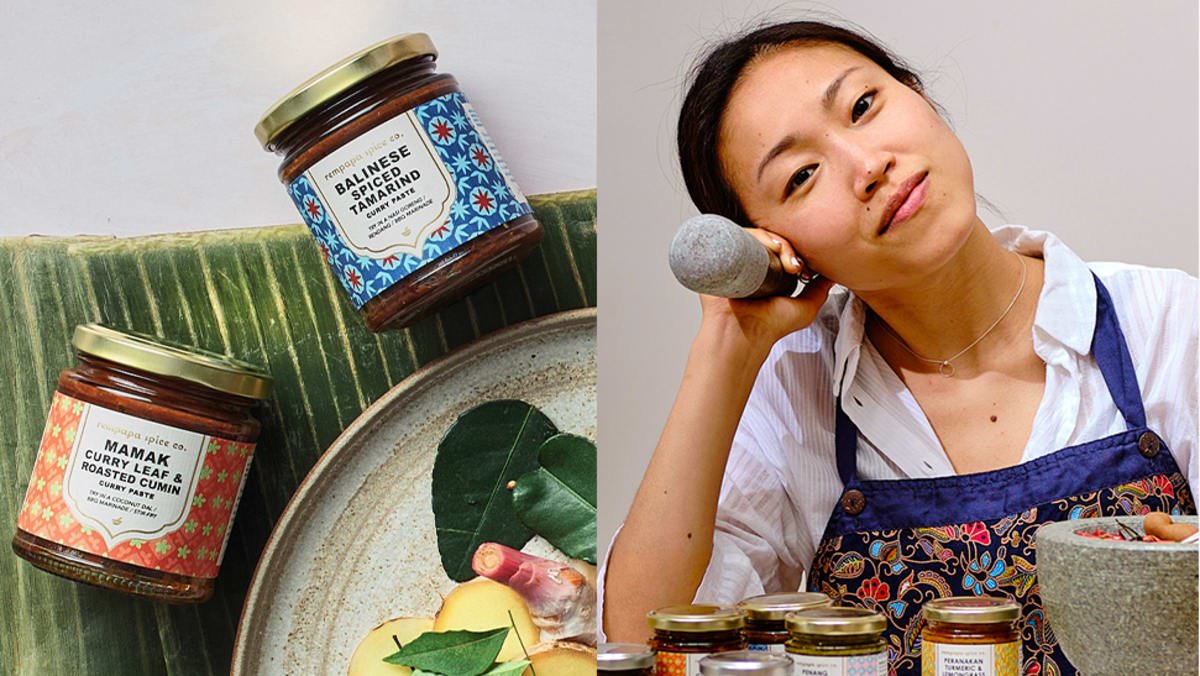
She left Singapore unable to cook. Now her rempah is reaching kitchens across Britain
What began with homesickness and self-taught cooking in London grew into Rempapa Spice Co, two cookbooks and a mission to make rempah more familiar in Britain.
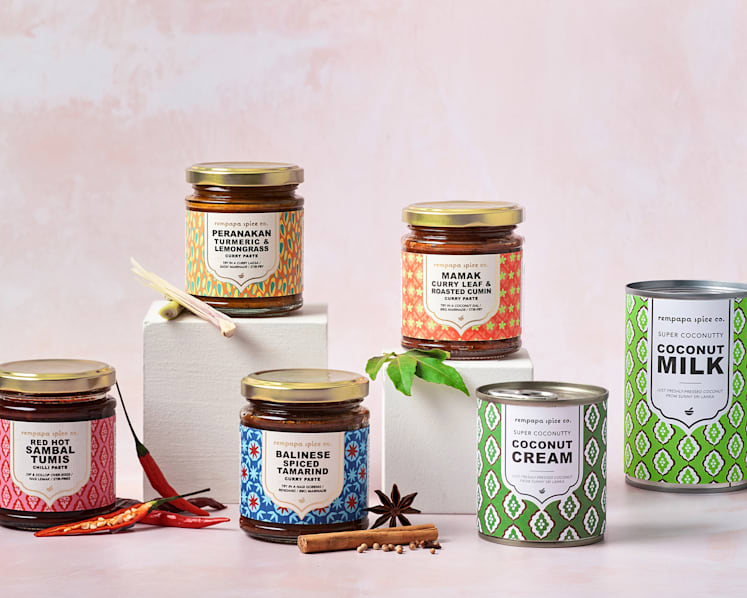
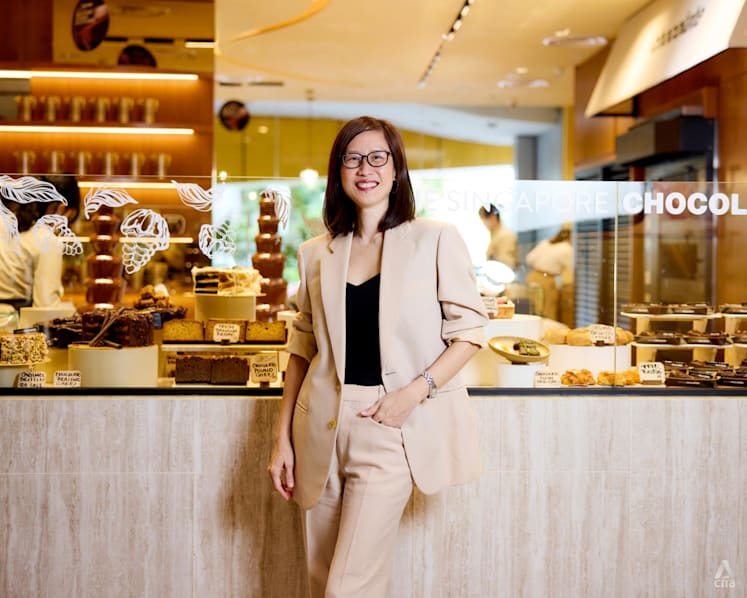
Singaporean food entrepreneur Shu Han Lee founded Rempapa Spice Co to make rempah, sambal and other familiar flavours more accessible to British home cooks. (Photo: Rempapa Spice Co)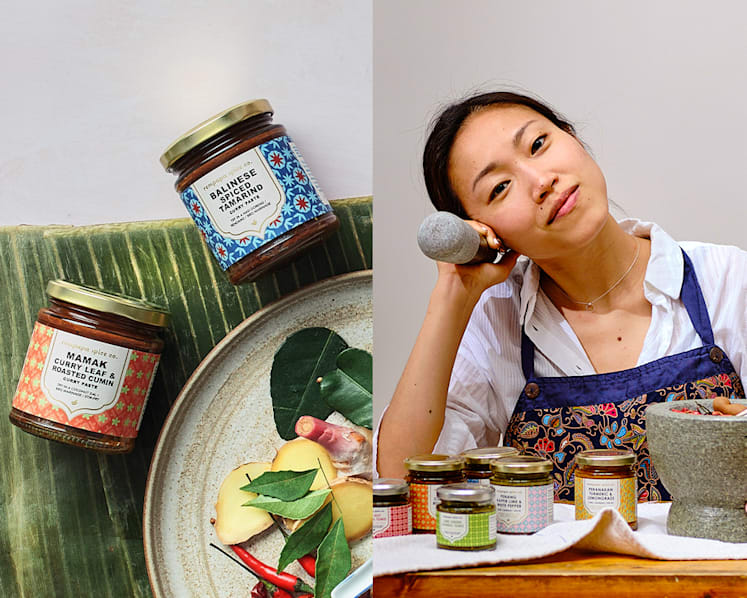
New: You can now listen to articles.

This audio is generated by an AI tool.

By
Read a summary of this article on FAST.
Get bite-sized news via a new
cards interface. Give it a try.
Click here to return to FAST
Tap here to return to FAST
FAST
When Shu Han Lee left Singapore to study in London at 18, she had no grand ambitions of building a food business. In fact, she did not even know how to cook. Yet her mother insisted that she squeeze a small packet of rice and a rice cooker into her 25kg suitcase.
She ended up burning that first batch of rice in her student accommodation.
“I don’t know how you mess up rice in a rice cooker,” she said with a laugh. “But somehow the bottom was burnt while the top was soggy.”
Learning to cook Singaporean food from scratch turned out to be the easy part. The harder task was helping British cooks understand it. Seventeen years later, Lee has become one of the most recognisable champions of Singaporean cooking in the British capital. She has hosted supper clubs, written two cookbooks and founded Rempapa Spice Co, whose rempah, sambal and coconut milk are stocked at independent grocers, Whole Foods and Selfridges’ Oxford Street store.
The irony was that Lee had left Singapore knowing remarkably little about the food that would later define her career.
THE KITCHEN SHE NEVER ENTERED
Back home, food was something she took for granted. She grew up on her mum’s cooking and relished Singapore’s hawker staples. When she left for London in 2008 to study graphic design at Central Saint Martins, she expected to become a designer, not a cook.
Her mother certainly thought the same.
“My mum is an amazing, amazing cook,” Lee said. “But she doesn’t see it as a passion. She sees it as something she had to do. She’d tell me: ‘Get out of the kitchen. Go and study. We’ve sacrificed so much to send you to university so you can work in an air-conditioned office, not get your hands dirty.’”
Student life revolved around pubs, where her classmates bonded over drinks and food seemed almost incidental.
“I remember being at the pub at 6pm thinking, ‘Okay … so dinner before or after?’” she said. “But food wasn’t even on their minds.”
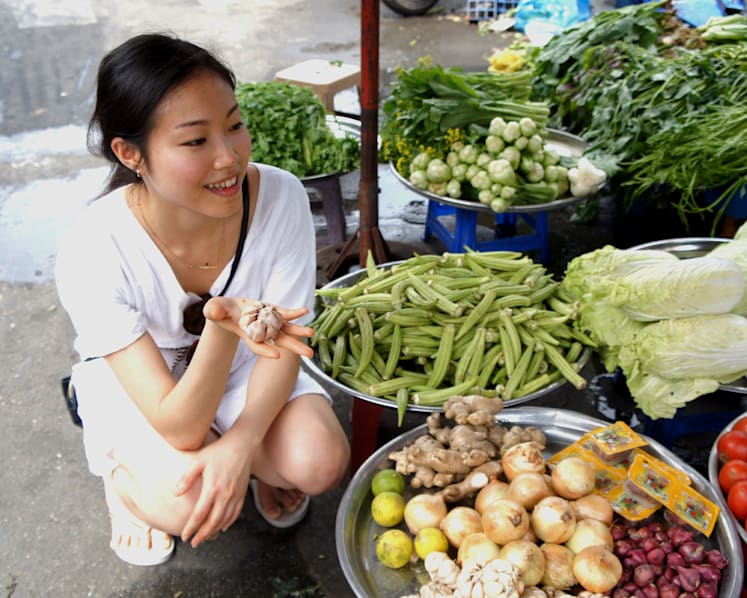
Eating out every day quickly became impossible on a student’s budget, while finding Singaporean ingredients demanded determination. On weekends, she crossed London in search of fresh lemongrass, carrying bags of ingredients home on the Tube before spending the evening teaching herself to cook unfamiliar dishes.
First came rice, made in the same cooker she had carried from Singapore. Then simple stir-fries. Eventually, she worked up the confidence to make rempah from scratch.
“When I made my first rempah, I thought, ‘Ah, cool. I’ve made it as a proper Singaporean cook now,’” Lee said with a laugh. “I wasn’t just making stir-fries anymore.”
THE ACCIDENTAL ENTREPRENEUR
Cooking soon became the way Lee built a life in London. A Facebook album titled Mummy, What I Cook, created to reassure her family that she was “still alive and eating properly”, evolved into a blog that connected her with London’s small Singaporean food community.
Around the same time, she took a Saturday job managing a farmers’ market in Pimlico. The early mornings exposed her to a different side of Britain’s food culture and brought her into contact with growers, producers and independent food businesses for the first time.
She joined one of the city’s earliest Singaporean supper clubs, where guests squeezed around dining tables in private homes, long before pop-ups became fashionable. The meals did more than ease homesickness – they gave strangers something familiar to bond over.
“I realised my first friendships in London were all through food,” she said. “Lots of people from different countries were looking for a sense of home.”
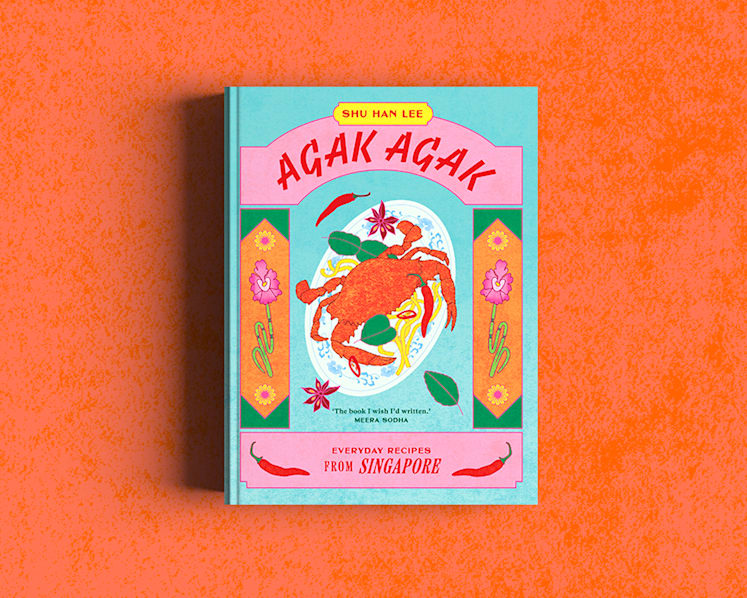
She continued running the supper clubs and blog even after starting full-time work at a branding agency. Her food projects opened unexpected doors, eventually leading to two cookbooks: Chicken and Rice in 2016 and Agak Agak in 2024.
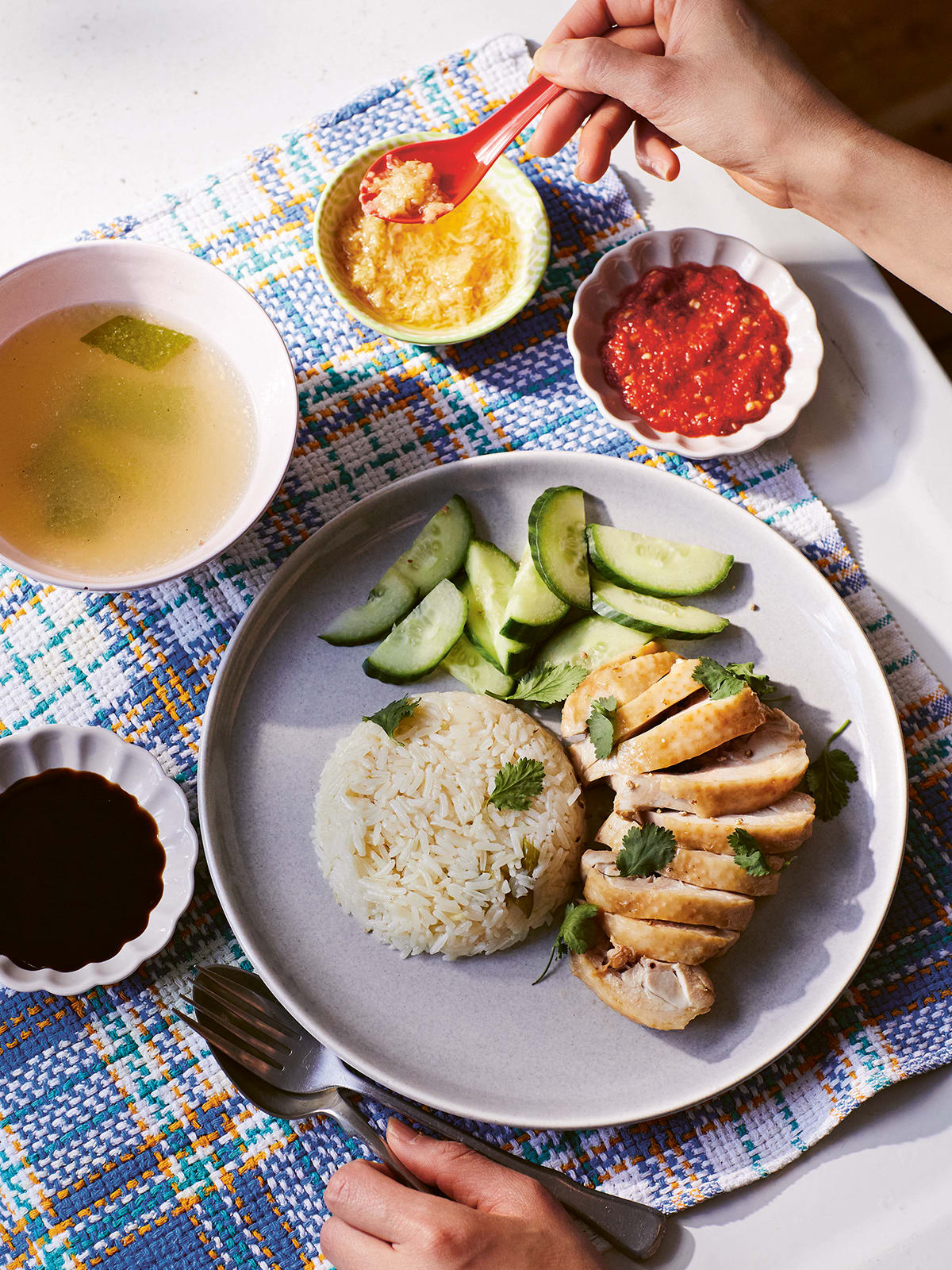
Meanwhile, guests kept asking whether they could take some of the rempah home. Preparing food for dozens of people meant making far more of the aromatic spice paste than she needed. Friends began requesting portions for their own fridges, while others asked whether they could buy it.
“I never thought it would become a business,” Lee said. “It happened quite naturally.”
She returned to the London farmers’ market where she had worked as a student and rented a stall. The first incarnation of Rempapa bore little resemblance to the neatly labelled jars now found on shop shelves.
The rempah came frozen in small packets prepared in her home kitchen. She and her husband also served bowls of curry made with vegetables bought from neighbouring traders that morning. The aim was not to build a company, but simply to help people recreate the food they had enjoyed around her supper club table.
As demand grew, so did the balancing act. By day, Lee developed campaigns for brands including Waitrose, McCain and Wall’s. By night, she made rempah. She cooked until nearly 11pm, wheeled boxes into a Big Yellow storage unit, set her alarm for another day at the office and returned to the market at the weekend to do it all again.
“It was many years of that,” she said. “You don’t get a break because we had the market every weekend.”
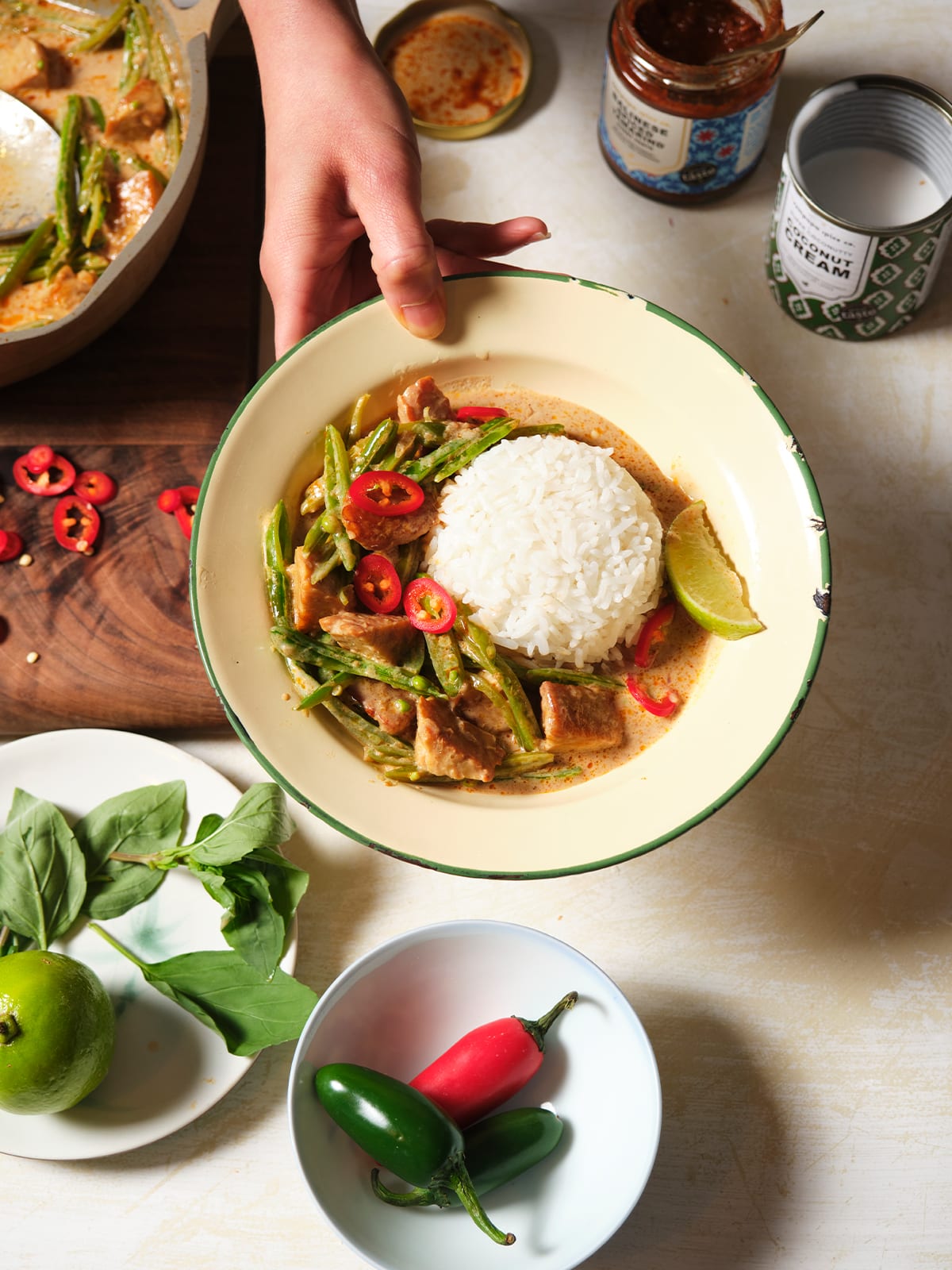
At first, she believed she could sustain both careers. A sabbatical from the agency was meant to restore some balance. Instead, it confirmed that she had to choose.
“That made it very clear that what I was doing wasn’t sustainable.”
Then Whole Foods called. One of its buyers had discovered Rempapa at a neighbourhood grocer and invited the company to join a programme supporting emerging food producers. Around the same time, Lee’s agency told her she was on track for promotion to director.
The two careers could no longer coexist. She had spent more than a decade building one; the other had grown almost by accident.
“Back then I had no mortgage, no kid,” she said. “When else do I try?” So she took the plunge and became a full-time entrepreneur – or “head spice girl”, as she jokingly calls herself.
MAKING REMPAH ORDINARY
But at nearly every turn, she encountered the same question: “What exactly is rempah?”
Getting her jarred spice pastes onto shop shelves proved easier than getting shoppers to understand what rempah was.
For Lee, every sale became an exercise in cultural translation. Her first labels described rempah as a “spice paste”; later, she changed the wording to “curry paste”. It was not an entirely accurate description, but it was a phrase shoppers understood and searched for. If “curry paste” persuaded someone to pick up a jar, she could introduce them to the word “rempah” afterwards.
The sale was often only the beginning of the conversation. Teaching people to cook with rempah, she realised, also meant introducing them to a new culinary vocabulary.
Each time she holds a demonstration at Whole Foods, an independent grocer or a food festival, she finds herself answering the same questions: What is rempah? How do I use it?
The work can be exhausting, particularly given the thin margins for food producers. Lee earns less than £1 (US$1.33; S$1.72) from each jar after retailers, distributors and producers take their cut.
“To make a decent living salary, you have to sell thousands and thousands of jars,” Lee said.
Asked whether she had ever considered giving up, she did not hesitate.
“All the time.”
Yet moments of success keep her going. She cites securing a Selfridges listing after years of rejection as a high point. Messages from customers provide motivation too – whether from someone who says her jars remind them of home or someone proudly sharing the first Singaporean dish they have cooked. These moments do not change the difficult economics of the food business, but together they suggest that rempah is slowly finding a place in British kitchens.
Today, her rempah sits on shelves alongside other artisanal food brands, while Lee continues to develop recipes for new shelf-stable products. Next in the pipeline is a satay sauce.
Lee often thinks about a conversation with her husband’s grandmother, who remembers when pesto was still unfamiliar in Britain. Back then, shoppers had to be taught what it was and how to use it. Today, few think twice about adding a jar of pesto to their basket.
“I’ve always had this dream,” Lee said. “That one day, rempah would itself become as ordinary as pesto.”
Seventeen years ago, Lee’s mother packed a rice cooker into her suitcase, worried that her daughter would not know how to feed herself. Today, the young woman who left Singapore unable to cook is patiently teaching people in another country to make the food she once had to teach herself.
Source: CNA/bt
Get bite-sized news via a new
cards interface. Give it a try.
Click here to return to FAST
Tap here to return to FAST
FAST
About The Author