


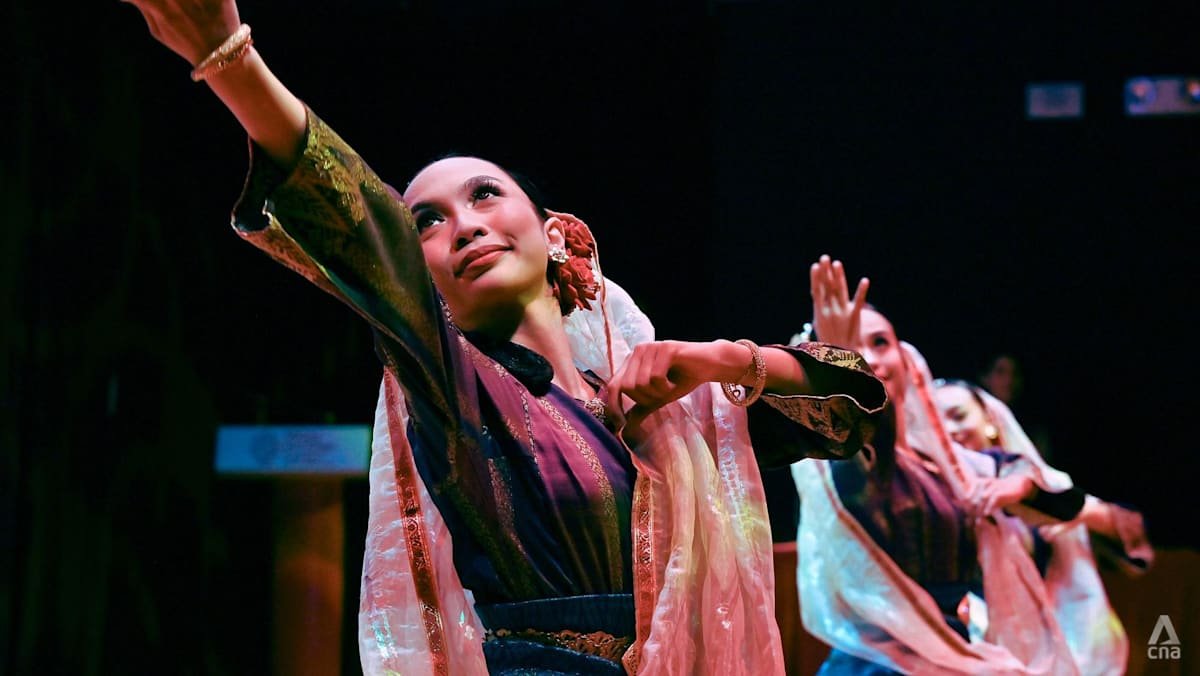
Singapore, Brunei, Indonesia and Malaysia to nominate Malay dance form for UNESCO cultural heritage list
This will be Singapore’s fourth nomination and the first time it will jointly nominate a performing art to the list.
A demonstration of the traditional performing art form of zapin, which will be nominated for inscription onto the UNESCO Representative List of the Intangible Cultural Heritage (ICH) of Humanity, Sep 24, 2026. (Photo: CNA/Alyssa Tan)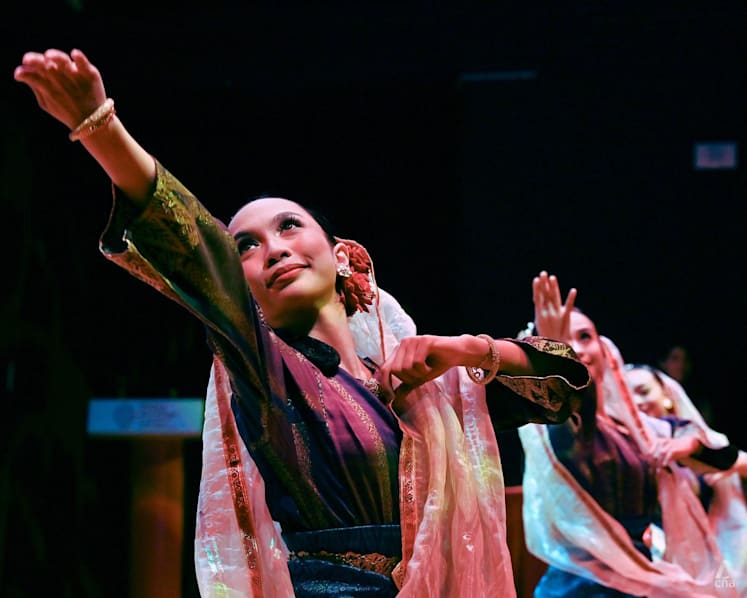
New: You can now listen to articles.

This audio is generated by an AI tool.

Read a summary of this article on FAST.
Get bite-sized news via a new
cards interface. Give it a try.
Click here to return to FAST
Tap here to return to FAST
FAST
SINGAPORE: Singapore will jointly nominate zapin, a traditional Malay dance form, for the UNESCO heritage list with Brunei, Indonesia and Malaysia, the National Heritage Board (NHB) announced on Thursday (Sep 24).
This will be Singapore’s fourth nomination to the UNESCO Representative List of Intangible Cultural Heritage of Humanity and its first for a performing art. Hawker culture was added to the list in 2020, the kebaya in 2024, and Chingay, a joint nomination with Malaysia, is awaiting evaluation.
The four countries aim to submit the nomination file to UNESCO in March 2027, with results possibly announced two to three years after the submission. The list, developed in 2008, comprised 716 intangible cultural heritage elements as of December 2025.
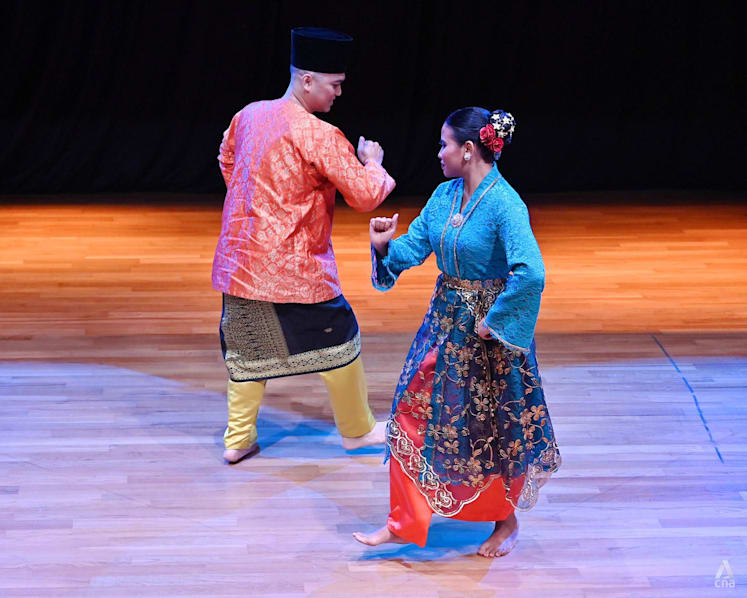
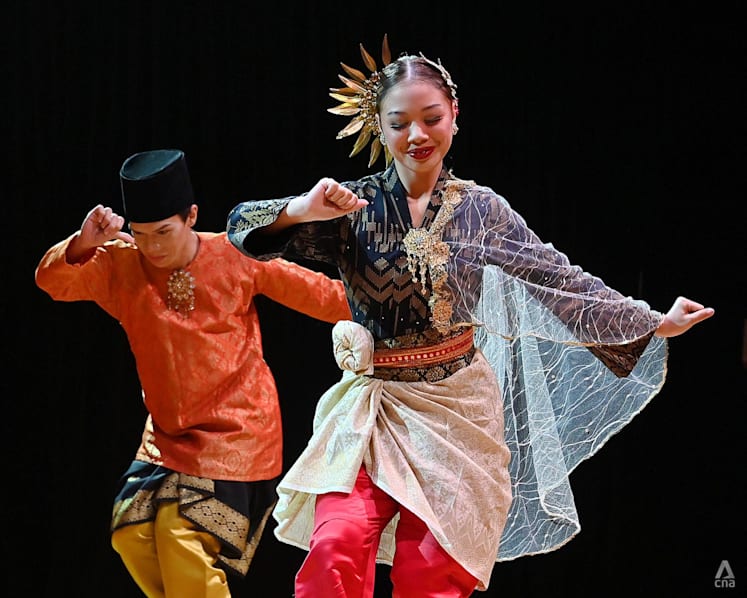
Zapin, often performed at weddings and festivals, is one of five dance forms commonly practised by the Malay dance community in Singapore. Its dance moves, set to upbeat melodies, mimic the movements of animals and the natural world.

Guess Word
Crack the word, one row at a time

Buzzword
Create words using the given letters

Mini Sudoku
Tiny puzzle, mighty brain teaser

Mini Crossword
Small grid, big challenge

Word Search
Spot as many words as you can
Its simple foundational steps and fixed structure make it one of the more accessible Malay dance forms, popular in schools and local dance groups.
Students learn zapin through co-curricular activities (CCAs) and clubs dedicated to traditional Malay dance, and dance troupes across the region take part in the annual Muara festival, the heritage board said.
REGIONAL ROOTS
The nomination grew out of international conversations with Indonesia, Brunei and Malaysia, said Ms Georgina Koh, the board’s director for heritage policy and research.
“It is also a reflection about how it, as an art form, is something that is essentially shared across the region,” she said, adding that it also demonstrates how Singapore is connected to the region.
A foundational zapin form in Singapore, Zapin Asyik, was created by Indonesian-born Liau Ah Choon in the 1960s after she watched performers at a wedding in Terengganu and adapted it locally.
Local variants include Zapin Telok Blangah, choreographed to reflect the area’s port history, and Zapin Sungei Kallang, which commemorates the community that lived along the river in the 1970s.
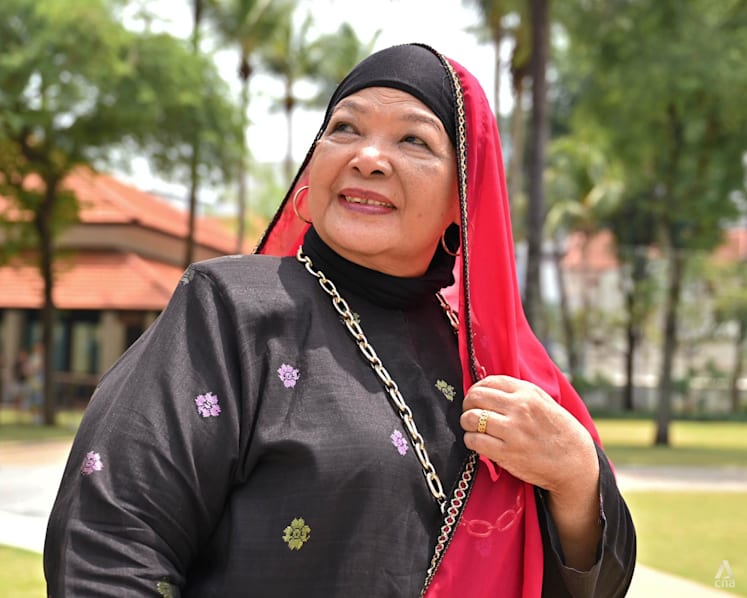
Mdm Som Said, founder of Sri Warisan Som Said Performing Arts and choreographer of Zapin Telok Blangah, said she was excited and surprised by the nomination. UNESCO recognition would change a lot for the zapin community, said the 75-year-old Cultural Medallion recipient.
“We did so many things on our own, individually as a nation in Singapore and then we worked together with Malaysia components and Indonesia components. If this is recognised and endorsed, I think we have a lot more to do for zapin,” she added.
NEXT STEPS
UNESCO will evaluate the nomination based on how the art form aligns with its definition of intangible cultural heritage, and how existing and planned safeguarding measures in each country support its practice and transmission, the heritage board noted.
It will hold focus group discussions throughout the process to gather views from stakeholders on zapin’s cultural significance and how to safeguard it.
NHB is also working with the community and practitioners to document how they practise and share zapin, including its local variants, Ms Koh said. “This will be some of the distinctive elements that we will be highlighting in the nomination.”
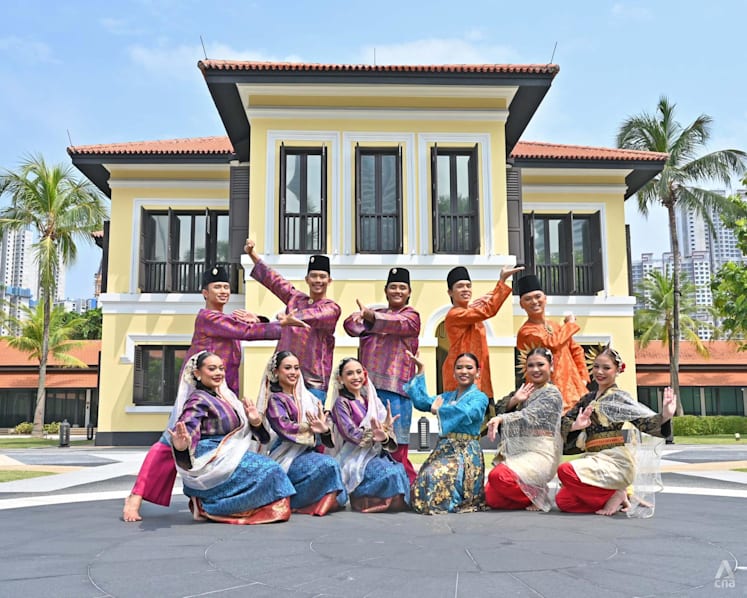
Mr Mohammad Aniq Haqif, 20, an assistant choreographer with Republic Polytechnic’s Malay dance interest group Dharma Endari, was introduced to zapin through his CCA in Primary 3. He learnt the five basic forms practised in Singapore and was drawn in by zapin’s rhythm.
“I was a bit shocked because I didn’t know that something that I learned as a kid could be something that is so big, in terms of it being a UNESCO nomination,” he said, adding that he felt a sense of belonging in contributing to the community.
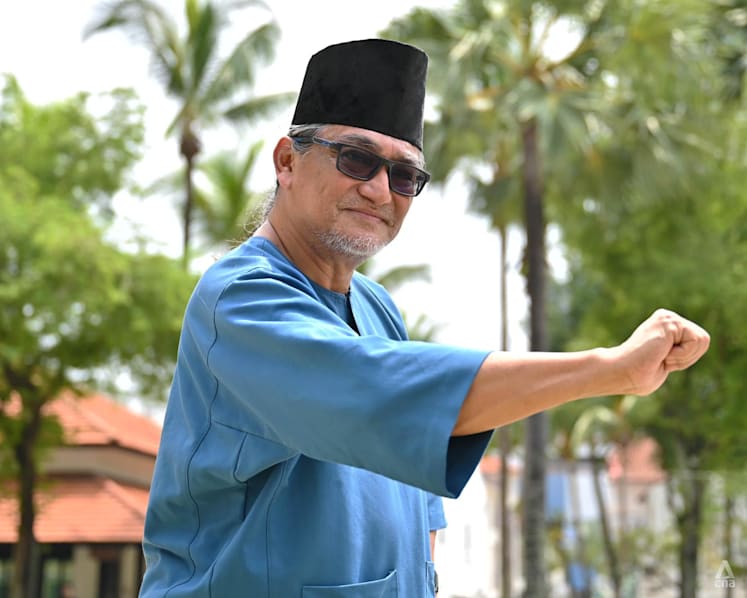
Mr Osman Abdul Hamid, artistic director of Era Dance Theatre and choreographer behind Zapin Sungei Kallang, said the nomination would elevate zapin and help it reach more young people.
Many types of zapin exist, and the forms practised in other countries differ from those in Singapore, he noted.
Having taught students from kindergarten to university age over the years, Mr Osman said: “Looking at what we are now, I’m so happy and very, very proud that it is alive. There are more students and practitioners in the field in the Malay performing arts, especially understanding about zapin.”
Source: CNA/hw
Sign up for our newsletters

Get the CNA app
Stay updated with notifications for breaking news and our best stories
Get WhatsApp alerts
Join our channel for the top reads for the day on your preferred chat app

Get bite-sized news via a new
cards interface. Give it a try.
Click here to return to FAST
Tap here to return to FAST
FAST







