Singapore launches first national pruning guidelines to improve tree care and safety
The pruning guidelines apply to trees growing along roads, in parks, and in public and private properties.
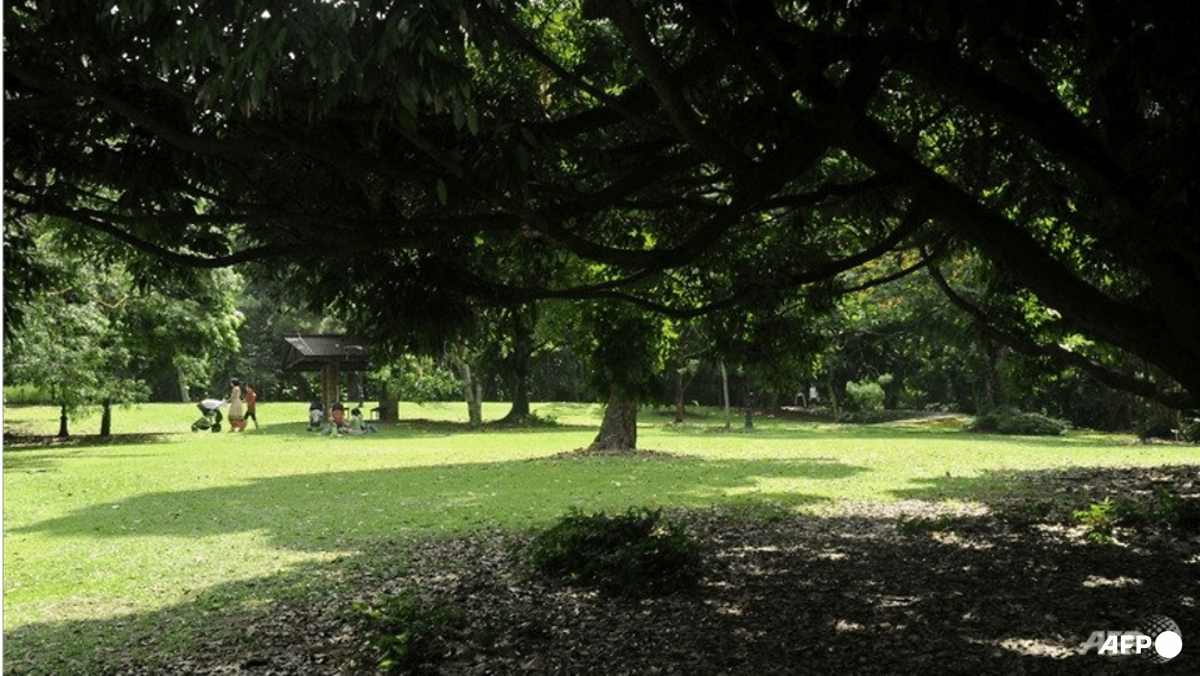
The Botanic Gardens in Singapore. (File photo: AFP/Roslan Rahman)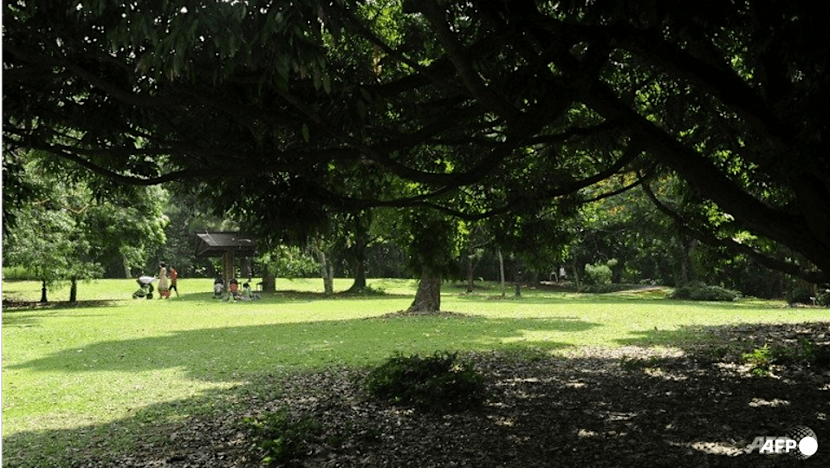
New: You can now listen to articles.

This audio is generated by an AI tool.
Read a summary of this article on FAST.
Get bite-sized news via a new
cards interface. Give it a try.
Click here to return to FAST
Tap here to return to FAST
FAST
SINGAPORE: Singapore launched its first national standard for tree management on Tuesday (Jun 30), laying out guidelines for pruning and care.
The National Parks Board (NParks) will require compliance with them for new contracts involving tree care from the second half of 2026, said the agency and Landscape Industry Association (Singapore) (LIAS) in a factsheet on Tuesday.
These guidelines – called SS 724 – apply to trees growing along roads, in parks, and in public and private properties.
“SS 724 sets out common standards for tree pruning and industry-recognised best practices in Singapore, raising the overall standard of tree care and supporting the long-term health of our urban trees,” they said.

Guess Word
Crack the word, one row at a time

Buzzword
Create words using the given letters

Mini Sudoku
Tiny puzzle, mighty brain teaser

Mini Crossword
Small grid, big challenge

Word Search
Spot as many words as you can
While existing tree care practices had largely referenced international standards developed for temperate cities and tree species, the new guidelines consider the attributes of tropical urban trees, said NParks and LIAS.
At the same time, their principles, techniques and tree pruning standards align with international best practices.
“Beyond its relevance to the local landscape industry, the standard also serves as a valuable resource for tree care practitioners managing tropical trees in the region,” said NParks and LIAS.
This affirms Singapore’s regional leadership in arboriculture, they said.
Arboriculture involves the cultivation, management and care for trees.
WHY PRUNING IS IMPORTANT
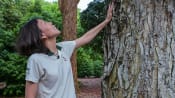
Pruning removes a tree’s diseased or defective branches, improves its health and builds resilience against severe weather, said NParks and LIAS.
Poor practices affect a tree’s appearance and undermine its ecosystem service functions, they added.
They also affect structural integrity, increasing the risk of “tree failure”, they said.
Tree failure refers to the structural deterioration or breakage of any part of a tree.
NParks and LIAS pointed out that multiple parties are involved in caring and managing Singapore’s trees, and their levels of expertise and understanding of best practices can vary.
The new standard provides a shared set of guidelines for tree owners and tree care practitioners, said NParks and LIAS.
This promotes proper pruning practices, addresses misconceptions and brings greater alignment across the industry to support the long-term health of Singapore’s urban trees and public safety, they said.
HOW THE STANDARD WAS SET
In June last year, Enterprise Singapore convened a workgroup to develop the standard, involving around 20 members from government agencies, town councils, private property owners, arboriculture professionals, landscape companies and training providers.
The team, led by NParks and LIAS, held focus group discussions with around 60
industry stakeholders to get suggestions on managing Singapore’s tree care challenges.
“These stakeholders include service providers such as landscape companies, facilities managers and managing agents, as well as tree owners who procure tree care services,” said NParks and LIAS.
The standard was also published online for public consultation from Nov 7, 2025, to Jan 8, and input was incorporated where possible.
What’s covered in Singapore’s first national tree management standard
Crown and structural management
• Guidelines and techniques for maintaining a tree’s crown form, including pruning towards a target form, crown cleaning, structural pruning, crown lifting, crown reduction and crown form restoration
• Managing trees with specific structural defects, such as branches with high aspect ratio, codominant stems, lion-tailed branches and topped branches
Pruning techniques
• Proper methods for branch removal and reduction, including the three-step cut for large branches, branch removal cut and reduction cut
• Pruning of palm fronds
Pruning operations and considerations
• General guidelines on pruning operations
• Additional considerations, such as surveying work sites for the presence of wildlife and ensuring good biosecurity practices to prevent the spread of plant pests and pathogens
Collapse
Expand
Several government agencies and organisations, including Gardens by the Bay and Sentosa Development Corporation, have committed to voluntarily adopt the standard, such as by incorporating it in contract requirements in their new tenders for arboriculture works, said NParks and LIAS.
“NParks and LIAS will continue engaging stakeholders such as facilities managers and management corporation strata titles to encourage the adoption of SS 724 for trees in private properties,” they added.
The agency and association said they had lined up multiple training programmes and educational resources to support the standard’s adoption and strengthen competencies across the industry.
These include hands-on pruning workshops, updated Workforce Skills Qualification courses and webinars.
“NParks and LIAS will also work with the Institute of Technical Education and Ngee Ann Polytechnic to incorporate SS 724 into the curriculum of their landscape- and arboriculture-related courses,” they said.
To improve Singapore’s tree care further, NParks is exploring standards in other areas of greenery management, including tree inspection.
Source: CNA/rl(ss)
Sign up for our newsletters

Get the CNA app
Stay updated with notifications for breaking news and our best stories
Get WhatsApp alerts
Join our channel for the top reads for the day on your preferred chat app

Get bite-sized news via a new
cards interface. Give it a try.
Click here to return to FAST
Tap here to return to FAST
FAST