Snap Insight: Political salaries review timely, but will it be enough to attract next generation of leaders?
There is also a cost to not attracting the talent needed to steer Singapore in more complicated times, says former Nominated Member of Parliament Nicholas Fang.
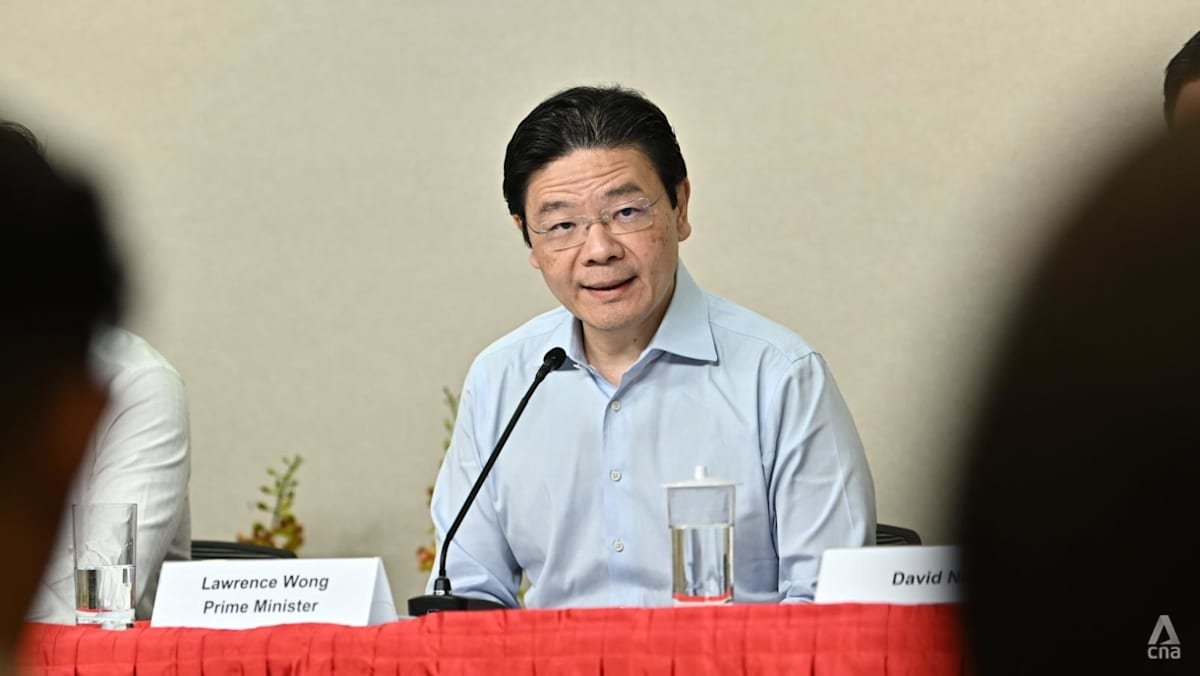
Prime Minister Lawrence Wong speaks to the media during a press conference at the National Press Centre, MDDI on Jul 22, 2026. (Photo: CNA/Raydza Rahman)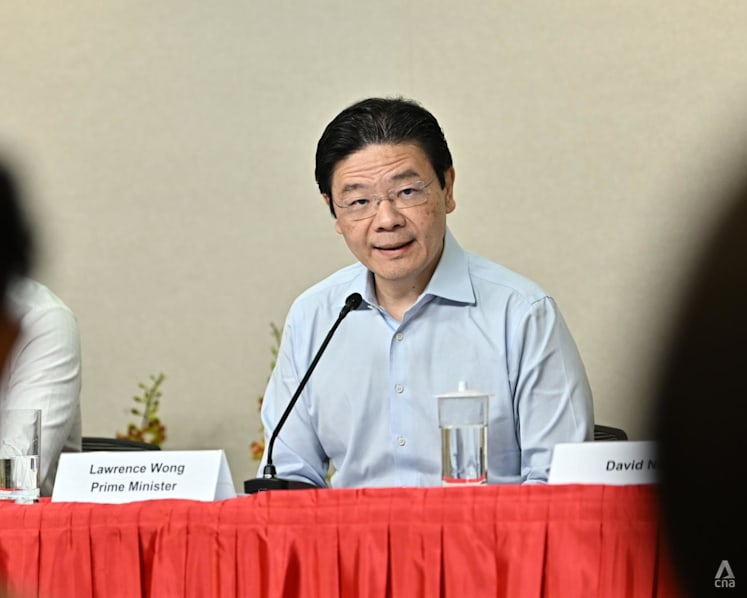
New: You can now listen to articles.

This audio is generated by an AI tool.

Read a summary of this article on FAST.
Get bite-sized news via a new
cards interface. Give it a try.
Click here to return to FAST
Tap here to return to FAST
FAST
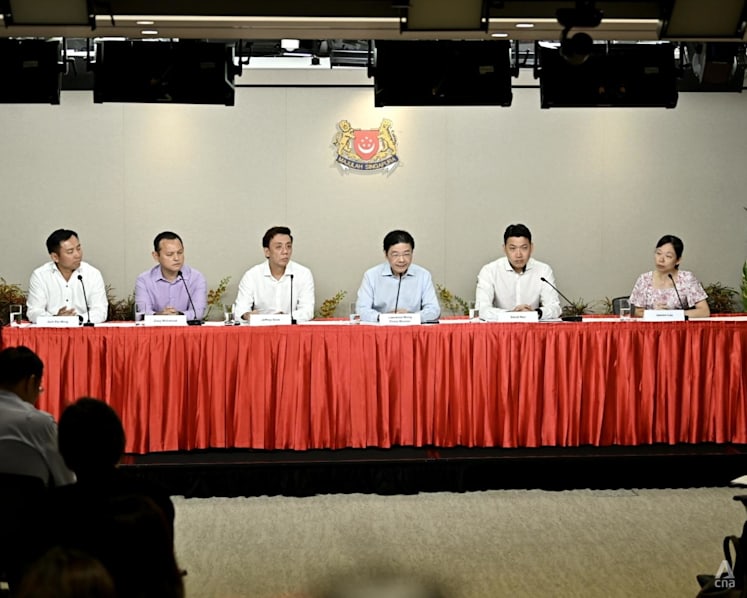
SINGAPORE: Prime Minister Lawrence Wong released an independent review committee’s report on political salaries and explained how the government was implementing those recommendations on Tuesday (Sep 8). This comes at a timely juncture.
Such salaries have not been adjusted for 15 years, which many of us would find untenable if applied to our own financial situation. In that time, inflation has progressed apace, and the world we live in has become more complex and complicated.
As such, this move was necessary, as Mr Wong and Coordinating Minister for Public Services Chan Chun Sing described, for a “better chance to build a first-rate team to serve Singapore and Singaporeans”.
Still, the reaction to the announcement, which includes a salary bump of up to 9 per cent to about S$1.2 million annually for a minister at the lowest MR4 grade, was unsurprisingly sharp.

Guess Word
Crack the word, one row at a time

Buzzword
Create words using the given letters

Mini Sudoku
Tiny puzzle, mighty brain teaser

Mini Crossword
Small grid, big challenge

Word Search
Spot as many words as you can
The news drew negative responses online with netizens decrying what they see as eye-wateringly high salaries growing even higher, at a time when cost-of-living concerns and an uncertain geopolitical outlook weigh heavy on the minds of many.
This would not have been unexpected. Mr Wong himself said that political salaries are “a difficult and emotive issue”, largely because the sums involved are more than what most citizens earn.
It would be useful to contextualise the moves in the broader economic and social realities.
COLD HARD REALITIES
The gap between what competent leaders in the private sector and public service could earn compared to political office holders has widened significantly.
Mr Wong and Mr Chan took pains to explain how salaries in the private and public sector had moved upwards in the 15 years since the last adjustment in 2011 – and it is worth remembering actually resulted in ministerial salaries being cut by 37 per cent rather than raised.
At the same time, the baseline sacrifices required of those who choose to enter politics and their families have remained unchanged. Concurrently, the political environment in Singapore has become more contested while the world has become increasingly complex.
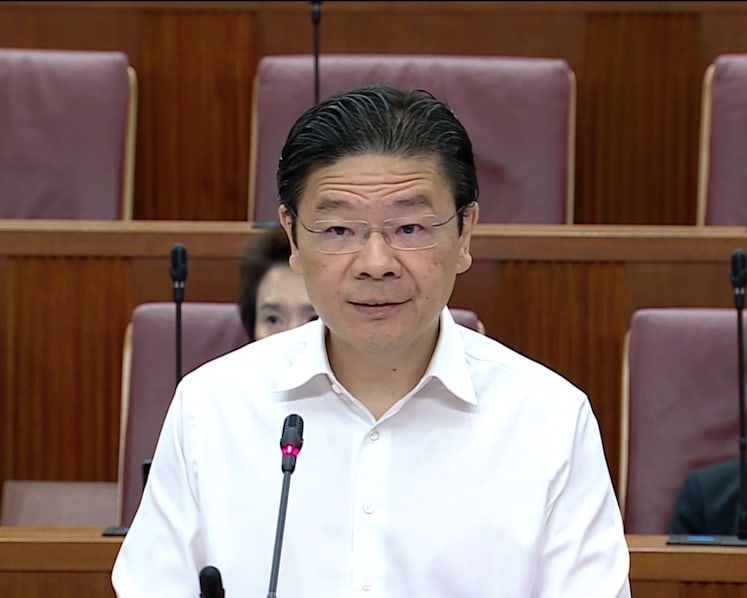
The scrutiny that politicians are placed under has also intensified as a result of digital and social media, and a more mature electorate and political landscape mean more demands.
If we faced similar demands in our own jobs, we would expect to be compensated commensurately. But political service, as the name suggests, is not like any ordinary job.
There is an expectation that those who enter politics do so out of a deeper sense of mission and a desire to serve the country, and not just out of a desire for a better pay cheque. Indeed, Mr Chan was explicit: “If money is your main reason for wanting to be a Minister, frankly, you are not the person we are looking for.”
It is why the latest review committee affirmed several key principles of the political salary framework: the use of a market benchmark of the median annual income of the top 1,000 Singaporean earners to ensure calibre and a meaningful discount of 40 per cent relative to market benchmarks to reflect the ethos of political service.
These reflect cold hard realities. Mr Wong detailed in his speech the challenges he has faced in attracting top talent from the private sector and public service ahead of the 2025 General Election: “We cannot pretend that the opportunity cost does not exist.”
A DIFFICULT POLITICAL BALANCING ACT
With this as a backdrop, one might even ask if the adjustments recommended by the review committee go far enough.
Taking the new benchmark salary for MR4 grade ministers of S$1.8 million, this represents a 3.6 per cent compound annual income growth rate from 2011 to 2025, lower than that for Singaporean earners at the 20th percentile and median.
However, the prime minister has chosen to not even fully implement that for existing political officeholders. They will receive a one-off adjustment of up to 9 per cent depending on individual circumstances, including performance.
At the top end of this adjustment, an MR4 grade minister might receive an increment of about S$100,000 compared to his peer 15 years ago.
While no explanation was explicitly given for this moderation, it is not hard to imagine that it could be aimed at keeping the adjustments politically palatable and defensible. This is especially important for Singapore given the emphasis on transparency when it comes to political salaries. Another core principle of the political salaries framework is the need to offer a clean wage, bereft of hidden perks, incentives, bonuses and pensions.
WHITHER SINGAPORE’S GOVERNANCE MODEL
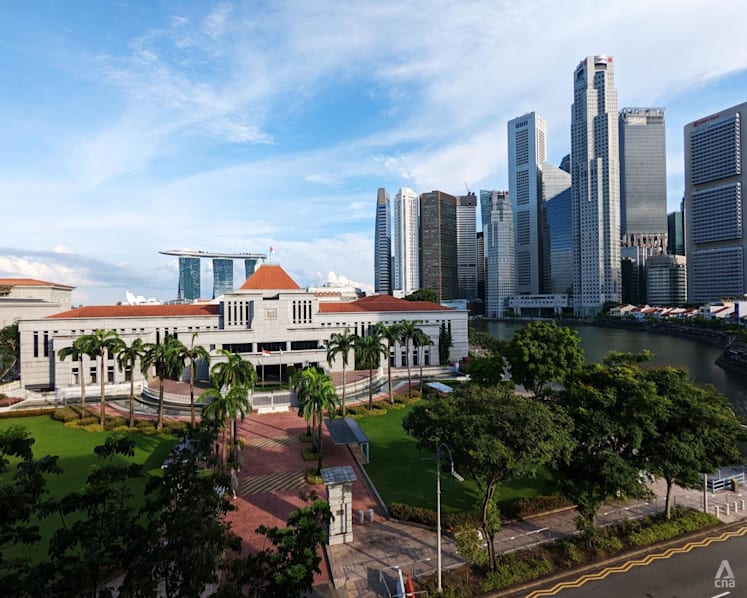
The changes to political salaries will be debated in parliament on Thursday, livestreamed and on display for public consideration. This focus on transparency has been a hallmark of Singapore political system, but it raises the possibility of an unintended and undesirable outcome.
If potential political leaders of the future see the public furore and backlash that even a watered-down adjustment of political salaries incites, would they be disincentivised from stepping forward into such a maelstrom?
While the move runs the risk of being tone-deaf to Singaporeans coping with the fallout from the US-Iran war and economic volatility, some might question whether Mr Wong and the government should have bitten the bullet and fully implemented the recommendations of the review committee.
At least, this might more fully address one side of the equation aimed at lowering potential barriers to entry for aspiring politicians.
This will always be a difficult political decision and ultimately, we must not take our eyes off the big picture. Singapore needs to continue bringing in good leaders to guide the country amid an increasingly complicated global environment, while ensuring that Singaporean interests remain at the forefront of policy and politics.
Nicholas Fang is a former journalist and Nominated Member of Parliament. He is founder and managing director of strategic consultancy Black Dot.
Source: CNA/ch
Sign up for our newsletters

Get the CNA app
Stay updated with notifications for breaking news and our best stories
Get WhatsApp alerts
Join our channel for the top reads for the day on your preferred chat app

Get bite-sized news via a new
cards interface. Give it a try.
Click here to return to FAST
Tap here to return to FAST
FAST