Sri Lanka economy resilient but risks remain tilted to downside, IMF says
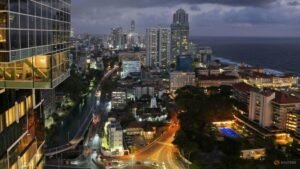
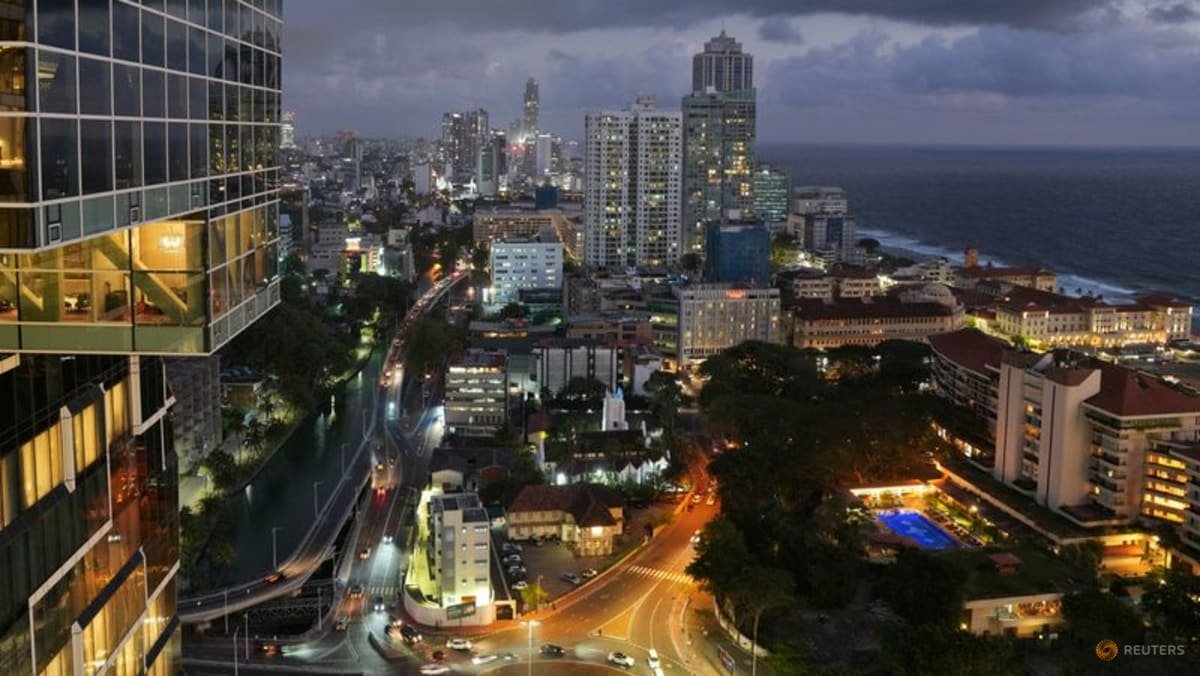
A view shows Colombo skyline, in Colombo, Sri Lanka, August 25, 2025. REUTERS/Thilina Kaluthotage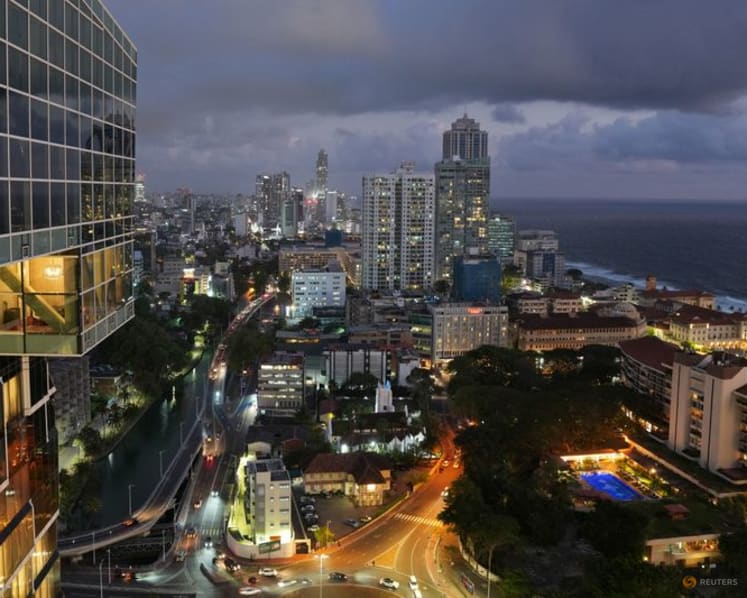
Read a summary of this article on FAST.
Get bite-sized news via a new
cards interface. Give it a try.
Click here to return to FAST
Tap here to return to FAST
FAST
Sept 23 : The International Monetary Fund said on Wednesday that Sri Lanka’s economy continues to show resilience amid successive shocks but is still facing risks tilted to the downside, as its staff concluded a visit to the South Asian island nation.
• The island nation, backed by a $2.9 billion programme, is clawing its way out of a 2022 economic upheaval triggered by severe shortage of dollars.
• The IMF review comes as Sri Lanka looks to maintain growth and contain high inflation caused by soaring energy prices that have prevailed since the Gulf conflict began seven months ago.
• Sri Lanka’s economy continues to show resilience amid successive shocks but is still facing risks tilted to the downside, the IMF said in a statement.

Guess Word
Crack the word, one row at a time

Buzzword
Create words using the given letters

Mini Sudoku
Tiny puzzle, mighty brain teaser

Mini Crossword
Small grid, big challenge

Word Search
Spot as many words as you can
• The key priorities remain development of a strong medium-term revenue strategy and administration, upholding energy cost recovery, and executing capital investment, it said.
• The lender suggested it would be prudent to maintain the 5 per cent inflation target and the prevailing accountability band, adding that commitment to prudent policies and reforms was also critical to safeguard macroeconomic stability.
• “Shifting from stabilization to transformation requires sustained momentum on structural reforms to reduce poverty and lift living standards through strong and inclusive growth,” it said.
• The IMF approved a $700 million double tranche to Sri Lanka under the programme in May to help bolster its reserves, and has predicted the country could grow by 3 per cent this year.
• The country, which imports all its fuel, however, is struggling to cope with the rise in energy costs.
• It introduced fuel rationing, steeply increased prices, and declared Wednesdays as public holidays from early March in an attempt to use fuel judiciously.
Source: Reuters
Sign up for our newsletters

Get the CNA app
Stay updated with notifications for breaking news and our best stories
Get WhatsApp alerts
Join our channel for the top reads for the day on your preferred chat app

Get bite-sized news via a new
cards interface. Give it a try.
Click here to return to FAST
Tap here to return to FAST
FAST